

No products in the cart.

Jinlong
Hot Peel vs Cold Peel DTF Film Roll Comparison Cost Speed Quality
What is Hot Peel DTF Film?
Hot peel DTF film is a type of direct-to-film printing material designed for quick and efficient transfers. With this film, you peel the transfer sheet immediately after pressing while it’s still hot. This quick peel method speeds up production, making it a favorite for high-volume printing.
Typically, hot peel DTF film requires pressing at temperatures between 320°F to 340°F for around 12 to 15 seconds. The result is a vibrant, glossy finish that stands out on cotton fabrics. This glossy look adds a smooth, shiny feel to the final design, which many find attractive for simple, bold graphics.
Hot peel film works best on high-volume cotton t-shirts and straightforward designs without complex details. Since the peel happens right away, it’s ideal when you need fast turnaround times without compromising decent color vibrancy and print clarity.
In short, if your work demands speed and you primarily print on cotton tees with less intricate designs, hot peel DTF film can be a solid choice for your production line.
What is Cold Peel DTF Film?
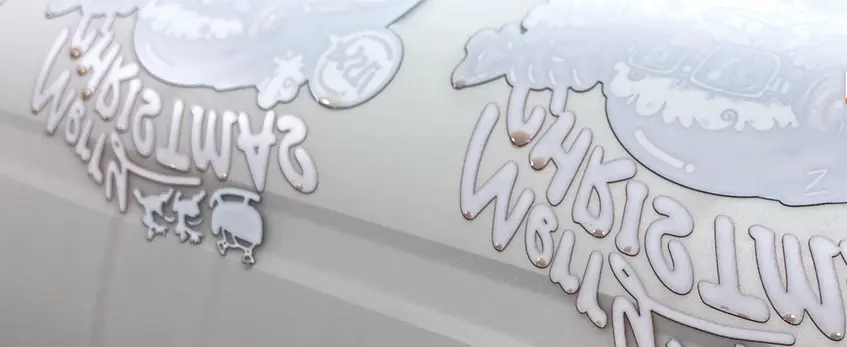
Cold peel DTF film is a type of direct-to-film transfer where you wait until the print fully cools before peeling the film off. Unlike hot peel, this method requires the transfer to set completely, which usually means a longer wait after heat pressing. Typical cold peel DTF film specs include pressing temperatures around 305°F (about 150°C), with pressing times from 15 to 25 seconds. The finish is generally matte, offering a subtle, less shiny look compared to hot peel’s gloss.
Cold peel is ideal for detailed designs that demand precision and fine line clarity, making it perfect for complex artwork. It also works great on special fabrics like canvas, polyester, or blends where a smooth, durable print is necessary. This process often results in a softer hand feel and better wash durability, which is why many customize apparel projects that prioritize quality over speed prefer cold peel.
For tips on working with different fabrics or powders, check out our guide on DTF on canvas and printing stunning artwork.
Direct Comparison: Cost Breakdown
When it comes to hot peel vs cold peel DTF film, upfront costs can vary quite a bit. Hot peel DTF film rolls typically cost more due to their complex coating that allows immediate peeling after heat pressing. This coating means higher production costs for manufacturers, which reflects in the price you pay.
However, looking at long-term costs, cold peel films often require more powder usage and longer curing times, which can increase material costs and slow down your workflow. Plus, if you deal with detailed designs or tricky fabrics using hot peel, you might face more waste or reprints from failed transfers, pushing costs up.
Factors Influencing Cost:
- Bulk Buying: Purchasing larger quantities usually lowers the per-roll price for both film types.
- Supplier Quality: Premium suppliers like Jinlong DTF offer consistent quality, reducing waste and reprint needs, which saves money in the long run.
| Cost Factor | Hot Peel DTF Film | Cold Peel DTF Film |
|---|---|---|
| Film Roll Price | Higher (due to specialized coating) | Lower |
| Powder Usage | Moderate | Often higher for strong adhesion |
| Waste & Reprints | Potentially higher if improper handling | Generally lower with detailed designs |
| Bulk Purchase Discounts | Available, depends on supplier | Available, often better for cold peel |
| Supplier Example | Jinlong DTF (high quality reduces waste) | Jinlong DTF |
For a clear cost analysis, consider not just the upfront price of the DTF PET film roll, but the total expenses including powders, production speed, and waste reduction. This holistic view helps optimize your budget, especially with varied fabric types and design complexity.
Learn more about maintaining quality with reliable materials like those from Jinlong DTF in our detailed guide on understanding DTF PET film and printed film importance.
Direct Comparison: Speed and Production Efficiency
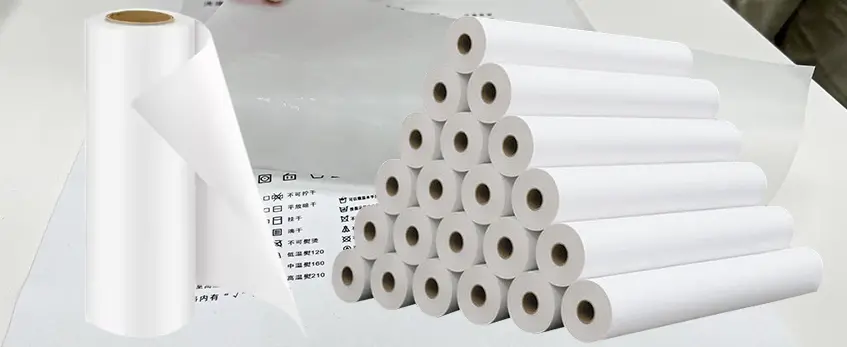
When it comes to production speed, hot peel DTF film roll clearly has an edge. Since it allows peeling immediately after heat pressing, it skips the cooling wait required by cold peel films. This quick turnaround your workflow, especially on tight schedules or rush jobs.
Workflow Impact
- Hot Peel: Peel right after pressing, no cooldown.
- Cold Peel: Must wait for the transfer to fully cool before peeling.
This difference means hot peel lets you move faster through pressing cycles, making it perfect for high-volume orders where every second counts. Meanwhile, cold peel slows you down but gives time for a better bond, which affects the quality.
Pressing Cycles & Throughput
| Feature | Hot Peel | Cold Peel |
|---|---|---|
| Peel Time | Immediate (seconds) | After full cooling (minutes) |
| Pressing Time (typical) | 15-20 seconds | 25-30 seconds |
| Cooling Wait | None | 1-3 minutes per print |
| Ideal Batch Size | Large volume, fast runs | Small batches, detailed prints |
Real-World Time Savings
For bulk jobs, hot peel can save up to 30-50% of total production time. The elimination of cooling not only boosts throughput but also lowers heat press occupation, allowing more orders to get done daily. Smaller presses or side hustlers may feel less impact, but the time savings still help reduce fatigue and speed up delivery.
If speed is your goal, hot peel DTF film works better. For projects where detail and fabric compatibility matter more, the cold peel’s slower pace may be worth it.
To get the best speed without compromising quality, consider using quality suppliers like Jinlong DTF film rolls, known for consistent performance and reliable throughput.
Direct Comparison: Quality and Durability
When it comes to print finish, hot peel DTF films typically deliver a glossy, vibrant look with a smooth hand feel. This makes them great for eye-catching designs, especially on cotton t-shirts. In contrast, cold peel films usually produce a matte finish, which feels slightly thicker but adds a premium touch, perfect for detailed artwork and specialty fabrics like polyester or canvas.
Wash fastness and longevity are where cold peel films often take the lead. Because you peel after the transfer fully cools, the print bonds more firmly, resulting in higher durability and better resistance to cracking or fading over repeated washing.
Here’s a quick glance at key quality features:
| Feature | Hot Peel DTF Film | Cold Peel DTF Film |
|---|---|---|
| Finish | Glossy, smooth hand feel | Matte, slightly thicker feel |
| Wash fastness | Good but moderate durability | Superior, longer-lasting |
| Color vibrancy | Bright and vivid | Excellent, especially on details |
| Detail retention | Good for simple designs | Better for fine, intricate prints |
| Fabric compatibility | Ideal for cotton and blends | Works well on polyester, canvas, and mixed fabrics |
| Stretchability & crack resistance | Moderate, may crack with heavy wear | Higher resistance to cracking and stretch |
For those aiming for durability and detailed designs on varied fabrics, cold peel is often the better choice. But if you want fast production combined with glossy result, hot peel offers that balance.
For best output, pairing your chosen film with quality supplies like the Jinlong DTF ink and powder also greatly influences print durability and vibrancy.
Side-by-Side Comparison Table: Hot Peel vs. Cold Peel DTF Film
| Feature | Hot Peel DTF Film | Cold Peel DTF Film |
|---|---|---|
| Peeling Method | Peel immediately after heat press | Peel after complete cooling |
| Press Temperature / Time | 320°F – 340°F, 10-15 seconds | 300°F – 320°F, 15-20 seconds |
| Finish | Glossy, vibrant | Matte, subtle |
| Durability | Good but slightly less wash fastness | Superior wash fastness and longevity |
| Cost | Higher upfront cost for film roll | Generally lower film price, but slower workflow |
| Speed | Faster production, no cooling wait | Slower due to cooling time |
| Best For | High-volume cotton t-shirts, simple designs | Detailed graphics, specialty fabrics like polyester or canvas |
This table breaks down the core differences in cost, speed, and quality when comparing hot peel vs cold peel DTF film rolls. For businesses focused on quick turnaround on high-volume orders, hot peel is a better fit. Cold peel shines when quality, durability, and intricate detail matter most—especially on non-cotton fabrics.
For more on choosing the best DTF film, check out products like the Jinlong DTF transfer film 50cm double std series to see specs and options tailored for your printing needs.
Pros and Cons of Hot Peel DTF Film
Pros:
- Faster production speed since you can peel the film immediately after heat pressing, making it great for rush jobs and high-volume orders.
- Glossy, vibrant finish that really makes colors pop on cotton and similar fabrics.
- Works well for simple designs and bulk t-shirt printing, saving time on each transfer.
Cons:
- Usually has lower wash durability compared to cold peel films, so prints may fade or crack sooner after multiple washes.
- Higher upfront cost due to the more complex coating on hot peel DTF film rolls.
- Less forgiving with fine details and intricate designs—small elements may not transfer as cleanly.
If you’re aiming for fast turnaround with bold, bright prints, hot peel is often the go-to. But be aware of the trade-offs in durability and detail. For a reliable option in high-volume production with glossy results, check out quality suppliers like Jinlong DTF to source your hot peel films and compatible adhesive powders.
Pros and Cons of Cold Peel DTF Film
Cold peel DTF film offers some clear advantages, especially if durability and detail matter most. Its superior wash fastness means prints hold up better over time, which makes it the go-to for premium apparel and garments that need to last. This film is also great for intricate designs and detailed DTF transfers, capturing fine lines and color gradients superbly. Plus, cold peel works well on a wider range of fabrics like polyester and canvas, giving you more flexibility compared to hot peel options. And often, the cost of cold peel film rolls is lower, making it appealing for budget-conscious custom apparel businesses.
On the downside, cold peel slows production since you have to wait for the transfer to cool completely before peeling, adding time to each print cycle. This can impact your DTF production speed, especially on high-volume orders. Also, transfers using cold peel film sometimes have a slightly thicker hand feel, which might not suit every customer’s preference for softer prints.
If you’re weighing cold peel vs hot peel DTF film rolls, keep in mind these trade-offs between quality, cost, and workflow efficiency.
For more on how to avoid common issues with DTF film rolls like cold peel and powder handling, check out this detailed guide on common beginner mistakes with DTF papers.
When to Choose Hot Peel vs. Cold Peel DTF Film
Choosing between hot peel vs cold peel DTF depends largely on your production needs, budget, and final product quality expectations. Here’s a quick guide to help you decide:
| Scenario | Hot Peel DTF Film | Cold Peel DTF Film | Hybrid / Easy Peel Options |
|---|---|---|---|
| Best for | Rush orders, event merch | Premium apparel, detailed graphics | Combining speed with quality for mixed runs |
| Production speed | Fast pressing, no cooling wait | Slower due to full cooling before peel | Moderate speed, easier peel after partial cooling |
| Cost efficiency | High volume, cost-sensitive setups | Lower upfront cost, better durability | Balances cost and quality |
| Design complexity | Simple or bold designs | Intricate designs, fine details | Works with moderate detail |
| Fabric types | Mostly cotton, standard blends | Special fabrics like polyester, canvas | Flexible with various fabric types |
| Durability needs | Good but moderate wash fastness | Superior longevity and wash resistance | Improved durability over hot peel |
When to Choose Hot Peel
Hot peel DTF film is ideal if you need fast turnaround times like rush orders or event merchandise where production speed matters most. It’s also well-suited for large runs of cotton T-shirts with simple designs, providing vibrant colors with a glossy finish. Keep in mind that hot peel tends to cost more due to the specialized film coating but saves time by eliminating cooling.
When to Choose Cold Peel
Cold peel DTF film shines for premium apparel where durability and detail count. If you’re working with detailed artwork or printing on special fabrics like polyester or canvas, cold peel offers better wash fastness and a matte finish with a softer hand feel. The trade-off is longer production times since you need to wait for the transfer to cool before peeling.
Hybrid and Easy Peel Options
Recently, some “easy peel” or hybrid DTF films have emerged, blending features from both hot and cold peel methods to speed up production while maintaining most of the cold peel’s durability. These are worth considering if your business needs flexibility between fast prints and high-quality, long-lasting transfers.
For more details on selecting the right film for your production, including jinlong DTF film rolls known for great quality and cost-effectiveness, check out this guide on how to choose the best DTF transfers machine for your apparel production.
Tips for Best Results with Either Film
Getting the best output from your hot peel or cold peel DTF film roll starts with nailing the heat press settings. Generally, set your press between 320°F to 350°F and apply firm pressure for about 15-20 seconds. Adjust based on your fabric and the specific jinlong DTF film you’re using. Overheating can cause colors to dull, while underheating might lead to poor adhesion.
When it comes to powder application and curing, even coverage is key. Use a fine, consistent layer of DTF adhesive powder, then cure it properly with a heat source before pressing. This prevents clumping or uneven finishes, which can affect durability and appearance. Jinlong DTF films pair best with quality powders, so consider your powder choice carefully to match your film and printer.
For storage and handling, keep your jinlong DTF film rolls in a cool, dry place away from direct sunlight and humidity. Store them flat or upright to avoid creases and damage to the PET film surface. Proper storage preserves the film’s adhesive and print quality over time.
Common mistakes to avoid include:
- Peeling the transfer too early or too late for the film type
- Applying too much or too little powder
- Inconsistent heat press pressure or timing
- Not conditioning fabrics before pressing (especially cotton or polyester)
- Ignoring recommended storage conditions
Mastering these basics with either hot peel or cold peel DTF film ensures vibrant, long-lasting transfers and smooth production workflows. For more detailed insights, check out jinlong’s tips on choosing the right DTF film and heat press settings to match your needs.




 English
 Español
 Deutsch
 Français