
No products in the cart.

Jinlong
How to Choose the Best Transparent T-Shirt Transfer Paper in 2026
If you’re diving into custom tees, choosing the best transparent t-shirt transfer paper can make or break your project. Whether you’re a DIY crafter or running a small print business, the last thing you want is a print that peels, fades, or clogs your printer after the first wash. In 2025, not all transfer papers are created equal—especially when it comes to vibrancy, durability, and ease of use. Stick around, and I’ll show you exactly what to look for to avoid those common headaches—and reveal why jinlong DTF is becoming the go-to upgrade for professional-quality, long-lasting results. Let’s get you the perfect print, right the first time.
Understand the Two Main Types of Transparent Transfer Paper
When diving into transparent T-shirt transfer paper, the first thing you need to know is that there are two main types: inkjet and laser. Each works differently and suits different printers, so picking the right one is key to great results.
Inkjet Transparent Transfer Paper
This is the most popular choice, especially for home users and small businesses. Inkjet transfer papers are designed to absorb liquid ink, which means they work best with inkjet printers. They offer vibrant colors and smooth prints. If you’re printing on light fabrics like cotton or poly blends, inkjet papers usually give you richer details. However, they do require careful drying and curing to avoid smudging.
Laser Transparent Transfer Paper
Laser transfer papers work with laser printers, which use toner instead of liquid ink. These papers can handle faster printing speeds and usually provide sharper edges because toner can be fused firmly onto the transfer surface. Laser transfers are durable but less common in home use due to the higher cost and toner-specific handling. They’re often preferred in commercial settings or for more robust, long-lasting prints.
Quick Comparison Table
| Feature | Inkjet Transparent Transfer Paper | Laser Transparent Transfer Paper |
|---|---|---|
| Printer Type | Inkjet (liquid ink) | Laser (toner-based) |
| Color Vibrancy | Excellent, bright colors | Good, often sharper outlines |
| Durability | Moderate; prone to fading without proper curing | Highly durable, strong adhesion |
| Price | Usually more affordable | Typically pricier |
| Ease of Use | Easier for beginners | Requires toner-compatible paper |
| Common User | Home crafters, small businesses | Commercial printers, pros |
Understanding these two main types helps you avoid a costly mistake like buying laser paper for an inkjet printer (which won’t work) or vice versa. Knowing your printer and project goals makes choosing the right transparent T-shirt transfer paper straightforward, setting you up for success from the start.
Key Factors to Evaluate Before Buying Transparent Transfer Paper
When picking the best transparent t-shirt transfer paper, there are several key factors you want to keep in mind to get the best results and value for your printing projects.
Fabric Compatibility
Not all transfer papers work equally on different fabrics. If you’re printing on 100% cotton shirts, most papers will do fine. But for poly blends or light garments, look for transparent heat transfer paper designed specifically for these materials to avoid dull prints or poor adhesion.
Print Vibrancy & Color Retention
Check reviews for how vibrant the colors stay, especially after 50+ washes. The best clear iron-on transfer papers in 2025 maintain bold colors without fading or yellowing over multiple laundry cycles.
Durability – Crack and Peel Resistance
The quality of the polymer coating on the paper is crucial. A strong coating means the print won’t crack or peel easily, even after repeated wear. Look for claims or tests about crack resistance and durability to avoid flimsy transfers.
Transfer Temperature & Time
Typical heat press settings range between 160–180°C (320–355°F). Make sure your paper’s required temperature fits your heat press or household iron capabilities. Correct timing is just as important to ensure the design sticks well without scorching the fabric.
Peel Type: Hot Peel vs Cold Peel
Hot peel: Peel the paper immediately while it’s hot; usually faster but can be tricky.
Cold peel: Let it cool before peeling, which reduces the risk of smearing or tearing the design.
Choose based on your comfort level and machine compatibility.Thickness & Hand FeelTransfer papers come in different thicknesses. Thin, soft papers feel more natural on the shirt and are less noticeable. Thicker or plasticky-feeling sheets might be easier to handle but can make the fabric feel stiff once applied.Printer Compatibility & Clogging Risk
Some transparent transfer papers work better with specific inkjet printers and inks than others. If you have a home inkjet printer, confirm the paper won’t cause frequent clogging or smudges
Sheet Size Availability & Pricing
Common sizes include A4, A3, and sometimes rolls for larger projects. Think about the size you need and check the price per sheet or per roll to get the best value. Larger sheets mean fewer cuts but might cost more upfront.
Keeping these factors in mind will save you headaches and improve the final look of your customized shirts. If you want to take it a step further, exploring alternatives like jinlong DTF clear film might be worth considering for even more durable and vibrant results.
Inkjet Transparent Transfer Paper vs DTF Film – Which Wins in 2025?
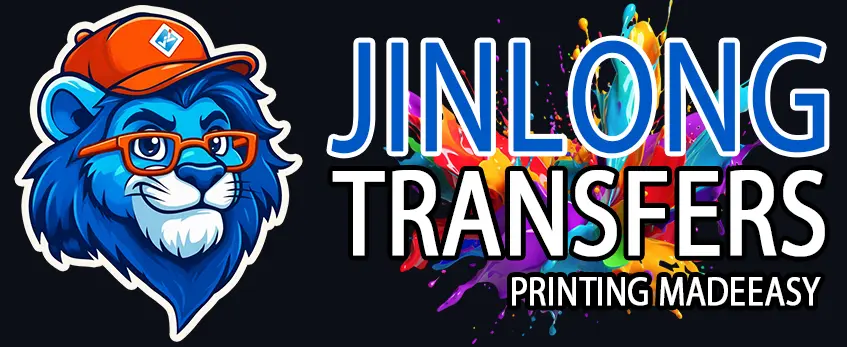
When choosing between inkjet transparent transfer paper and DTF (Direct to Film) film in 2025, it boils down to a few key points: durability, cost, ease of use, and print vibrancy.
Durability:
DTF film, especially options like the jinlong DTF clear film, offers superior crack and peel resistance compared to most inkjet transparent transfer papers. It handles 50+ washes with colors staying vibrant and intact. Inkjet papers can sometimes fade or crack over time, especially on poly blends.
Cost:
Inkjet transparent transfer paper usually comes cheaper upfront and works great for small, occasional projects. DTF film has a higher initial cost, including needing a powder applicator and heat press combo, but its long-term durability can save money on reprints.
Ease of Use:
Inkjet papers are simpler for home users — just print, cut, press, and peel. DTF film requires some extra gear and know-how, especially around powder application and curing. However, with growing online tutorials and resources, more users are adopting jinlong DTF for consistent professional results.
Vibrancy:
DTF film generally delivers richer, more vibrant colors that pop on both cotton and polyester. Transparent inkjet papers can struggle to match this, particularly on darker or mixed fabrics.
When Transparent Transfer Paper Is Still the Better Choice
If you’re a beginner or hobbyist printing light garments without access to specialized equipment, transparent transfer paper remains a solid pick. It’s cost-effective, widely compatible with home inkjet printers, and fine for casual or one-off projects.
For a deeper dive into DTF technology and tips to maximize print quality, check out our detailed guide on the essentials for perfect DTF prints with jinlong DTF clear film.
Learn more about DTF transfer paper and powder essentials.
Ultimately, choosing between inkjet transparent t-shirt transfer paper and DTF film depends on your budget, equipment, and the level of durability you need. For pro-quality, long-lasting prints, many are now switching to DTF, but transparent inkjet paper still holds its place for easy, affordable light fabric transfers.
Jinlong DTF Clear Film – Best Upgrade for Pros
Why many are switching from traditional transparent paper
Jinlong’s DTF clear film is gaining serious attention as the best upgrade for durable, vibrant prints with outstanding wash resistance. Unlike traditional clear transfer paper, this DTF film handles complex colors with ease, won’t crack or peel, and sticks flawlessly to mixed fabrics. For those ready to step up their printing game, this is a must-try. You can check their DTF range and adhesive powders with Jinlong’s TPU DTF hot melt adhesive powder or the DTF transfer films.
Step-by-Step Application Guide for Perfect Results
Getting crisp, durable prints with transparent t-shirt transfer paper starts with the right process. Follow these simple steps to avoid frustration and achieve professional-looking results every time.
1. Printer Settings
- Always set your printer to high-quality photo mode to ensure vibrant colors and sharp details.
- For inkjet transparent t-shirt transfer paper, make sure to mirror your image before printing — this is crucial for text and designs to appear correctly on your garment.
2. Cutting Tips
- Use a silhouette cutting machine or a sharp craft knife to cut around your design precisely.
- When cutting, leave a small border if you plan to weed excess material; this helps with easier handling and cleaner edges.
- For hand-cut designs, take your time to follow smooth lines and avoid jagged edges that show after transfer.
3. Heat Press vs Household Iron
- Heat press machines deliver the best and most consistent results. Set the temperature between 160–180°C (320–356°F) and apply firm pressure for 15–20 seconds (adjust per manufacturer recommendations).
- If using a household iron, use the highest cotton setting with no steam. Press down firmly and evenly for at least 30-40 seconds, moving the iron slowly to avoid hot spots.
- Always protect your garment surface with a Teflon sheet or parchment paper to prevent scorching or shining.
4. Peeling Technique & Curing
- Pay attention to the peel type of your transfer paper: hot peel papers need to be peeled immediately while warm, and cold peel papers need to fully cool down before peeling. Follow the instructions for your specific paper.
- Remove the backing sheet slowly and carefully to avoid lifting the design.
- For best durability, let the shirt rest for at least 24 hours before washing. Some users even recommend a second press (using a protective sheet) to help cure the print further.
By sticking to these steps, you’ll get brighter, longer-lasting transfers that stand up well to washing and wear. For even more tips on using alternatives like Jinlong DTF clear film, check out resources tailored to getting flawless prints.
Common Mistakes That Ruin Your Transfers (And How to Avoid Them)
When working with transparent t-shirt transfer paper, a few simple mistakes can wreck your design and waste your materials. Here’s what to watch out for:
Overheating the transfer: Heat presses and irons vary, so don’t just guess the temperature. Too much heat can cause the transfer to yellow, crack, or peel off. Always follow the recommended transfer temperature (usually around 160–180°C) and timing for your specific paper.
Applying wrong pressure: Too much pressure can flatten the design unevenly or damage the fabric, while too little pressure will stop the transfer from sticking properly. Find the right balance by checking the paper instructions and adjusting your press accordingly.
Using cheap or inappropriate parchment paper: Good parchment paper helps protect the design during pressing and prevents sticking to your heat plate. Skip low-quality sheets—they often stick or melt, ruining the transfer.
Not mirroring your image: Forgetting to print in mirror image will reverse text and logos, making your design unusable.
Peeling at the wrong time or temperature: Whether your paper calls for hot peel or cold peel, doing it too early or too late can cause cracks or incomplete adhesion. Follow the peel type and timing exactly.
Ignoring fabric compatibility: Transparent heat transfer paper for light fabrics works best on 100% cotton or cotton blends. Avoid printing on nylon or heavily textured fabrics without checking compatibility.
Avoiding these pitfalls can save you time and money, giving you crisp, vibrant, and long-lasting transfers every time. For detailed tips on using quality materials, including innovative products like the Jinlong DTF clear film, make sure to plan your project carefully before starting.
Where to Buy & How to Spot Counterfeit or Cheap Transparent Transfer Paper
Finding trustworthy sellers is crucial when buying transparent heat transfer paper for light fabrics or any clear transfer paper for white shirts. Stick with well-known online stores or specialty print shops that have solid customer feedback. Avoid unknown marketplaces where pricing looks too good to be true—low prices often mean poor quality that leads to cracking, fading, or peeling after just a few washes.
Roll vs Sheet Pricing
- Rolls usually offer better value if you print often or larger projects, but make sure the seller guarantees consistent quality.
- Sheets (A4 or A3) are perfect for small runs or beginners trying out different brands without a big upfront cost.
Red Flags of Low-Quality Paper
- Paper that feels overly stiff or has a strong plastic smell.
- Transfer that cracks or peels easily after a couple of washes.
- Inconsistent or faded prints despite using quality inks and proper settings.
- Lack of clear instructions or customer support from the seller.
- No clear information on fabric compatibility or printer type.
If you’re searching for reliable options, consider trusted brands and even check out specialized products like the Jinlong DTF clear film for durable and vibrant results. Also, see detailed guides like the A3 DTF printer overview to learn more about the latest heat transfer technologies.
Buying smart upfront will save frustration and ensure your transparent t-shirt transfer paper projects look great and last through many washes.
Final Recommendation – What Should You Actually Buy?
Choosing the best transparent t-shirt transfer paper depends on your budget, project needs, and printer type. Here’s a quick breakdown of top picks for 2025:
Best Budget Transparent Paper
If you’re new to printing or working on simple light-colored shirts, look for affordable inkjet transparent heat transfer paper that delivers decent vibrancy and washability without breaking the bank. Focus on brands that offer reliable cotton compatibility and easy-to-use hot or cold peel options. These papers are perfect for casual hobbyists or small batches.
Best Premium Transparent Paper
For pros or serious crafters who want vibrant colors, long-lasting durability without cracking, and excellent fabric feel, premium transparent transfer paper is your go-to. These usually come with advanced polymer coatings that resist peeling and fading after 50+ washes. A4 transparent transfer paper rolls with consistent quality and larger sheet options are common here. They cost more but deliver professional results for cotton and poly blends.
Best Overall – Jinlong DTF Film for Pro Results
While traditional transparent papers remain popular, many users are switching to innovative products like the Jinlong DTF clear film. This durable clear heat transfer vinyl alternative offers superior washability, richer colors, and easier application—ideal for those wanting to upgrade their prints without completely changing their workflow. It’s cost-effective long-term, especially for heavier production or retail-quality apparel.
For all these options, make sure your choice fits your printer setup. If you want the latest and greatest in vibrant, durable t-shirt prints, give Jinlong’s DTF film a look—they have resources that can help beginners and pros alike, like their helpful DTF for beginners guide.
No matter what you pick, prioritize clear transfer paper that suits your fabric type and printing method. That’s the best way to get great-looking, long-lasting custom shirts every time.


 English
 Español
 Deutsch
 Français