

Top 5 Beginner Friendly DTF Printers 2026 Reviews and Buying Guide
What is DTF Printing and Why Choose It as a Beginner?
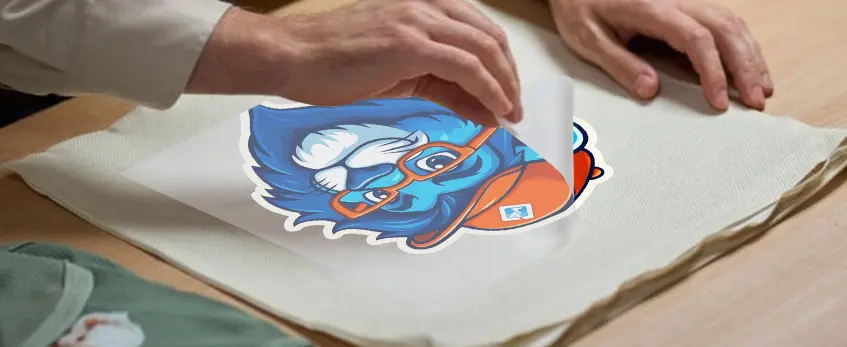
DTF (Direct to Film) printing is a versatile method that transfers full-color designs onto various fabrics using a special film. As a beginner, you’ll find it straightforward yet powerful for creating custom t-shirts, hoodies, and more.
Step-by-step DTF Process
Here’s how DTF printing works in simple steps:
| Step | What Happens |
|---|---|
| 1. Design | Create or import your artwork on the computer |
| 2. Print | Print the design with color + white ink onto film |
| 3. Powdering | Apply hot-melt adhesive powder over the printed film |
| 4. Curing | Cure the powder onto the film with a heat source |
| 5. Transfer | Use a heat press to transfer the design from film to fabric |
Why DTF Over Alternatives?
| Feature | DTF | DTG | Sublimation | Vinyl |
|---|---|---|---|---|
| Fabric flexibility | Works on cotton & blends | Mostly cotton | Polyester only | Limited color range |
| Cost-effectiveness | Low setup cost | Higher printer cost | Requires special fabrics | Time-consuming cuts |
| Color vibrancy | High, sharp colors | High, but can fade | Bright on suitable fabrics | Solid colors only |
| Machine maintenance | Easier with circulation | Prone to ink clogging | Minimal | Manual cutting & weeding |
Common Beginner Challenges—and Solutions
| Challenge | How Modern DTF Printers Help |
|---|---|
| Ink clogging | White ink circulation systems prevent dry-ups |
| Learning curves | User-friendly software and streamlined setups |
| Maintenance worries | Many printers feature easy cleaning modes |
| Material compatibility | Versatile for different fabrics, no special blanks needed |
DTF printing strikes a sweet balance for newcomers — it brings brilliant prints with lower fuss and broad fabric support. With modern entry-level DTF printers, you’ll get reliable performance without overwhelming complexity, perfect for those just starting in the custom printing game.
Key Factors to Consider When Buying a Beginner DTF Printer
Choosing the right beginner DTF printer in 2026 means focusing on a few essential features that affect daily use and overall satisfaction. Here’s what you need to keep in mind:
Print Size and Format: Decide between A3/A4 flatbed printers or roll-fed models. A3/A4 printers work great for smaller projects like t-shirts and are easier to handle for beginners. Roll-fed printers offer larger print widths, perfect if you plan to scale up.
Printhead Type & White Ink Management: Look for printers with reliable printheads and efficient white ink circulation systems. White ink tends to clog fast, so having an automatic circulation or flushing feature is key to reducing maintenance headaches.
Ease of Setup & Software: Beginner-friendly DTF printers come with user-friendly RIP software compatible with Windows and Mac. A straightforward interface helps newbies get up and running without steep learning curves.
Build Quality & Maintenance: Solidly built machines with easy access for cleaning help beginners avoid downtime. Check maintenance notes closely—some entry-level DTF printers include automatic cleaning cycles that reduce manual upkeep.
Speed & Resolution: For everyday use, a balance is important. Look for printers offering good print speed without sacrificing detail—around 720 to 1440 dpi suits most beginners working on apparel.
Running Costs: Factor in ink, film, and powder expenses. Some printers run more cost-effectively due to ink efficiency or compatible third-party consumables. Don’t overlook film quality either, as it affects final print appearance and durability.
After-Sales Support & Warranty: A responsive customer service team and solid warranty can save you headaches. Also, check if the brand has an active community—forums and user groups can be goldmines for troubleshooting and tips.
Budget Breakdown: Entry-level DTF printers for beginners typically start around $1,500 and can go up to $4,000, depending on features and footprint. It’s best to pick a model that fits your immediate needs without overpaying for extras you won’t use.
Considering these key factors will set you up for success, making your start with an entry-level DTF printer smooth and rewarding. For detailed setup tips and to explore reliable printer options, check out our guide on professional t-shirt graphic printers essential for a growing business.
Top 5 Best DTF Printers for Beginners in 2026
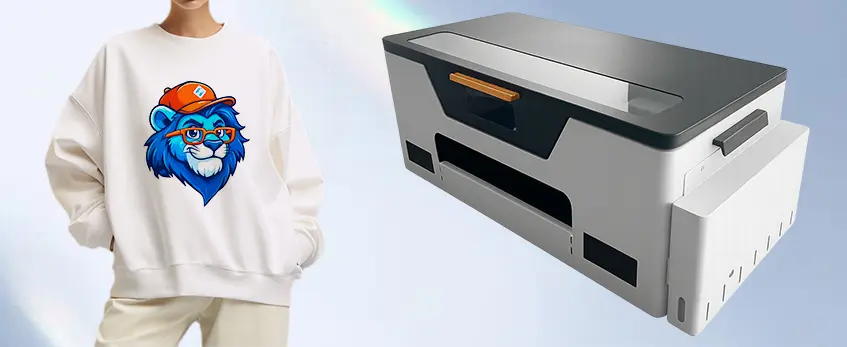
Finding the right beginner DTF printer in 2026 means balancing ease of use, quality, and budget. Here\’s a quick rundown of the top 5 entry-level and compact DTF printers designed for newcomers.
| Printer Model | Print Size | Key Features | Pros | Cons | Price Range | Ideal For |
|---|---|---|---|---|---|---|
| Jinlong DTF Entry-Level Model | Up to A3 | White ink circulation, user-friendly software | Easy setup, reliable, great support | Limited large format options | $2,500 – $3,000 | Absolute beginners, small orders |
| Prestige A3/A4 Series | A4 & A3 sizes | Compact design, affordable | Space-saving, decent build quality | Slower print speeds | $1,800 – $2,200 | Home setups, hobbyists |
| Procolored Epson-Based Models (L1800/XP600) | A4 size | Converted Epson tech, budget-friendly | Affordable, easy maintenance | Smaller print area, older tech | $1,200 – $1,800 | Budget-conscious starters |
| Epson SureColor Hybrid (F1070) | Up to roll-fed | High reliability, strong brand | Great print quality, robust build | Higher initial cost | $10,000+ | Brand-loyal users, commercial starter |
| Dedicated Compact Options (xTool, OMTech) | Varies (usually A4) | Minimal maintenance, compact footprint | Low upkeep, future-proof tech | Limited size, fewer features | $1,500 – $2,500 | Low-maintenance, future-proof |
1. Jinlong DTF Entry-Level Model
- Overview & Specs: Up to A3 print size, white ink circulation system to prevent clogging, easy RIP software.
- Pros: Super beginner-friendly with minimal setup hassle, dependable print quality, excellent after-sales support that newcomers can rely on.
- Cons: Not ideal for larger volume or oversized prints.
- Pricing & Where To Buy: Typically priced between $2,500 – $3,000. Available directly from Jinlong’s website or authorized US distributors.
- Ideal for: Absolute beginners just getting started with small-scale projects and t-shirt printing.
Pro tip: Check out their DTF transfer film options that pair nicely with this printer for hassle-free transfers.
2. Prestige A3/A4 Series
- Overview & Specs: Focused on smaller formats (A4/A3), designed compact for tight spaces.
- Pros: Good build quality, affordable price makes it great for hobbyists or home setups.
- Cons: Print speed can lag behind more expensive models—better for low volume.
- Price: Around $1,800 to $2,200.
- Ideal for: Compact home studios and beginners with limited workspace.
3. Procolored or Epson-Based Converted Models (L1800/XP600)
- Overview & Specs: Modified Epson printers adapted for DTF printing, mostly A4 printing width.
- Pros: Best for tight budgets, simple maintenance, and ease of sourcing parts.
- Cons: Smaller print size and slower speeds, older tech means some compromises on resolution.
- Price: Between $1,200 and $1,800.
- Ideal for: Budget-conscious beginners eager to get started without breaking the bank.
4. Epson SureColor Hybrid (F1070 or Equivalents)
- Overview & Specs: Hybrid DTF printer with roll-to-roll printing capability and reliable Epson printheads.
- Pros: Exceptional print quality, solid build, trusted brand with good warranty and support.
- Cons: Higher upfront investment, more suited if you want to scale up in the future.
- Price: $10,000 and up.
- Ideal for: Those wanting serious brand reliability and commercial potential from day one.
5. Dedicated Compact Options (xTool, OMTech Entry Models)
- Overview & Specs: Compact footprints, user-friendly, often with built-in features to reduce clogs and maintenance.
- Pros: Minimal upkeep, designed for the beginner who values future-proofing.
- Cons: Limited in print size and features compared to larger models.
- Price: Typically $1,500 to $2,500.
- Ideal for: Beginners wanting a low-maintenance machine that can grow with them.
All these options balance usability, print quality, and budget differently, but they share one thing: they’re built to get you started on your DTF journey without frustration. For even more insights on printing efficiency and cost comparison, consider exploring a detailed comparison of DTF vs. vinyl workflows, which is useful when picking the best setup for your printing needs.
Comparison Table: Best Beginner DTF Printers in 2026
| Printer Model | Price Range | Max Print Width | Speed (ft²/hr) | White Ink Circulation | Ease of Setup | Key Features | Beginner Rating* |
|---|---|---|---|---|---|---|---|
| Jinlong DTF Entry-Level Model | $1,500 – $2,000 | Up to A3 (13\”) | 15-20 | Yes | Very Easy | Reliable, great support, low maintenance | ★★★★★ |
| Prestige A3/A4 Series | $1,200 – $1,800 | A4 (8.3\”) | 10-15 | Yes | Easy | Compact, affordable, good print quality | ★★★★☆ |
| Procolored/Epson Based Models | $1,000 – $1,500 | A3 (13\”) | 12-18 | Partial/Manual | Moderate | Budget-friendly, versatile | ★★★☆☆ |
| Epson SureColor Hybrid (F1070) | $3,000 – $4,000 | Roll-fed (24\”) | 25-30 | Yes | Moderate to Difficult | Brand reliability, professional level | ★★★★☆ |
| Dedicated Compact (xTool/OMTech) | $1,800 – $2,500 | Up to A4 (8.3\”) | 15-20 | Yes | Easy | Low maintenance, compact design | ★★★★☆ |
*Beginner rating reflects ease of use, support, and overall suitability for newcomers.
This comparison covers the key factors beginner DTF printer buyers care about: affordability, user-friendly setup, size, and white ink management. For example, the Jinlong DTF Entry-Level Model stands out for seamless usability and solid after-sales support — ideal if you want a smooth start. Meanwhile, Epson models offer brand reliability but at a higher price and a bit more setup complexity.
If you want more insights on managing your DTF prints, check out our detailed tips in the comprehensive guide to DTF transfer paper and powder, which is especially helpful for beginners looking to maximize printer performance.
Buying Guide: How to Get Started with Your First DTF Printer
Starting with a beginner DTF printer in 2026 means more than just unboxing your machine. To get the best results from day one, having the right accessories and know-how is key. Here’s what you need to consider:
Essential Accessories You’ll Need
- Heat press: A must-have for curing prints onto fabric. Look for one that matches your print sizes.
- Oven or powder shaker: Helps cure the adhesive powder evenly, improving print durability.
- DTF films and inks: Choose good-quality transfer films and inks designed for your printer model to avoid issues.
- Adhesive powder: TPU powder is popular for flexibility and washability; check out how it’s revolutionizing printing for beginners in this detailed TPU powder guide.
Setup Tips and Common Mistakes
- Always run a nozzle check before printing to avoid clogs.
- Keep the white ink circulation system clean to prevent deposits and blockages.
- Avoid low-quality films or inks—they can clog your printhead and reduce print quality.
- Don’t rush the drying process; using a powder shaker or oven before pressing is crucial.
Recommended Consumables and Where to Source Them
Buy consumables (films, inks, powder) from trusted suppliers or directly from your printer’s brand to ensure compatibility. For instance, Jinlong offers reliable DTF transfer films suitable for beginners.
Tips for Professional Results from Your First Prints
- Use high-resolution images with correct color profiles.
- Maintain consistent heat and pressure on your heat press.
- Practice layering prints on test fabrics before going live.
- Track your ink and powder usage to optimize costs and quality.
When to Scale Up from Beginner Models
It’s smart to stick with entry-level printers until your order volume or design complexity grows. Upgrade when you need larger print sizes, faster speeds, or better color fidelity. High-end models often come with advanced white ink circulation and automated maintenance to reduce downtime.
Getting the setup right from day one means fewer headaches and more professional-looking tees faster. With the right gear, a bit of practice, and a smart buying approach, your DTF printer will become a steady income source.
FAQs for Beginner DTF Printers in 2026
How much does a beginner DTF setup cost in 2026?
Entry-level DTF printers typically start around $1,000 to $2,500, depending on size and features. Along with the printer, budget for essential supplies like ink, films, powder, and a heat press. Overall, a full beginner setup usually runs between $1,500 and $3,500, making it an affordable jump into the world of direct-to-film printing.
Is DTF better than DTG for starters?
For beginners, DTF printers often have an edge over DTG for a few reasons: they’re easier to maintain, work on a wider range of fabrics, and don’t require pre-treatment. Unlike DTG, DTF also tends to have lower ongoing costs and handles white ink circulation better, which is a common beginner pain point. This makes DTF a practical and versatile choice for starters.
How do I maintain a DTF printer to avoid clogs?
Maintaining your DTF printer mainly involves keeping the white ink circulating to prevent clogging—a feature found in most modern beginner-friendly models. Regular cleaning cycles, using quality ink, and following manufacturer guidelines are key. For detailed maintenance tips and how to keep your setup clog-free, check out this comprehensive overview of the DTF printing process.
Can I use any ink or film with these printers?
It’s best to use inks and films recommended by your printer manufacturer or those known to be compatible with your model. Using generic or incompatible supplies can lead to poor print quality and printer issues. For beginners, sticking to branded or verified third-party consumables ensures smooth operation and better results.
What are the best fabrics for beginner DTF projects?
DTF works well on various fabrics like cotton, polyester blends, and even some nylon or blends. As a beginner, start with 100% cotton or cotton-heavy blends since they absorb ink well and produce vibrant, durable prints. Avoid highly textured or very stretchy fabrics until you gain experience.
If you want a deeper dive into beginner-friendly printers and supplies, check out our detailed beginner’s DTF printer guide.
These FAQs cover the essentials to get you started smartly with a beginner DTF printer in 2026—helping you avoid common pitfalls and maximize your first prints!


 English
  Español
  Deutsch
  Français