


DTF Shirt Printing vs DTG and Screen Printing Complete Comparison
If you’re diving into the world of custom apparel, you’ve probably heard the buzz around DTF shirt printing and how it stacks up against classic methods like DTG and screen printing. Choosing the right technique isn’t just about prints—it directly impacts your costs, fabric options, durability, and ultimately, customer satisfaction. Whether you’re launching a small print-on-demand shop or scaling a bulk order business, understanding these differences is key to finding the best fit for your unique needs. In this guide, you’ll get a clear, no-fluff comparison of Direct-to-Film (DTF), Direct-to-Garment (DTG), and traditional screen printing—breaking down processes, pros and cons, and which method wins for quality, speed, and versatility in 2026. Let’s get straight to the point and help you make the smartest choice for your next project.
What Is DTF Shirt Printing?
DTF shirt printing, or Direct to Film printing, is a modern method where designs are first printed onto a special PET film instead of directly onto the fabric. Here’s a quick overview of the DTF printing process:
- Print on PET film: Using specialized printers, the design is printed with vibrant inks, including a strong white ink base that ensures colors pop on any fabric.
- Apply adhesive powder: While the ink is still wet, a fine adhesive powder is applied evenly over the printed film.
- Curing: The powder-coated film is passed through a curing oven or heat tunnel to melt and firmly bond the adhesive powder to the ink.
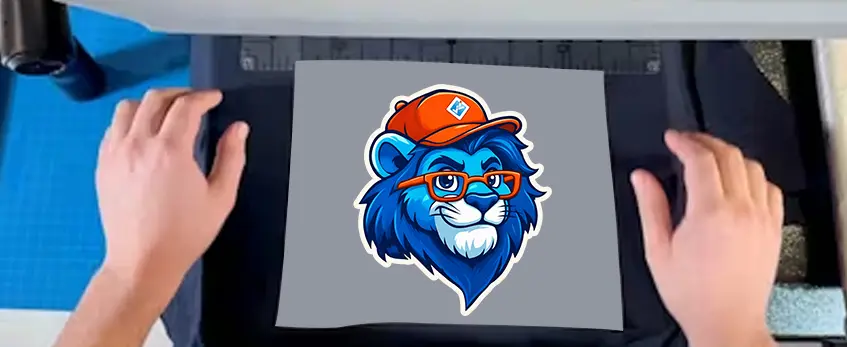
- Heat press transfer: Finally, the design is heat pressed from the film onto the shirt or garment, sealing the image with excellent durability.
DTF printing shines because it requires no pre-treatment on fabrics, making it hassle-free and faster than some other methods. It also works seamlessly on a wide variety of materials—including cotton, polyester, blends, and even darker fabrics—thanks to the sturdy white ink base that provides opacity and vibrant colors.
Since the early 2020s, DTF’s rising popularity comes down to these technical advantages, combined with its cost-effectiveness and versatility. For small print shops, print on demand sellers, and apparel brands looking for bright, durable prints without the complex setup of traditional methods, DTF printing offers an efficient, reliable solution.
What Is DTG Printing?
DTG (Direct to Garment) printing is a popular method where specialized inkjet printers apply water-based inks directly onto fabric. The process starts with pre-treating the shirt—usually cotton—with a special solution. This pretreatment helps the ink adhere properly and keeps colors vibrant. Next, the design is printed directly onto the garment using precise inkjet heads, allowing for detailed, photo-realistic images with smooth gradients. Finally, the print is heat cured to fix the ink and improve durability.
DTG printing shines when it comes to high-resolution, full-color designs with a soft hand feel—meaning the print feels light and flexible on the fabric instead of thick or heavy. This makes it a favorite for custom t-shirt printing, especially when complex artwork or small batch orders are involved.
However, DTG has some common limitations. It works best on 100% cotton fabrics, as blends or synthetic materials often lead to poor ink adhesion and color vibrancy. The white ink used in DTG can be tricky—it tends to clog printer nozzles and may fade faster than other colors. Plus, without proper care, DTG prints can lose vibrancy over multiple washes.
Despite these drawbacks, DTG remains a go-to option for producing soft, detailed prints on cotton and is particularly suited for short runs or on-demand printing. For those exploring custom apparel, understanding how DTG compares with other methods like DTF or screen printing helps you pick the best technique for your needs.
What Is Screen Printing?

Screen printing is one of the oldest and most reliable methods for custom t-shirt printing. The process starts with creating film positives—these are stencils of the design that block ink where it’s not wanted. Then, a fine mesh screen is coated and exposed to light through the film positives, hardening areas that should hold ink. After washing out the unhardened parts, the screen acts as a stencil. Ink is pushed through the mesh onto the fabric using a squeegee, layer by layer for each color. Finally, the print is cured with heat to make it durable and wash-resistant.
Screen printing remains ideal for high-volume orders with simple designs because it’s cost-effective when producing hundreds or thousands of shirts. The setup cost for screens and the time required to prepare each color mean it’s less suitable for small-batch or highly detailed custom work. Color options can be limited depending on the number of screens used, and intricate gradients or photographic prints are tough to pull off. Overall, screen printing\’s slower turnaround for small runs and upfront investment make it less flexible compared to modern methods like DTF or DTG printing.
Head-to-Head Comparison: DTF vs. DTG vs. Screen Printing
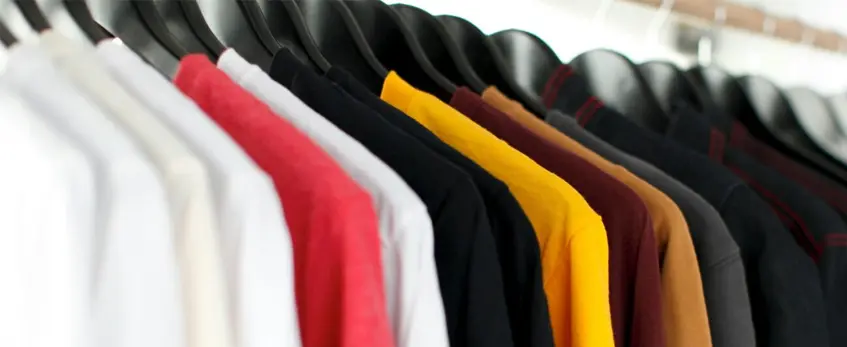
Here’s a clear comparison of DTF, DTG, and screen printing across key factors like order size, fabric compatibility, print quality, and more to help you pick the right method.
| Feature | DTF Printing | DTG Printing | Screen Printing |
|---|---|---|---|
| Order Quantity | Great for small to medium runs | Best for small runs | Ideal for large runs (100+ shirts) |
| Fabric Compatibility | Works on cotton, polyester, blends, dark and light fabrics | Mostly 100% cotton, light or dark (requires pretreatment) | Works best on cotton and some blends, mostly light fabrics |
| Print Quality & Detail | Sharp details with vibrant white base | Photo-realistic prints, great detail | Quality varies; best with bold, simple designs |
| Color Vibrancy & Opacity | Very vibrant with opaque white ink | Vibrant colors but white can fade or crack | Bright colors but limited opacity on dark fabrics |
| Hand Feel | Slightly thicker feel, especially on large prints | Soft, breathable feel | Usually thick depending on ink layers |
| Durability & Wash Performance | Very durable, great for multiple washes | Moderate; white ink may fade or crack over time | Extremely durable when cured properly |
| Cost | Moderate setup cost, low to medium per print cost | Higher equipment cost, ink expensive | Low cost per print on large runs but high setup costs |
| Production Speed | Faster than screen printing, suitable for POD | Slower due to pretreatment and curing | Slow for small runs, fast for bulk orders |
| Environmental Impact | Uses less water, TPU powder is eco-friendly | Water-based inks but waste from pretreatment | Uses more water and chemicals for screens and cleanup |
This table helps clarify that DTF printing is a versatile choice for fabric types and batch sizes, while DTG excels in photo realism but is limited to cotton and requires pretreatment. Meanwhile, screen printing remains the go-to for high-volume, simple designs with excellent durability.
For more insights on production efficiency and fabric versatility, check out the detailed guide on film transfer paper for high-quality custom printing.
Pros and Cons of Each Method
DTF Printing Pros:
- Works on a wide range of fabrics including synthetics and dark garments without needing pre-treatment.
- Offers strong durability and vibrant colors with excellent wash performance.
- No need for pre-treating shirts simplifies and speeds up production.
DTF Printing Cons:
- Prints can feel thicker, especially on large designs, due to the adhesive powder layer.
- Powder application can vary, sometimes causing inconsistent texture or finish.
DTG Printing Advantages:
- Produces soft prints with a comfortable hand feel that blends into the fabric.
- Excellent for photo-realistic images and smooth gradient designs.
- No need for screens or film, which lowers setup time and cost for small batches.
DTG Printing Disadvantages:
- Mostly limited to 100% cotton or cotton-blend fabrics for best results.
- Requires careful pre-treatment, which adds time and complexity.
- Printers demand regular maintenance to keep white inks and colors consistent.
Screen Printing Benefits:
- Highly durable prints that stand up well to repeated washings.
- Cost-effective for bulk runs with simple, few-color designs.
- Great for high-volume orders where setup costs are spread out over many shirts.
Screen Printing Downsides:
- High setup costs make it less practical for small or highly detailed custom orders.
- Limited color range per run and challenges with intricate designs.
- Turnaround can be slower, especially on small runs or multi-color jobs.
Each of these printing methods serves different needs, whether for durability, detail, fabric type, or order size. For a balanced look at how DTF compares to other printing techniques, check out this detailed DTF printing guide to optimize your choice.
Which Printing Method Should You Choose?
Picking the right shirt printing method depends on your specific needs—design complexity, fabric type, order size, and budget all matter. Here\’s a quick guide to help you decide:
| Need / Situation | Recommended Printing Method | Why? |
|---|---|---|
| Small runs or complex, colorful designs | DTF or DTG | Both handle intricate artwork well; DTF works on various fabrics, DTG excels on cotton with soft feel |
| Polyester, blends, or dark fabrics | DTF | No need for pre-treatment, vibrant white ink base, prints well on synthetics and dark colors |
| Bulk orders (100+ units) with few colors | Screen Printing | Cost-effective on volume, fast production, and great durability |
| Mixed fabric orders or growing print shops | DTF | Versatile on multiple fabrics, no pretreatment needed, suitable for print-on-demand and growth |
| Soft hand feel and photo-realism crucial | DTG | Best for detailed gradients and soft prints, but limited to mostly cotton |
Quick Self-Assessment Checklist
- Will your print mostly be on cotton or synthetic fabrics?
- Do you need bright colors on dark or blended shirts?
- Are you planning low-volume, highly detailed designs or large orders with simple colors?
- Do you want fast turnaround and minimal setup?
- Is soft hand feel or print durability more important?
Answering these will point you to the right method:
- Choose DTF if you want versatility, vibrant colors on polyester/blends, and easy small-batch runs.
- Choose DTG for soft, detailed prints on cotton with photo-realism.
- Choose Screen Printing if you have large volume orders with simpler designs and want the best cost per unit.
Making the right choice saves time, money, and keeps your customers happy with quality prints that suit their needs.
Why jinlong DTF Stands Out in Today’s Market
Jinlong DTF printing supplies have earned a solid reputation for consistent quality and vibrant color output that truly pops on any fabric. Their reliable adhesion ensures transfers hold up well after multiple washes, making them a trusted choice for print shops and brands aiming for lasting results. Plus, jinlong supports a wide range of materials, including polyester and blends, tapping into the growing demand for versatile fabric compatibility in today’s market.
What really sets jinlong DTF apart is how easy the system is to use—ideal for print-on-demand sellers and small to mid-size shops looking for professional-level transfers without needing to invest heavily in complex equipment. For those interested, jinlong offers high-quality DTF ink CMYK and durable PET transfer films that streamline the direct to film transfers process while delivering top-notch print quality. This combination of reliability, vibrant colors, and user-friendly options makes jinlong DTF a standout solution in the competitive custom t-shirt printing space.


 English
  Español
  Deutsch
  Français