


What Is DTF Shirt Printing Explained Common Myths and Tips
What Is DTF Shirt Printing?
Direct-to-Film printing (DTF) is a modern and versatile method for custom t-shirt printing. Unlike traditional screen printing or direct-to-garment (DTG), DTF prints your design onto a special PET film first. This film acts as a “transfer” that is later applied to the shirt using heat.
Step-by-Step DTF Process
Design Preparation
Create your artwork digitally, often with a white ink layer added for opacity on darker fabrics.
Printing on PET Film
The design is printed directly onto a PET film using a DTF printer with special inks.
Applying Adhesive Powder
While the print is still fresh, a layer of adhesive powder is sprinkled onto the film to help the design stick to fabric.
Curing the Transfer
The powder-covered film is dried or cured to bond the adhesive powder to the ink.
Heat Pressing Onto the Shirt
Using a heat press, you apply the transfer onto the shirt at the right temperature and pressure.
Peeling and Final Cure
The film is peeled off either hot or cold (depending on the transfer), and a final pressing may secure the design.
Equipment and Materials You Need
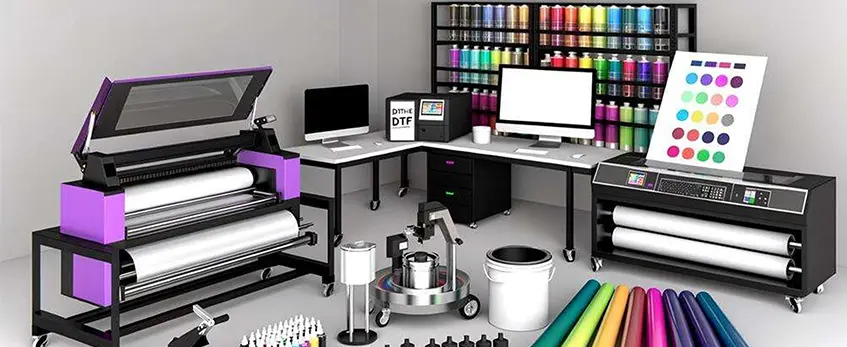
- DTF Printer: Special inkjet printers designed for printing DTF transfers.
- PET Films: Transparent sheets where the design is printed.
- Adhesive Powder: Binds the print to the fabric securely.
- Heat Press: Ensures strong transfer by applying heat and pressure.
Why DTF Is Ideal for Custom T-Shirts
- Works on all fabric types—cotton, polyester, or blends.
- Prints vibrant, full-color designs with sharp detail.
- No need for pre-treating shirts, saving time and cost.
- Perfect for small and on-demand orders.
- Offers durability and wash resistance, making prints last longer.
DTF shirt printing opens up affordable, high-quality options for beginners and businesses alike, letting you create custom t-shirts with ease and great results.
How DTF Printing Works on T-Shirts
DTF printing works great on a variety of shirt types — cotton, polyester, and blends all take the print well. Unlike some printing methods that struggle on synthetic fabrics, DTF uses a special white ink layer applied during the printing process. This white ink acts as a base, providing opacity that makes designs really pop on darker shirts or colored fabrics. Without it, colors can look washed out or faded.
For the best results with vibrant DTF colors and sharp details, you want to make sure the design is prepared with high resolution and that the printer applies an even layer of adhesive powder. This helps the print stick smoothly and maintain clarity. Also, paying attention to heat press settings during transfer ensures the ink cures properly, locking in those vivid colors and crisp lines. This method is perfect for full color t-shirt designs with fine details, no matter the fabric type.
If you’re new to DTF printing or want to optimize your setup, exploring tips on DTF printer setup can help you get sharper prints and more vibrant results every time.
Benefits of DTF Shirt Printing
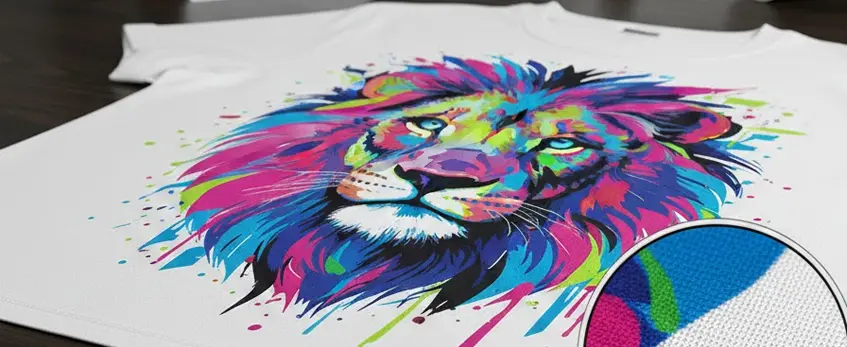
DTF shirt printing offers several advantages that make it perfect for custom t-shirt printing, especially in the U.S. market:
- Versatility Across Fabrics and Colors: Works great on cotton, polyester, and blends, with no fabric off-limits. You can print full-color designs on dark or light shirts without issues.
- No Pre-Treatment Needed: Unlike DTG, DTF doesn\’t require special pre-treatment, saving time and extra steps.
- Ideal for Small Orders and Complex Designs: Perfect for on-demand runs and detailed, vibrant full-color t-shirt designs without setup costs or minimums.
- Durability and Wash Resistance: Prints hold up well through washing, maintaining sharp colors and crisp details.
- Cost-Effective for On-Demand Printing: Low startup and material costs make it wallet-friendly for small businesses and hobbyists.
| Benefit | Why it Matters |
|---|---|
| Fabric & Color Flexibility | Print on almost any shirt type easily |
| No Pre-Treatment Required | Saves prep time and effort |
| Small Runs & Complex Prints | Low minimums, great for detailed art |
| Long-Lasting Durability | Prints resist fading and peeling |
| Cost-Effective Production | Ideal for startups and small batches |
For those interested in quality materials, exploring DTF transfer film options can help improve print durability and color vibrancy, making your custom t-shirt printing business stand out.
DTF vs. Other Printing Methods
When choosing the right custom t-shirt printing method, understanding how DTF compares to other options is key. Here’s a quick look at DTF versus DTG, screen printing, heat transfer vinyl (HTV), and sublimation.
| Printing Method | Fabric Compatibility | Feel on Shirt | Setup & Speed | Color & Design Capabilities | Best For |
|---|---|---|---|---|---|
| DTF (Direct-to-Film) | Cotton, polyester, blends | Soft to medium, flexible | Medium setup, fast for small runs | Full-color, vibrant, complex designs | Small to medium orders, on-demand printing |
| DTG (Direct-to-Garment) | Best on 100% cotton | Very soft, ink absorbed | Setup time longer, slower | Full-color, excellent details | High-quality cotton prints, low volume |
| Screen Printing | Any fabric | Slightly raised ink | Long setup, very fast in bulk | Limited colors per run, bold solids | Large volume orders, fewer colors |
| Heat Transfer Vinyl (HTV) | Mostly cotton and blends | Thicker feel, vinyl layer | Quick setup, manual weeding | Limited to solid colors, single-layer | Small runs, simple designs |
| Sublimation | 100% polyester only | Soft, ink infused | Moderate setup | Full-color but only on light polyester | Polyester products, all-over prints |
DTF vs. DTG
DTF printing shines when you need versatility across fabric types like cotton, polyester, and blends, while DTG usually works best on 100% cotton. DTF prints have a slightly thicker feel compared to DTG’s ultra-soft ink absorption but handle complex designs with ease. Setup time is faster for DTF on small runs, making it ideal for on-demand custom t-shirt printing.
DTF vs. Screen Printing
Compared to screen printing, DTF is much quicker for small orders because it doesn’t require the multi-step stencil process. Screen printing is great for high-volume jobs and solid colors but struggles with detailed, multicolor designs that DTF delivers easily.
DTF vs. Heat Transfer Vinyl & Sublimation
Heat Transfer Vinyl creates noticeable layers that give a thick texture, while DTF prints feel thinner and more flexible. Sublimation offers vibrant colors and a soft feel but only works on polyester and light fabrics. DTF stands out for printing on a wider variety of fabrics and colors, without the limitations of sublimation.
For a deep dive on why DTF might be easier to learn and use compared to vinyl transfers, check out this detailed guide on DTF vs. vinyl printing ease.
This comparison helps you pick the best method for your shirts, whether you’re customizing for personal use or running a business. DTF’s combination of vibrant colors, fabric versatility, and relative ease make it a solid front-runner in custom t-shirt printing today.
Common Myths About DTF Shirt Printing – Debunked
There are plenty of myths floating around about DTF shirt printing, so let’s clear them up:
Myth 1: Prints fade or peel quickly
DTF transfers actually offer strong wash resistance when printed and cured properly. The adhesive powder locks the design onto the fabric, making the prints durable through many washes without fading or peeling.
Myth 2: Only for cotton shirts
DTF works great on all fabric types—cotton, polyester, blends—you name it. Thanks to the white ink layer, it looks vibrant even on dark or synthetic materials, making it much more versatile than many think.
Myth 3: Prints feel thick and plastic-like
When done right, DTF prints have a soft hand feel. Using quality films, powders, and proper heat press settings avoids that heavy, plastic texture some expect. The transfer is actually flexible and breathable.
Myth 4: More expensive than alternatives
DTF can be cost-effective, especially for small batches or full-color, complex designs. It doesn’t require pre-treatment like some other methods, reducing setup costs and waste, which saves money in the long run.
Myth 5: Complicated and requires expert skills
Modern DTF printers and heat presses make the process fairly straightforward. Beginners can get great results by following the right steps and using trusted products, like those from Jinlong Prints.
Myth 6: Not eco-friendly or sustainable
While DTF does use films and powders, advancements are making the process greener, with less water waste compared to traditional printing. Plus, the longer-lasting prints mean fewer replacements, reducing overall impact.
Understanding the truth behind these myths helps you see why DTF shirt printing is gaining ground as a reliable option for custom t-shirt printing across the U.S.
Common Mistakes in DTF Shirt Printing and How to Avoid Them
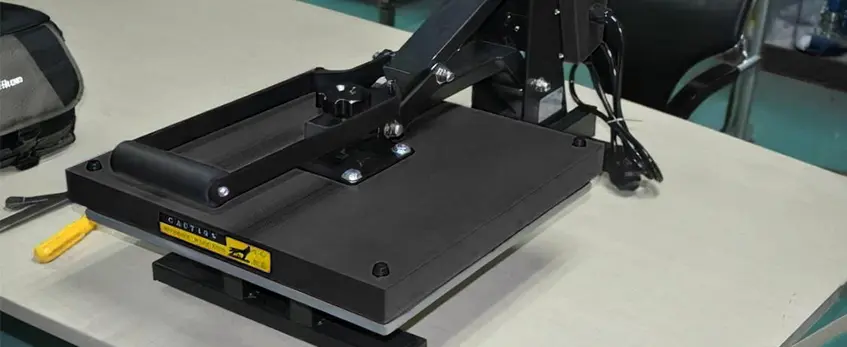
DTF shirt printing is straightforward, but some common mistakes can mess up your prints. Here’s what to watch out for and how to fix it:
Incorrect heat press settings: Using the wrong temperature, time, or pressure can lead to poor adhesion or print damage. Stick to recommended settings—usually around 320–340°F for 15-20 seconds with medium pressure—and adjust based on your specific materials.
Poor adhesive powder application or uneven curing: Too little or unevenly spread powder causes parts of the print to peel off. Make sure to apply a consistent layer of adhesive powder and cure it evenly for lasting results.
Using low-quality films, inks, or powders: Cheap supplies can lead to dull colors, cracking, or transfers that don’t stick well. Invest in quality PET films, vibrant inks, and reliable adhesive powders like those recommended in this best DTF powder guide.
Skipping garment pre-pressing or improper peeling: Pre-pressing removes moisture and wrinkles to help the transfer bond better. Also, peeling the transfer at the wrong temperature (hot vs. cold peel) can cause cracks or lifts. Follow your material’s guidelines carefully.
Over- or under-applying white ink: The white ink layer is key for opacity and vibrant colors, especially on dark shirts. Too much white ink can feel heavy, while too little dulls the image. Calibrate your DTF printer setup to get this balance right.
Ignoring printer maintenance: Regular cleaning and maintenance prevent clogs and inconsistent prints. Don’t skip printhead cleaning or ink checks to keep colors sharp.
Rushing without test prints: Skipping test prints wastes time and materials. Always run tests to fine-tune print quality, color vibrancy, and heat press settings before doing the final run.
Pro tips for troubleshooting cracking and adhesion:
- Adjust heat press time slightly if prints crack after washing.
- Use heat-resistant tape to secure transfers during pressing.
- Let shirts cool completely before peeling to avoid lifting edges.
Avoiding these beginner DTF mistakes will help you create crisp, colorful, and durable custom t-shirt prints every time. For more detailed help on printer settings and best practices, check out this guide on what is DTF printing.
Best Practices for Successful DTF Prints
To get the most out of your DTF shirt printing, the first step is choosing quality supplies. Using trusted brands like Jinlong DTF products ensures reliable films, powders, and inks that deliver consistent, vibrant prints. Low-quality materials often lead to peeling, fading, or poor adhesion, so investing in the right supplies pays off.
When it comes to your design, keep these tips in mind for optimal results:
- Use high-resolution artwork—at least 300 DPI—to maintain sharp details.
- Choose vibrant, full-color designs that take advantage of DTF’s ability to reproduce bright colors.
- Size your designs appropriately for your shirt type and transfer area.
Caring for your prints is just as important. To maintain washable DTF prints and color vibrancy over time:
- Wash shirts inside out using cold water.
- Avoid harsh detergents and fabric softeners.
- Tumble dry on low or hang dry for best durability.
Finally, whether you’re just starting or scaling up from hobby to business, plan your workflow carefully. Test your printer setup, heat press settings, and transfer times regularly to keep quality consistent. For a deeper dive into films and powders, you can visit this detailed guide on film transfer paper for custom printing.
Following these best practices will make sure your DTF prints look great, last long, and help you build a successful custom t-shirt business.


 English
  Español
  Deutsch
  Français