


What Is DTF Shirt Printing Benefits Process and Brand Fit Guide
What Is DTF Shirt Printing?
DTF shirt printing, or Direct-to-Film printing, is a hybrid digital transfer method that’s gaining popularity for custom t-shirt printing. Unlike traditional printing techniques, DTF uses a special PET film as the base for the design. The process involves printing your artwork—complete with a white ink underbase—directly onto this clear film using specialized inkjet printers and inks formulated for DTF.
After printing, an adhesive powder is applied to the wet ink, which is then cured to create a sticky surface. Finally, the printed film is heat pressed onto the garment, permanently transferring the vibrant design. This combination of film, ink, adhesive powder, and heat press is what makes DTF unique.
It’s called Direct-to-Film because the image is first printed onto the film, instead of directly onto the garment (like DTG printing). This allows for sharp details and full-color vibrancy on a wide range of fabrics, making it a versatile and reliable option for brands looking for durable and eye-catching prints.
How Does the DTF Printing Process Work Step by Step?
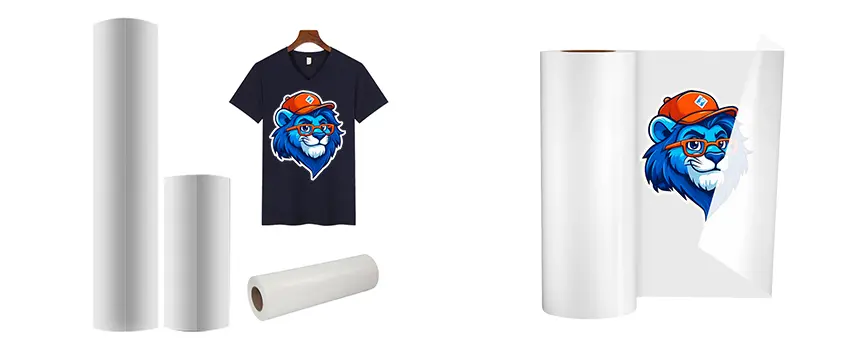
DTF shirt printing starts with preparing your design digitally. Once ready, the design is printed onto a PET film using specialized inks, including a crucial white ink underbase. The white layer ensures vibrant colors, especially on dark fabrics, by preventing colors from fading or blending with the shirt’s color.
Next, hot-melt adhesive powder is evenly applied over the wet ink on the film. This powder sticks to the ink and, once cured using heat, creates a strong bond that allows the print to transfer cleanly onto the fabric.
After curing, the film with the design and adhesive powder is heat pressed onto the garment. You can use either hot peel or cold peel methods depending on the fabric and design type. This step ensures the design adheres firmly, producing a vibrant, detailed print that’s ready to wear right away.
For the best results, I recommend using Jinlong DTF materials. Their specially formulated inks and adhesive powders provide consistent, professional-grade prints with excellent durability. Using the right powder application and pressing parameters helps avoid common issues like peeling or cracking. For more detailed advice on optimizing your prints with these supplies, check out the comprehensive tips on the best DTF powder for beginners and how to boost your workflow with Jinlong’s printer, shaker, and oven.
This straightforward process is why DTF transfers for t-shirts are gaining popularity for producing sharp, durable, and colorful apparel prints.
Key Advantages of DTF Shirt Printing for Brands
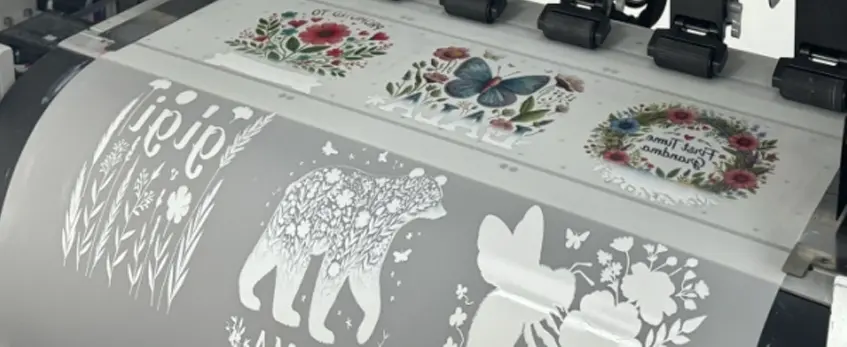
DTF shirt printing offers impressive versatility, working seamlessly on a wide range of fabrics like cotton, polyester, blends, fleece, nylon, and more. This makes it a top choice for brands that want flexibility in their apparel lines without limiting fabric options.
One of the biggest perks is the vibrant full-color prints with sharp, detailed designs that pop—especially on dark fabrics—without experiencing fibrillation or color fading. That vibrant look stays true even after multiple washes.
DTF printing shines for small-batch and on-demand production too, since it has no minimum order quantities. This is perfect for startups, smaller brands, or personalized orders where large runs just don’t make sense.
Durability is another major advantage. Prints withstand over 50 washes while maintaining stretch and resisting cracking, so your customers get long-lasting quality.
Finally, DTF printing is cost-effective for mid-volume runs compared to traditional methods, striking a nice balance between quality and budgeting. For brands looking to scale without massive upfront costs, DTF offers a great solution.
For consistently vibrant prints and reliable adhesive application, many brands trust specialty materials like the TPU hot-melt adhesive powder to enhance durability and finish.
Potential Disadvantages and Limitations of DTF Shirt Printing
While DTF shirt printing offers great benefits, it’s important to know its limitations before choosing it for your brand. One common drawback is the slightly textured or plasticky hand feel, especially noticeable on large solid color areas. This can feel different compared to softer printing methods and might not appeal to those looking for ultra-soft finishes.
DTF transfers also aren’t the best fit for oversized solid prints. Large, solid designs may crack or wrinkle over time due to the nature of the transfer and stretching during wear. This means careful design planning is needed to avoid problems with durability on big color blocks.
Quality control plays a crucial role in producing consistent results. The application of the hot-melt adhesive powder and the heat pressing step must be precise. Uneven powder coating or incorrect pressing temperature and pressure can lead to poor adhesion, less vibrant prints, or peeling during washing.
For brands considering in-house DTF printing, be prepared for a learning curve and initial setup costs. Mastering the process—from preparing designs to managing equipment like the printer and heat press—requires time and practice. However, with reliable resources, such as the complete beginner’s guide to DTF shirt printing, you can speed up your learning and avoid common pitfalls.
Understanding these downsides helps you weigh if DTF printing aligns with your brand’s needs and quality expectations.
DTF vs Other Popular T-Shirt Printing Methods
When deciding on the best custom t-shirt printing method for your brand, understanding how DTF compares to other options like DTG, screen printing, sublimation, and HTV can help you choose the right fit.
| Printing Method | Fabric Compatibility | Color & Detail Quality | Feel & Durability | Best for |
|---|---|---|---|---|
| DTF Printing | Cotton, polyester, blends, nylon | Vibrant full-color prints with sharp detail, great on dark fabrics | Slightly textured feel, very durable (50+ washes) | Small to mid-volume, multi-color designs, mixed fabrics |
| DTG Printing | Mostly cotton or high-cotton blends | Excellent color vibrancy and soft hand feel on cotton | Softer prints but less durable on polyester | Complex, colorful designs on cotton with soft hand feel |
| Screen Printing | Works well on most fabrics, best on cotton | High opacity for single colors, sharp and long-lasting | Very soft on large, single-color runs; tough to replicate multi-color gradients | High-volume orders, simple or limited-color designs |
| Sublimation Printing | Polyester and polyester-coated fabrics only | Vivid colors, all-over prints, permanent dye infusion | Very soft print feel, no cracking, but limited to light polyester | All-over designs on polyester garments |
| HTV (Heat Transfer Vinyl) | Most fabrics, but requires weeding of designs | Solid color layers, limited color gradients | Thick, plasticky feel; prone to peeling | Simple logos, numbers, or designs in small runs |
Key Takeaways:
- DTF vs DTG: DTF covers a wider fabric range, including polyester and blends, with equally vibrant prints but a slightly textured feel. DTG shines on soft, 100% cotton with a smooth touch.
- DTF vs Screen Printing: DTF offers quicker setups and unlimited color options without screens but can’t match screen printing’s soft hand and durability on simple, large solid color runs.
- DTF vs Sublimation & HTV: DTF works on more fabrics than sublimation (which requires polyester) and doesn’t need weeding like HTV, making it more versatile for colorful and detailed designs.
Overall, your choice depends on your typical order size, fabric preference, design complexity, and desired print feel. For brands aiming to produce durable, vibrant DTF transfers for t-shirts across various materials, DTF provides a flexible, cost-effective middle ground between these popular printing methods. For a deeper dive into how DTF compares to heat transfer and other technology updates, check out the latest insights on DTF vs heat transfer printing in 2026.
Is DTF Shirt Printing Right for Your Brand? Decision Framework

DTF shirt printing is a smart choice for many brands, but it’s not one-size-fits-all. Here’s how to decide if it fits your business needs:
Ideal Scenarios for DTF Printing
- Small to medium-sized brands or startups needing flexible production.
- Print-on-demand (POD) businesses wanting vibrant, full-color designs.
- Complex or colorful artwork with intricate details works great on DTF transfers for t-shirts.
- Brands working with mixed fabric types like cotton, polyester, blends, or nylon.
- When you need quick turnarounds without minimum order limits.
When DTF Might Be Less Suitable
- If your priority is ultra-premium softness, such as for high-end boutique apparel, the slightly textured feel from DTF may not match your expectations.
- For massive bulk orders of large single-color prints, traditional screen printing still offers better cost-efficiency and softness.
- If you require a smooth, texture-free print surface, DTF’s finish might feel plasticky, especially on big solid areas, which some customers may not like.
Key Factors to Consider
- Production volume: DTF excels in small to mid-volume runs without extra setup costs.
- Fabric types: Works well on a variety of fabrics, including polyester and blends—check compatibility for your main materials.
- Design complexity: Full-color and highly detailed designs benefit from DTF’s vibrant output.
- Budget: DTF offers cost-effective production without minimum orders, but initial equipment investment applies if producing in-house.
- Growth plans: As your brand scales, consider whether DTF’s flexibility or other printing methods suit your evolving needs better.
For consistent, professional-grade results, Jinlong DTF materials and supplies provide dependable quality, color accuracy, and workflow support that many U.S. clothing brands rely on to grow confidently.
To improve print quality and workflow, explore how a DTF printer, shaker, and oven can elevate your production process. This insight helps clarify whether investing in in-house DTF printing matches your business strategy.
Getting Started with DTF Printing in 2026
Starting with DTF shirt printing in 2026 is easier than ever, but having the right gear is key. You’ll need a quality DTF printer, a shaker to keep your adhesive powder evenly spread, and a reliable heat press for transferring designs. If investing in equipment isn’t ideal yet, many brands choose to outsource their DTF transfers to trusted suppliers. For high-quality results, be sure your design files use crisp colors and proper resolution, and prep your fabrics by washing and drying them beforehand.
When it comes to wash care, follow the recommended guidelines to keep those vibrant DTF designs looking fresh after 50+ washes. New trends now favor softer inks and adhesive powders that reduce that plasticky feel, as well as eco-friendlier materials and automation that speeds up production with consistent quality.
Choosing Jinlong DTF means you get trusted reliability with professional-grade materials that help your brand stand out. Their DTF transfer films and powders are designed to deliver sharp, durable prints and straightforward application, making them ideal for US-based brands looking to expand their custom t-shirt printing methods smoothly and efficiently.


 English
  Español
  Deutsch
  Français