


What Is DTF Shirt Printing A Beginner’s Guide to Direct to Film
What Is DTF Shirt Printing?
DTF shirt printing stands for Direct-to-Film printing, a modern and flexible method for creating vibrant custom t-shirt designs. Simply put, instead of printing directly onto the fabric, the image is first printed onto a special PET film. This printed film then serves as a transfer that gets heat-pressed onto the shirt, bonding the design to the fabric with lasting durability.
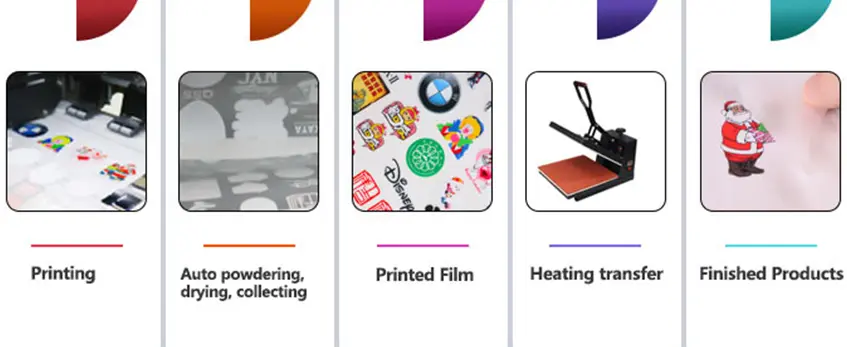
How does it work? The process starts by printing your artwork using DTF inks onto the film, including a white ink layer to make colors pop on any shirt color. After printing, a hot-melt adhesive powder is applied to the film’s printed side. This powder melts during heat pressing, making the design stick firmly to your shirt.
DTF printing has quickly gained popularity in the custom apparel industry, especially as a versatile alternative to traditional methods like screen printing and direct-to-garment (DTG) printing. Its rise comes from offering vibrant fabric transfers on a wide range of materials—including cotton, polyester, and blends—without needing pretreatment. For beginners and professionals alike, DTF provides an affordable, high-quality way to create durable custom prints with excellent wash fastness and fine details.
Whether you’re starting a small custom t-shirt business or looking for a fresh way to personalize apparel, understanding DTF printing gives you an edge in today’s on-demand apparel printing market.
How DTF Printing Works: Step-by-Step Process
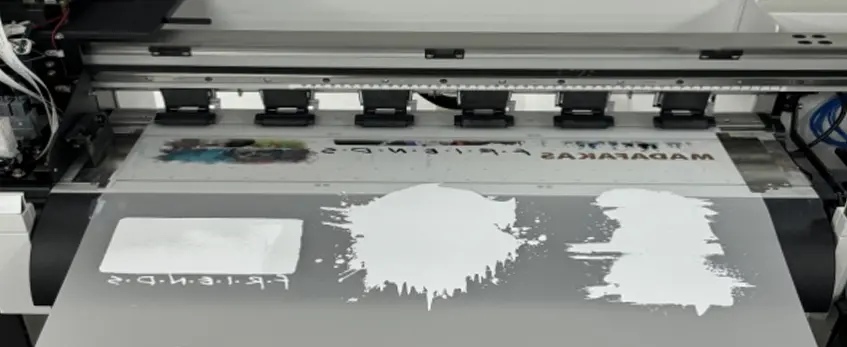
Getting started with DTF shirt printing involves a clear process that anyone can follow. First, design preparation is key. Use graphic software like Adobe Illustrator or Photoshop, saving your file in high-resolution formats such as PNG with a transparent background. Aim for at least 300 DPI to ensure sharp details and vibrant colors in your print.
Next, the design is printed directly onto a PET film. This involves layering colors along with a white ink base, which makes the design pop on any fabric color. The white ink acts as a foundation for vibrant fabric transfers, especially on darker shirts.
After printing, a hot-melt adhesive powder is evenly applied to the wet ink on the film. This powder plays a crucial role, helping the design bond to the fabric during the heat press stage. To solidify the adhesive, the film is cured using an oven or heat press, carefully controlling the temperature to avoid warping or damage. You can find detailed advice on preventing film warping from heat curing procedures in resources like this guide on how to cure DTF powder without warping.
Once cured, the DTF transfer is heat pressed onto the shirt. The heat and pressure activate the adhesive powder, bonding your design securely to the fabric. After pressing, peeling the film off can be done as a hot peel or cold peel, depending on the ink and powder curing. A final pressing step usually helps improve durability and wash fastness of the print.
This step-by-step method makes DTF printing a versatile and durable option for custom t-shirt printing, whether for personal projects or on-demand apparel businesses.
Equipment and Supplies Needed to Start DTF Printing
To get started with DTF shirt printing, you’ll need a few essential tools: a reliable DTF printer, a heat press, PET films, specialized DTF inks, and hot melt powder. These basics form the core of any direct to film printing setup and are key to producing vibrant, durable custom t-shirt prints.
For those on a budget, entry-level DTF printer kits offer a decent starting point without breaking the bank. If you’re aiming for higher volume or professional quality, investing in premium kits—like those from jinlong DTF—can improve print consistency and speed. These come with better printer build quality and superior ink and powder compatibility.
Optional add-ons can streamline your workflow and enhance results. Consider purchasing powder shakers for even powder distribution, curing ovens for consistent powder melting, and RIP software to optimize your file output and color management. These extras matter more as you scale your operation.
Budget-wise, a home setup generally stays under $2,000 with entry-level gear, while small businesses may spend $5,000 or more to cover professional printers and heat presses. Balancing cost and quality is crucial—choosing the right equipment will set the foundation for your DTF printing success.
For a detailed look at the best starter kits and how professional-grade equipment works, check out the insightful guide on the structure and working principle of DTF printers.
Advantages of DTF Printing for T-Shirts
DTF shirt printing offers some solid perks that make it stand out for custom t-shirt printing. One big advantage is how vibrant the colors come out — even on dark or colored fabrics. The fine details in your design stay sharp, which means your prints look professional every time.
Another plus is its wide compatibility. Whether you’re printing on cotton, polyester, or fabric blends, DTF works great without the hassle of pretreatment. This saves time and cuts down on prep work compared to other methods.
Durability is another key benefit. DTF prints hold up well through multiple washes without fading or cracking, so your custom designs last longer. This makes them perfect for customers who want lasting quality.
Finally, DTF shines for small runs and on-demand apparel printing. You don’t need big setups or lots of inventory, which is ideal if you’re just starting or handling custom orders. It offers flexibility with great results and a relatively low cost to get started.
If you want to dive deeper into tools that enhance print durability and quality, check out our detailed guide on how DTF ink is revolutionizing the textile printing industry.
DTF vs. Other Printing Methods
When deciding on a custom t-shirt printing method, it helps to know how DTF compares to other popular options.
DTF vs. DTG
DTF (Direct to Film) offers great flexibility on fabric types—cotton, polyester, blends, and more—whereas DTG (Direct to Garment) works best mainly on cotton. DTF prints tend to have a slightly thicker feel due to the adhesive layer, but they’re very durable and vibrant on any fabric color. DTG prints usually feel softer but may lose detail or color vibrancy on dark fabrics. Cost-wise, DTF setups can be more affordable upfront, especially for small runs, and tend to handle speed better since you print transfers that can be pressed later. DTG printers often require pretreatment and careful fabric matching, which can slow down production.
DTF vs. Screen Printing
Screen printing remains the go-to for large volume runs with simple color schemes. It requires longer setup time and higher costs for multiple colors but produces durable, high-quality prints. DTF shines in on-demand printing or small batches with complex, multi-color designs because setup is minimal, and color detail is sharper. Screen printing isn’t practical for quickly customizing individual shirts, whereas DTF does it fast and flexibly without compromising detail.
DTF vs. Vinyl/HTV
Heat Transfer Vinyl (HTV) is another popular method for custom apparel but has limits on design complexity and color blending. DTF printing allows smoother gradients, photo-quality prints, and larger color palettes. HTV tends to be easier for simple logos and lettering but less versatile for detailed artwork. DTF lets users create flexible, vibrant transfers with fewer restrictions.
When to Choose DTF
Choose DTF printing if you want:
- Highly detailed, vibrant prints on any fabric type and color
- Quick turnaround for small batches or on-demand orders
- No need for fabric pretreatment
- Durable, wash-resistant custom shirts
For beginners or small businesses exploring custom t-shirt printing, DTF provides a balanced mix of professional-quality results, cost-effectiveness, and versatility. For more help picking the right setup for your needs, check out our detailed DTF vs. vinyl comparison guide.
Common Mistakes Beginners Make and How to Avoid Them
Starting with DTF shirt printing can be exciting, but beginners often run into a few common problems. Here’s what trips up many first-timers and how to dodge these pitfalls:
Incorrect Temperature and Pressure Settings: Setting the heat press too hot or too cold, or applying too much or too little pressure, can ruin your print. Too much heat might cause the colors to fade or the film to warp, while too little won’t properly transfer the ink. Always follow your specific printer and heat press guidelines, and run test prints before a big batch.
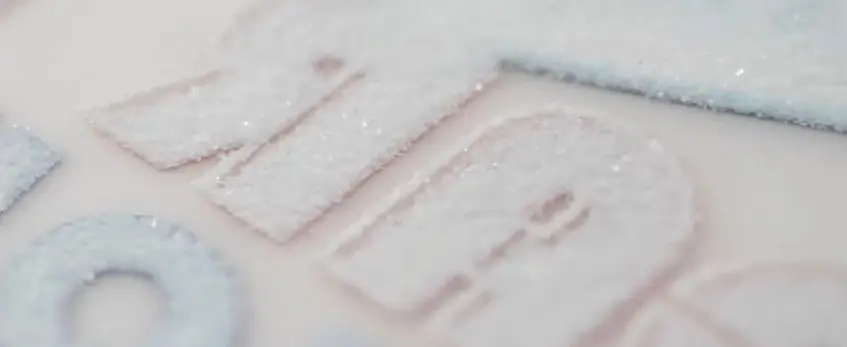
Poor Powder Application or Curing: The hot melt powder is crucial for the transfer’s durability. Applying too little powder causes weak bonding, and too much makes the print stiff or flaky. Also, not curing the powder properly in an oven or curing device leads to peeling or cracking. Use even powder coatings and cure according to recommended times and temperatures for the best results.
Design File Errors Causing Faded Prints: Using low-resolution images or improper file formats can result in dull or blurry prints. Make sure your designs are high resolution (300 DPI or higher) and saved in compatible formats like PNG with transparent backgrounds. Check your design colors before printing, as incorrect color profiles can also affect vibrancy.
Maintenance Issues with Printers and Inks: Neglecting printer upkeep causes clogged nozzles and inconsistent ink flow, leading to poor-quality prints. Regular cleaning, using quality DTF inks, and monitoring ink levels prevent these problems. For tips on printer care and how to spot ink issues even when your DTF printer says it’s full, check detailed guides like this one on how to tell if your DTF printer is out of ink.
Avoiding these common issues sets you up for vibrant, long-lasting DTF transfers that shine on any t-shirt fabric.
Tips for Best Results and Long-Lasting Prints
Getting vibrant, durable custom prints with DTF shirt printing starts with smart fabric choices and proper prep. Always pick fabrics like cotton, polyester, or blends that work well with DTF transfers. Before heat pressing, pre-press the shirt for a few seconds to remove wrinkles and moisture—this helps the transfer stick better and last longer.
When it comes to washing, advise customers to turn their shirts inside out and use cold water with mild detergent. Avoid bleach, fabric softeners, and high heat in the dryer since these can break down the print’s durability over time. Air drying or low-heat tumble drying extends the life of your design.
If you’re moving past hobby level, proper storage and ordering transfers in bulk can save time and keep supplies fresh. Store your PET film transfers and hot melt powder in cool, dry places to maintain quality.
Also, consider eco-friendly DTF inks and powders to reduce environmental impact without sacrificing color vibrancy or wash fastness. For consistent results, high-quality supplies like Jinlong’s DTF ink and transfer films can make a big difference in your prints’ lifespan and appearance.
Getting Started with DTF: Options for Beginners
If you’re new to DTF shirt printing, there are easy ways to start, whether you want a DIY setup or prefer ordering ready-to-use transfers.
DIY Setup Guide
Starting your own DTF printing at home or for a small business involves a few key things:
| Step | What You Need | Tips |
|---|---|---|
| DTF Printer Setup | DTF printer, PET film, DTF inks | Choose models with good reviews for beginners |
| Adhesive Powder | Hot-melt powder for bonding | Use powder shakers for even coating |
| Heat Press | T-shirt heat press for transfers | Ensure temperature and pressure accuracy |
| Curing Oven | Optional but recommended | Helps cure powder evenly for durable prints |
You’ll also need design software that supports high-res files and formats like PNG or TIFF. This helps get crisp, vibrant results on your transfers.
Ordering Pre-Made DTF Transfers
Not ready to buy the equipment? Many shops sell pre-made DTF transfers you can heat press on your shirts at home or in a small studio. This is great for beginners who want to test the waters without a big upfront investment.
Recommended Resources and Suppliers
To keep your prints consistent and high-quality, consider reliable suppliers like Jinlong DTF supplies, which offer top-grade PET films, hot-melt adhesive powder, and inks designed for durability and vibrant colors. They also provide beginner-friendly guides and support.
Communities and Learning
Joining online DTF forums and social media groups can save you headaches. Experienced hobbyists and pros share tips on printer setup, troubleshooting, and finishing techniques—which is perfect for beginners.
Getting started with DTF printing is more accessible than ever. Whether you go full DIY or order transfers to heat press, you can create vibrant, durable custom t-shirts with ease. Explore best DTF films for beginners to choose the right materials and ensure long-lasting results.


 English
  Español
  Deutsch
  Français