


What Is DTF Printing on Shirts A Beginner’s Guide with FAQs
If you’ve ever wondered what is DTF printing on shirts and whether it’s the right method for your custom apparel projects, you’re not alone. This modern technique—Direct-to-Film printing—has been shaking up the t-shirt game by making vibrant, durable designs easy and affordable, especially for beginners and small businesses. In this beginners’ guide, you’ll get clear answers to the most common questions about DTF printing, learn how it works, and discover why brands like jinlong DTF are trusted partners for high-quality transfers that work on all kinds of fabrics. Ready to unlock the secrets behind flawless, colorful shirts without the hassle of traditional printing? Let’s dive in.
What Exactly Is DTF Printing?
DTF printing stands for Direct-to-Film printing, a modern and versatile method for creating custom shirt designs. Unlike traditional garment printing that applies ink directly onto fabric, DTF printing first prints your artwork onto a special PET film. This printed film is then coated with an adhesive powder, cured, and transferred onto the shirt using a heat press.
What sets DTF apart is its ability to deliver vibrant, full-color prints on a wide variety of fabrics — from 100% cotton and polyester to blends and even non-traditional materials. This flexibility makes DTF printing a popular choice for custom t-shirt printing, especially when you want sharp, durable images on both light and dark garments.
In short, DTF transfers for t-shirts provide high-quality prints without the limitations commonly seen in screen printing or direct-to-garment (DTG) methods. It’s especially suitable for beginners starting with small batch custom apparel printing because it handles multiple fabric types reliably and offers excellent wash durability. With quality products like jinlong DTF inks and films, you can achieve professional-level results without heavy investment or complex setups.
How Does the DTF Printing Process Work on Shirts? (Step-by-Step Breakdown)
DTF printing on shirts starts with design and artwork preparation. Use high-resolution files (300 DPI is ideal), mirror your design since it prints backward on the film, and save in a CMYK color format to get the best color output. Once ready, print the design with CMYK and white ink layers on DTF film using a specialized DTF printer.
Next, apply adhesive powder evenly over the fresh print. This powder sticks to the wet ink and fuses during curing. Cure the powder by passing the film through a heat tunnel or using a curing oven until the powder melts and firmly bonds with the ink.
After curing, it’s time for cutting and weeding—remove any excess film around the design. For efficiency, many use gang sheeting, printing multiple designs on one film sheet to save time and materials, especially useful when batch printing.
The transfer is then applied to the shirt with a heat press. Ideal heat press settings vary, but generally, 320°F (160°C) at 15 seconds with firm pressure works well for cotton or polyester shirts. After pressing, peel the carrier film either hot or cold depending on your adhesive and ink combination—check jinlong DTF product recommendations here for best results.
Post-press care includes pressing the shirt again (a quick press without the film) to ensure strong adhesion and durability. Using jinlong’s DTF supplies—like their high-quality adhesive powder and inks—can make this process smoother and improve your transfer results significantly.
For a full guide on DTF printing equipment and supplies, check out jinlongprints.com’s resources on DTF printers for custom apparel printing and high-quality 13-inch DTF printers that deliver excellent transfers.
DTF vs. Other Popular Shirt Printing Methods
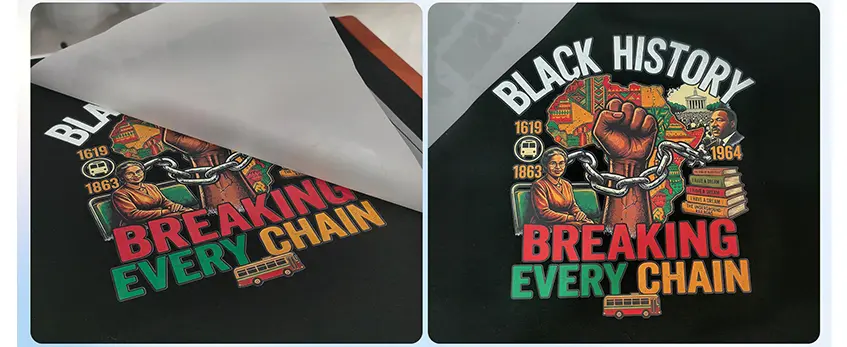
When deciding on custom t-shirt printing methods, understanding how DTF printing stacks up against DTG, screen printing, and sublimation is key. Each has its strengths, limits, and fabric fits.
| Method | Advantages | Limitations | Best Use Cases | Fabric Compatibility |
|---|---|---|---|---|
| DTF Printing | – Vibrant, full-color prints on light & dark shirts |
- Soft hand feel
- Works on cotton, polyester, blends, even non-traditional fabrics
- No minimum order size
- Great for small batch printing | – Initial setup cost can be high
- Requires heat press and adhesive powder handling
| – Slight learning curve | Custom designs, small to medium runs, multi-fabric orders | Cotton, polyester, blends, nylon, leather |
| — | — | — |
| DTG (Direct-to-Garment) | – Excellent for detailed, photographic prints | - Soft prints, no peeling
- Quick turnaround for small runs | – Best on 100% cotton or high-cotton blends
- Not ideal for dark fabrics without pretreatment
| – Higher ink and maintenance costs | Small batch, cotton shirts, complex designs | Mainly 100% cotton or high cotton blends |
| — | — | — |
| Screen Printing | – Cost-effective for large orders | - Very durable and vibrant on dark & light fabrics
- Wide color options & effects | – Not great for small runs or multicolor photo prints
- Setup time and costs high
| – Less flexibility with complicated designs | Bulk printing, logos, fewer colors | Mostly cotton, polyester, blends |
| — | — | — |
| Sublimation | – Designs fully infused into fabric, no feel of print | - Long-lasting and vibrant on polyester
- Great for all-over prints | – Only works on white or light polyester
| – Not suitable for cotton or dark colors | Polyester activewear, sportswear, light-colored apparel | 100% polyester or polymer-coated fabrics |
Quick Take:
DTF printing shines for its multi-fabric use and smooth, durable transfers on both dark and light shirts. Compared to DTG, it handles dark fabrics better without pretreatment. While screen printing beats DTF on large volume cost and durability, DTF’s flexibility wins for small businesses and custom jobs. Sublimation is perfect if you\’re working strictly with polyester and want all-over vibrant designs.
If you’re starting out or want versatile custom t-shirt printing, paired with quality supplies like Jinlong DTF products, DTF offers a great balance of vividness, fabric compatibility, and efficiency.
Benefits of DTF Printing for Custom Shirts
DTF printing offers bright, full-color designs on both light and dark fabrics, making it versatile for any style. The prints feel soft to the touch, unlike heavy or plastic-like finishes some methods leave. Plus, they hold up well through washes, keeping colors vivid and designs intact.
Here’s why DTF printing stands out for custom shirts:
| Benefit | Description |
|---|---|
| Vibrant Full-Color Prints | Sharp and detailed colors on various fabric colors |
| Soft Hand Feel | Lightweight prints that don’t stiffen the shirt |
| Durable Wash Performance | Resists cracking and fading through multiple washes |
| No Minimum Orders | Ideal for small or one-off custom runs |
| Works on Many Fabrics | Great on cotton, polyester, blends, and even non-traditional materials |
| Cost-Effective for Beginners | Lower startup costs compared to screen printing |
| Enhanced by jinlong DTF Products | Reliable inks, adhesive powders, and films improve print quality and longevity |
Using quality supplies like jinlong DTF inks and films helps unlock the full potential of DTF printing. These products improve print sharpness and durability, ideal for anyone serious about custom t-shirt printing.
For those new to the process, check out the DTF kit for beginners with jinlong products to get started without hassle.
Potential Drawbacks and How to Overcome Them
DTF printing on shirts is fantastic, but it does come with some common challenges that beginners should know about.
- Initial Equipment Cost: Setting up a quality DTF printer, heat press, and buying special inks and PET film can be pricey. To
Essential Equipment and Supplies for Getting Started with DTF on Shirts
Starting with DTF printing on shirts requires a few key tools to get professional results. Here’s a list of must-have equipment and supplies:
- DTF printer: This is the heart of the process. Look for reliable printers designed specifically for DTF printing, like the high-quality options from jinlong DTF that deliver vibrant, durable prints.
- Special DTF inks: You’ll need CMYK plus white inks that are formulated for use on PET film.
- PET film: This special film acts as the transfer medium. Choosing the right DTF film ensures crisp prints and easy peeling.
- DTF adhesive powder: This powder is applied and cured on the printed film, helping the design stick to the fabric permanently.
- Heat press: A good heat press with adjustable temperature and pressure settings is essential for applying DTF transfers on shirts effectively.
- Curing equipment: Depending on your workflow, additional curing tools like ovens or curing tunnels improve powder adhesion.
- Design software: Programs like Adobe Illustrator or Photoshop help create and prepare your artwork correctly.
For beginners, budget-friendly starter kits combining printer, inks, film, and adhesive powder can simplify your entry into DTF printing. Investing in proven products like jinlong DTF supplies can save headaches later, ensuring print quality and equipment reliability.
If you want to explore options and choose a reliable setup, check out guides on selecting the best DTF printer for shirts and hoodies and the right DTF paper for inkjet printers to match your printer and needs.
Step-by-Step Guide to Applying DTF Transfers on Shirts
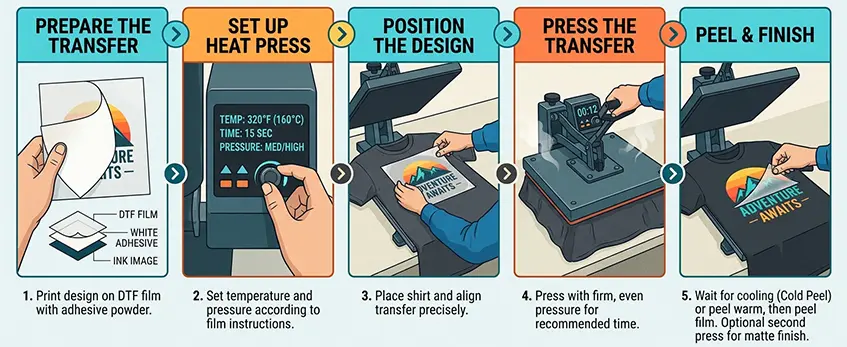
Applying DTF transfers on shirts is straightforward if you follow the right steps, especially with the right heat press settings and shirt prep. Here’s a simple guide to get you started:
1. Shirt Preparation
- Use clean, wrinkle-free garments for the best results.
- Pre-press shirts for 5–10 seconds at 300°F (149°C) to remove moisture and wrinkles.
- Focus on cotton, polyester, or blends—DTF works great on all these fabrics.
2. Transfer Placement
- Position the DTF transfer film on the shirt with the printed side down.
- Use heat-resistant tape if needed to keep the transfer in place, especially for multi-layer designs.
3. Heat Press Settings
- Set your heat press to 330-350°F (165-177°C).
- Apply firm pressure for 15-20 seconds—adjust based on your equipment and fabric.
- Avoid longer pressing times to prevent scorching or print damage.
4. Peeling the Film
- Peel the film while it’s warm for a smooth finish (warm peel).
- In some cases, especially with thicker designs, a cold peel might work better—test both to see what your setup prefers.
5. Multi-Layer Applications
- When layering multiple transfers, press each layer separately with lower pressure to avoid overly thick prints.
- Allow prints to cool slightly between layers to prevent distortion.
6. Finishing Touches and Safety
- After peeling, press the shirt again for 5 seconds with a polyester cover sheet to cure the print.
- Work in a well-ventilated area when handling DTF adhesive powder and heat pressing.
- Wear heat-resistant gloves if needed, especially during peeling and pressing.
7. Troubleshooting Common Issues
- Cracking prints: Usually caused by over-stretching fabric or insufficient curing. Adjust heat press time and allow adequate curing time.
- Poor adhesion: Check that adhesive powder is applied evenly and properly melted. Also, ensure you start with a clean, pre-pressed shirt.
For quality results, using reliable materials like jinlong DTF transfer films and high-grade adhesive powders is key. These supplies help ensure strong adhesion and vibrant prints without frequent reprints or peeling issues.
Following this step-by-step guide will help you create vibrant, durable, and professional-looking DTF transfers on shirts every time.
Durability, Care Instructions, and Real-World Performance of DTF Shirts
DTF printing on shirts is known for producing durable DTF shirt prints that hold up well over time. You can expect your print to last through many washes if you follow the right care instructions. Typically, DTF prints maintain their color vibrancy and softness for 30 to 50 wash cycles, depending on how well you care for the garment and the quality of the inks and adhesives used.
To maximize the life of your custom DTF transfers for t-shirts, keep these tips in mind:
- Wash inside out to protect the print from friction.
- Use cold water to reduce fading and prevent damage to the adhesive powder and inks.
- Avoid bleach and strong detergents, which can degrade the print’s durability.
- Opt for gentle cycles and avoid fabric softeners that can break down the print layers.
- Air dry or tumble dry on low heat to prevent cracking or peeling.
Following these steps preserves the soft hand feel and bright colors typical of DTF printing, whether on cotton, polyester, or blends. The use of quality materials like those recommended in jinlong DTF products also plays a big role in real-world performance and wash resistance.
By sticking to these best washing practices, you’ll keep your DTF-printed shirts looking fresh and vibrant much longer than many other printing methods.
Common FAQs About DTF Printing on Shirts
If you’re new to DTF printing on shirts, you probably have a lot of questions. Here are answers to some common beginner concerns to help you get started confidently.
What fabrics work best with DTF printing?
DTF printing is versatile—it works well on cotton, polyester, blends, and even some non-traditional materials. This flexibility makes it ideal for custom t-shirt printing methods that require different fabric types.
How long do DTF prints last?
Durable DTF shirt prints can last for many washes without fading or cracking, especially with proper care. Washing shirts inside out in cold water and avoiding bleach helps maintain vibrant colors longer.
Can I do DTF printing at home?
Home printing is possible with the right gear, like a DTF printer, heat press, and quality supplies such as Jinlong DTF inks and films. Starter kits make it easier for beginners to enter the small batch custom apparel printing world.
What’s the difference between hot peel and cold peel?
Hot peel means removing the film immediately after heat pressing; cold peel requires waiting for the transfer to cool. Each method can affect the print finish, so follow your adhesive powder’s guidelines for best results—refer to detailed compatibility advice to avoid issues.
How much does it cost to start DTF printing?
Startup costs vary but typically include a DTF printer, special inks, DTF film, adhesive powder, and a heat press. Budget-friendly kits with quality products like Jinlong DTF can reduce initial expenses.
Is DTF printing good for dark shirts?
Yes, DTF transfers for t-shirts excel on dark fabrics due to their white ink base layer, which creates vivid, full-color prints without losing detail.
Any tips for designing artwork?
Prepare high-resolution designs with a mirrored layout to print correctly on the DTF film. Using CMYK + White ink profiles is standard. Quality design software paired with Jinlong DTF Pro Ink improves final results.
How does DTF compare to screen printing?
DTF printing offers full-color detail, no minimum order sizes, and quicker turnaround, while screen printing is cost-effective for large runs but limited in color complexity. For a detailed comparison, see our guide on DTF vs HTV durability and print quality.
Common beginner mistakes and how to avoid them:
- Not properly curing adhesive powder leading to poor adhesion
- Incorrect heat press settings causing cracking or lifting
- Using low-quality DTF film or inks that fade quickly
- Skipping test prints before full production
Taking time to learn your equipment, following heat press recipes, and investing in quality supplies like Jinlong DTF products can prevent most issues and boost your success.
If you want to dive deeper into any of these topics, resources on handling DTF adhesive powder and optimizing your heat press settings for DTF shirts are great next steps.
Tips for Beginners: How to Succeed with DTF Shirt Printing
Starting with DTF printing can feel overwhelming, but you can get great results by following a few simple tips:
Start Small and Test Prints: Begin with small batches and test designs on various fabrics before scaling up. This helps you understand how your printer and transfer materials work together and prevents costly mistakes.
Invest in Quality Materials: Using quality supplies like jinlong DTF transfer film and adhesive powder ensures vibrant colors, strong adhesion, and durability. Cheap or low-quality materials often lead to frustrating results and wasted time.
Master Your Workflow: Pay attention to your design files—use the right resolution and remember to mirror your artwork for transfers. Efficient workflow saves time and keeps your prints consistent.
Join Print Communities: Online forums and social media groups focused on DTF printing are goldmines for learning tips, troubleshooting, and staying updated on industry trends.
Learn Proper Heat Press Settings: Familiarize yourself with recommended temperature, pressure, and timing, especially using jinlong DTF products, to avoid peeling or cracking of prints.
Scale Gradually: As you gain experience and confidence, gradually increase your production volume rather than jumping into large orders right away.
Following these steps will help you avoid common beginner mistakes and build a strong foundation for your custom shirt printing business with DTF technology.


 English
  Español
  Deutsch
  Français