



TPU Powder Cost and Quality Guide for Durable DTF Printing
Deconstructing TPU Powder Cost: Why Prices Vary
When choosing TPU powder for your DTF hot melt adhesive printing, understanding what drives the cost is crucial. Prices differ significantly based on several technical factors that directly impact the powder’s performance and your final product quality.
Raw Material Purity: Virgin TPU vs. Recycled or Mixed Resins
- Virgin TPU offers the highest purity, delivering superior adhesion bonding strength and textile printing durability. It’s made from fresh polyurethane resin with minimal contaminants.
- Recycled or Mixed Resins often contain fillers or impurities, which lower cost but can compromise wash fastness rating and hydrolysis resistance. These fillers may also affect elasticity and stretchability, resulting in a less reliable final print.
Manufacturing Precision: Grinding Technology and Particle Size
- High-quality TPU powder is ground precisely to achieve an optimal micron particle size distribution, typically ranging from 0-80 microns (fine) for smooth finishes to 170+ microns (coarse) for thicker textures.
- Proper grinding technology minimizes dust content, reducing equipment issues such as gummy buildup in curing ovens and shaker dryer maintenance problems.
Additives and Enhancers: Anti-static and Anti-sublimation Agents
- Premium TPU powders often include functional additives like anti-static agents to prevent clumping and ensure even coating.
- Anti-sublimation powders protect against dye migration, crucial when using white or black powders as dye migration blockers, preserving the integrity of your prints over time.
Understanding these cost drivers equips printers to make informed decisions, balancing price with the critical performance factors needed for consistently excellent prints.
Quality Indicators: What You Are Actually Paying For

When buying TPU powder, it’s not just about the price tag—you’re paying for crucial quality elements that affect your final product\’s performance.
Adhesion Strength & Durability: One of the main reasons to invest in good polyurethane transfer powder is strong adhesion bonding strength. High-quality TPU powder offers excellent wash fastness ratings, keeping prints looking sharp wash after wash. Plus, hydrolysis resistance is key for long-term durability, preventing degradation from moisture over time.
Hand Feel (The \”Touch\” Test): The feel of the transfer can make or break customer satisfaction. A soft hand feel transfer with an elastic finish feels comfortable and flexible, perfect for apparel like sportswear. Lower-quality powders often leave a thick, plastic-like texture that’s stiff and can crack.
Stretch and Rebound: Elasticity and stretchability matter, especially in activewear. Good TPU powders stretch well without losing shape and rebound quickly for long-lasting comfort. This is essential for performance garments subjected to frequent movement.
Choosing powder with reliable quality goes beyond surface look—it ensures your prints last, feel right, and hold up to everyday wear. For consistent results, pairing the right powder with optimized DTF curing temperature helps maintain these performance indicators perfectly.
The \”Hidden Costs\” of Cheap TPU Powder
Choosing cheap TPU powder might save you some bucks upfront, but it often leads to bigger headaches later. Low-quality powders tend to cause equipment degradation—gummy buildups in curing ovens and shaker belts are common problems. This not only means more downtime but also expensive maintenance or replacement of parts.
Another big issue is production waste. Poor-quality TPU powder usually results in pinholes, uneven coating, and higher rejection rates. This spikes your material costs and drags down your overall efficiency.
Don’t overlook the risk of reputation damage either. Customers expect consistent quality and durability. Cheap powder might cause returns because of poor adhesion bonding strength or low wash fastness rating. In the long run, the cost of dealing with returns and dissatisfied clients is far more than the few pennies saved on the powder.
For printers looking to balance cost and consistent output, understanding the true price of cheap TPU powder is key to avoiding these pitfalls. For more on maintaining textile printing durability and choosing the right TPU, check out expert guides on DTF printing on shirts and durability.
Selecting the Right Specification for the Job
Choosing the right TPU powder specification is key to getting the best results from your printer. One major factor is particle size, which affects how the powder melts and bonds:
- Fine (0-80 microns): Offers smooth, precise coatings with minimal dust. Best for detailed prints and delicate designs.
- Medium (80-170 microns): A balanced choice, providing good coverage and easy handling.
- Coarse (170+ microns): Ideal for thicker, textured finishes, but may be less precise in fine detail areas.
Color also matters. White TPU powder is great for lighter fabrics and helps maintain vibrant colors. Meanwhile, black TPU powder acts as a dye migration blocker, preventing unwanted color transfer and keeping prints sharp and clean.
For those using direct-to-film technology (DTF), matching powder specs with your printer’s needs—like correct melting points and particle distribution—is crucial. If you want a deep dive into DTF consumables and how they tie with powder specs, check out our DTF transfer film double PRO series for reliable performance tailored to your needs.
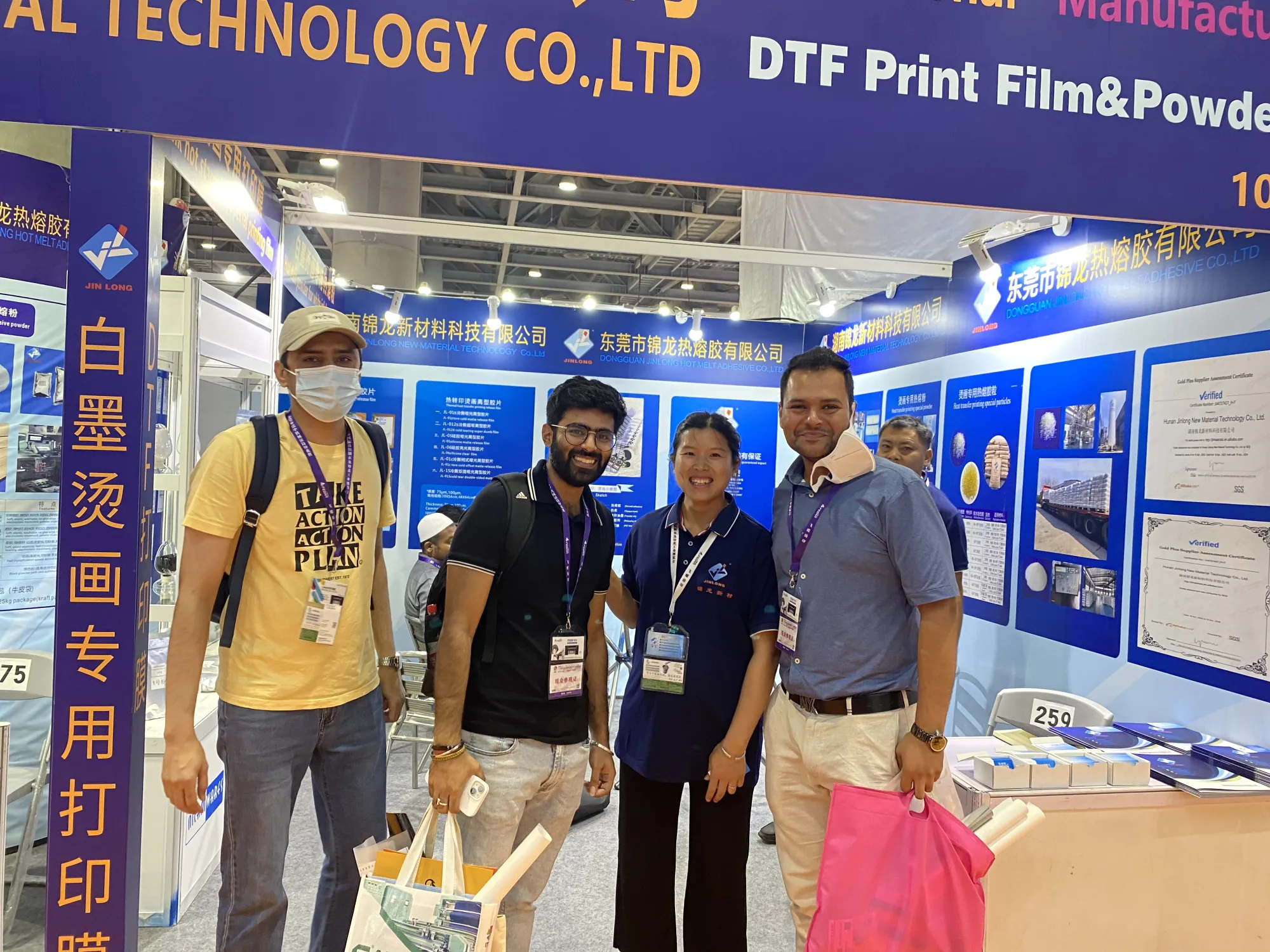
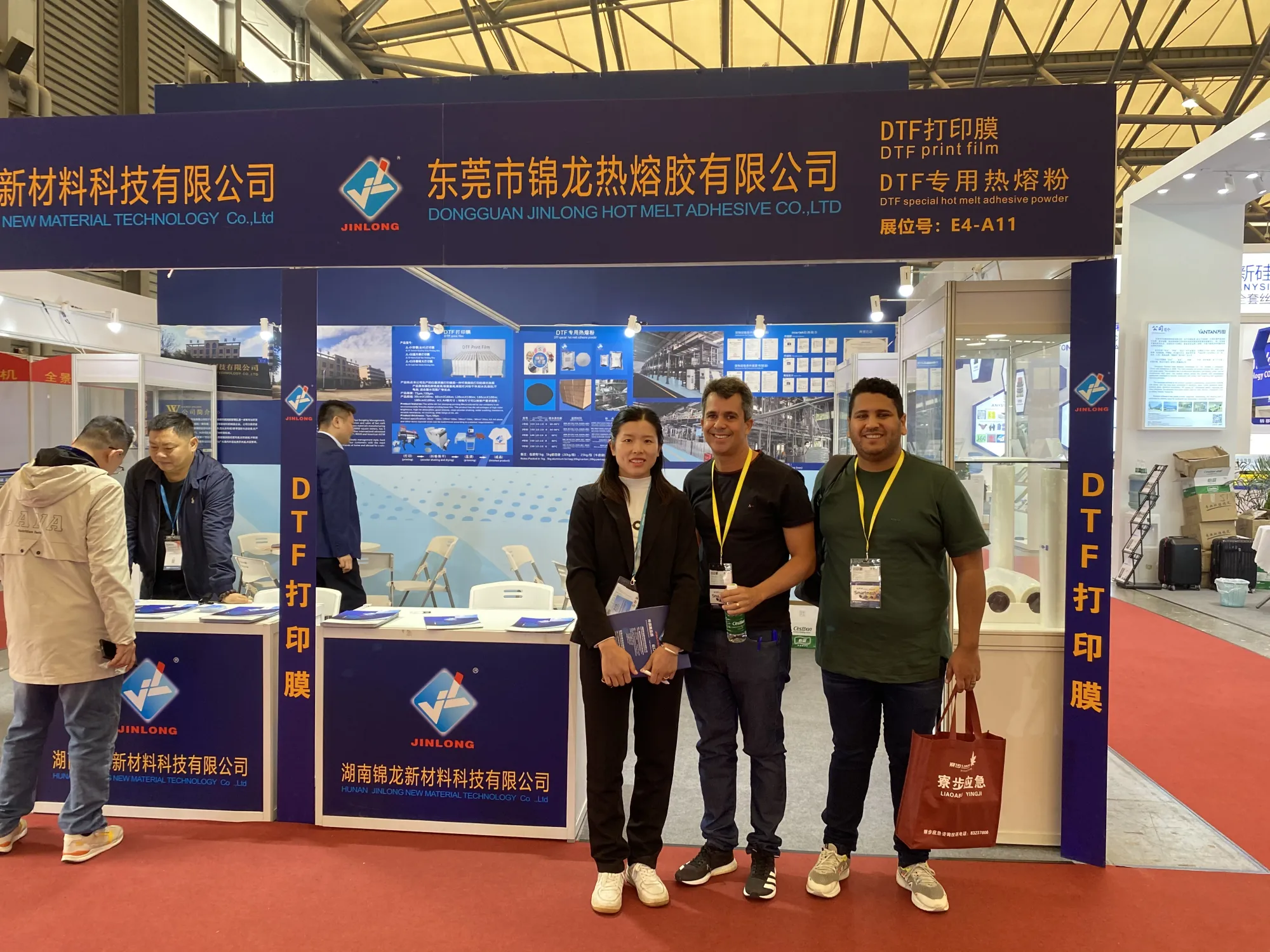
The Jinlong DTF Standard
When it comes to TPU powder, consistency is king. Jinlong’s DTF standard ensures tight quality control on critical factors like particle size distribution and TPU powder melting point. This precision means you get reliable adhesion bonding strength and predictable textile printing durability every time, which is essential for repeatable results on your printing jobs.
Jinlong balances price and performance carefully, offering competitive pricing without cutting corners on chemical integrity. You won’t find fillers or recycled resins compromising the wash fastness rating or hydrolysis resistance of their polyurethane transfer powder. This commitment protects your gear, reduces production waste, and maintains a soft hand feel transfer—key for satisfying end customers.
For anyone using direct-to-film consumables, Jinlong’s consistent TPU powder helps avoid common issues like uneven coating and gummy buildup in curing ovens. To see their full range of TPU DTF hot melt adhesive powder options that meet these standards, check out their 25kg STD series here. This blend of quality and cost efficiency is exactly what printers need to optimize both output and budget.



 English
  Español
  Deutsch
  Français