


Top Features to Consider When Buying DTF Film in 2026 for Best Quality
Understanding DTF Film Basics
DTF film, or direct-to-film transfer film, is a special type of PET (polyethylene terephthalate) film designed specifically for direct-to-film printing. It acts as the base where DTF inks are printed before transferring the design onto fabrics. This process enables vibrant, detailed prints on a variety of garment types without the need for screens or complicated setups.
How DTF Film Differs from Regular PET Film
| Feature | DTF Film | Regular PET Film |
|---|---|---|
| Coating | Special coating for ink adhesion and transfer | Plain surface, no ink-receptive coating |
| Ink Absorption | Designed for uniform ink absorption and sharp colors | Poor ink absorption, leading to smudges or dull prints |
| Peel Behavior | Clean peel with minimal residue after transfer | Not suitable for peel; ink often sticks or lifts |
| Heat Resistance | High-temperature tolerance for pressing | May warp or melt under heat press |
| Transfer Quality | Supports vivid colors and fine details | Lacks transfer capabilities, causing poor print quality |
Because of its coating and structural properties, DTF film ensures high-quality prints with excellent ink absorption and adhesion. Using regular PET film instead can lead to faded colors, poor washing durability, and messy transfers.
Understanding these basic differences is key to selecting the best DTF PET film that guarantees sharp, durable, and vibrant DTF transfers for your printing projects in 2026.
Key Types of DTF Film Available in 2026
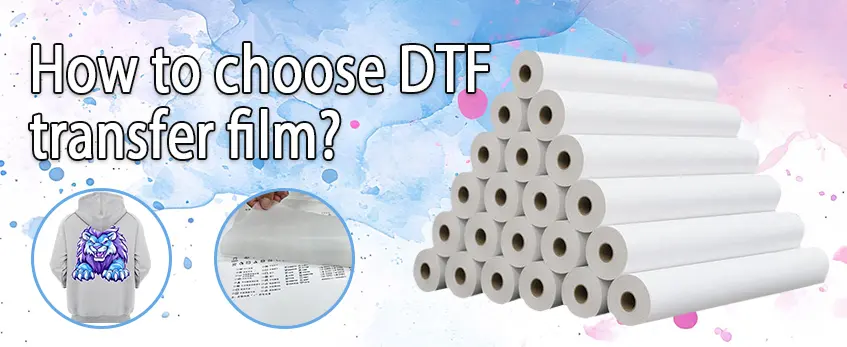
When choosing the best DTF transfer film in 2026, it helps to know the key types and how they impact your printing results.
Hot peel vs cold peel DTF films
Hot peel films release the transfer sheet immediately after heat pressing, speeding up your workflow. They usually offer a smoother finish but need precise timing to avoid print issues. Cold peel films require cooling before peeling, often resulting in sharper details and less chance of smudging. Your choice depends on your production speed and finish preference.
Matte vs glossy finishes
Matte films provide a softer feel and more subtle vibrancy, making them ideal for cotton or lighter fabrics. Glossy films, on the other hand, offer brighter colors and a shiny look, perfect for polyester and synthetics. Keep fabric type in mind since the finish strongly affects color pop and texture.
Film thickness options
DTF film thickness generally ranges from thin sheets for detailed prints and a soft hand feel to thicker films that boost durability for wash-durable DTF transfers. Thicker films can handle repeated washing better but might feel heavier on softer fabrics.
Specialty films
In 2026, specialty films are gaining popularity. These include metallic, glow-in-the-dark, holographic, and stretch-resistant options. Metallic and holographic films add eye-catching effects, while stretch-resistant films maintain print integrity on activewear or stretchy fabrics. Using specialty films can elevate your designs and meet unique customer demands.
Choosing the right type of DTF film ensures you get optimal ink absorption, coating quality, and adhesion tailored to your specific prints and fabrics in the U.S. market.
For a detailed comparison and understanding of DTF film types and their benefits, check out this guide on why DTF printing is revolutionizing apparel printing.
Essential Features to Prioritize When Buying DTF Film
When choosing the best DTF PET film, focusing on key features can make a huge difference in your print quality and durability. Here’s what to look for:
| Feature | What to Expect | Why It Matters |
|---|---|---|
| Coating Quality & Uniformity | Smooth, even coating without spots or bubbles | Prevents ink smudging and ensures sharp, clear prints |
| Ink Absorption & Color Performance | Vibrant, rich colors with good ink hold | Keeps prints bright and sharp over time |
| Adhesion & Wash Durability | Strong stickiness and resistance to washing | Ensures transfers last after multiple washes |
| Peel Characteristics | Clean release with no sticky residue | Saves time and avoids ruining prints |
| Heat & Moisture Resistance | Stable under pressing and in storage | Prevents warping or damage under heat and humidity |
| Anti-Static Properties | Less static buildup | Reduces printer jams and keeps workflow smooth |
| Printer & Ink Compatibility | Works perfectly with your printer and inks | Avoids costly trial and error |
| Thickness & Flexibility | Balanced thickness for durability, yet soft feel | Retains print detail and comfortable fabric feel |
A high-quality coating on DTF film is a game-changer—it stops ink from bleeding and helps with smooth transfers. Good ink absorption leads to vibrant prints that don’t fade quickly, which is essential for making your designs pop.
Don’t overlook peel characteristics; a hot peel DTF film that releases cleanly saves frustration and keeps your designs flawless. Plus, films with strong adhesion and wash durability mean your transfers won’t peel or crack after washing.
Since heat and moisture can damage the film, choosing a high temperature DTF film with moisture resistance keeps your prints stable during pressing and storage. Also, anti-static DTF sheets are great for reducing printer jams, especially in busy print shops.
Finally, consider your printer and ink to find printer compatible DTF film. Thickness impacts both durability and how soft the final print feels—thicker film may last longer but feel stiff, while thinner options give a stretchier, softer hand feel.
For a reliable supply that ticks most of these boxes, exploring trusted suppliers can save you headaches—brands like Jinlong are known for their coating quality and durability, which you can learn more about through their printing workflow tips and product guides. For instance, Jinlong prints’ tips for keeping your printer running smoothly offer insights on pairing the right film with your setup.
Prioritize these features and your DTF transfers will look great and last long, keeping your customers happy and your workflow efficient.
How Fabric Type Influences Your DTF Film Choice
Choosing the right DTF film depends heavily on the fabric you\’ll be printing on. For cotton and cotton-blend fabrics, a matte finish DTF film is usually best. Matte films offer a softer hand feel, which makes the print comfortable to wear and keeps the natural fabric texture intact. This is especially important for everyday apparel where softness matters.
On the other hand, polyester and synthetic fabrics benefit from glossy or stretch-resistant DTF transfer film options. Glossy films provide vibrant, sharp colors that really pop on synthetic fibers, while stretch-resistant films ensure durability on fabrics that flex and move a lot. These films maintain print quality without cracking during wear or wash.
Another crucial factor is fabric color. For light fabric substrates, most standard DTF films will perform well. But if you’re working with dark fabrics, you’ll want films specially designed for high opacity and better coverage to ensure your print stands out sharply.
Picking the right DTF film based on fabric type means better adhesion, wash durability, and overall print quality, making your transfers look professional every time. For those working with blends and different fabric types, testing a few options on your specific material can help you find the best match.
For more on choosing the right film and maintaining print sharpness, you might find this guide on why DTF prints are so sharp really useful.
Common Mistakes to Avoid When Purchasing DTF Film
When buying DTF film, don’t just go for the cheapest option—price alone can’t guarantee quality. Lower-cost films often sacrifice crucial features like coating uniformity or ink absorption, leading to poor print results or weak adhesion.
Always test the film’s compatibility with your specific printer and ink setup before buying in bulk. Different printers work better with certain types of DTF transfer film, so a small test run can save time and money.
Wash durability is another big factor. Perform wash tests on your transfers to make sure they hold up after multiple cycles. This ensures your prints won’t fade or peel, keeping customer satisfaction high.
Lastly, store your DTF film properly. Exposure to moisture or extreme temperatures can affect the film’s performance, causing issues like poor adhesion or ink smudging. Keep films sealed and stored in a cool, dry place for the best results.
Avoiding these common pitfalls will help you choose a high-quality and reliable DTF film for consistent, sharp, and long-lasting prints.
Testing and Evaluating DTF Film Before Committing

Before investing in bulk DTF transfer film, always request samples from suppliers. This lets you perform essential print, wash, and peel tests to see how the film holds up in real-world use. Pay close attention to DTF ink absorption and how vibrant and sharp your prints turn out.
Check the transparency and coating uniformity of the film surface—uneven coatings can cause print issues and reduce overall quality. It’s also crucial to assess the film’s high-temperature tolerance, ensuring it withstands the heat during pressing without warping or melting.
Running these tests will help confirm the film’s wash durable DTF transfers performance and reveal if any residue is left after peeling. Real-world trials save time and money by avoiding compatibility issues and ensuring long-lasting, vibrant results.
For tips on maintaining film quality and preventing common printer issues like clogging, consider resources like Jinlong’s guide on their automatic white ink circulation system.
Top Recommendations for Reliable DTF Film in 2026
When it comes to choosing reliable DTF film in 2026, Jinlong DTF film stands out for its excellent coating quality and durability. Users consistently praise its smooth ink absorption and strong adhesion, which result in vivid, long-lasting prints. Its wash durability and peel characteristics make it a go-to for both beginners and pros who want consistent, hassle-free transfers.
Other leading brands also offer great options, but comparing user feedback and performance metrics shows that Jinlong often leads in terms of uniform coating and resistance to cracking or fading after multiple washes. Many printers favor Jinlong due to its broad compatibility with various DTF inks and printers, ensuring smooth printing workflows.
For those interested, Jinlong provides a solid all-around choice and you can check out their highly-rated DTF transfer film collection to explore different thicknesses and finishes. Whether you prioritize a matte soft hand feel or a glossy vibrant finish, Jinlong’s lineup covers those needs while maintaining durability and print quality.
In , when buying DTF film in 2026, look for consistently high coating standards, wash durability, and printer compatibility — all hallmarks of the best DTF PET film options like Jinlong.
Future Trends in DTF Film for 2026 and Beyond
As the direct-to-film printing market grows, 2026 is shaping up to bring some exciting innovations in DTF film technology. One major trend is the push toward eco-friendly DTF film options that are not only better for the environment but also offer breathable properties. These breathable films improve comfort when used on apparel, making transfers feel softer and more natural on the skin.
Another big leap is in advanced specialty effects—think metallics, fluorescents, and glow-in-the-dark films that bring creative flexibility for designers looking to make standout prints. These specialty films continue to improve in quality, delivering sharper, more vibrant finishes while maintaining durability.
Lastly, automation-compatible DTF film is gaining traction for high-volume production lines. Films designed for seamless integration with automated heat presses and printers help speed up workflow without compromising on print quality or durability. This trend supports businesses aiming for efficiency and consistency in their transfers.
Together, these advancements ensure that choosing the right DTF film in 2026 will mean better sustainability, more creative options, and smoother production for American printers and t-shirt businesses alike. For those wanting to stay ahead, keeping an eye on brands like Jinlong’s DTF ink and film innovations is a smart move.


 English
  Español
  Deutsch
  Français