


Textile Printing Techniques for Beginners Pros Cons and Uses Guide
Essential Basics Before Starting
Before diving into textile printing techniques, it’s important to get familiar with the essentials. As a beginner, having the right tools and understanding your materials sets you up for success.
Common Tools and Materials Needed
For your home textile printing setup, you’ll want to start simple but effective. Here’s what you’ll commonly need:
- Printing screens or print heads (for screen printing or digital methods)
- Heat press or iron (for heat transfer and vinyl printing)
- Inks and dyes (water-based, plastisol, or pigment inks depending on technique)
- Transfer paper or film (for Direct-to-Film and heat transfer printing)
- Squeegee (for screen printing)
- Fabric cutting tools (scissors or rotary cutters for vinyl)
- Protective gloves and aprons for safety
Starting with these basics helps you practice without overwhelming costs or complexity.
Fabric Types and Their Impact
Choosing the right fabric dramatically influences your printing results. Here are the typical options:
- Cotton: The most beginner-friendly fabric—absorbs ink well, ideal for screen printing, DTG, and heat transfer.
- Polyester: Best suited for dye sublimation printing, as it holds dye well but can be tricky with other methods.
- Blends (Cotton/Polyester): Offer balance, but print quality can vary; blending affects ink absorption and durability.
Understanding your fabric’s fiber content helps you pick the best printing technique and inks.
Safety Tips and Setup Considerations
Working at home or small-scale means you must create a safe and efficient printing area:
- Ventilation: Ensure good airflow to avoid inhaling fumes from inks or adhesives.
- Protective gear: Wear gloves, aprons, and maybe masks, especially with inks and heat processes.
- Clean workspace: Keep your area tidy and free from dust or lint that can ruin prints.
- Flat, sturdy surface: Essential for even printing and heat pressing.
- Proper storage: Store inks and materials away from direct sunlight and out of reach of children or pets.
With safety and the right setup in place, you’re ready to explore various fabric printing methods confidently and comfortably.
Top Textile Printing Techniques Explained
Screen Printing
Screen printing is one of the most popular fabric printing methods, especially for beginners. It involves pushing ink through a mesh screen stencil onto the fabric. There are two main types: flat screen printing, where the fabric stays still, and rotary screen printing, which uses a spinning screen for faster, continuous prints—ideal for larger runs.
Pros:
- Durable textile prints that hold up well in washes
- Vibrant colors with good opacity, especially on cotton fabrics
- Cost-effective for bulk printing
Cons:
- Setup can be time-consuming for small batches
- Limited color complexity compared to digital methods
- Requires cleaning and maintenance of screens
Best Applications and Beginner Tips:
Screen printing is great for custom t-shirt printing, tote bags, and home decor with simple designs. Beginners should start with flat screen printing to grasp the basics before moving to rotary systems. Use high-quality inks and test on cotton fabrics for best results.
For those interested in expanding options, rotary screen printing offers faster production once you’re comfortable with setup and registration. This technique suits medium to large production scales.
Screen printing basics give you a solid foundation in textile printing techniques and help you understand how ink interacts with different fabrics. This method remains a staple for durable, high-quality prints across various fabric types.
Direct-to-Garment (DTG) Printing
How it works
Direct-to-Garment (DTG) printing uses specialized inkjet technology to print designs directly onto fabric, usually cotton or cotton blends. The printer sprays water-based inks onto the garment, which are then heat-cured to set the design. This process allows for high-detail, full-color prints without needing screens or transfers, making it perfect for complex and colorful artwork.
Pros and cons
Pros:
- Prints detailed, vibrant images with an unlimited color range
- No setup fees or screens needed, great for small batches or one-offs
- Soft prints that feel like part of the fabric, which improves comfort
- Environmentally friendly water-based inks
Cons:
- Best suited for light-colored, natural fabrics; struggles on polyester or dark garments without pretreatment
- Slower for large production runs compared to screen printing
- Requires regular maintenance to keep print heads from clogging
- Initial equipment can be pricey for beginners
Best applications and beginner tips
DTG printing shines with custom t-shirts, tote bags, and apparel where detailed, multi-color designs are required. It’s perfect for small businesses or hobbyists wanting quick, quality prints without setup hassle. For best results, choose 100% cotton or high-cotton blends and consider pretreatment sprays when printing on darker fabrics. Beginners should start with simple designs and gradually experiment with more complex artwork as they get comfortable.
If you’re interested in a deep dive into fabric printing methods with DTG technology, exploring guides on DTG printing basics can be a helpful next step.
Direct-to-Film (DTF) Printing
Direct-to-Film (DTF) printing is a growing textile printing method that offers great versatility, especially when using advanced solutions like jinlong DTF systems. The process involves printing designs onto a special film, then applying a layer of powder adhesive before heat-pressing it onto various fabrics. This method works well on cotton, polyester, and blends, making it a favorite for beginners who want flexibility with custom apparel.
Pros:
- Works on a wide range of fabrics, including tricky polyester blends.
- Produces vibrant, durable prints with good washability.
- No need for pretreatment, unlike some other methods.
- Jinlong DTF solutions provide easy-to-use software and consistent ink quality for smooth results.
Cons:
- Initial setup can be a bit technical for absolute beginners.
- Requires a heat press for transferring prints.
- Powder adhesive handling demands some practice to avoid mess.
Best Applications and Beginner Tips:
- Ideal for custom t-shirts, tote bags, and one-off or small batch production.
- Start with simple designs to practice layering and heat pressing.
- Using jinlong’s DTF ink and guides can simplify getting clean prints and avoiding issues like poor adhesion or color fading. You can learn more about their inks and software configuration from jinlong’s detailed resources on DTF printing for beginners.
- Ensure your workspace is well-ventilated and clean to maintain print quality.
DTF printing is a fantastic beginner-friendly fabric printing method that balances durability and design complexity, making it a smart choice for anyone stepping into digital textile printing.
Dye Sublimation Printing
How it works
Dye sublimation printing uses heat to transfer dye directly onto polyester or polymer-coated fabrics. The design is first printed onto a special transfer paper with sublimation inks. When heat and pressure are applied, the inks turn into gas and embed into the fabric fibers, resulting in vibrant, long-lasting prints. This method works best on light-colored polyester or polymer-coated surfaces.
Pros and cons
Pros:
- Produces bright, durable, and detailed prints that won’t crack or peel
- Ideal for all-over, full-color designs with smooth gradients
- Prints become part of the fabric, making the feel soft and breathable
- No extra inks or layers, so it’s lightweight and comfortable
Cons:
- Works only on polyester or polymer-coated fabrics (not natural fibers like cotton)
- Requires specialized printers and heat presses, which can be pricey for beginners
- Color intensity might appear dull on darker fabrics
- Not suitable for very small runs without proper equipment
Best applications and beginner tips
Dye sublimation is perfect for creating custom sportswear, flags, banners, and promotional items. Beginners should:
- Stick to 100% polyester fabrics to get vibrant results
- Use light-colored materials to maximize color pop
- Invest in a good-quality heat press for consistent transfers
- Practice small test prints before committing to large designs to avoid wasting materials
For those interested in versatile printing on various fabrics, exploring options like DTF printing alongside sublimation can broaden your creative scope.
Heat Transfer Printing (Including Vinyl)

How it works:
Heat transfer printing uses heat and pressure to transfer designs from a special paper or vinyl onto fabric. Vinyl designs are cut out with a plotter, then pressed onto the fabric using a heat press. For printed transfers, ink is first printed on transfer paper, then applied with heat. This method works well for quick, detailed images and vibrant colors on various fabric types.
Pros:
- Easy to learn, great for beginners
- Low setup cost compared to screen or digital printing
- Works on a range of fabrics, including cotton, polyester, and blends
- Ideal for small runs and custom items
- Vinyl options add texture and durability
Cons:
- Not as durable as screen or sublimation prints—may crack or peel over time
- Larger designs can be time-consuming to press
- Transfers can feel heavier or less breathable on fabric
Best applications and beginner tips:
- Perfect for custom t-shirt printing, tote bags, and promotional apparel
- Use a reliable heat press for consistent results
- Start with simple designs and quality transfer vinyl or paper
- Pre-wash fabrics to avoid shrinkage and improve adhesion
- For more info on heat transfer options and materials, check out specialty vinyl and transfer films like those available at Jinlong Prints, which offer quality DTF solutions for flexible home textile printing setups.
Block Printing (Hand Block)
How it works
Block printing is one of the oldest fabric printing methods, where hand-carved wooden or linoleum blocks are dipped in dye or ink and then pressed onto fabric to create patterns. This manual technique involves layering colors and repeating designs by hand, giving each piece a unique, artisanal look. It’s straightforward and perfect for small batches or custom projects.
Pros and cons
Pros:
- Low setup cost—no expensive machines needed
- Easy for beginners to learn and experiment with
- Produces unique, textured prints with a handcrafted feel
- Environmentally friendly if using natural dyes
Cons:
- Time-consuming for large volumes
- Less consistent compared to digital methods
- Limited to simpler designs and fewer color overlays
- Requires steady hand and patience for detailed patterns
Best applications and beginner tips (great for artisanal starts)
Block printing works best on natural fabrics like cotton and linen. It\’s ideal for making custom t-shirts, tote bags, scarves, and home decor accents like pillow covers. Beginners should start with simple designs and a small color palette. Practice controlling the pressure on the block and alignment to avoid smudging. Using quick-dry textile inks helps speed up the process.
For those wanting durable, vibrant prints with a personal touch, block printing is a solid choice to begin your textile printing journey.
Digital Pigment Printing
Digital pigment printing uses water-based pigment inks directly applied to fabric through an inkjet printer. Unlike dye-based inks, pigment inks sit on the fabric surface, making them ideal for bright, sharp designs without the need for high-heat fixation. This method works well on a variety of fabrics, especially cotton and blends, offering vibrant colors and fine detail.
Pros:
- Easy setup for beginners with no screens or transfers required.
- Good color accuracy and sharpness.
- Works on multiple fabric types without special coatings.
- Eco-friendlier options available with water-based inks.
- Durable prints with proper curing.
Cons:
- Slower production speed compared to screen printing.
- Colors may feel slightly rougher on some materials.
- Requires curing (heat setting) to ensure durability.
- Not ideal for polyester unless treated or coated.
Best Applications and Beginner Tips:
- Great for small batches and custom apparel like t-shirts and tote bags.
- Perfect for complex, multi-color designs without mixing ink.
- Beginners should ensure proper fabric pretreatment and curing for best results.
- Use high-quality pigment inks to maintain color vibrancy and durability.
- Ideal for digital fabric printing projects seeking detailed, colorful prints.
Digital pigment printing offers a balance between ease of use and quality, making it a solid choice for those entering custom fabric printing.
Comparison Table: Quick Pros, Cons, and Suitability

Here\’s a simple side-by-side overview of popular textile printing techniques for beginners. This table covers key points like cost, setup difficulty, durability, fabric versatility, and ideal production scale.
| Technique | Cost (Setup) | Setup Difficulty | Durability | Fabric Versatility | Best for Production Scale |
|---|---|---|---|---|---|
| Screen Printing | Low to Medium | Medium | High (inks bond well) | Works best on cotton & blends | Small to medium runs (t-shirts, bags) |
| Direct-to-Garment (DTG) | High | Medium to High | Medium (washcare matters) | Best on cotton, some blends | Small runs, detailed designs |
| Direct-to-Film (DTF) | Medium | Medium | High (great adhesion) | Works on cotton, polyester, blends | Small to medium runs; versatile fabrics |
| Dye Sublimation | Medium | Medium | Very High (permanent) | Only polyester and light colors | Medium to large runs; activewear, mugs |
| Heat Transfer | Low to Medium | Easy | Medium (can crack) | Great on cotton and polyester | Small runs and custom jobs |
| Block Printing | Very Low | Easy | Medium (handcrafted look) | Best on natural fabrics (cotton) | Very small-scale, artisanal projects |
| Digital Pigment Printing | High | Medium to High | High | Versatile, works on many fabrics | Small to medium runs; complex designs |
Quick Takeaways:
- Budget-focused beginners will find block printing and heat transfer easiest to start with.
- Screen printing shines for durability and classic looks but requires some setup.
- For versatility and ease on multiple fabrics, DTF printing is rising fast (see Jinlong DTF solutions).
- Dye sublimation is unbeatable on polyester but limited otherwise.
- DTG is perfect for detailed, full-color prints but needs investment.
Use this table to match the right fabric printing methods with your project\’s size, fabric type, and desired look.
Choosing the Right Technique for Your Project
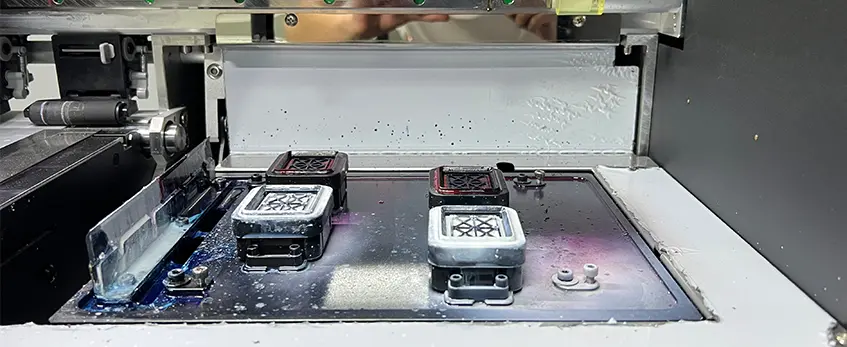
When picking a textile printing technique as a beginner, it helps to consider a few key factors: your budget, the quantity of items you plan to produce, the complexity of your design, and the fabric type you’ll be working with. For example, small batches with intricate designs often do well with Direct-to-Garment (DTG) printing, while larger runs with simpler patterns might benefit from screen printing.
Budget: Screen printing and block printing usually have higher upfront costs due to setup, but lower costs per piece for large runs. Techniques like heat transfer and dye sublimation are more affordable for smaller projects.
Quantity: For one-offs or small orders, digital pigment printing or DTG are great since they require minimal setup. For larger quantities, screen printing or Direct-to-Film (DTF) printing offer better efficiency and durability.
Design Complexity: Detailed color gradients and photographic prints are best handled by DTG or digital pigment printing. Bold, simple designs work well with screen printing or block printing.
Fabric Type: Cotton is the easiest fabric for most printing methods, especially screen printing and DTG. Polyester and fabric blends work great with dye sublimation and DTF solutions. For more fabric versatility, consider exploring the range of DTF transfer films available, like the high-quality options from Jinlong that ensure strong adhesion on various materials.
Beginner Project Recommendations:
- T-shirts: DTG and DTF printing are user-friendly for custom t-shirts with full-color designs.
- Tote Bags: Heat transfer and screen printing are perfect for sturdy, reusable bags.
- Home Décor: Dye sublimation works well on polyester fabrics for vibrant pillows or table runners.
Looking ahead, textile printing trends in 2026 show a growing preference for flexible and versatile methods like DTF printing. With innovations such as Jinlong\’s DTF transfer films, beginners can enjoy easier setups, vibrant color results, and durable prints on a wide range of fabrics, making it a smart choice for many projects.
Whether you prioritize cost, speed, or fabric compatibility, matching your project’s needs with the right fabric printing method will save time and money while producing great-looking results.
Common Beginner Mistakes and How to Avoid Them
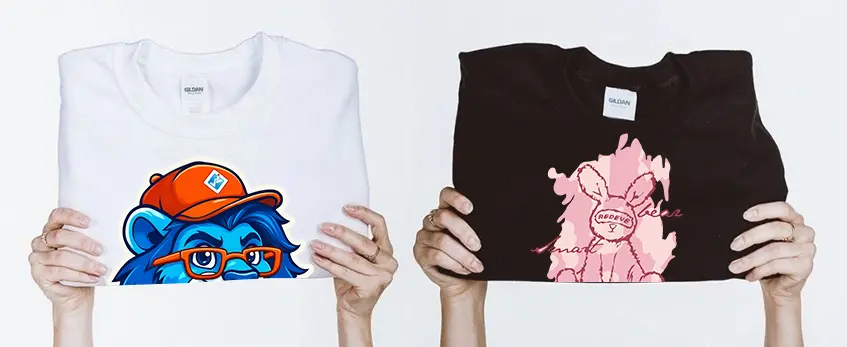
Starting with textile printing techniques can be exciting, but beginners often face issues like fading, cracking, and poor adhesion. These problems usually come down to a few common mistakes:
- Incorrect fabric choice: Printing on the wrong fabric type—like trying dye sublimation on cotton instead of polyester—can lead to poor results.
- Improper curing or heat pressing: Not applying enough heat or time affects ink bonding and durability.
- Using low-quality inks or materials: Cheap inks may fade faster, crack, or peel.
- Poor screen or film prep: In screen printing or DTF printing, a poorly cleaned or prepared screen or film reduces print quality.
Troubleshooting Tips
- Fading: Ensure you’re using the right inks for your fabric and following recommended curing times. For example, heat transfer inks need a consistent heat press setting to stay vibrant.
- Cracking: Avoid overloading the fabric with ink, and use pigment inks or vinyl for more durable prints.
- Poor adhesion: Double-check fabric compatibility and pre-treat fabrics if needed (especially for DTG printing on darker textiles).
Maintenance and Care for Printed Items
Proper care extends print life and keeps your designs looking fresh:
- Wash printed textiles inside out in cold water.
- Use mild detergents and avoid bleach or harsh chemicals.
- Avoid high-heat drying; air dry when possible or tumble dry on low.
- Iron on the reverse side or avoid ironing directly over prints.
Keeping these tips in mind will save headaches and improve the longevity of your fabric printing projects, whether you\’re working with screen printing, DTF solutions, or digital pigment printing.
For those diving into DTF printing, exploring the benefits of specialized DTF inks can be a game-changer for print durability and ease of use—check out the top benefits of using DTF ink for your printing business to get started on the right foot.
Getting Started: Resources and Next Steps
If you’re ready to dive into textile printing techniques for beginners, start by gathering the right supplies. Essential tools often include quality fabrics like cotton or polyester blends, inks or transfer films, and printing equipment tailored to your chosen method. For instance, those interested in Direct-to-Film (DTF) printing can find excellent selection and options like the DTF transfer films in various sizes designed for easy home or small-scale setups.
Learning the ropes is easier with the wealth of tutorials and courses available online. Platforms like YouTube and specialized printing schools offer step-by-step guides, covering basics from screen printing setups to heat transfer vinyl application. Joining print-focused communities and forums also helps you get practical advice, troubleshoot issues, and stay motivated.
With growing awareness about sustainability, eco-friendly considerations are key in modern fabric printing. Opt for water-based inks, reusable screens, and low-impact transfer films whenever possible. Choosing natural or recycled fabrics and proper disposal of chemicals can reduce your environmental footprint while creating durable textile prints you’ll be proud of.
Starting smart with the right tools, learning resources, and eco-conscious habits sets you up well for success in custom fabric printing projects.


 English
  Español
  Deutsch
  Français