



How to Store White Inkjet Ink to Prevent Settling and Clogging
Understanding Why White Ink Settles So Fast
White inkjet ink, especially the kind used in DTF and DTG printing, settles much faster than other colors. The main reason? pigment particle size and specific gravity. White ink typically contains Titanium Dioxide (TiO₂) pigments, which are heavier and denser than dyes or colored pigments. Because of this, the particles tend to drop out of suspension more quickly, leading to visible settling at the bottom of your bottle or cartridge.
There are two types of settling to watch for:
- Hard settling: Pigment particles clump together and form a solid layer at the bottom. This is tough to fix and often leads to clogging.
- Soft settling: Pigments remain loose but gradually separate from the liquid, making the ink look uneven but easier to remix.
Temperature swings make both hard and soft settling worse. When temperatures fluctuate—say, a cold night followed by a warm day—the ink’s particles expand and contract, speeding up separation. This means storing white ink in places with unstable temperatures practically guarantees you’ll deal with clogged nozzles and inconsistent prints.
Trust me, controlling these factors is the first step to preventing white ink jams and saving your print jobs.
Ideal Storage Conditions for White Inkjet Ink
To keep your white inkjet ink performing at its best, storing it under the right conditions is crucial. The ideal temperature range for white inkjet ink is between 15–25 °C (59–77 °F). Temperatures outside this range can speed up pigment settling or cause ink components to separate, leading to clogging.
Avoid exposing the ink to direct sunlight or UV rays, as these can break down the ink’s chemical makeup and cause color shifts or reduced print quality. Maintaining a consistent humidity level between 40–60% RH helps prevent the ink from drying out too fast or becoming too thick.
Never freeze your white ink, especially those containing titanium dioxide (TiO₂). When TiO₂ ink freezes, the pigment particles clump together irreversibly, making it impossible to restore the original fluidity even with shaking. This freezes the ink’s effective lifespan and can cause permanent printer head clogs.
For better ink preservation, store your bottles in a cool, dark place away from windows, heaters, and temperature fluctuations. For more expert tips on preventing white inksmith clogging and proper storage, check out Jinlong’s insights on their automatic white ink circulation system that helps maintain ink consistency under ideal storage conditions.
Best Containers and Packaging Practices
To keep your white inkjet ink fresh and clog-free, always store it in its original airtight bottles, like the specially designed Jinlong DTF bottles. These containers are made to prevent air exposure, which can dry out the ink or cause pigment settling.
For extra protection, use secondary seals such as parafilm or tape over the bottle cap threads. This doubles up on preventing air leaks and keeps dust or moisture out.
Avoid pouring any leftover ink back into the original bottle. Mixing inks or reintroducing partially dried ink invites contamination and clogs.
When using intermediate cartridges or refillable tanks, make sure they are clean and sealed tight. Properly managed tanks reduce exposure to air and keep the white ink circulating smoothly during printing.
For more detailed advice on handling DTF inks and bottles, check out this DTF printing core process analysis.
Daily & Weekly Agitation Routine (The #1 Clog Preventer)
Keeping white inkjet ink properly mixed is the key to preventing clogs and printhead issues. White DTF ink, especially with heavy TiO₂ pigment, settles fast. So, daily agitation is a must.
Shake vs. Roll vs. Invert — What Works Best?
- Shake: A vigorous shake for 30-45 seconds before every print job works well for small bottles or cartridges. It breaks up pigment clumps and evenly redistributes particles.
- Roll: Gentle rolling is better for larger containers—it prevents air bubbles and thoroughly mixes without splashing.
- Invert: Flipping the bottle repeatedly helps but isn’t as effective alone. Combine it with shaking or rolling for best results.
Recommended Agitation Schedule
- Shake or roll your white ink for 30 to 45 seconds before each print job.
- For printers that don’t use ink continuously throughout the day, also agitate weekly to keep pigment suspended.
Using Automatic Ink Circulation Systems
Many popular white inkjet printers like Epson, Brother, and Prestige DTF models feature automatic ink circulation systems. These systems keep the ink moving inside the cartridge or lines during printing pauses, drastically reducing settling and clogging risks.
- Make sure to activate circulation mode based on your printer’s manual.
- For example, the Epson I3200 and Brother GTXpro have built-in circulation that runs periodically.
Manual Stirring Tools for Bulk Containers
If you\’re handling large volumes or bulk white ink:
- Use magnetic stirrers designed for ink to keep the pigment evenly mixed.
- Avoid shaking large heavy bottles manually, or risk spills.
- Investing in an automatic shaker can pay off by improving white ink performance and lifespan.
Proper and consistent agitation is hands-down the easiest way to prevent white ink separation and clogged printheads. For more on daily maintenance routines tailored to white inkjet printers, check out this detailed DTF printer daily maintenance guide for tips that keep your setup running smoothly.
Long-Term Storage (30+ Days Without Printing)
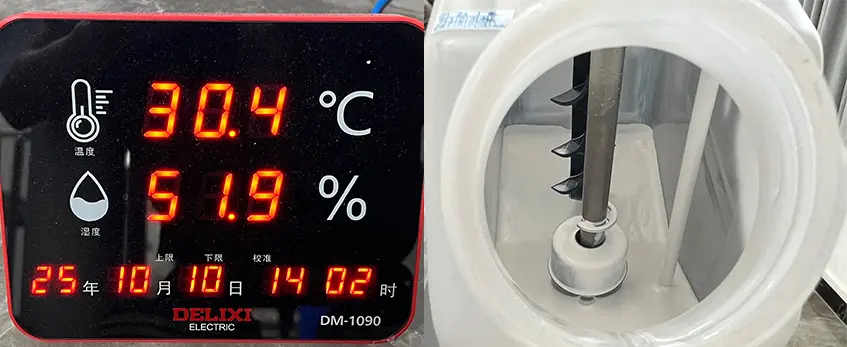
When you’re not printing for 30 days or more, proper long-term storage of white inkjet ink is essential to keep it fresh and clog-free. Start with a proper “parking” procedure for cartridges: ideally, cap them securely, use storage clips to maintain airtight seals, and avoid exposing them to air for extended periods. Using humidifier boxes can help maintain the right moisture level, preventing the ink from drying out or thickening inside the cartridges.
You’ll face a choice between flushing the lines with a cleaning solution or leaving white ink inside the printer. Flushing helps remove residue and reduces clog risks, but if done too often, it can waste ink and wear down parts. For longer storage, it’s generally better to flush the lines, then store cartridges separately in a sealed container.
Keep in mind, even with perfect storage, white ink quality degrades after about 3 months. Beyond this, pigment particles (especially titanium dioxide based) tend to settle harder, increasing clog chances and impacting print vibrancy. For best results, use or replace white ink before the 90-day mark to avoid printhead issues.
For high-quality white inkjet printing, always pair your ink storage with reliable products like the TPU DTF hot melt adhesive powder to ensure optimal print performance and durability.
Common Storage Mistakes That Guarantee Clogs
When it comes to white inkjet ink, a few careless storage habits almost always lead to clogged nozzles and wasted ink. Avoid these common mistakes to keep your white DTF ink flowing smoothly:
Leaving bottles open “just for a minute”
Even a short exposure to air can dry out the ink at the cap or inside the bottle’s neck. This dry buildup quickly causes clogs and hard settling. Always keep your bottles tightly sealed when not in use.
Storing near heaters or windows
Extreme temperature swings speed up white ink separation and pigment settling. Storing your ink near heat sources or sunny windows exposes it to UV light and heat, both of which degrade the titanium dioxide base and increase clog risks.
Mixing old and new ink
Don’t pour leftover ink back into your bottles or mix new ink with old batches. Different settling stages and pigment clumps will contaminate your fresh ink, leading to uneven prints and potential printhead blockages.
Ignoring expiration dates
White ink has a shelf life. Using expired white inkjet ink risks weakened pigment suspension and increased clog frequency. Keep an eye on expiration dates, and always rotate your stock to use older ink first.
Following these tips reduces downtime and keeps your printer’s white ink printing clear and consistent. For detailed tips on maintaining your white ink system, check out best practices in DTF printing workflow optimization.
Printer-Specific White Ink Maintenance Tips

Different DTF printers require tailored maintenance routines to keep white inkjet ink flowing smoothly and prevent clogs. Here’s a quick guide for some popular setups:
Epson I3200, I1600, XP600, L1800 DTF printers
- Perform daily nozzle checks before printing to catch any blockages early.
- Run cleaning cycles weekly or as needed, but avoid excessive cleaning to save ink.
- Use the recommended white ink circulation system or auto-shaker devices designed for these models to keep pigment particles suspended.
- For extended downtime, follow the proper cartridge parking procedures to prevent hard settling.
Brother GTXpro and Polyprint TexJet
- These printers benefit from daily manual agitation of their white ink tanks combined with automated recirculation systems.
- Schedule weekly deep clean cycles focusing on the white ink lines, especially if printing frequency drops.
- Replace ink filters regularly to avoid sediment buildup and nozzle blockages.
M&R M-Link-X and STS Mutoh
- These industrial-level systems require routine weekly checks of the white ink reservoir and printheads.
- Utilize the built-in cleaning cycles and always inspect nozzle condition before big print jobs.
- Keep white ink in airtight containers between uses, and use magnetic stirrers or auto-shakers for bulk storage.
Remember, consistent white ink maintenance prevents downtime and costly repairs. For the best results with your DTF setup, following these printer-specific tips is essential. If you’re just starting or upgrading, check out our detailed best DTF transfer printer buying guide for performance and durability to find models that match your maintenance preferences.
How to Rescue Already Settled or Slightly Clogged White Ink

If your white inkjet ink has started settling or clogging, don’t panic. You can often bring it back with careful steps before it’s too late.
Gentle re-agitation techniques work best to mix pigment particles evenly again. Try these methods:
Shake the bottle or cartridge gently for 30–45 seconds. Avoid shaking too hard—vigorous shaking can introduce air bubbles that affect print quality.
Roll the container horizontally on a flat surface for a few minutes to loosen settled particles without stirring up sediments too aggressively.
Invert the bottle repeatedly but slowly to encourage pigment redistribution.
For bulk containers or cartridges, manual stirring with soft, non-abrasive tools can help, but beware of contamination.
If gentle agitation doesn’t cut it, an ultrasonic bath can dissolve stubborn clumps better. However, use this method cautiously:
Do not leave the ink submerged too long—excessive ultrasonic energy can damage pigments or break down ink chemistry.
Make sure the container is sealed tightly to avoid water contamination.
Only try ultrasonic cleaning if recommended by your ink supplier or printer manufacturer.
When to give up and dispose:
White ink contains titanium dioxide and pigments that degrade over time once settled hard. If you notice:
- Thick, cement-like deposits at the bottom that won’t break up,
- Ink turns chunky or changes color,
- Print quality drastically declines after repeated agitation,
then it’s time to replace the ink. Trying to revive old, clogged white ink risks damaging your printer’s printhead and wasting costly maintenance resources.
Regular maintenance and proper storage as described in earlier sections help you avoid these headaches. For more on avoiding ink issues, check out our guide on DTF printer ink cost breakdown and premium ink benefits.
Recommended Accessories for Perfect White Ink Management
Keeping white inkjet ink fresh and clog-free takes the right tools. Here are some must-have accessories that make managing white DTF ink storage and maintenance easier:
Auto-shaker devices
These machines gently and consistently agitate sealed ink bottles or cartridges. By mimicking a daily manual shake, they help prevent pigment settling that causes white ink separation and clogs. Auto-shakers are especially useful if you have multiple bottles or run a busy print shop.
Magnetic stirrers
For bulk white ink containers, magnetic stirrers keep the titanium dioxide particles evenly suspended without introducing air bubbles. This reduces hard settling and keeps ink flow smooth, making them ideal for large volume storage and refill stations.
Temperature-controlled ink cabinets
Maintaining the ideal temperature (between 59–77 °F or 15–25 °C) is crucial to prevent white ink settling and premature degradation. Climate-controlled storage cabinets protect ink from temperature swings and UV exposure, which can accelerate pigment separation and lead to printhead clogs.
Sealed storage boxes
Airtight containers or storage boxes protect white ink bottles from dust, humidity changes, and accidental exposure to air, which can dry out ink at the nozzle or inside the bottle. Combining sealed storage with secondary caps (like parafilm or special tape) extends shelf life and keeps your ink ready for use.
Using these accessories complements daily upkeep like shaking before printing and proper cartridge parking, helping you avoid common issues like clogged printheads and wasted ink. For top-quality white ink performance, pairing good storage habits with the right equipment is a smart move.
For more details on managing your DTF inks, products like Jinlong’s specialized bottles and ink solutions are designed for reliable storage and agitation—check out their standard and pro series DTF ink options for quality you can trust.




 English
  Español
  Deutsch
  Français