


How to Choose the Best DTF Powder Shaker for Your Printer Setup
Understanding the Role of a DTF Powder Shaker in the Workflow
A DTF powder shaker is a crucial part of your Direct-to-Film printing setup. Its main job is to evenly apply adhesive powder onto the printed film, shake off the excess, and often cure the powder to ensure it sticks properly. This process might sound simple, but it plays a huge role—about 70% of your final print quality depends on how well your powder shaker performs.
There are three main types of powder shakers to know:
Manual Shakers: You apply and shake the powder by hand. These are cheap but inconsistent and slow, best for absolute beginners or very low volume.
Semi-Automatic Shakers: These help automate shaking but usually require manual powder application. They balance cost and efficiency, ideal for smaller shops.
Fully Automatic Shakers: From powder application to shaking and curing, everything is controlled. These deliver the most consistent results and save time, perfect for high-volume production.
In short, investing in a quality DTF powder shaker isn’t just about speed—it directly impacts your print’s sharpness, durability, and color vibrancy. Get this step right, and you’re halfway to perfect prints.
Key Factors to Consider Before Buying a DTF Powder Shaker

Choosing the right DTF powder shaker means matching it to your workflow. Here are the most important points to check before you buy:
| Factor | What to Look For |
|---|---|
| Printer Width Compatibility | Match your printer size: 24\”/60 cm, 13\”/A3, A1/70 cm |
| Production Volume & Speed | Small shops need slower, smaller units; factories want high-speed, large capacity |
| Workspace Size & Footprint | Measure your area carefully—some shakers are bulky |
| Power Consumption & Voltage | US setups mostly use 110V; check compatibility to avoid extra costs |
| Built-in Curing vs Separate Oven | Built-in curing saves space and time; separate ovens offer more flexibility |
| Powder Recycling & Waste Management | Look for models with high powder recovery rates to save costs and reduce mess |
| Smoke/Fume Extraction & Filtration | Essential for health, especially in home or office environments |
| Noise Level | Quiet operation is a must if you work in small or mixed-use spaces |
| Ease of Cleaning & Maintenance | Simple designs with easy access keep downtime low |
| Warranty & After-Sales Support | Choose brands with readily available spare parts and reliable service |
For example, a popular choice like the jinlong DTF Pro-60 supports 60 cm printers, features an efficient fume extraction system, and comes with a solid warranty, making it perfect for medium-sized shops.
Pay close attention to these factors. Skipping one could affect your print quality, costs, or even your health over time.
Types of DTF Powder Shakers Available in 2026
Choosing the right type of DTF powder shaker depends on your printer size, production needs, and workspace. Here’s what you’ll find on the market in 2026:
Compact Tabletop Models
Perfect for A3/A4 printers and small setups. These shakers take up minimal space, are usually manual or semi-automatic, and suit home businesses or startups with lower print volumes.
60 cm Standard Automatic Shakers
The most popular choice for medium-sized operations using 24-inch or 60 cm printers. They offer fully automatic powder application and built-in curing options, balancing speed and quality well for small to mid-level shops.
Large-Format 70–100 cm Industrial Shakers
Designed for high-volume factories and wide-format printers like A1 or 70 cm models. These heavy-duty machines handle large runs efficiently, often featuring advanced anti-static systems and powder recycling to reduce waste.
All-in-One Printer + Shaker Combos
For convenience and space-saving, these systems combine your DTF printer and powder shaker into one unit. This integration streamlines workflow, reduces manual handling, and often includes built-in curing ovens.
Modular Systems (Separate Shaking and Curing Units)
Ideal for flexible workflows that demand scalability. You can mix and match shaker modules with curing ovens to optimize production. This setup is great if you plan to upgrade or expand over time.
For specific printer compatibility and model recommendations, especially if you use Epson-based printers like the XP600 or i3200, it’s worth checking out reliable DTF transfer films and accessories designed for seamless integration.
Matching Your DTF Printer Brand and Model
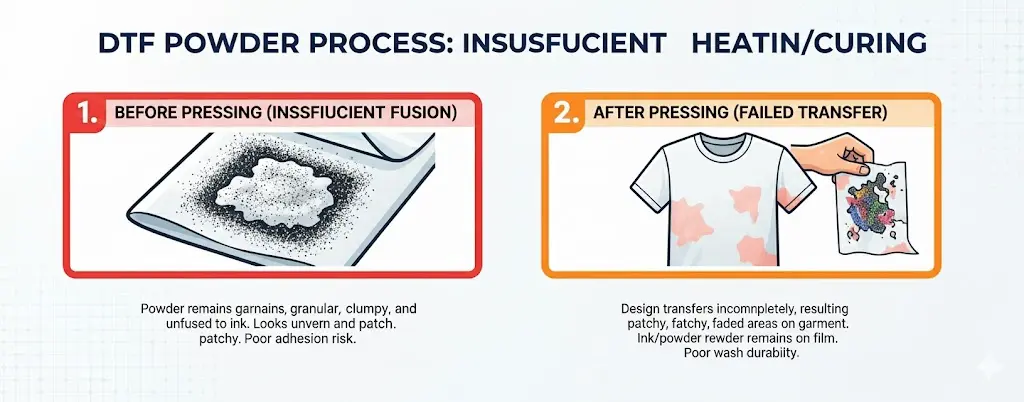
Choosing a DTF powder shaker that matches your printer brand and model is crucial for smooth operation and top-quality prints. Epson-based printers are among the most popular in the U.S. market, including models like the L805, XP-15000, 1390, i3200, and XP600. Each of these printers can have slightly different widths and powder application needs, so your shaker must align with those specs to avoid issues like uneven powder coating or jamming.
Common compatibility problems often include misaligned powder trays, improper curing times, or inadequate powder thickness control. For example, Epson i3200 users frequently report that many general shakers don’t offer precise enough powder distribution for their print width. The good news is that several dedicated shaker models are designed specifically for these heads—such as units tailored for the i1600, i3200, and Epson 4720—that provide improved powder consistency and built-in curing options.
If you want your setup to run hassle-free, look for shakers that clearly list compatibility with your printer model and offer adaptable settings for width and speed. For personalized tips on pairing your DTF equipment, you might also check out our detailed DTF printing machine guide for beginners for insights on printer and powder shaker setups.
Budget Breakdown: What You Actually Pay For
When choosing a DTF powder shaker, understanding your budget is key. Here’s a quick breakdown:
Entry-level (< $1,500): These basic shakers work for beginners and small hobby setups. They usually cover A3 or smaller widths and lack advanced features like built-in curing or smart controls. Ideal if you print less than 200 transfers a day.
Mid-range ($1,500 – $4,000): This range fits small to medium shops needing faster production and wider compatibility, like 60 cm or 24\” models. You’ll find options with built-in curing ovens, better powder recycling, and fume extraction systems.
Professional/industrial (>$4,000): Large-scale or factory setups demand heavy-duty shakers with wide widths (70–100 cm), robust powder recycling, precise temperature and speed controls, and advanced safety features. These models boost efficiency in high-volume environments.
Hidden costs to watch for:
- Powder consumption: Higher production means more powder use – and powder isn\’t cheap.
- Electricity bills: Shakers with ovens or fume extraction systems consume more power; make sure you factor this into ongoing costs.
- Maintenance: Regular cleaning, replacement filters, belts, and parts add up over time.
Balancing initial cost with ongoing expenses ensures you pick a shaker that fits both your budget and production needs. For insights on compatible supplies and setups, check out this DTF transfer film 60cm single basic series to optimize your printing workflow.
Top Features That Separate Cheap Shakers from Professional Ones
When choosing a DTF powder shaker, it\’s clear that not all machines are created equal. Here’s what sets professional models apart from budget options:
| Feature | Benefit | Found In |
|---|---|---|
| Touchscreen Controls | Easy, precise setting adjustments for temperature, speed, and timing | Mid to high-end shakers |
| Digital Temperature & Speed Adjustment | Consistent powder curing and shaking for top print quality | Professional models |
| Anti-Static System | Prevents powder clumping, ensuring smooth, even powder coating | High-quality shakers |
| Dual Shaking Motors | More even powder distribution, especially on wider prints | Professional or industrial units |
| Precise Powder Thickness Control | Ensures the right amount of powder for each print, minimizing waste | Advanced machines |
| Automatic Powder Refilling | Continuous operation without manual refills, boosting productivity | High-end or fully automatic units |
| Emergency Stop & Safety Sensors | Protect users and equipment from accidents or malfunctions | Professional and industrial shakers |
Choosing a shaker with these features means better print consistency, less waste, and improved safety—key factors for anyone serious about DTF printing. If you want to dig deeper into powder shaker features and troubleshooting, check out this detailed DTF powder shaker troubleshooting common issues guide for expert insights.
Real-World Recommendations by Production Volume
Choosing the right DTF powder shaker depends a lot on how many prints you handle daily. Here’s a quick breakdown to help you decide based on your production volume:
Home/Small Business (<200 prints/day)
For smaller setups or home businesses, a compact tabletop shaker or a small semi-automatic model is perfect. These shakers are budget-friendly, take up less space, and handle lower volume without sacrificing print quality. Look for quiet models with easy cleaning features since you might have limited workspace.
Medium Shop (200–1000 prints/day)
If your shop runs a moderate workload, go for a reliable automatic shaker around 60 cm width. These models often include built-in curing ovens, higher powder recycling rates, and faster processing speeds to keep up with your demand. Prioritize shakers with good fume extraction and easy maintenance to improve workflow.
Large-Scale Factory (>1000 prints/day)
For industrial-scale production, invest in large-format, fully automatic DTF powder shakers (70 cm and above). These come with advanced features like dual shaking motors, auto powder refilling, and integrated safety systems. They ensure consistent quality, reduced downtime, and higher throughput for heavy daily print volumes.
Matching your shaker capacity with your production needs keeps costs in check while maintaining top print results—no matter where you are on the scale.
For more detailed info on powder types, consider checking out the TPU DTF Hot Melt Adhesive Powder options to complement your setup.
jinlong DTF Powder Shaker Series – Quick Comparison Table
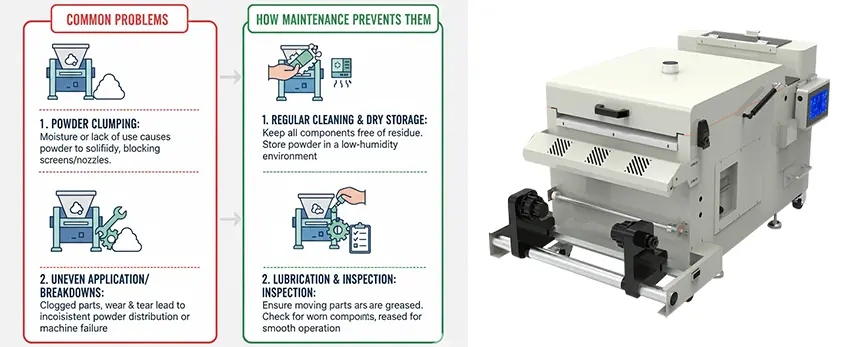
Here’s a quick look at the popular jinlong DTF powder shakers tailored for different setups:
| Model | Printer Compatibility | Size (Width) | Type | Key Features | Ideal For |
|---|---|---|---|---|---|
| jinlong DTF Mini-Shaker | A3 / A4 printers | 13\” (33 cm) | Compact Tabletop | Lightweight, easy setup, cost-effective | Home, small business |
| jinlong DTF Pro-60 | Up to 60 cm (24\”) printers | 24\” (60 cm) | All-in-One Shaker + Curing | Built-in curing oven, zero-smoke system, 98% powder recycling | Medium shops, high volume |
| jinlong DTF Max-70 | 70-100 cm wide printers | 27.5\” (70 cm) | Industrial Grade | Heavy-duty, dual motors, advanced filtration, 3-year warranty | Large factories, heavy use |
Key Advantages of jinlong DTF Shakers
- High powder recycling rate (up to 98%): Minimizes waste and saves costs.
- Zero-smoke fume extraction system: Keeps your workspace safe and clean, crucial for indoor use.
- Built-in curing options (Pro-60 and Max-70): Enhances efficiency by combining shaking and curing in one unit.
- Reliable 3-year warranty: Backed by strong after-sales and spare parts availability.
- Quiet operation: Suitable for home or office setups without creating noise disturbances.
For those scouting for quality and efficiency in 2026, the jinlong DTF line offers well-balanced choices from compact to industrial scales. Check out their efficient TPU DTF hot melt adhesive powder designed to pair perfectly with these shakers for best results.
Common Mistakes Beginners Make (and How to Avoid Them)
Starting with a DTF powder shaker can be overwhelming, and many beginners fall into avoidable traps. Here are some common mistakes and how to steer clear of them:
Buying Only by Price
Choosing the cheapest shaker may seem smart at first, but it often means sacrificing quality, durability, and features like powder recycling or fume extraction. Investing in a reliable model pays off long-term through better print quality and fewer maintenance headaches.
Ignoring Width Compatibility
Your powder shaker must match your printer’s width exactly—whether it’s a 24” (60 cm), A3, or larger format. Using the wrong size leads to uneven powder application, wasted material, and poor adhesion. Always double-check compatibility before purchasing.
Skipping Fume Extraction
DTF powder shaking releases fine particles and fumes that can affect your health and workspace air quality. Choosing a shaker without proper smoke or fume extraction risks respiratory issues and violates some safety guidelines, especially in home or office environments.
Choosing Manual Shakers When Volume Grows
Manual shakers are fine for very small runs but quickly become inefficient as your production increases. If you plan to grow beyond 200 prints per day, consider at least a semi-automatic shaker to maintain speed and consistent powder distribution.
Avoid these pitfalls, and you’ll save time, money, and headaches while keeping your prints top Quality. For more on integrating shaker systems seamlessly, check out our guide on the benefits of using a DTF printer shaker and oven in your workflow.
Maintenance & Longevity Tips for Your Powder Shaker

Keeping your DTF powder shaker in top shape means more consistent prints and longer machine life. Here’s how to maintain your shaker like a pro:
Daily/Weekly Cleaning Routine
- Wipe down surfaces to remove excess powder and dust—prevents clogging and buildup.
- Check and clean the shaking motors to avoid powder jams.
- Empty the powder collection trays regularly to ensure smooth recycling and prevent overflow.
- Run a quick inspection of sensors and emergency stops to confirm they work properly.
Best Practices for Powder Storage
- Store your DTF powder in a dry, cool place away from direct sunlight.
- Keep powder containers sealed tightly to avoid moisture absorption, which can cause clumping.
- Rotate powder stock to use older powder first—this improves print consistency.
When to Replace Belts, Filters, Heating Elements
- Belts: Replace if you notice slipping or unusual noises during operation.
- Filters: Change regularly to maintain efficient fume extraction and prevent machine overheating.
- Heating Elements: If the powder curing temperature drops or becomes inconsistent, it’s time for a replacement.
Regular maintenance not only boosts print quality but also helps you avoid costly repairs down the line. Following these tips will keep your shaker running smoothly in your busy setup.
For more tips on powder curing, check out this detailed guide on how to cure DTF powder properly with a heat press.
FAQ Section: Common Questions About DTF Powder Shakers
Can I use any powder shaker with any DTF printer?
Not always. It’s important to match the shaker width and features with your printer model. For example, smaller 13\” or A3 printers need compact shakers, while large-format printers require wider or industrial-grade units. Check compatibility to avoid issues like uneven powder application or jams.
Is a separate curing oven better than a built-in shaker oven?
Both have pros and cons. Built-in curing ovens save space and speed up workflow by combining steps. Separate ovens can handle larger volumes and often provide more precise temperature control. Your choice depends on production volume and workspace setup.
How much electricity does a DTF powder shaker use?
Power consumption varies by model, size, and features like heating elements and motors. Generally, tabletop shakers use between 100-300 watts, while industrial units can consume 1,000 watts or more. Consider your facility’s voltage and electricity costs when choosing.
Are Chinese-brand DTF shakers reliable in 2026?
Many Chinese brands have improved quality significantly. Leading models now offer advanced features such as anti-static systems and 98% powder recycling, backed by warranties and strong customer support. Look for proven brands like jinlong, which provide reliable options tailored for the US market.
What else should beginners know?
- Avoid buying just by price; functionality matters more.
- Ensure fume extraction is included to protect health.
- Consider upgrade paths as your business grows.
For more detailed advice on setup and maintenance, check out our guide on DTF printer, shaker, and oven workflow essentials.
If you have more questions about specific models or needs, our blog covers tips for choosing the right DTF powder shaker and keeping it running smoothly.


 English
  Español
  Deutsch
  Français