


How to Choose the Best Film Transfer Paper for Vibrant Durable Prints
If you’re serious about printing projects—whether you run a small shop, craft custom tees, or plan to scale up—knowing how to choose the best film transfer paper is a game changer. With so many options out there, picking the wrong DTF film or heat transfer paper can mean wasted time, money, and dull prints that just don’t last.
In this guide, we cut through the noise. You’ll learn exactly which specs matter most, how to avoid common pitfalls, and why pros swear by jinlong DTF for vibrant, durable transfers every time. By the end, you’ll have a clear roadmap to select the perfect film, so your prints pop and hold up wash after wash. Let’s get straight to it!
Understand the Main Types of Film Transfer Paper
When you\’re diving into film transfer printing, the first step is understanding the main types of film transfer paper available. Each type serves different needs, printers, and fabrics. Here’s a quick breakdown:
1. DTF (Direct-to-Film) PET Film
This is a polyethylene terephthalate (PET) based film designed specifically for direct printing with DTF inkjet printers. It’s popular because it holds vibrant colors well and works on various fabrics like cotton, polyester, and blends. DTF films usually require a hot peel and powdered adhesive for strong, durable transfers.
2. Sublimation Transfer Paper/Film
Sublimation film is great if you’re working solely with polyester fabrics or polymer-coated surfaces. It uses sublimation ink that turns to gas to infuse colors into the fabric fibers, leading to permanent, vibrant images. This film is not compatible with cotton and needs special sublimation printers.
3. Heat Transfer Vinyl (HTV) Release Liners vs Printable Films
HTV is a vinyl sheet you cut designs into and heat-press onto fabric. Unlike printable films, HTV is not digitally printed but relies on solid colors or specialty finishes. The release liners in HTV act as carriers but don’t hold printed images. Printable films, on the other hand, are designed to receive ink for custom designs.
Quick Comparison Table
| Type | Typical Use Case | Printer Compatibility | Fabric Compatibility |
|---|---|---|---|
| DTF PET Film | Custom multi-color prints | DTF inkjet printers (Epson, others) | Cotton, poly, blends |
| Sublimation Film | Polyester-only, vibrant designs | Sublimation printers | Polyester/polymer-coated items |
| HTV Release Liner | Solid color graphics, text | Cutting plotters (no printer) | Cotton, poly, blends |
This clear overview lets you pick the right film depending on your project, printer, and fabric type. In the next section, we\’ll dive into the key specs that really matter when choosing film transfer paper.
Key Specifications That Actually Matter
When choosing film transfer paper, some specs really impact your print quality and ease of use. Here’s what to focus on:
| Specification | What It Means | Why It Matters |
|---|---|---|
| Thickness (60–150 micron) | Thinner films (~60 micron) peel easier but feel lighter; thicker ones (~150 micron) offer durability but can feel stiff. | Affects peeling ease, hand feel, and print durability on different fabrics. |
| Coating Type | Single-side vs double-side coatings; instant peel (peels immediately) vs hot/warm/cold peel methods. | Coating controls ink absorption & release. Instant peel saves time; hot peel often gives better durability. |
| Heat Resistance (150–170°C) | Max oven/press temp film can handle without melting or warping. | Needed to survive curing without damaging print or fabric. |
| Anti-Static & Anti-Curl Properties | Reduces static cling & curling of sheets/rolls during printing and handling. | Prevents jams and ensures smooth feeding in printers. |
| Transparency / Back Coating Color | Clear films show brighter colors but can cause ghosting; milky/opaque coatings help ink vibrancy and ease alignment. | Choice impacts color pop and transfer appearance, especially on dark or light fabrics. |
Understanding these specs can make or break your printing experience. For example, premium DTF films often combine an instant-peel coating with anti-curl treatment, and a thickness around 90–110 micron for balanced handling and feel.
For more in-depth details, check out best DTF transfer film for beginners to see how these specs translate in real printing scenarios.
Performance Factors You Can’t Ignore
When choosing film transfer paper, pay close attention to these performance factors—they make all the difference in your final print quality and durability.
Color Vibrancy & Ink Absorption: The film must hold ink well to produce bright, sharp colors. Good ink absorption prevents smudging and fading, ensuring your designs pop on every fabric.
Wash Fastness (50+ Wash Tests): Real-world durability matters. Look for transfer films tested to last through at least 50 washes without cracking or fading, especially for garments worn often. This is a key measure of quality, particularly for cotton and polyester blends.
Stretch & Durability: Your chosen film should stretch with the fabric without peeling or cracking. Check compatibility with cotton, polyester, and blends—as some films perform better on certain fabrics than others.
Peel Experience (Hot, Warm, Cold Peel): Different films require different peel methods. Hot peel films release immediately after pressing, while cold peel films need cooling before removal. Choose one that fits your workflow—instant peel films like jinlong DTF often speed up production.
Powder Adhesion Strength (DTF-Specific): For Direct-to-Film printing, powder adhesion is crucial. Your film must bond strong enough with the hot-melt adhesive powder to avoid lifting or flaking during wear or wash.
Balancing these factors—not just price—helps avoid common issues and ensures your prints stand up to real use. For more on handling powder and ink types, check out our detailed DTF ink basics guide.
Compatibility Checklist
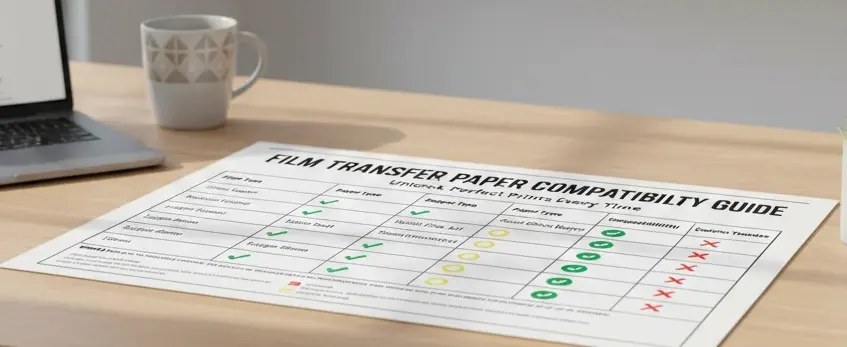
Choosing the right film transfer paper means making sure it works seamlessly with your gear. Here’s what to check before you buy:
Printer Compatibility
Not all film works with every printer. Popular printers like Epson, Roland, and Mimaki each have specs your film must meet. For example, Epson’s piezo ink technology pairs well with most DTF films designed for pigment inks, while sublimation films require printers compatible with sublimation inks.
Ink Type
DTF film uses pigment-based DTF ink, which sticks well to polyester and cotton blends. Sublimation film, on the other hand, only works with sublimation inks and polyester fabrics. Using the wrong ink with your film leads to poor print quality and durability issues. For details on optimal inks, check out our guide on choosing the right DTF ink for optimal print durability and vibrancy.
Curing Oven or Heat Press Requirements
Most DTF films need curing in a heat press or curing oven at temperatures around 150–170°C. Make sure your equipment meets the time and temperature settings specified for the film. Sublimation films usually require a heat press set specifically for sublimation timing and temps.
Software and ICC Profiles
For vibrant, color-accurate prints, your printer software should support ICC profiles matched to your film and ink combo. This helps eliminate color mismatches and ensures your design comes out true to your vision.
In , confirm your printer model, ink type, curing equipment, and software profiles all align with the film transfer paper you plan to use. This step helps avoid wasted materials and costly print failures down the line.
Common Mistakes That Ruin Prints (And How to Avoid Them)
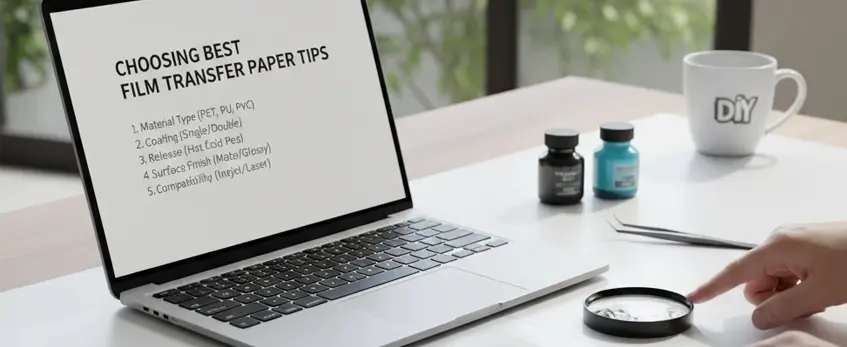
Picking the wrong film transfer paper can turn your prints into a frustrating mess. Here are some common mistakes to watch out for—and how to avoid them:
Buying cheap “no-name” film: It might save you money upfront, but low-quality film usually means poor ink absorption, weak powder adhesion (for DTF), and fading after a few washes. Stick to trusted brands like jinlong DTF to avoid costly reprints and unhappy customers.
Ignoring micron thickness for your garment type: Film thickness matters. Thinner films (around 60 microns) are better for lightweight fabrics, while thicker ones (up to 150 microns) suit heavier garments. Using the wrong thickness can lead to peeling issues or a stiff feel on softer fabrics.
Using the wrong peel method: Hot peel, warm peel, and cold peel – each needs specific timing and temperature. Ignoring the recommended peel method damages the print’s durability and vibrancy. Always follow the film’s peel guidelines carefully, especially if you’re using instant peel transfer film.
Storing film in humid or improper environments: Humidity causes warping, curling, and can weaken the film’s coating, leading to poor ink transfer. Keep your film rolls or sheets in a cool, dry place, sealed if possible. For tips on storing and handling, check out how professional print shops store their jinlong DTF film.
Avoiding these mistakes can save you time, money, and headaches while ensuring your prints look sharp and last long.
Budget vs Premium – When to Spend More
When choosing film transfer paper, price matters—but so does quality. Expect to pay anywhere from $0.15 to $0.60 per A3/A4 sheet, depending on the brand and film type. Cheap films might look like a money-saver upfront, but they often come with hidden costs like failed prints, poor wash durability, and unhappy customers. These issues can lead to reprints, wasted ink and powder, and ultimately, lost time and revenue.
To decide when you should invest more, do a quick break-even calculation: If a premium film reduces your print failures by 30% and increases customer satisfaction, it often pays off after just a few runs. For example, spending an extra $0.20 per sheet can save you $1 or more in reprint and material costs, meaning premium films like jinlong DTF premium coatings quickly justify their price for serious print shops.
In short, choose budget films for low-volume or test projects, but when quality and reliability matter, going premium keeps your business running smooth and customers coming back.
Top Film Transfer Paper Brands in 2025 (Honest Comparison)
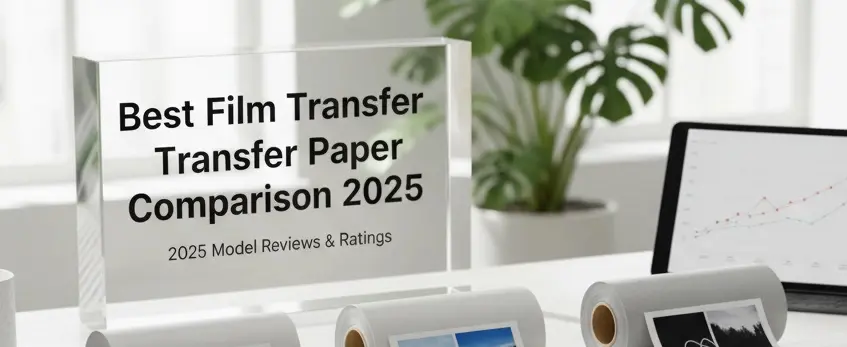
When choosing film transfer paper, brand reputation and proven performance matter. Here’s a quick look at the top film transfer paper brands in 2025.
| Brand | Price per Sheet (A4/A3) | Wash Durability | Peel Type | User Reviews |
|---|---|---|---|---|
| jinlong DTF | $0.40–$0.60 | 100+ washes (premium) | Instant hot peel | 4.8/5 (consistent) |
| Supvan | $0.30–$0.50 | 50+ washes | Hot & warm peel | 4.2/5 |
| STS | $0.25–$0.45 | 40–50 washes | Cold peel | 3.9/5 |
| Hansol | $0.20–$0.40 | 40 washes | Warm peel | 3.8/5 |
| Generic Amazon Brands | $0.15–$0.30 | 20–30 washes | Varies | 3.0/5 |
Why Jinlong DTF Stands Out
Jinlong DTF film leads with a premium coating that holds vibrant inks and ensures excellent powder adhesion. Its instant hot peel feature lets you work faster without waiting, and the durability exceeds 100 washes on cotton/poly blends — perfect for professional print shops. Plus, consistent release means fewer misprints.
You can explore jinlong’s premium and pro series films like the jinlong DTF single pro series to find the option that fits your needs and budget.
Other Brands to Consider
- Supvan: Great for businesses needing solid wash fastness and versatile peel options.
- STS & Hansol: Affordable choices but usually don\’t match premium brands on durability. Better for short-run jobs or beginners.
- Generic Amazon Brands: Cheapest but riskier. Often hit-or-miss in terms of print quality and longevity.
In short, if your printing projects demand top-tier performance, jinlong DTF is the go-to. On a tighter budget, Supvan or STS can do the job, but always expect trade-offs in wash durability and peel consistency.
How to Test Film Transfer Paper Before Buying 1,000 Sheets
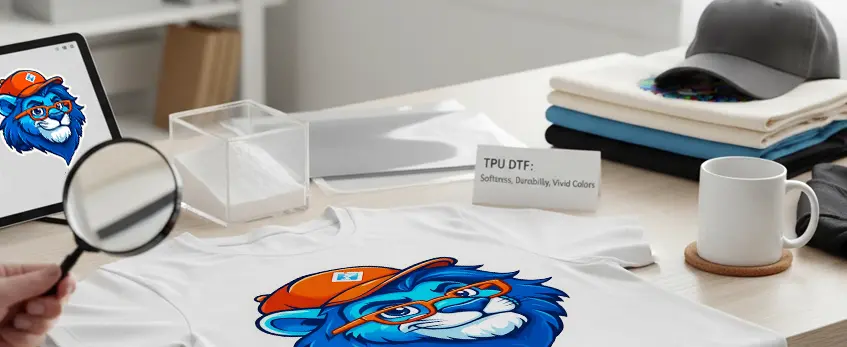
Before committing to a bulk order, testing film transfer paper is a smart move to avoid costly mistakes. Start by ordering samples, and if you’re interested in high-quality options, you can get reliable jinlong DTF samples directly from trusted suppliers like jinlongprints.com. Sampling helps you evaluate the film\’s performance without overspending.
Here’s a simple 5-print test protocol to follow:
- Print Vibrancy Test: Check how bright and crisp the colors appear. Good film should deliver sharp, vibrant results with your CMYK + white inks.
- Wash Durability Test: After printing, wash the fabric multiple times (ideally 50+ wash cycles) to see if the print holds up without fading, cracking, or peeling.
- Stretch Test: Stretch the fabric gently to ensure the print remains flexible and doesn’t crack or lose adhesion, essential for cotton and polyester blends.
- Peel Test: Try peeling the film at recommended temperatures (hot, warm, or cold peel). A smooth, consistent peel without residue means quality film.
- Powder Adhesion Check (for DTF): If using DTF, test how well the adhesive powder sticks and melts to the film. Poor adhesion can ruin transfers.
What “good” results look like: Vibrant and even prints with excellent wash and stretch durability, clean peeling, and strong powder adhesion. If your sample passes these tests, you’re ready to order your 1,000 sheets confidently.
Testing this way ensures you pick a film that works perfectly with your setup, saving you headaches and money down the line. For a great starting point, consider ordering the jinlong DTF Transfer Film A4 Single Pro Series, known for its consistent quality in professional heat transfer projects.
Pro Tips from Print Shops Using jinlong DTF Daily
Print shops that use jinlong DTF film every day have nailed down some best practices to get consistent, high-quality results. Here are their top tips to help you maximize your prints:
Best Heat Press Settings for jinlong DTF Film
- Temperature: Set your heat press to around 160–170°C (320–338°F).
- Pressure: Use medium pressure to ensure good adhesion without crushing the fabric.
- Time: Press for 15–20 seconds for instant hot peel films like jinlong’s premium line.
- Peeling: Peel the film while it’s still hot to get a clean release and sharp detail.
Adjust slightly based on fabric type and printer model, but these settings work well across cotton, polyester, and blends.
How to Store Rolls and Sheets for Zero Curling
- Store your jinlong DTF rolls or sheets flat or upright in a cool, dry area.
- Avoid humidity and direct sunlight to prevent curling or edge lifting.
- If curling occurs, place under a heavy flat surface overnight to flatten before use.
- Use anti-curl DTF film options if curling persists regularly in your environment.
Getting Maximum Vibrancy with CMYK + White
- Use jinlong’s premium DTF pigment inks, layering White ink as a base for vibrant colors on dark fabrics.
- Calibrate your ICC profiles for your Epson or Roland printer to optimize color density.
- Print white ink first for true color pop, then CMYK layers on top.
- Avoid heavy ink saturation that causes bleeding—fine-tune your print setting for crisp edges.
Following these pro tips ensures your prints with jinlong DTF film stand out with sharp details, vibrant colors, and lasting durability. For a detailed overview on using DTF film, check out the comprehensive DTF printing core process analysis to get started right.
Final Recommendation – Which Film Should You Choose?
Choosing the right film transfer paper depends on your budget, fabric types, and desired print quality. Here’s a quick guide to help you pick the best option for your printing projects:
| Film Type | Best For | Key Benefits | When to Choose |
|---|---|---|---|
| jinlong DTF Premium Instant-Peel Film | Professional print shops, high-volume runs | Outstanding wash durability (100+ washes), instant hot peel, vibrant colors | When you need top-notch quality and fast production with minimal fuss |
| jinlong DTF Standard Film | Startups, budget-conscious users | Great balance of price and performance, reliable peel, good wash fastness | When you want affordable quality without sacrificing too much durability |
| Sublimation Transfer Film | Polyester fabrics only | Brilliant color vibrancy on polyester, no peeling required | When printing on 100% polyester or light-colored synthetic fabrics |
Why Choose jinlong DTF Premium Instant-Peel Film?
This film stands out with its premium PET coating that ensures strong powder adhesion and vibrant prints. The instant hot peel saves time during production and offers a smooth peel experience, making it ideal for businesses aiming for consistent, high-quality transfers. Plus, its 100+ wash durability means customers get long-lasting results.
When to Consider jinlong DTF Standard Film
If you’re just starting out or managing costs, the standard film offers a solid option. It works well with cotton, polyester, and blends, delivering vibrant prints with reliable peel and wash resistance at a more budget-friendly price.
Sublimation Film: The Polyester Specialist
Sublimation film shines for 100% polyester garments. Unlike DTF, sublimation dyes the fabric fibers directly, giving vibrant colors that won’t crack or peel. However, sublimation requires polyester fabric and compatible printers, so if you’re working mainly with cotton or mixed fabrics, stick to DTF films.
For more details on the cutting-edge performance of jinlong DTF, check out their Premium Double Pro Series that professional print shops rely on.
In short: Pick jinlong DTF Premium Instant-Peel Film for the best all-around performance, Standard Film for cost-conscious projects, and sublimation film when working exclusively with polyester. This choice will keep your prints sharp, durable, and customer-ready every time.


 English
  Español
  Deutsch
  Français