


How to Choose the Best DTF Transfer Machine for Apparel Production
Understanding DTF Machines: The Basics for Apparel Producers
If you’re diving into apparel production and wondering, “What exactly is a DTF machine?”—you’re in the right spot. DTF stands for Direct to Film, a growing printing method that’s changing the game for custom apparel makers, small businesses, and larger operations alike.
Core Components You Should Know
Here’s a quick rundown of the essential parts that keep your DTF transfer machine humming:
- Printhead: Delivers vibrant and precise prints directly onto the film. Look for models with high-resolution heads for sharp details.
- Ink System: Uses specialized DTF inks, including opaque white ink. Circulation systems here prevent clogging and keep prints bright.
- Powder Shaker: Applies a special adhesive powder evenly onto freshly printed film—key for transfer durability.
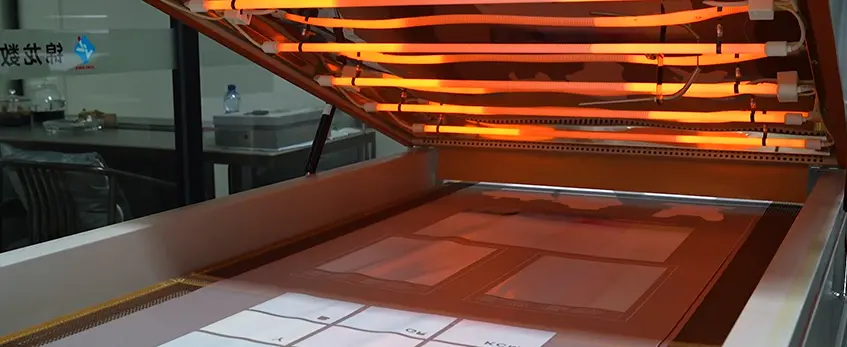
- Curing Oven: Melts and sets the powder, making sure transfers stick well once pressed.
- Heat Press Integration: Needed to finally transfer the design onto apparel. Many setups work with most standard heat presses.
Types of DTF Machines: What Fits Your Operation?
DTF machines come in various sizes and production capacities designed to fit different business needs:
- Entry-Level A4/A3 Machines: Great for beginners or small batch orders. Compact, affordable, and perfect for startups or side hustles.
- Mid-Range 2-Head Systems: Balanced speed and quality for growing studios producing 40-60 prints per hour.
- Industrial 4-5 Head Machines: Built for serious volume with automation features like auto-feeders, perfect for factories and high-output shops.
-

JL-DTF301B A3 DTF Printer XP600 【Applicable to beginner sets】
View more View more -
JL-DTF302S DTF Digital Printer
View more View more -
JL-DTF602S DTF Digital Printer Best Product Print Quality Package
View more View more -
JL-DTF604S DTF Digital Printer Best Product Print Quality Package
View more View more -
JL-DTF604P DTF Digital Printer [Pro Series]
View more View more


![JL-DTF604P DTF Digital Printer [Pro Series]](http://jinlongprints.com/wp-content/uploads/2025/07/JL-DTF604P-300x300.webp)
Quick Comparison: DTF vs. DTG vs. Screen Printing
Choosing the right printing tech means comparing cost, compatibility, setup, and durability. Here’s a quick snapshot:
| Feature | DTF Transfers | DTG Printing | Screen Printing |
|---|---|---|---|
| Initial Cost | Moderate ($2,000 – $15,000) | Higher ($10,000+) | Low for setup; high for colors |
| Fabric Types | Versatile (cotton, polyester, blends, non-textiles) | Best on cotton and light fabrics | Best on cotton and polyester |
| Setup Time | Fast (digital + powder coat) | Medium (preparation + printing) | Slow (stencils, inks prep) |
| Print Durability | High (flexible, wash-resistant) | Moderate (softer prints) | Very High (long-lasting) |
DTF shines as a flexible, cost-effective option with high durability and faster setup than traditional screen printing. Plus, it plays well on a wide variety of fabrics—including polyester, which DTG struggles with.
Understanding these basics puts you in control of picking the right gear so your apparel production runs smooth and your prints pop. But here’s the game-changer: Knowing your production needs and machine types sets the foundation for success. Next, we’ll break down the key factors to consider before making the purchase. Ready to find the perfect match?
Key Factors to Consider When Choosing a DTF Machine
When picking the best DTF transfers machine for your apparel production, there are several important factors to keep in mind:
Production Volume and Speed: Think about how many prints you plan to produce daily. If you need higher output, machines with multi-head configurations—like 2-head or industrial 4-head models—can speed things up and handle bigger workloads efficiently.
Print Quality and Resolution: Look for machines offering at least 1440 DPI resolution to ensure sharp, vibrant prints. A reliable white ink circulation system is also crucial to avoid clogs and keep colors consistent, especially for printing on dark fabrics.
Material Versatility: Your DTF printer should work well not just on cotton but on a variety of fabrics including polyester—and even some non-textiles. This versatility expands your printing options and meets diverse customer needs.
Size and Workspace Fit: Consider the machine’s bed size and overall footprint. Choose a model that fits comfortably in your workspace without sacrificing the print area you require. Compact models are great for small studios, while bigger machines suit high-volume operations.
Software and Ease of Use: User-friendly RIP software with auto-calibration features makes managing prints easier and reduces mistakes. Intuitive interfaces save time, letting you focus on production instead of troubleshooting.
Finding a DTF machine that balances these factors can make your apparel production smoother and more profitable. For example, pairing your printer with quality materials like specialized DTF transfer films ensures consistent results and durability.

Budget Breakdown: Balancing Cost with Long-Term Value
Starting with your budget, it’s important to understand the full financial picture when choosing a DTF transfers machine. Entry-level models for small businesses or beginners usually start under $3,000, while mid-range and industrial DTF machines can run significantly higher depending on features and print capacity. Besides the machine itself, don’t forget to factor in supplies like ink and powder, which are ongoing expenses essential for daily operation.
Ongoing costs include:
- DTF ink and powder: Quality supplies matter for vibrant, durable prints. Low-cost consumables might save money upfront but can increase waste or downtime.
- Maintenance: Regular upkeep keeps your machine running smoothly, from printhead cleaning to replacing worn parts.
- Energy and utilities: Some machines with curing ovens or multiple print heads consume more power.
It’s also smart to watch out for hidden fees, such as expensive shipping or limited warranties that could lead to costly repairs down the line.
When weighing your options, calculate the Total Cost of Ownership (TCO) rather than just the purchase price. A machine with low waste, high uptime, and reliable support often delivers better long-term value and quicker ROI. For detailed insights on balancing costs and returns, check out this expert ROI analysis for DTF printers.
Top Features That Drive Efficiency in Apparel Production
Choosing the best DTF transfers machine means focusing on features that boost productivity and cut hassles. Here are the key elements that make a difference:
Automated Powder Shaking & Curin
Machines with automatic powder shakers and curing ovens reduce manual labor and speed up production. This means fewer mistakes and consistent prints.
Ink Circulation Systems
Keeping white ink constantly mixed prevents clogging and downtime. Look for systems designed to keep ink flowing smoothly during long runs.
Durability Tested Prints
Quality DTF machines produce prints that survive multiple wash cycles without fading, maintaining vibrant colors on various fabrics like polyester and cotton.
Eco-Friendly Materials
Low-VOC inks and recyclable films help reduce environmental impact—important for sustainable apparel brands.
Integration & Connectivity
USB and Wi-Fi support simplify design uploads, allowing quick job changes and easier workflow management.

| Feature | Benefit | Why It Matters |
|---|---|---|
| Automated powder & curing | Cuts down manual steps | Saves time, consistent quality |
| Ink circulation system | Prevents clogs and print interruptions | Keeps machines running longer |
| Durability testing | Ensures wash resistance | Long-lasting apparel value |
| Eco-friendly inks & films | Environmentally responsible | Appeals to green-conscious buyers |
| USB/Wi-Fi connectivity | Faster design transfers and workflow | Boosts production flexibility |
Investing in these features ensures your DTF machine supports both steady output and high-quality apparel printing. For more on choosing the right ink for your machine, check out this detailed guide on DTF ink CMYK and maintenance.
Top DTF Machine Recommendations for Different Apparel Scales
Choosing the right DTF transfers machine depends a lot on your production size and budget. Here\’s a quick guide to help you pick the best fit for your apparel business.
| Scale | Recommended Machine | Key Features | Ideal For | Price Range |
|---|---|---|---|---|
| Beginners/Small Batches | Compact A3 DTF Models | Small footprint, easy setup, under 3,000 prints/month | Hobbyists, small custom orders | Under $3,000 |
| Mid-Size Studios | 2-Head DTF Systems | 40-60 prints/hour, better speed and quality | Growing studios, local shops | $5,000–$10,000 |
| High-Volume Production | Industrial 4-Head Units w/ Auto-Feeders | Continuous operation, auto powder shaking, large bed sizes | Large production houses, fast turnaround | $15,000+ |
Best for Beginners/Small Batches
If you\’re just starting or printing small batches, compact A3 DTF printers are excellent. These machines fit easily into tight spaces, require minimal setup, and still deliver sharp prints on a variety of fabrics. Many models come with simple software and reliable white ink circulation, making your custom t-shirt DTF setup hassle-free.
Best for Mid-Size Studios
For studios that need higher output without huge upfront costs, 2-head DTF machines hit the sweet spot. They print around 40-60 pieces per hour, with improved color and white ink management. This range is ideal if you’re scaling your custom apparel business but still need to control investment.
Best for High-Volume Production
If you’re running a full-scale apparel production, industrial 4-head DTF machines are the way to go. These systems feature auto-feeding, automated powder shaking, and larger print beds to optimize speed and reduce downtime. They’re built for durability and long runs with consistent quality.
Spotlight on jinlong DTF Machines
Jinlong DTF transfers machines stand out across all categories because of their robust build quality and high print standards. With 1440 DPI resolution and reliable starter kits, jinlong printers offer vibrant prints with minimal waste. Their faster output and easy integration into apparel workflows make them a top choice for both new and established businesses.
Looking for the right inks or powders? Consider exploring the DTF ink CMYK options and the TPU hot-melt adhesive powder designed to match jinlong DTF machines perfectly. This way, you ensure compatibility and top-quality prints right from the start.
Maintenance and Troubleshooting: Keeping Your Machine Running Smooth
Keeping your DTF transfers machine in top shape means sticking to simple daily and weekly maintenance. Here’s what to focus on:
- Daily tasks: Clean the printheads gently, check ink levels to avoid drying or clogging, and remove any leftover powder residue after curing.
- Weekly care: Deep clean the ink system and perform thorough checks on the powder shaker and curing oven to prevent buildup or malfunction.
Common issues you might face include printhead clogging, uneven curing that affects print quality, and powder clumping. When these happen, quick troubleshooting or reaching out to reliable customer support can save time and money.
Pro tips:
- Keep a close eye on your ink and film inventory to avoid sudden shortages.
- Schedule annual service checks with a technician to prolong your machine’s lifespan.
- Use high-quality consumables like the recommended TPU hot melt adhesive powder to reduce maintenance hassles.
Following these steps will help your DTF printer stay reliable, so your apparel production keeps running smoothly without unexpected stops.
Real-World Case Studies: Success Stories in Apparel Production

Many apparel producers have seen impressive results by switching to a reliable DTF transfers machine like the jinlong DTF printer. For example, one startup scaled their production from just 50 to 500 tees per week by investing in a jinlong system. The machine’s 1440 DPI print quality and faster output made it possible to increase volume without sacrificing detail or color vibrancy.
Another print shop managed to cut their curing costs by 40% thanks to the jinlong DTF’s efficient powder shaking and curing oven integration. This not only saved money but also reduced labor hours, making the production process leaner and more sustainable.
These success stories highlight how adapting to seasonal demand and staying on top of design trends can be easier with a flexible DTF setup. The ability to quickly switch designs, print on various fabrics, and maintain consistent color quality using proper ink and film supplies—like those recommended in jinlong’s product range—helps shops stay competitive year-round. For example, you can find helpful tips on maintaining color consistency in the comprehensive color management basics guide, ensuring your prints look professional no matter the season.
FAQs: Quick Answers on DTF Machines for Apparel
Is there a steep learning curve for DTF printing?
Not really. DTF printing is quite user-friendly, especially with machines like the jinlong DTF printers that come with intuitive software and straightforward setup. With some basic training and practice, most users can produce great prints within days.
Can I print on synthetic fabrics like polyester?
Yes! One of DTF’s advantages is its versatility. It works well on both natural fibers and synthetic materials, including polyester, nylon, and blends. The key is using the right ink and powder combo for vibrant, durable prints. For details on powder differences, check out this guide on hot-melt powder types and applications.
How does jinlong DTF compare to other brands?
jinlong DTF machines stand out for their robust build quality, reliable 1440 DPI print resolution, and fast output speeds. They also offer starter kits ideal for businesses scaling up production. Many apparel producers find jinlong a great balance of performance and cost compared to competitors.
Are there hidden costs I should watch for?
Watch out for extras like shipping fees, warranty costs, and buying cheap consumables that lead to downtime or lower print quality. Calculating the total cost of ownership helps you avoid surprises and get the best ROI on your DTF transfer machine.
Can I operate the machine remotely or integrate it easily?
Most modern DTF machines, including those from jinlong, support USB and Wi-Fi connectivity for smooth design transfers and remote operation, boosting your workflow efficiency.
If you’re diving into custom apparel printing, these FAQs should help you tackle common concerns and make a confident purchase decision. For a detailed overview of why the XP600 jinlong DTF printer ranks high in 2025, check this in-depth custom apparel printing review.


 English
  Español
  Deutsch
  Français