


How to Choose the Best DTF Film for High Quality Prints in 2026
Anatomy of a Premium DTF Film
Choosing the best DTF film starts with knowing what makes up a premium PET transfer sheet. Here’s a quick breakdown of the core layers that impact print quality and durability:
Base Layer (PET)
At the heart of every DTF transfer film is the polyethylene terephthalate (PET) base. Its quality directly affects optical clarity and overall durability. High-grade PET film is crystal clear, smooth, and sturdy, which ensures:
- Sharp image transparency during printing
- Stable handling without warping in the curing oven
- Consistent thickness (often 75 micron in top films) for reliable feeding
The Release Layer
Underneath the PET base is the release layer, engineered scientifically to strike the perfect balance between adhesion and release. During printing, it must hold ink firmly; during heat pressing, it should release smoothly without damaging the print. The release liner quality influences:
- Powder adhesion precision
- Transfer peel behavior (hot peel, cold peel, or instant)
- Reduction of ghosting or smudging in final prints
The Ink-Absorbing Coating
The ink-absorbing coating is the magic behind high-resolution output. This specialized layer soaks up the DTF inks evenly and preserves the vibrancy and opacity, especially for high-opacity white ink. A uniform coating prevents defects like pinholes and ink bleeding, enabling:
- Crisp details and strong color saturation
- Better wash fastness rating after production
- Compatibility with different ink types
Single-sided vs. Double-sided Coating
Why is double-sided matte DTF film now the industry standard for 2026? Simple: it offers superior powder adhesion and print sharpness compared to single-sided coatings. Double-sided coatings ensure:
- Matte finish that reduces glare and improves image quality
- Even ink and powder coverage on both sides of the film
- Enhanced durability and transfer consistency for high-volume production
Putting it all together, the right combination of a high-quality PET base, scientifically engineered release layer, and advanced double-sided matte ink-absorbing coating defines the best DTF films for high-quality prints. Knowing these layers helps you pick the perfect textile transfer media for any project.
Key Selection Criteria: The 5 Pillars of Quality

Choosing the best DTF film means checking these five critical factors. Each one impacts print quality, durability, and ease of use.
| Pillar | What to Look For | Why It Matters |
|---|---|---|
| Ink Loading & Absorption | Film that handles high-opacity white ink well without bleeding or smudging | Prevents color bleed, supports sharp, vibrant prints |
| Coating Uniformity & Texture | Smooth, pinhole-free surface; matte vs. glossy finish depending on desired look | Avoids fisheyes and defects that ruin prints; matte double-sided coating is top industry choice in 2026 |
| Release Method | Hot peel, cold peel, or instant peel options depending on workflow and fabric type | Each method offers benefits—hot peel is faster, cold peel reduces heat damage |
| Anti-Static Properties | Films with anti-static coating to reduce dust and powder buildup | Keeps printhead clean and ensures smooth powder adhesion |
| Thickness (Microns) | Balanced thickness—usually around 75 microns—for smooth feeding and transfer without warping | Too thin causes wrinkles; too thick can jam printer mechanisms |
Testing these aspects before you buy is key. Look for films known in the US market for reliable ink absorption and excellent powder release. For more on smooth powdering techniques alongside high-quality films, check out our guide on DTF printer shaker and oven vs. manual powdering.
By focusing on these five pillars, you’ll select a DTF transfer film that delivers consistent, high-resolution prints with great durability.
Troubleshooting: Signs You Are Using Inferior Film

Using low-quality DTF transfer film can lead to frustrating issues that hurt your print quality and production speed. Here are some common signs to watch for:
Oily Residue Causes and Prevention
If your prints end up with a greasy or oily residue, it usually means the release layer is poorly formulated. This residue can interfere with proper powder adhesion and make colors look dull. To prevent this, choose films with a high-quality, clean release liner and consistent coating—like the ones Jinlong offers with clean-room manufacturing standards.
Powder Adhesion Issues: Powder Sticking to Background Instead of Ink
A critical part of DTF printing is the powder sticking only to the ink areas. If powder sticks to unwanted spots, it’s often due to uneven or low-quality ink-absorbing coatings on the PET transfer sheets. This causes powder to cling to the background, wasting materials and ruining prints. Films with uniform coating and excellent anti-static properties reduce this problem and ensure proper powder adhesion and clean outlines.
Warping Under Heat: Low-Grade PET Buckling in Curing Oven
High heat during curing can warp cheap DTF film, causing buckling or misfeeds in your printer. Inferior PET bases lack the right thickness and rigidity to withstand high curing oven temperatures without distortion. Look for films around 75 microns thickness or higher to balance flexibility and strength, ensuring smooth feeding and flat transfers.
If you want to avoid these headaches, stick with premium DTF films engineered for high-opacity white ink compatibility and reliable wash fastness ratings. For detailed steps on setting up your printer for the best results, check out our DTF transfer printer setup guide.
Future Trends: What \”Best\” Means in 2026

As the DTF printing world evolves, what counts as the best DTF film in 2026 is shifting fast. One big trend is eco-friendly compositions. More manufacturers are turning to recyclable PET bases, cutting waste without sacrificing the clarity and durability that professionals expect from PET transfer sheets.
Faster curing times are another game-changer. New films designed to melt at lower temperatures help save energy and speed up production, making high-volume runs more efficient. This is especially important for shops aiming to reduce costs and environmental impact simultaneously.
Compatibility is also key. The newest films must work seamlessly with cutting-edge printheads like Epson’s i3200 series. Matching the right DTF transfer film types to your printer ensures top-notch ink absorption and crisp detail—two essentials for creating vibrant, lasting prints.
For a deeper dive into how to choose the right film and keep up with these shifts, check out Jinlong’s guide on DTF shirt printing basics. Staying ahead means picking films that balance performance, sustainability, and printhead compatibility perfectly.
Why Jinlong DTF is the Professional’s Choice
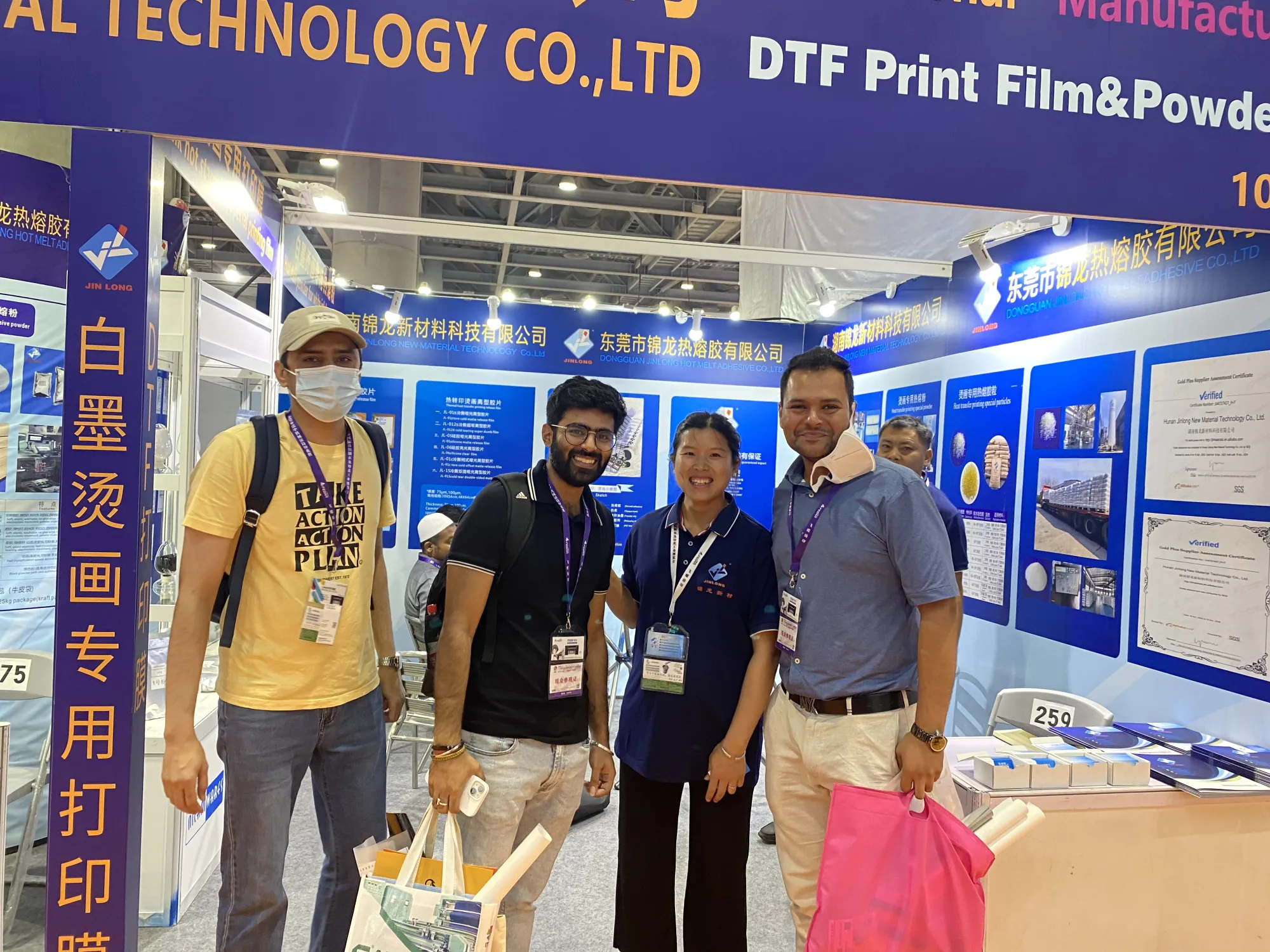
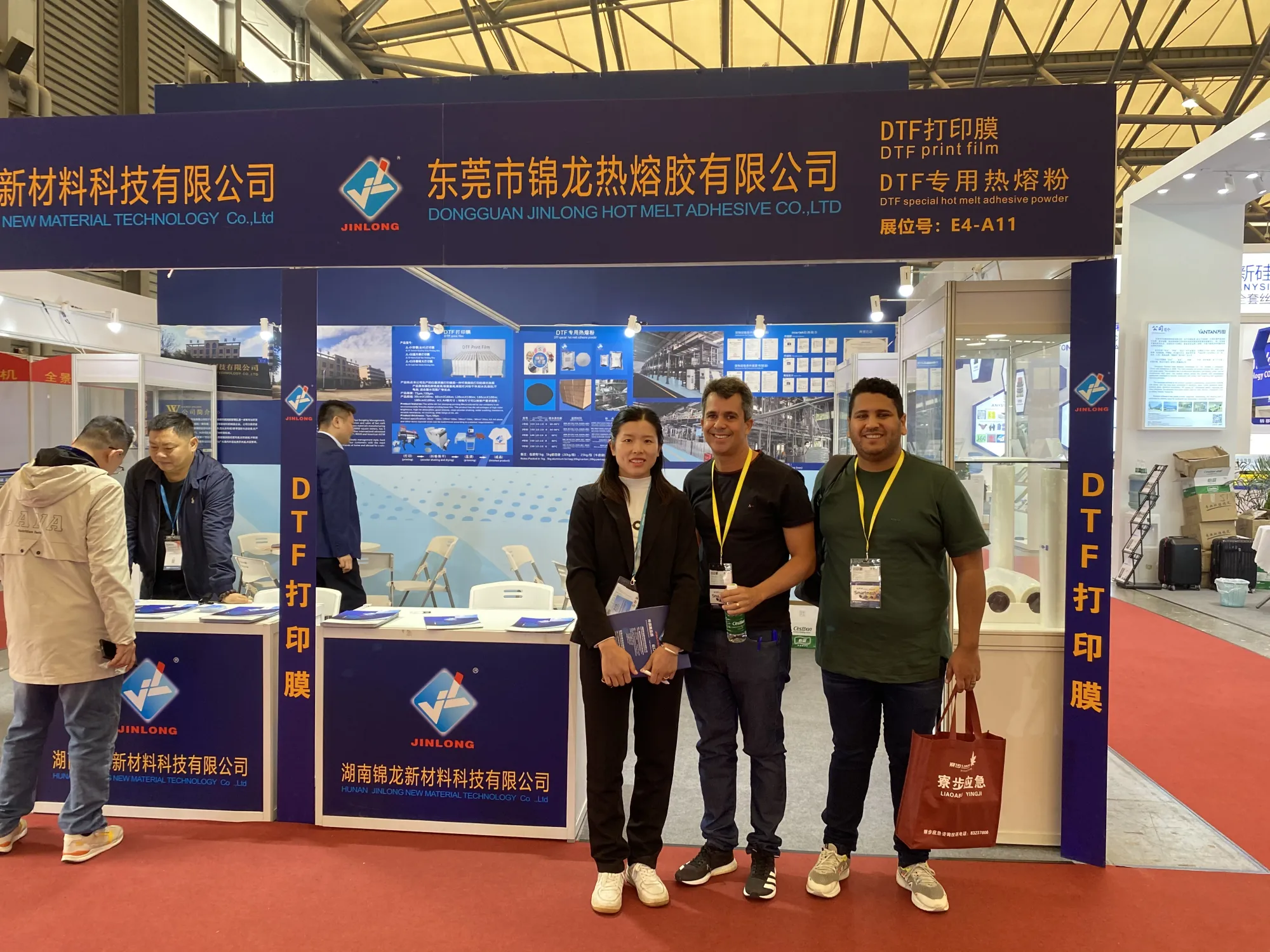
When it comes to choosing the best DTF film, Jinlong stands out because of its strict manufacturing standards. Their films are coated in clean-room environments, which means every sheet is consistent and free from contaminants that could affect print quality. This tight quality control ensures excellent ink absorption capacity and smooth powder adhesion, crucial for sharp, high-opacity white ink prints and long-lasting transfers.
Jinlong offers tailored product options depending on your needs. For high-speed production, their durable double-sided matte DTF films perform flawlessly on fast printers without sacrificing detail. Meanwhile, boutique custom print shops can choose from their specialized lines that deliver vibrant colors and precision on smaller runs. Whether you’re after robust PET transfer sheets for heavy workloads or more delicate, artistic prints, Jinlong’s range covers the full spectrum of Direct to Film printing supplies.
If you want to optimize your setup, consider pairing Jinlong films with the right ink and powder for superior wash fastness ratings and compatibility with the latest printhead technology, like Epson i3200. This ensures your final product not only looks great but holds up in real-world use. For more insight on the science behind the ink you use, check out our detailed guide on white inkjet ink and how it works.


 English
  Español
  Deutsch
  Français