


How to Choose the Best A3 DTF Transfer Film for Vibrant Durable Prints
Understanding A3 DTF Transfer Film Basics
If you’re new to A3 DTF transfer film, here’s a quick run-down to get you started.
What is DTF Transfer Film (PET Film)?
- Structure: DTF film is typically made from PET (polyethylene terephthalate), a clear, durable plastic base.
- Coating: One side has a special coating to hold DTF ink and powder.
- How it works: You print your design in reverse on the coated side, apply heat-activated adhesive powder, and heat-press it onto fabric. The film transfers ink and adhesive perfectly.
A3 Sheets vs. Rolls for Desktop Printers
| Feature | A3 Sheets | Rolls |
|---|---|---|
| Size | Pre-cut 11.7\” x 16.5\” sheets | Continuous length, cut to size |
| Printer Type | Best for standard A3 desktop printers | Used in wide-format or custom setups |
| Handling | Easier to load, less waste | Flexible but needs more care to avoid jams |
| Cost | Slightly more expensive per sheet | More cost-effective for volume printing |
Common A3 DTF Transfer Film Specs
| Specification | Options & Notes |
|---|---|
| Thickness | 75μm (thin, flexible), 100μm (thicker, durable) |
| Side Coating | Single-sided (coated on one side), double-sided available but less common |
| Finish | Matte (soft feel, subtle look) or Glossy (vibrant, striking colors) |
Knowing these basics will help you pick the right A3 DTF PET film for your printer and project needs.
Key Factors to Consider When Selecting A3 DTF Film
When choosing the best A3 DTF transfer film for your printer, several factors play a crucial role in ensuring quality results.
Printer Compatibility and Ink Absorption
First, make sure the DTF film works well with your specific printer model and ink type. The film’s coating must absorb inks evenly to deliver sharp, vivid prints without clogging nozzles or causing smudging.
Peel Type: Hot Peel, Cold Peel, or Hybrid
Peel type affects your workflow and final output.
- Hot peel films allow you to remove the film immediately after pressing, speeding up production but requiring precise timing.
- Cold peel films give you a bit more flexibility, letting transfers cool down before peeling, which can improve finish on complicated designs.
- Hybrid films offer a middle ground but might not excel in speed or finish.
Thickness and Durability
DTF film thickness (usually 75μm or 100μm) matters for handling and transfer success. Thicker films are more durable and easier to work with but may require adjustments in press settings. Durability also impacts wash resistance — tougher films tend to last longer on garments.
Adhesive Powder Adhesion and Color Vibrancy
Good quality adhesive powder must stick evenly to the printed film, enhancing color vibrancy and transfer strength. A consistent bond ensures your designs won’t fade or crack after washing.
Heat Resistance and Release Properties
Choose films that stand up to heat without warping or leaving residue on your heat press. Reliable release properties make peeling cleaner and prevent stickiness issues.
Fabric Compatibility
Different fabrics respond differently to DTF transfers. Check if the film is optimized for:
- Cotton (soft hand feel)
- Polyester (color brightness)
- Blends (balanced performance)
- Stretch materials (elasticity without cracking)
For best results, pairing quality films like Jinlong DTF transfer film with proper adhesive powders ensures vibrant, durable prints suitable for a variety of fabrics and printing setups.
Types of A3 DTF Transfer Film
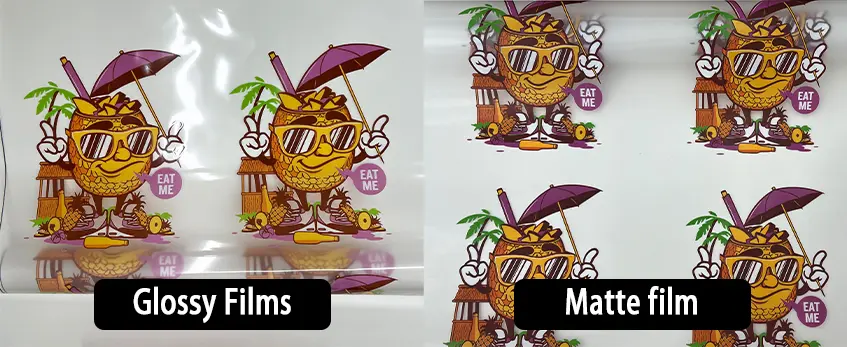
When choosing A3 DTF PET film, it’s important to know the types available, as each suits different printing needs. Here’s a quick breakdown:
Standard Matte Cold-Peel Films: These provide a soft hand feel, which works great for casual wear or fabrics that need a more natural texture. Cold peel means you wait for the film to cool before removing it, helping deliver smooth finishes and more durable prints.
Glossy Films: If you want bolder, more vibrant colors, glossy A3 DTF transfer sheets are your go-to. The shiny finish makes colors pop, perfect for designs that demand extra brightness and eye-catching results.
Instant/Hot-Peel Options: Hot-peel films speed up your production since you can peel the transfer immediately after heat pressing. This saves time but requires careful temperature control to avoid any warping or residue. For more on hot vs. cold peel benefits, this comparison guide is helpful.
Premium Coatings: Some premium DTF films come with enhanced elasticity and anti-static properties. These improve powder adhesion and reduce printing defects, making them ideal for high-volume work and tougher fabrics.
Selecting the right type depends on your printer, fabric, and production goals. Matching your film to your workflow ensures consistent, durable, and high-quality DTF transfers every time.
Common Mistakes to Avoid When Buying A3 DTF Film
When selecting A3 DTF transfer film, avoid these common pitfalls to ensure smooth printing and high-quality results:
Choosing the wrong thickness: Using a film that’s too thick or too thin can cause printer jams or poor ink absorption. For example, 75μm vs. 100μm thickness matters depending on your printer model and handling needs.
Ignoring peel type compatibility: Mixing hot peel films with a cold peel process—or vice versa—can lead to incomplete transfers or wasted materials. Match your A3 DTF PET film peel type to your heat press workflow to prevent delays.
Poor storage habits: DTF films are sensitive to humidity and temperature. Storing your film incorrectly can cause curling, adhesive failure, or inconsistent print quality over time.
Going for cheap, low-quality films: Low-cost A3 direct to film sheets might save money upfront but often feature uneven coatings or weak adhesive powder adhesion, harming transfer durability and color vibrancy.
By steering clear of these mistakes, you’ll get better results and avoid wasting ink and materials. For detailed insights on the printing process and best practices, check out our guide on how to choose the best DTF ink printer for vibrant and durable prints.
Top Recommendations for A3 DTF Transfer Film
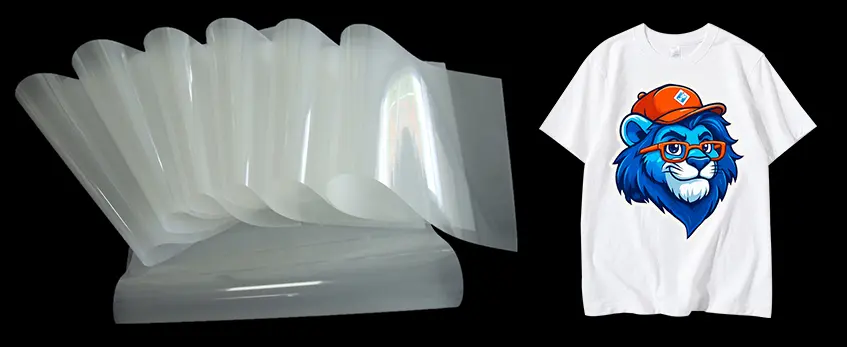
When it comes to choosing the best A3 DTF transfer film, jinlong DTF stands out for several reasons. Its superior coating ensures a clean release from the PET film, which means less residue and smoother prints. The excellent ink hold provides vibrant colors and sharp details, while proven durability guarantees wash resistance and long-lasting transfers.
Here’s a quick comparison to help you see how jinlong DTF stacks up against generic options:
| Feature | jinlong DTF Film | Generic DTF Film |
|---|---|---|
| Thickness | 75μm & 100μm options | Often inconsistent |
| Peel Type | Cold peel & hot peel variants | Limited peel types |
| Ink Adhesion | Superior, vibrant colors | Fades or dulls faster |
| Wash Resistance | Excellent, minimal cracking | Prone to cracking & peeling |
| Coating Quality | Smooth, anti-static coating | Uneven, inconsistent coats |
| User Feedback | Highly rated for reliability | Mixed reviews, quality varies |
Best Picks for Different Users
- Beginners: Start with jinlong’s 75μm cold-peel matte film. It’s easy to handle and offers great ink absorption, perfect for learning the process.
- High-volume users: Jinlong’s 100μm instant peel (hot peel) film speeds up production without sacrificing quality.
- Specialty fabrics: For polyester, blends, or stretchy materials, premium matte or glossy jinlong films with elastic coatings deliver superior adhesion and washability.
If you’re running an A3 direct to film printer like the jinlong DTF printer, using the right film makes all the difference in output sharpness and durability. For detailed info on why jinlong prints hold up, check out this guide on why DTF prints are so sharp.
Choosing jinlong DTF film means fewer headaches, vibrant colors, and consistent results—exactly what you want for your small or medium apparel shop.
Tips for Testing and Optimizing Your A3 DTF Film
When working with A3 DTF transfer film, testing and optimizing your setup ensures the best results and saves time and materials.
Run Small Test Prints First
Start with small test prints on your A3 DTF PET film sheets before committing to full runs. This lets you check ink absorption, powder adhesion, and how well the colors pop. Pay close attention to how the film handles your specific printer and inks, especially if you’re using less common thickness like 75μm or 100μm films.
Evaluate Peel Type and Transfer Quality
Check if the peel type matches your workflow—whether you prefer cold peel or hot peel options. Testing will show how the transfer looks on different fabrics (cotton, polyester, or blends) and if there’s any residue or warping after heat pressing.
Store and Handle Properly
Keep your films stored flat in a cool, dry place away from direct sunlight and humidity to avoid warping or permanent curls. Avoid bending or scratching the PET film since imperfections affect the final print quality. Proper storage keeps your premium DTF PET film performing consistently.
Use Quality DTF Inks and Powders
Pair your film with reliable ink and adhesive powder to get the sharpest colors and strongest wash resistance. Low-quality powders can cause poor adhesion and dull prints. For best results, consider tested combinations like those recommended by jinlong DTF’s digital printer products, which are designed for excellent ink hold and smooth powder bonding.
Following these tips helps you get the most out of your A3 direct to film sheets, producing durable, vibrant, and professional-quality transfers every time. For a deeper dive into top-performing films and inks, check out the detailed recommendations for premium DTF transfer film options.


 English
  Español
  Deutsch
  Français