


How to Choose High-Quality Matte DTF Transfers for Durable Soft Prints
If you\’re diving into custom apparel printing, knowing how to choose high-quality matte DTF transfers is a game-changer. Matte DTF transfers offer that coveted soft, non-reflective finish that mimics screen printing—perfect for cotton and blends. But not all matte transfers are created equal. From film quality and ink absorption to adhesion and durability, the difference between premium and low-quality transfers impacts your final product’s look and wash resistance. In this guide, you’ll get clear, expert insights to help you spot superior matte DTF transfers and avoid costly mistakes—so you can deliver professional results with confidence, especially when sourcing from trusted suppliers like jinlong DTF. Let’s get started!
Key Factors That Define High-Quality Matte DTF Transfers
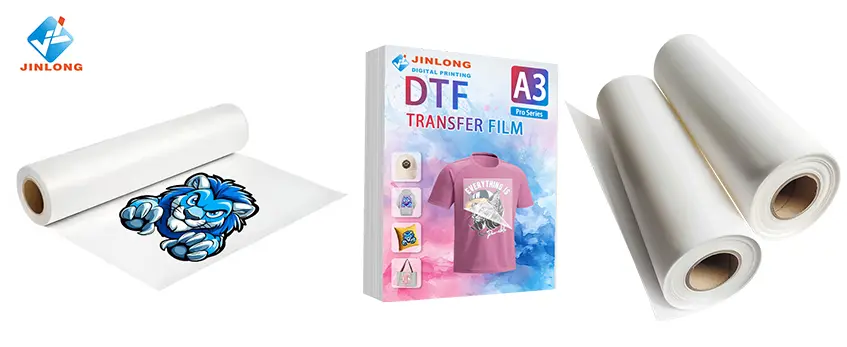
When selecting high-quality matte DTF transfers, several key factors come into play to ensure great results every time. First, the film quality and coating are crucial. A premium matte DTF film should have excellent ink absorption, allowing colors to appear vibrant and sharp without bleeding or fading. The matte surface itself must offer a smooth, non-reflective finish that enhances the print’s appearance while providing that sought-after soft hand feel.
Ink and color performance also matter a lot. High-quality matte DTF transfers deliver rich, consistent colors with strong opacity so designs pop on any fabric color. The adhesive powder used in the process must be fine and evenly coated, ensuring perfect powder adhesion and strong bonding after heat pressing.
Finally, the peel type and finish impact ease of use and durability. Matte DTF transfers with a reliable hot or cold peel reduce production time and minimize transfer defects, while a consistent matte finish guarantees a professional, premium look. Choosing transfers that excel in these areas means you get durable prints that stay vibrant and soft wash after wash. For top-quality films designed with these factors in mind, consider options like Jinlong’s matte DTF transfer film built specifically for superior ink hold and film performance.
How to Evaluate Matte DTF Transfer Quality Before Buying
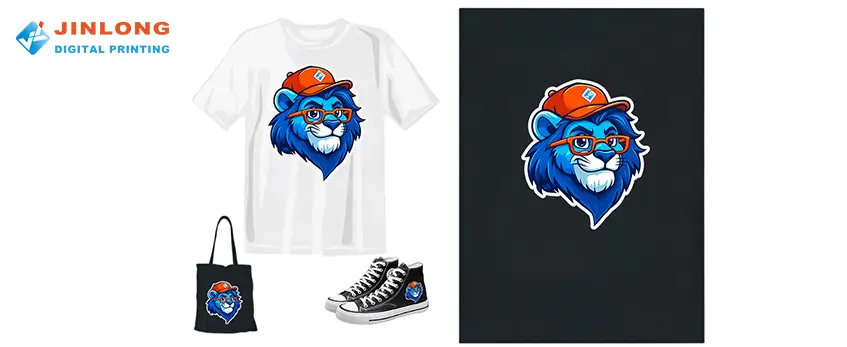
Evaluating matte DTF transfers before purchasing is key to avoiding issues down the line. Start with a visual inspection—look for smooth, consistent matte finishes without cracks or uneven surfaces. Check the transfer\’s ink loading and detail retention by examining fine lines and small text to ensure sharp, vibrant prints.
Next, assess the hand feel. High-quality matte DTF transfers should have a soft hand feel—neither too stiff nor sticky—indicating the right film thickness and proper ink absorption. Don’t forget to review the supplier’s specifications and confirm details like film quality, matte finish consistency, and recommended press settings.
Lastly, trust only suppliers who offer certifications and guarantees. These backings show confidence in their products’ durability and wash resistance, essential for lasting transfers. For a deeper dive into materials, you might want to explore high-quality options and ideal DTF powder choices that pair well with premium matte DTF films at Jinlong Prints’ guide on the best DTF powder for high-quality and durable transfers.
Common Mistakes to Avoid When Selecting Matte DTF Transfers

When choosing matte DTF transfers, don’t let price be your only guide. Cheaper films often cut corners on matte DTF film quality and ink absorption, leading to poor print durability and fading after washes. Always consider the fabric you\’ll be applying the transfer to—some matte transfers work better on cotton, others on polyester blends. Ignoring fabric compatibility can cause peeling or poor adhesion.
Another common mistake is skipping the background check on your supplier. A solid reputation usually means consistent quality, reliable DTF powder adhesion, and proper customer support. Be wary of unknown brands with no reviews or certifications.
Also, following proper pressing guidelines is crucial. Incorrect heat, pressure, or timing can ruin even the best high-quality matte DTF transfers. For detailed pressing tips, check out guides on optimized heat press settings that ensure strong adhesion and softness without damaging the matte finish.
Avoiding these pitfalls will help you get the best results from your matte DTF transfers every time.
Why Jinlong DTF Matte Transfers Stand Out
Jinlong DTF matte transfers are known for their premium film quality that’s engineered specifically for excellent ink absorption and a soft release feel. This means your prints hold vivid colors without cracking or fading, giving you that soft hand feel DTF lovers want. The matte surface also ensures consistent adhesion, so your transfers stick smoothly and last through multiple washes—key for durable, high-quality DTF transfers.
What sets Jinlong apart is the balance of screen-print quality results without the usual hassle. Their advanced adhesive powder formula guarantees reliable bonding on various fabrics, making these matte DTF transfers versatile and user-friendly. Plus, Jinlong’s focus on wash resistance helps keep your designs looking fresh longer, a must for professional-grade prints.
For best results, follow Jinlong’s recommended heat press settings and fabric guidelines, which you can find on their detailed DTF temperature chart for different fabrics and transfer films. Using these tips ensures you maximize the transfer’s durability and appearance every time. If you want premium matte DTF prints built for both quality and ease, Jinlong DTF matte transfers are a go-to choice.
Practical Tips for Getting the Most from Your Matte DTF Transfers
To get the best results with your matte DTF transfers, proper storage and handling are crucial. Always keep the transfers in a cool, dry place away from direct sunlight to maintain film quality and ink absorption. Avoid folding or creasing the transfers since a smooth matte surface ensures a soft hand feel DTF print with consistent adhesion.
Set your heat press to the recommended temperature and pressure—usually around 320-350°F with medium firm pressure. Follow specific time guidelines from your supplier to prevent issues like sheen variation or incomplete adhesive powder bonding. For detailed heat press settings, check out this DTF temperature guide and heat press best practices to fine-tune your setup.
After pressing, allow the transfer to cool properly before peeling to avoid adhesion failure. If you notice any spotting or peeling during washing, a post-press warm peel or cold peel might solve the problem depending on the film type.
In case of common issues:
- Adhesion failure: Check fabric compatibility and double-check powder quality.
- Sheen variation: Adjust pressure or temperature to prevent heat marks.
- Ink cracking or fading: Ensure proper ink loading and curing times.
Caring for your transfers with these steps not only prolongs their life but also maintains the premium matte finish DTF transfers your customers appreciate.


 English
  Español
  Deutsch
  Français