


How Textile Printing Techniques Impact Quality Color and Durability
If you’re serious about textile printing, you already know that the technique you choose can make or break your product’s quality, color, and durability. Whether you’re a designer, manufacturer, or custom apparel enthusiast, understanding how different printing methods impact sharpness, vibrancy, and wash resistance is crucial for lasting results. In this post, we’ll break down the strengths and trade-offs of top techniques like screen printing, DTG, sublimation, and DTF, so you get the right match for your fabric and design goals. Ready to unlock the secret behind truly standout prints? Let’s dive in.
Overview of Common Textile Printing Techniques
When choosing the right fabric printing methods, understanding the most common textile printing techniques is key to getting the quality, color vibrancy, and durability you want. Whether you’re printing custom apparel for your business or personal projects, the method you select directly impacts how your design looks and how long it lasts.
Here’s a quick rundown of the main printing techniques used today:
Screen Printing: A traditional method that uses stencils and ink pushed through mesh screens. It’s known for bold, vibrant colors with excellent opacity and sharpness, especially on cotton fabrics. This technique delivers outstanding wash fastness and durability, making it great for bulk production and designs with limited colors.
Direct-to-Garment (DTG) Printing: Think of it like using a high-quality inkjet printer directly on garments. DTG excels at fine details and complex photographic images, offering a wide color gamut and soft gradients on natural fibers like 100% cotton. While it’s great for small runs and detailed prints, durability can vary, with some fading after multiple washes.
Dye Sublimation Printing: This method infuses ink directly into synthetic fabrics (mostly polyester), creating seamless, vibrant, and permanent prints without cracking. Dye sublimation is perfect for sportswear and performance apparel thanks to its outstanding color fastness and flexibility.
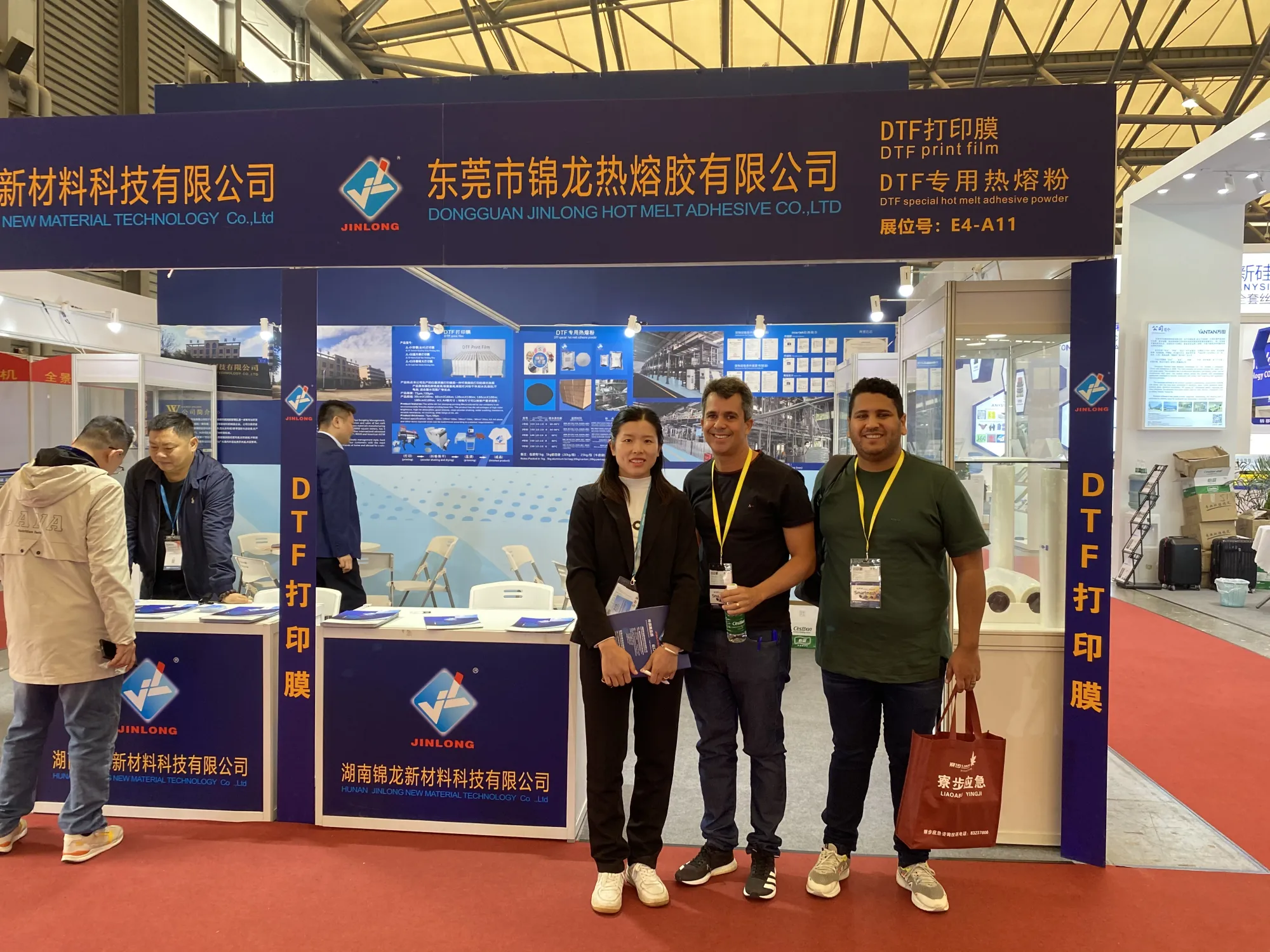
Direct-to-Film (DTF) Printing: A newer technique that prints designs onto special films before transferring them to fabric. Brands like jinlong DTF lead with sharp detail, rich color saturation—even on darker garments—and excellent durability. DTF works well on blends and a variety of fabrics, offering great wash resistance and stretch without peeling.
Other Niche Techniques: Methods such as pigment printing, rotary printing, and heat transfer serve specialized needs, often balancing cost, speed, and fabric compatibility.
Each of these fabric printing methods has unique strengths and limitations, so knowing how they affect print quality, color vibrancy, and durability can help you pick the best fit for your project. In the following sections, we’ll dive deeper into each method, exploring their pros, cons, and suited applications.
Screen Printing: Quality, Color, and Durability
Screen printing is one of the most popular fabric printing methods, especially for bold, graphic designs. The process involves pushing ink through a fine mesh screen onto the fabric, layer by layer, with each color requiring its own screen. This technique excels in delivering excellent opacity and sharpness, making designs stand out clearly—perfect for vibrant textile colors that demand attention.
In terms of color performance, screen printing produces rich, consistent tones. However, it’s generally limited by the number of colors you can use since every color adds cost and complexity. When it comes to durability, screen prints are highly resistant to washing and everyday wear, maintaining their look even after multiple cycles. This makes screen printing an excellent choice for bulk production, especially on natural fibers like cotton tees.
Pros:
Great opacity and sharp detail for bold designs
Vibrant, consistent colors
Long-lasting with strong wash fastness
Cons:
Limited color range per print job
Setup can be time-consuming for multi-color designs
Best Applications:
Ideal for cotton garments, promotional tees, and any application where bold, vibrant prints and durability are key.
For those interested in other printing methods that offer different advantages, especially when targeting blends or dark fabrics, exploring options like Direct-to-Film (DTF) might be worthwhile. For more on advanced DTF printing solutions, check out our detailed guide on DTF printing basics and dedicated inks.
Direct-to-Garment (DTG) Printing
Direct-to-Garment (DTG) printing works by spraying water-based inks directly onto fabric, allowing for highly detailed and complex designs, especially photographic images. This technique shines when you want sharp, intricate artwork with smooth gradients and vibrant color transitions that are hard to achieve with traditional methods.
Quality Impact: DTG delivers superior detail, capturing fine lines and subtle shading on natural fabrics like cotton. It’s perfect for designs that demand precision and complexity.
Color Performance: With a wide color gamut, DTG offers soft, vibrant hues and smooth color gradients, making prints look more like original artwork. However, the colors can be less intense on darker fabrics without special pretreatment.
Durability: DTG prints feel soft and breathable initially, but they may fade faster compared to other methods, especially after many washes. Proper care, like cold washing inside out, helps preserve design integrity.
Pros and Cons:
- Pros: Great for small runs, custom apparel, and designs with lots of colors or photorealistic details.
- Cons: Limited fabric compatibility (best on 100% cotton or high-cotton blends), slower production speed, and prints can fade sooner than screen or dye sublimation methods.
DTG printing is ideal for natural fibers like cotton tees where design complexity and detail matter most. For a detailed comparison of DTG with newer methods like DTF printing, check out this DTF vs DTG overview to see how each stands for color vibrancy and durability.
Dye Sublimation Printing: Quality, Color, and Durability

Dye sublimation printing works by turning solid dye into gas without passing through a liquid phase, which then bonds directly with polyester fibers. This process causes the ink to become part of the fabric itself rather than sitting on top. The result is a seamless, high-resolution print that doesn\’t crack or peel.
When it comes to color, dye sublimation offers exceptionally vibrant and permanent results. The colors fully saturate the fabric, producing sharp, bright images with smooth gradients that don’t fade easily over time. This technique shines especially on synthetic fabrics, delivering rich textile colors that stay fresh wash after wash.
Durability is one of dye sublimation’s strongest points. Since the ink infuses into the fibers, prints offer outstanding fade resistance with zero cracking or peeling, making it ideal for sportswear and activewear, especially polyester blends, where durability is key.
Pros:
- Vibrant, detailed color with smooth transitions
- Highly durable with excellent wash fastness
- Breathable prints that don’t add stiffness
Cons:
- Limited mostly to polyester or high-polyester blends
- Not suitable for natural fibers like cotton
If you’re printing on polyester sportswear or any synthetic apparel, dye sublimation delivers unbeatable quality, color vibrancy, and durability that lasts. For more detailed tips on achieving the best print quality, exploring cutting-edge DTF printing processes can also offer complementary options for mixed-fiber fabrics.
Direct-to-Film (DTF) Printing
Direct-to-Film (DTF) printing is a newer textile printing method that involves printing designs onto a special film and then transferring them onto fabric using heat and adhesive powders. Brands like jinlong DTF have pushed the technology forward with advanced implementations, making it easier to get high-quality prints on a wide range of materials.
Impact on Quality: DTF printing delivers sharp details and smooth finishes, maintaining clarity even on complex, multi-colored designs. It works well across various fabrics, including cotton blends and synthetic materials, giving more versatility compared to some other methods.
Color Performance: Thanks to rich pigment saturation, DTF produces accurate and vibrant colors that stand out well, especially on dark fabric bases where traditional printing can struggle. This makes it a go-to for custom apparel that demands eye-catching designs.
Durability: One of the biggest strengths of DTF printing is its excellent wash fastness and stretch resistance. Prints remain intact without peeling or cracking over time, making it ideal for garments that undergo frequent washing and active use.
Pros and Cons:
- Pros: Works on many fabrics, vibrant colors, long-lasting prints, great for detailed graphics, no heavy fabric pretreatment needed.
- Cons: Slightly higher initial cost than traditional screen printing, requires specialized equipment.
Best Applications: DTF printing excels with cotton blends and custom apparel where design complexity and durability are key. Its adaptability makes it a smart choice for small to medium runs that need flexible, high-quality results.
For more on how DTF stands out from other methods and the role of specialized equipment like adhesive powders, check out the top benefits of using a DTF powder shaker for high-volume production.
This technology bridges the gap between quality, color vibrancy, and long-term durability, positioning jinlong DTF as a leader in modern fabric printing methods.
Other Techniques: Pigment, Rotary, and Heat Transfer Printing
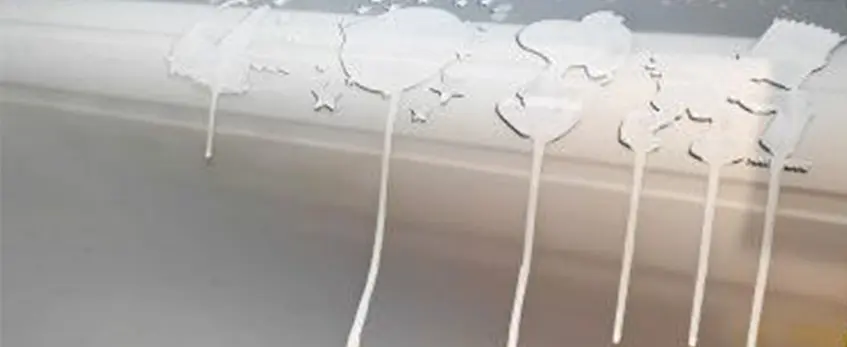
Besides the major textile printing techniques, a few other methods fill niche roles in fabric printing methods. Here’s a quick overview:
Pigment Printing: Uses pigments bound on the fabric surface rather than soaking in. It works well on natural fibers like cotton and offers decent color vibrancy. The prints tend to be softer but usually have moderate wash fastness compared to screen printing. It’s a good choice for eco-friendly or quick turnaround jobs but less durable for heavy wear.
Rotary Printing: A high-speed, continuous screen printing variant. It’s ideal for large-volume runs with repetitive patterns on woven fabrics. Quality is consistent with rich colors, and durability aligns closely with traditional screen printing. It’s common in textile mills producing upholstery or fashion fabrics but less flexible for custom prints.
Heat Transfer Printing: Transfers a printed design from a special paper onto fabric using heat and pressure. It’s versatile and affordable for small batches and varied designs. Colors can be vibrant, but durability is often lower, with a risk of cracking or fading after repeated washing. Best for promotional items or personalized apparel with limited lifespan requirements.
Each niche technique has its place depending on fabric type, production scale, and durability needs. For more advanced versatility, methods like Direct-to-Film (DTF) printing offer sharper details and better wash resistance, making it a strong choice for custom apparel printing.
For those interested in advanced pigment ink options and troubleshooting tips, resources like this DTF ink product range and troubleshooting guide can be invaluable.
Key Factors Influencing Quality, Color, and Durability

When it comes to textile printing techniques, several key factors directly affect the final quality, color vibrancy, and durability of prints.
Fabric Type and Pretreatment
Natural fabrics like cotton absorb inks differently than synthetic ones like polyester. Pretreatment plays a big role, especially with water-based or pigment inks—it ensures proper ink adhesion and sharp prints. For example, cotton often needs a pretreatment spray before Direct-to-Garment (DTG) printing to keep colors vibrant and prevent fading.
Ink Types and Adhesion
The choice between water-based, plastisol, and pigment inks impacts how colors appear and last over time. Plastisol inks offer excellent opacity and durability, ideal for screen printing, while water-based inks provide softer prints with eco benefits but can be less durable. Pigment inks generally have good colorfastness and are versatile across fabrics.
Environmental and Care Factors
How the garment is washed, dried, and exposed to light affects print longevity. Frequent washing in hot water or harsh detergents can speed up color fading and cracking, especially with DTG or heat transfer prints. Proper care can extend the life of vibrant textile colors and maintain print wash resistance.
Real-World Testing Insights
Fade rates and stretch performance differ among printing methods. Screen prints usually withstand wear and washing best, while dye sublimation excels in fade resistance since the ink becomes part of the fabric. Direct-to-Film (DTF) print durability is strong across various fabrics, resisting peel and stretch effectively. Advanced DTF solutions, such as those offered by jinlong DTF, show promising wash fastness and long-term color retention, making them a great choice for custom apparel that needs lasting quality.
For those interested in how to optimize ink adhesion for DTF printing, detailed guides on using TPU hot melt adhesive powder and selecting the right DTF powder shaker setup can be a helpful resource.
In essence, balancing fabric type, ink choice, and proper care ensures the best print quality, vibrant colors, and long-lasting durability you’d expect from premium textile printing techniques.
Choosing the Right Textile Printing Technique
Picking the best textile printing technique depends on several factors: your order volume, the complexity of your design, the fabric you’re working with, and your budget.
- Volume: For large runs, screen printing offers consistent quality and durability at a low cost per piece. For small batches or one-offs, Direct-to-Garment (DTG) or Direct-to-Film (DTF) printing provide flexibility without setup fees.
- Design Complexity: If your design has intricate details or photographic gradients, DTG or DTF excel with sharp, vibrant prints. Screen printing is better for bold, simple designs due to color limitations.
- Fabric Type: Natural fibers like cotton work well with DTG and screen printing. Synthetic fabrics such as polyester benefit most from dye sublimation. DTF is versatile and works great on blends and darker fabrics.
- Budget: Screen printing tends to be the most cost-effective for bulk orders, while DTG and DTF might have a higher per-piece cost but save money on setup and complexity.
Emerging trends in textile printing lean toward sustainable, eco-friendly inks and processes without compromising durability or color vibrancy. This shift makes options like jinlong DTF especially attractive. Jinlong’s advanced DTF technology balances superior quality, vibrant color reproduction, and impressive wash fastness, making it a standout choice for custom apparel makers who want longevity and rich visuals.
For those considering DTF printing, resources like the complete beginner’s guide to high-quality transfer printing can help you get started with confidence.
Choosing the right technique means matching your project’s unique needs with the printing method that offers the best fabric printing methods, color vibrancy, and durable garment decoration for your customers.
FAQs About Textile Printing Techniques
Which textile printing method lasts the longest?
Dye sublimation printing offers the best durability, especially on polyester fabrics. Its ink infuses directly into the fibers, resulting in prints that resist fading, cracking, and peeling even after many washes. For cotton or blends, screen printing and advanced Direct-to-Film (DTF) printing, such as those using Jinlong DTF technology, also provide excellent long-term wash resistance and durability.
What’s best for vibrant colors on cotton?
Screen printing is a top choice for bold, vibrant colors on cotton, thanks to its excellent opacity and consistent color results. Direct-to-Garment (DTG) printing also handles detailed, colorful, and photographic designs well on cotton, offering a wide color gamut and soft gradients, though it may fade faster with heavy washing.
How do fabric types affect print quality and durability?
Natural fibers like cotton absorb inks differently than synthetic materials. For example, dye sublimation excels on polyester but doesn\’t work on cotton. Screen printing and DTF provide versatility across cotton blends and synthetics, maintaining vibrant colors and durability. Always consider fabric type and pretreatment for optimal results.
Are some printing methods more eco-friendly?
Water-based inks used in DTG and some screen printing processes tend to have a lower environmental impact compared to plastisol inks. Emerging trends favor techniques that combine quality with eco-friendly materials, with DTF gaining traction due to its efficient ink usage and minimal waste.
Is Direct-to-Film (DTF) printing a good option for custom apparel?
Absolutely. DTF printing delivers sharp details, rich color saturation, and strong durability on a variety of fabrics, including blends and dark garments. For those interested, explore more about the latest Jinlong DTF films and their advantages in custom apparel printing.
Can prints withstand repeated washing and stretching?
Print durability depends on the technique and ink type. Dye sublimation and screen printing typically offer high wash fastness and stretch resistance. DTF prints also perform well without cracking or peeling if applied correctly. Proper washing care—cold water and gentle cycles—helps extend the life of all textile prints.
If you have more questions about fabric printing methods or want to choose the right technique for your project, feel free to reach out or dive into detailed guides like the complete DTF film transfer paper guide for high-quality textile printing.


 English
  Español
  Deutsch
  Français