


DTF Printer Prices 2026 Entry Level vs Industrial Cost Guide
Thinking about how much DTF printers will cost in 2026? You’re not alone. Whether you’re a startup, a growing print shop, or an established apparel business, the price range—from entry-level models around $2,000 to industrial machines exceeding $20,000—can be overwhelming. But here’s the truth: price tags tell only part of the story. Choosing the right DTF printer means understanding what features come with the cost, how consumables and maintenance affect your bottom line, and which tier fits your production needs best. In this post, you’ll get a clear breakdown of entry-level vs. industrial pricing, plus insights on hidden expenses and ROI factors to help you make an informed decision for 2026. Let’s get straight to it.
Factors Influencing DTF Printer Prices in 2026
When you’re asking “2026 how much are DTF printers?”, it’s key to understand what drives their price tags. Here are the main factors shaping the DTF printer price list 2026:
| Factor | Budget/Entry-Level | Industrial/High-End |
|---|---|---|
| Printhead Technology | XP600, cheaper, slower, fewer nozzles | Epson i3200, i1600: faster, durable, high-res |
| Build Quality & Chassis | Plastic or light metal frames | Robust aluminum or steel chassis for 24/7 |
| Integrated Systems | Standalone units needing accessories | All-in-one with automated powder, drying |
| Software (RIP) | Basic or cracked RIP software | Licensed CadLink, Maintop with full support |
Printhead Technology: Budget vs. Industrial
- Budget printers typically use XP600 printheads—cost-effective but slower and less reliable.
- Industrial machines rely on Epson i3200 or i1600 heads, offering top speed, precision, and reliability for longer runs.
Build Quality & Chassis: Plastic vs. Metal Frames
- Entry-level machines often cut costs with plastic or thin aluminum frames, which limits durability.
- Industrial printers invest in steel or thick aluminum chassis for stability and continuous operation.
Integrated Systems: Standalone vs. All-in-One Units
- Lower-priced models are mostly standalone, requiring manual powder application and separate curing systems.
- Higher-tier printers feature integrated automated powder shakers, dryers, and conveyors, boosting efficiency.
Software (RIP): Genuine vs. Cracked Versions
- Many entry-level DTF users run cracked or free RIP software—risking instability and poor color management.
- Industrial setups insist on licensed software like CadLink or Maintop for consistent quality and support.
Understanding these factors will help you evaluate and compare DTF printer prices in 2026 realistically. Moving from entry-level to industrial means paying more upfront but gaining in speed, quality, and long-term ROI.
Entry-Level DTF Printers: The Startup Tier
If you’re just getting started with direct-to-film printing, entry-level DTF printers in 2026 typically cost between $2,000 and $4,500. These machines usually offer an A3 or A3+ print width and come equipped with single or dual XP600 printheads. You can expect printing speeds around 3–5 square meters per hour, which suits smaller batch runs.
These printers are perfect for home-based businesses, Etsy sellers, and small custom print shops testing the waters. However, they come with a few trade-offs: slower printing speeds, manual powder application, more frequent maintenance needs, and limited continuous run time. This means they’re good for learning and low-volume orders but aren’t ideal for scaling or full-time volume production.
For those curious about getting started with automation to boost productivity, check out the DTF printer with powder shaker for beginners to understand how mild upgrades can ease manual steps without breaking the bank.
Mid-Range Commercial Printers: The Growth Tier
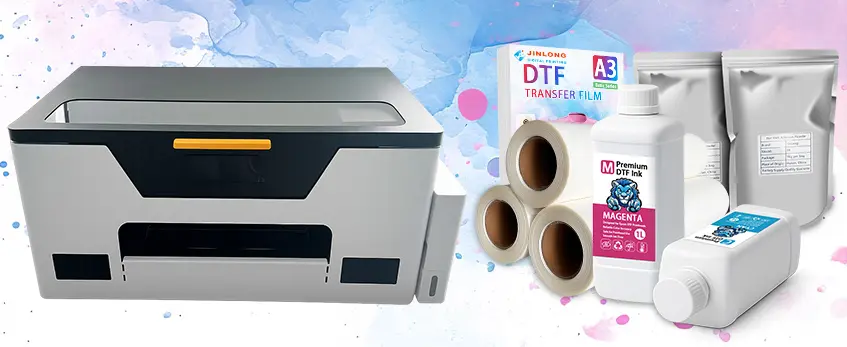
Mid-range DTF printers in 2026 typically fall between $5,000 and $9,000. These machines usually offer a 60cm print width and come equipped with reliable dual printheads like the Epson i1600 or XP600 , delivering speeds of around 8 to 12 square meters per hour. This tier is perfect for small print shops that are ready to scale up from entry-level gear but aren’t quite ready for heavy industrial production.
Key upgrades you’ll see in this segment include automated powder shakers and dryers, which speed up the finishing process and improve print consistency. Additionally, better film tension systems help reduce printing errors and improve overall print quality on both hot and cold peel PET films. These features reduce manual labor, making mid-range machines more efficient for growing businesses.
If you’re a small shop looking to boost daily output without the hefty price tag of industrial models, this tier strikes a solid balance. With specs optimized for steady commercial use and automation options, mid-range DTF printers provide excellent return on investment for businesses scaling their custom apparel or merchandising lines.
For more details on consumables like powder and film used in these printers, consider checking out resources on DTF ink and powder consumables cost and the benefits of quality PET film choices.
Industrial DTF Printers: The Production Beast Tier
When you need serious output, industrial DTF printers deliver. Prices for these heavy hitters range from $12,000 to $25,000+, reflecting their larger size and advanced features.
| Feature | Typical Specs |
|---|---|
| Print Width | 60cm to 120cm |
| Printheads | 2 to 4 Epson i3200-A1 heads |
| Speed | 15 to 25+ sqm/hour |
| Ink System | Bulk ink with white ink circulation |
| Additional Features | Vacuum conveyors, advanced heating/curing |
Why pay more? Industrial models come with bulk ink systems and white ink circulation, ensuring smoother prints and less downtime. Vacuum conveyors keep jobs moving efficiently, while advanced heating and curing systems speed up drying and improve durability.
ROI Insights: Higher upfront cost is balanced by lower ink cost per print and faster turnaround times. These machines are built tough for 24/7 use, making them reliable for busy shops or mass production.
Investing in an industrial DTF printer means you’re set for high-volume orders without worrying about frequent interruptions or maintenance hassles. For those ready to scale and boost profitability, these printers are the way to go.
Learn more about industrial specs and why 4-head DTF printers excel in growing print businesses in our detailed guide on industrial-grade DTF printers.
Beyond the Machine: Total Cost of Ownership (TCO)

When budgeting for a DTF printer in 2026, the initial price is just the start. The total cost of ownership (TCO) includes several ongoing expenses you can’t overlook.
Consumables are a big part of this. You’ll need quality DTF ink (CMYK+W), reliable PET film (choosing between cold peel and hot peel types), and good hot melt powder to get consistent print results. Understanding these supplies and their costs is key—check out details on hot melt powder particle sizes explained for insights on powder quality differences.
Maintenance & Parts also add up: items like cap tops, dampers, and wiper blades wear with regular use and must be replaced to keep your printer running smoothly. Skipping this can cause more downtime and costly repairs down the road.
Environment matters too. A strong fume extractor and air purifiers are necessary to keep your workspace safe and compliant with health standards, especially for higher volume or industrial printers.
Lastly, don’t forget electricity. Industrial dryers and larger machines can significantly increase your power bill. Factoring in these consumption costs will give you a clearer picture of the true expense of running a DTF printer every day.
By planning for all these factors—not just the upfront cost—you can manage your investment wisely and keep your printing operation profitable in 2026.
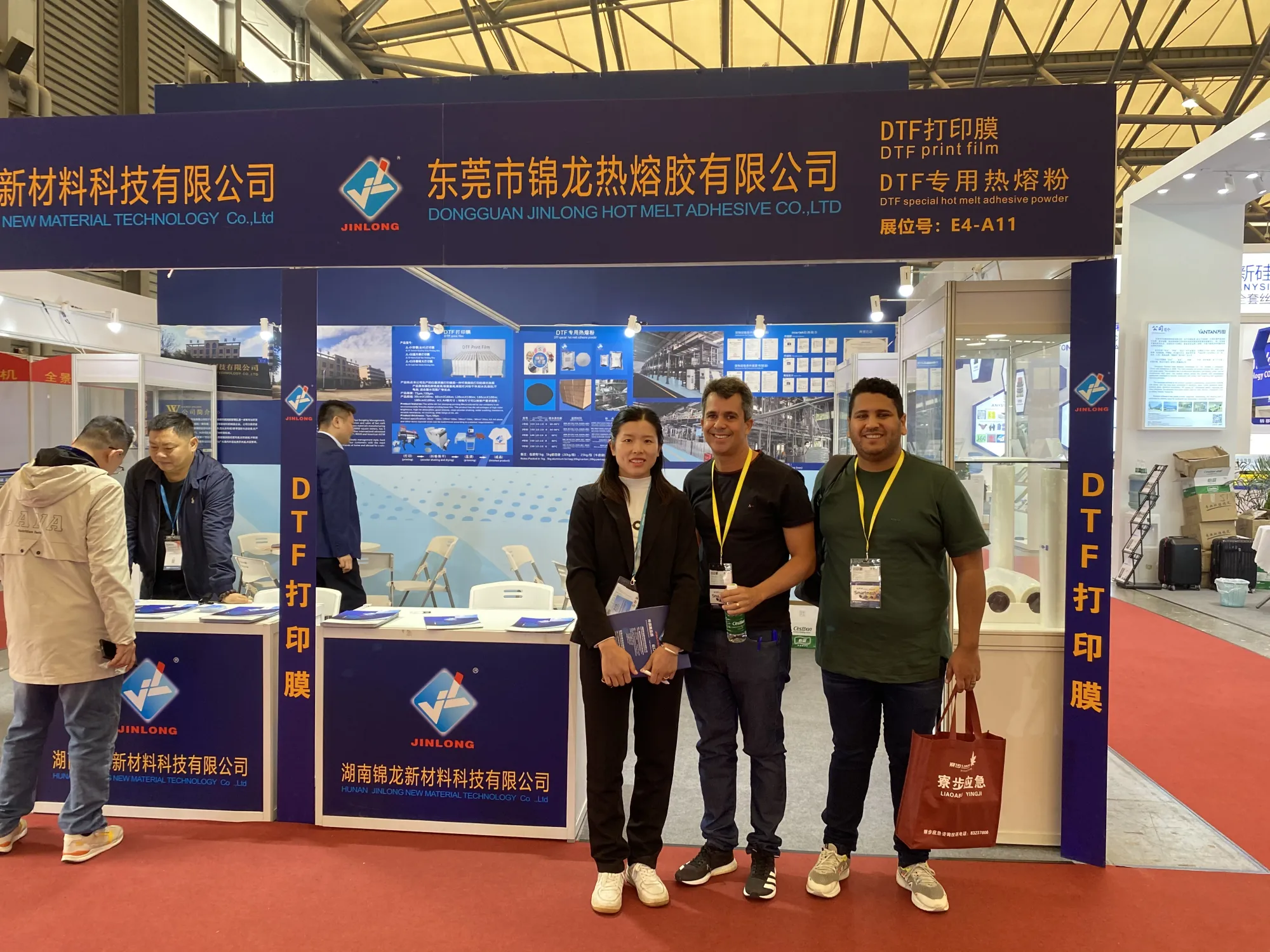
Jinlong DTF: Balancing Price and Performance
Jinlong DTF strikes a solid balance between price and industrial-grade performance, making it a standout choice in the 2026 DTF printer price list. They offer models that pack powerful specs—like white ink circulation systems and vacuum conveyors—at competitive prices that don’t compromise reliability. This means you get a production beast without the outrageous cost tag typical of top-tier industrial textile printers.
What sets Jinlong apart is their strong support ecosystem. From after-sales service to a solid warranty, they make sure you’re covered beyond just the initial purchase. This reduces unexpected maintenance costs and downtime, a big plus for running a small or mid-range commercial printing operation. Plus, they provide tailored setups to match specific production volumes, whether you’re just scaling up or running a high-demand shop.
For more on maximizing your machine\’s lifespan, their advice on DTF powder shaker maintenance is worth checking out. Overall, Jinlong DTF offers a reliable, cost-conscious option designed to meet the evolving needs of US-based small businesses and large print shops alike.
Which Printer Fits Your 2026 Budget?
Choosing the right DTF printer in 2026 comes down to matching your daily production needs with your budget. Here’s a quick to help you decide:
| Printer Tier | Price Range | Suitable Volume | Key Benefit |
|---|---|---|---|
| Entry-Level | $2,000 – $4,500 | Up to 5 sqm/hour | Affordable, ideal for startups and small batch work |
| Mid-Range Commercial | $5,000 – $9,000 | 8–12 sqm/hour | Scales with growing print shops – better automation |
| Industrial | $12,000 – $25,000+ | 15–25+ sqm/hour | Reliable 24/7 production, low ink cost per print |
Final advice: Don’t just buy based on the sticker price. Think about your expected daily volume and how much uptime you need. Entry-level printers are perfect for learning or low-run work but will slow you down if you’re trying to scale. Mid-range machines offer a solid balance of speed and features, while industrial DTF printers give you true production power with ROI advantages in the long run.
If you want to explore detailed options or get a custom quote tailored to your volume and budget, reach out to Jinlong DTF. Their lineup offers industrial specs at competitive prices, supported by a solid after-sales service team. For those interested, consider their 60cm double STD DTF film rolls to complement your setup and keep quality consistent.
Planning smart now will save you maintenance headaches and costly downtime later. Choose the DTF printer that fits your production goals, not just the initial cost, and get ready to grow in 2026.


 English
  Español
  Deutsch
  Français