


DTF Printers 2026 Pricing Guide Budget to Pro Models Explained
The State of DTF Printing in 2026: Market Maturity and Pricing Trends
By 2026, Direct-to-Film (DTF) printing has moved firmly from a niche technology to an industry standard, especially for small-to-medium production runs. The shift is clear: DTF now outpaces traditional Direct-to-Garment (DTG) and screen printing for many businesses due to its versatility, cost-efficiency, and quality. This maturation has driven market pricing toward more competitive, accessible levels without sacrificing performance.
Several price influencers have shaped the 2026 landscape for DTF printers:
- Improved printhead technology delivers faster, more reliable output at higher resolutions, impacting machine costs positively.
- Automated powder shaking and drying systems reduce manual labor, improve print consistency, and add to initial equipment pricing but lower long-term expenses.
- Supply chain stabilization after years of disruption means better availability of key components and consumables, easing cost pressures.
However, when considering how much are DTF printers in 2026, \”cheaper\” models don’t always equal better value. Smart buyers focus on Total Cost of Ownership (TCO) rather than just the upfront sticker price. This includes factoring in consumables like ink and PET transfer film, maintenance, software licenses, and downtime risks.
In short:
- Value-based purchasing prioritizes longevity, print quality, and service support.
- Upfront savings on low-cost models can lead to higher costs down the road.
Understanding these market dynamics helps custom apparel businesses and print shops make informed decisions about investing in commercial DTF printing equipment for 2026 and beyond.
Entry-Level & Budget DTF Printers ($2,000 – $4,500)
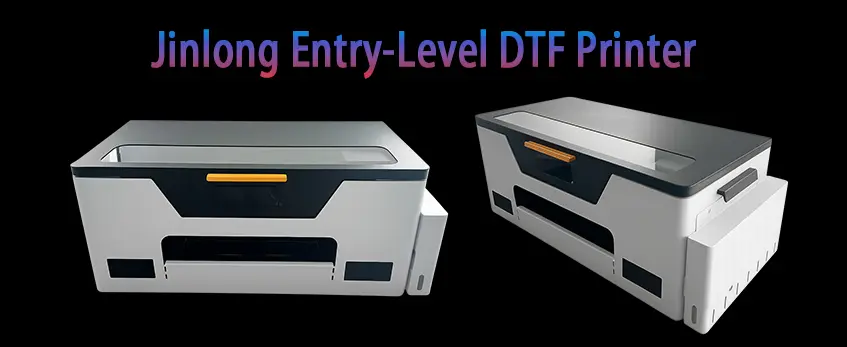
Target Audience: Home businesses, Etsy sellers, hobbyists who want to start small with direct to film printer price 2026 models that fit a tight budget.
What to Expect in 2026
| Feature | Details |
|---|---|
| Hardware Type | Converted printers vs. purpose-built |
| Print Speed | Slower, suitable for low volume |
| Size Limitations | Mostly A3 or smaller (A4 common) |
| Powder Application | Manual powder shaking and spreading |
| Maintenance | Frequent upkeep, shorter printhead life |
Budget options typically use converted printers rather than purpose-built hardware, which means you might face lower build quality and slower print speeds. Sizes usually max out at A3 or A4, limiting the size of prints. Manual powder application means more hands-on work and less consistency.
Hidden Costs to Watch For
- RIP software licensing: Often sold separately, adding hundreds yearly
- Replacement parts: Printheads, dampers, and capping stations wear out faster
- Consumables: Budget models might consume more TPU powder; check options like TPU DTF hot melt adhesive powder for cost-effective supplies
Verdict
These entry-level DTF printers are great for learning the process or handling very small orders but are not ideal when you want to scale. The slower speed and manual steps add labor and time costs that grow quickly with volume. For home-based Etsy sellers and hobbyists, budget models offer a solid start without breaking the bank.
Mid-Range Commercial Workhorses ($5,000 – $14,000)
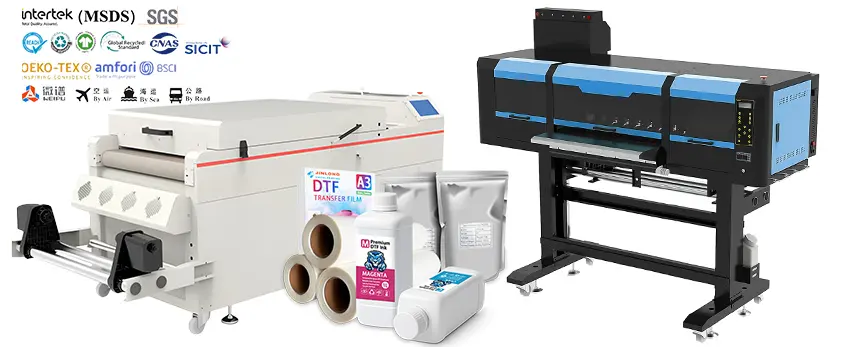
Mid-range DTF printers hit the sweet spot for many custom apparel shops, promotional businesses, and scaling startups looking to grow without breaking the bank. This pricing tier is actually the most popular among Jinlong DTF clients because it balances affordability with professional features and reliability.
In 2026, you can expect these commercial DTF printing equipment options to come with dual or even triple printheads handling CMYK, White, and Fluorescent inks. Automated powder shakers and dryers are standard now, speeding up production and improving consistency. Most mid-range units support faster roll-to-roll printing with widths around 60cm, making them versatile for a range of apparel sizes.
When it comes to reliability versus cost, these machines strike a good balance. They are generally robust enough to handle daily workloads but still require regular maintenance to minimize downtime. Calculating ROI is key here: to break even on a mid-range DTF printer, you typically need to sell several hundred shirts, depending on your pricing and operational costs.
If you’re considering a mid-level setup, also factor in consumables like PET transfer film and RIP software costs. For example, Jinlong offers PET transfer films optimized for 60cm printers, which help ensure quality and efficiency in your workflow. You can check out Jinlong’s 60cm DTF transfer films to get a sense of ongoing material expenses.
Overall, mid-range DTF printers remain the best choice for businesses ready to scale up from hobby levels but not yet requiring industrial production lines. Their feature set and price point provide the best balance for sustained growth in 2026’s competitive market.
Pro & Industrial Production Lines ($18,000 – $40,000+)
These high-end DTF printers are built for large fulfillment centers and mass-production textile factories that need nonstop, heavy-duty output. With price tags starting around $18,000 and climbing past $40,000, these machines come packed with industrial capabilities designed for speed and reliability.
Top models often feature quad-head setups, like the Epson i3200 printhead system, allowing for blazing-fast production with excellent detail and color consistency. Jumbo roll feeders and heavy-duty tension systems handle large volumes of PET transfer film smoothly, minimizing downtime. Advanced ink circulation systems keep CMYK and white inks flowing continuously for 24/7 operation, which means less manual intervention and consistent print quality.
The Jinlong Advantage shines here: their industrial DTF printers combine rugged durability with precise engineering focused on long-term, reliable performance. This cut down on unplanned maintenance and keeps production lines moving efficiently.
Though the upfront costs are higher, these industrial printers justify their price with significant labor savings through automation, plus a lower ink cost per milliliter thanks to optimized ink usage. For factories looking to maximize throughput and reduce overall textile printing ROI, investing in a pro-level DTF printer is a smart move.
For a clear breakdown on industrial heat transfer printers and their specs, exploring resources such as Jinlong’s detailed DTF printer specifications can provide added insights into this investment.
Beyond the Machine: The Total Cost of Ownership (TCO)
When considering how much DTF printers cost in 2026, it’s critical to look beyond the upfront price. The total cost of ownership (TCO) includes ongoing expenses like consumables, maintenance, and electricity — all key factors impacting your bottom line.
Consumables Breakdown in 2026
- Ink costs: CMYK inks tend to be cheaper per milliliter compared to white ink, which is more heavily used and expensive. Managing white ink consumption efficiently is essential to keep costs down.
- PET transfer film: Prices vary depending on whether you choose cold peel or hot peel films. Hot peel PET film generally costs a bit more but offers different durability characteristics. For high-quality printing, selecting the right film is key — explore options like our detailed DTF film guide to understand which type suits your business.
- TPU powder: This adhesive powder holds your prints in place during heat pressing. Its pricing depends on type and manufacturer, but factoring it into your supply chain is crucial.
Maintenance & Wearables
- Budgeting for parts like dampers, capping stations, and printhead replacements is essential. Printheads, especially, wear down with use and can be a significant maintenance cost over 12 months.
- Preventative care can reduce downtime, but downtime itself equals lost revenue, making reliable upkeep a part of your investment return.
Electricity & Environmental Costs
- Dryers and powder shakers consume electricity, sometimes more than expected. Industrial models will pull higher wattage, so factoring power consumption into your TCO calculations is smart.
- Efficient powder shaker machines are worth the investment since they save powder costs and reduce waste.
Taking all these factors together gives a clear picture of what running a DTF printer really costs in 2026 — not just the sticker price but the expenses that keep the machine printing day in and day out.
Understanding this total cost will help you choose the right printer tier for your operation and scale your business profitably.
How to Choose the Right Tier for Your Business
Picking the right DTF printer means matching your business needs with the right machine tier. Here’s how to decide:
Volume Assessment
- Low volume (under 20 shirts/day): Budget or entry-level models ($2,000–$4,500) work well for home businesses or Etsy sellers.
- Medium volume (20–100 shirts/day): Mid-range commercial printers ($5,000–$14,000) offer reliable speed and decent automation.
- High volume (100+ shirts/day): Pro and industrial models ($18,000+) deliver 24/7 production with faster roll-to-roll capabilities and jumbo feeders.
Space Constraints
| Printer Tier | Approx. Footprint | Notes |
|---|---|---|
| Budget A3/A4 Desktop | Small (2-4 ft²) | Fits home studios, small shops |
| Mid-Range 60cm | Medium (6-10 ft²) | Requires dedicated space |
| Pro Industrial Line | Large (15+ ft²) | Needs industrial setup area |
If your space is tight, compact desktop A3 DTF printers might be your only choice. Larger 60cm or jumbo roll setups need more room, and proper ventilation for powder shake systems.
Technical Expertise
- Budget printers: Easier plug-and-play operation but require more manual handling and frequent maintenance. Good for beginners.
- Mid-range units: Moderate learning curve with some automation, ideal for growing custom apparel shops.
- Pro machines: Require technical know-how to operate and maintain, but deliver higher uptime. Expect to manage advanced features like automated powder shakers and multi-printhead alignment.
By balancing daily print volume, workspace, and skill level, you can pick the best DTF printer tier that fits your business now and scales with you.
For a closer look at printer specs and consumables, check out our DTF transfer film options and DTF ink series.
Why Jinlong DTF is the Smart Investment for 2026
-

JL-DTF301B A3 DTF Printer XP600 【Applicable to beginner sets】
View more View more -
JL-DTF302S DTF Digital Printer
View more View more -
JL-DTF602S DTF Digital Printer Best Product Print Quality Package
View more View more -
JL-DTF604S DTF Digital Printer Best Product Print Quality Package
View more View more -
JL-DTF604P DTF Digital Printer [Pro Series]
View more View more


![JL-DTF604P DTF Digital Printer [Pro Series]](http://jinlongprints.com/wp-content/uploads/2025/07/JL-DTF604P-300x300.webp)
When looking at DTF printers in 2026, Jinlong stands out by offering an excellent price-to-performance ratio. Their machines bridge the gap between affordable pricing and industrial-level reliability, making them accessible for startups and scalable for established businesses alike. Whether you’re choosing a mid-range model or going pro, Jinlong printers deliver solid output without hidden compromises.
A major advantage is their dedicated after-sales support. Having direct access to a technical team familiar with the specifics of Jinlong equipment makes troubleshooting and routine maintenance faster and less stressful. This kind of support is crucial for avoiding costly downtime and getting the most out of your investment.
Jinlong also focuses on future-proofing your purchase. Their DTF printers come with clear upgrade paths and ready availability of spare parts, so you won’t feel stuck with outdated gear or long waits for replacements. Combined with competitive pricing and industrial durability, this makes Jinlong an excellent choice for anyone serious about entering or growing within the competitive DTF printing market.
For more details on Jinlong DTF features and specs, check out their dedicated DTF printer specifications page.
Final Verdict: Budget vs. Mid-Range vs. Pro DTF Printers in 2026
When deciding how much are DTF printers in 2026, it all boils down to your business size, output needs, and budget. Here’s a quick price comparison to guide you:
| Tier | Price Range | Best For | Key Features |
|---|---|---|---|
| Budget | $2,000 – $4,500 | Hobbyists, Etsy sellers, starters | Small formats (A3/A4), manual powder, slower speed, learning models |
| Mid-Range | $5,000 – $14,000 | Custom apparel shops, scaling startups | Dual/triple printheads, automated powder systems, roll-to-roll printing, balanced ROI |
| Pro / Industrial | $18,000 – $40,000+ | Large textile factories, fulfillment centers | Quad-heads, jumbo rollers, 24/7 operation, heavy-duty automation |
Choosing the right printer tier depends heavily on your daily print volume, space, and technical skills. Budget models are perfect for those just starting, offering a low entry price but with trade-offs in speed and durability. Mid-range printers hit a sweet spot for many small to medium businesses by balancing upfront cost and productivity. Pro-level machines are designed for mass production with robust automation—optimal for large-scale operations but with a significant investment.
If you’re looking to scale your apparel business efficiently, or want to explore price-to-performance options, I recommend requesting a custom quote tailored to your specific production volume and workflow. That way, you’ll get the best value without overpaying for features you don’t need.
For more insights into cost-effective printer setups and maximizing ROI, check out our guide on the best heat press for DTF printing businesses and why a DTF ink printer is the best investment for print-on-demand ventures.


 English
  Español
  Deutsch
  Français