



Hot Peel DTF Film Roll Guide Features Sizes and Coatings
If you’re diving into DTF printing, choosing the right hot peel DTF film roll can make all the difference in quality and efficiency. Whether you’re a small business owner, custom apparel printer, or a hobbyist aiming for vibrant, durable transfers, understanding the features, sizes, and coatings of hot peel film is essential. This guide cuts through the noise to help you identify what really matters—speedy peeling, color vibrancy, fabric compatibility, and more—so you can pick the perfect roll that fits your printer and production needs. Ready to boost your workflow and print quality with the right hot peel DTF film? Let’s get started!
Introduction to Hot Peel DTF Film Rolls
If you\’re diving into custom apparel printing, you\’ve probably heard about hot peel DTF film rolls. But what exactly is DTF printing, and why do these film rolls matter? Let’s break it down.
What is DTF Printing and Why Film Rolls Matter?
Direct-to-Film (DTF) printing is a versatile method where designs are printed on a special PET film, then transferred onto fabric using heat and adhesive powder. The film roll acts as the essential base for holding the printed design before it’s pressed on garments. Choosing the right DTF film roll impacts print quality, color vibrancy, and production speed.
Overview of Hot Peel Technology: Benefits for Speed and Efficiency
Hot peel DTF film is designed for immediate peeling right after heat pressing, speeding up your production without compromising the finish. This means no waiting time—just press and peel while still hot, boosting your output dramatically. It’s especially handy when you have multiple shirts to process quickly.
Hot Peel vs. Cold Peel: Key Differences
| Feature | Hot Peel DTF Film | Cold Peel DTF Film |
|---|---|---|
| Peeling Time | Peel immediately after pressing | Wait for film to cool completely |
| Production Speed | Faster, ideal for high volume | Slower, better for detailed finishes |
| Finish | Slightly matte, soft hand feel | Glossier finish, sharper details |
| Application | Great for cotton and blends | Best on polyester and delicate fabrics |
Who Should Choose Hot Peel Film Rolls?
If you\’re running a busy custom apparel business with tight deadlines or large batch orders, hot peel DTF film rolls are for you. They offer a smooth, efficient workflow that keeps production moving fast without sacrificing color quality or fabric feel. Perfect for t-shirt printers, small brands, and makers focusing on vibrant, durable transfers.
With hot peel technology, you get a smart balance of speed, quality, and versatility—ideal for today\’s fast-paced printing demands.
Understanding Hot Peel DTF Film: How It Works
Hot peel DTF film rolls are designed around a smart structure that makes the transfer process fast and efficient. At the core, the film features a PET base—a durable, transparent plastic sheet—that supports multiple coating layers. These layers include specially engineered release coatings and adhesive coatings that work perfectly with DTF powders and inks, ensuring smooth transfers and strong fabric bonding.
What sets hot peel DTF apart is the ability to peel the film immediately after heat pressing while it’s still hot. This instant hot peel DTF process speeds up production without sacrificing quality, making it a favorite in high-volume custom apparel shops. The heat activates the adhesive, allowing easy separation from the PET base, which cuts down production time significantly compared to cold peel methods that require cooling.
Benefits of hot peel DTF film include vibrant colors that pop on both light and dark fabrics, a soft hand feel that keeps garments comfortable, and reduced ghosting or unwanted white shadows around designs. However, it’s worth noting that hot peel films can sometimes be less forgiving with extremely delicate fabrics and may require precise temperature control to avoid cracking. In cases where maximum softness or stretchability is needed, cold peel alternatives might be a better fit.
For a detailed look at the right DTF film choices and coatings compatible with hot peel technology, check out jinlong DTF’s guide on how to choose the right DTF transfer film for your project.
Essential Features to Evaluate When Buying Hot Peel DTF Film
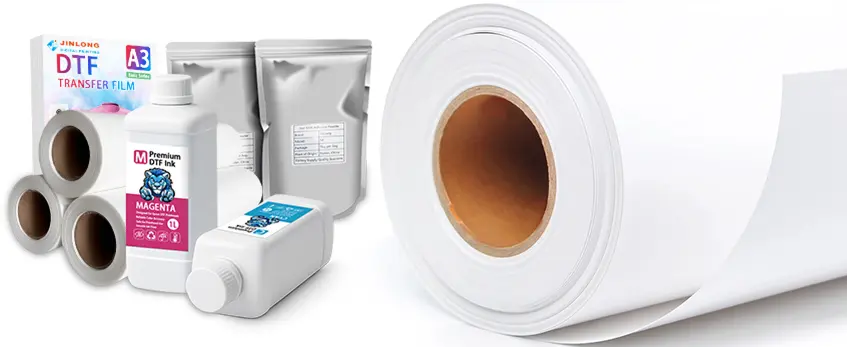
When choosing a hot peel DTF film roll, certain features directly impact your print quality and production efficiency. Here’s what to focus on:
| Feature | Why It Matters | Ideal Specs / Notes |
|---|---|---|
| Coating Quality | Ensures smooth ink absorption and easy peel-off | Premium multi-layer coatings offer better ink release and vibrant colors |
| Thickness & Stability | Affects durability and printer feeding reliability | 75-100 micron thickness balances toughness and smooth feeding |
| Ink Loading Capacity | Drives bold, crisp prints with vibrant DTF ink absorption | High absorption capacity avoids fading or dull images |
| Anti-Static & Anti-Warping | Prevents print jams and curling during printing and pressing | Look for films with treated surfaces to reduce static and warping |
| Wash Fastness & Stretch Resistance | Maintains design integrity after multiple washes and wear | Durable films resist cracking, peeling, and color loss |
| Compatibility | Essential for hassle-free printing with your specific setup | Should work seamlessly with your DTF inks, powders, and printers |
Understanding these factors helps you pick a film that matches your production needs and guarantees vibrant DTF prints with consistent results.
For high-volume jobs, investing in premium DTF films like those from jinlong DTF ensures the best balance of durability and color brilliance. You can check their premium DTF pet film options designed for top performance in ink absorption and peeling efficiency.
Coatings: Matte vs. Glossy (and Hybrid Options)
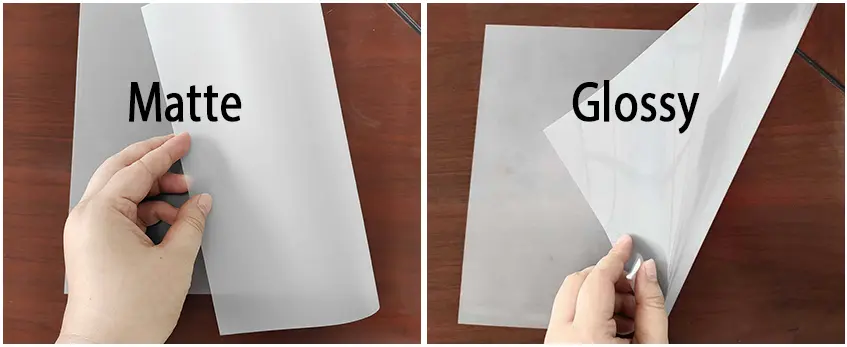
Choosing the right coating on your hot peel DTF film roll is key to getting the perfect finish and feel for your prints. Here’s a quick breakdown to help you decide:
| Coating Type | Features | Best For | Appearance & Feel |
|---|---|---|---|
| Double-Sided Matte | Soft hand feel, natural look | Cotton, natural fabrics | Smooth, subtle finish |
| Single-Sided Glossy | Bright shine, enhanced color pop | Polyester, blends | Vibrant, glossy surface |
| Hybrid Coatings | Balanced texture and shine | Mixed fabric designs | Combination of soft and vibrant look |
Double-Sided Matte Coatings
This option is popular because it produces soft, comfy prints that blend well with cotton fabrics. It gives a natural feel without extra shine, which works great for casual wear. The matte side absorbs DTF ink perfectly, resulting in richly detailed, wash-fast transfers with low gloss.
Single-Sided or Glossy Coatings
Glossy coatings deliver eye-catching vibrancy and sharp colors—ideal for polyester or blended fabrics that benefit from a shiny, crisp look. The glossy surface enhances contrast, making designs pop, especially on darker or synthetic textiles.
How Coating Affects Transfer Appearance
The coating type directly impacts final texture and brightness. Matte coatings keep prints understated and soft, while glossy coatings add sparkle and high definition. Your choice depends largely on fabric type and style preferences.
Recommendations Based on Fabric & Design
- For Cotton or Natural Fabrics: Choose double-sided matte for softness and true-to-fabric touch.
- For Polyester/Blends: Opt for glossy coating to maximize color vibrancy and shine.
- For Mixed or Performance Fabrics: Hybrid coatings can give you the best of both worlds.
jinlong DTF’s Premium Coating Options
jinlong DTF offers premium multi-layer coatings tailored for the American market that boost ink absorption, reduce ghosting, and improve durability. Their coatings are engineered for smooth feeding, stable peeling, and to deliver vibrant DTF prints every time, matching your fabric and design needs perfectly.
For more details on selecting the best DTF film and printer combos, check out this guide on DTF printer compatibility and efficiency.
Standard Sizes for Hot Peel DTF Film Rolls
When buying hot peel DTF film rolls, size matters to match your production needs and printer setup. Here’s a quick guide:
| Width | Typical Use |
|---|---|
| 13” (A3+) | Desktop printers, small runs |
| 17” | Mid-size printers, versatile use |
| 24” (60 cm) | Large format printers, roll-to-roll |
| Wider Options | High-volume and industrial setups |
Roll lengths usually come in 328 feet (100 meters), giving a good balance of efficiency and ease of handling.
Choosing the Right Size
- Desktop Printers: Stick to 13” or 17” widths for better feed and less waste.
- Roll-to-Roll Systems: Bigger widths like 24” or wider improve output and reduce changeovers.
Bulk vs Smaller Rolls
- Bulk Rolls: Great for high-volume operations, offering cost savings over time.
- Smaller Rolls: Ideal for testing or smaller shops needing versatility.
Jinlong DTF offers a variety of roll sizes tailored to both desktop and industrial printers, ensuring you find the perfect fit for your production needs. Their premium hot peel DTF film rolls fit seamlessly into workflows, whether you’re just starting or scaling up.
For matching your DTF film with effective ink performance, check out jinlong’s DTF ink CMYK 100ml Basic Series for vibrant, reliable prints.
Key Factors Influencing Hot Peel DTF Film Performance and Quality
When working with hot peel DTF film rolls, several factors affect the final print quality and transfer durability. Here’s what to keep in mind for the best results:
Printer Compatibility and Feeding Reliability
- Make sure your DTF printer supports the film width and thickness (usually 75-100 micron).
- Stable feeding is crucial to avoid jams or wrinkles; check for films with anti-static and anti-warping properties.
- Use premium films designed for your specific printer model to ensure smooth ink absorption and powder adhesion.
Pressing Parameters for Optimal Hot Peel
| Parameter | Recommended Range | Notes |
|---|---|---|
| Temperature | 320°F – 340°F (160°C – 170°C) | Avoid too high heat to prevent scorching |
| Time | 12 – 15 seconds | Depends on fabric and powder type |
| Pressure | Medium to firm (3-5 bar) | Consistent pressure ensures even transfer |
Setting correct pressing parameters ensures the film peels instantly while locking vibrant colors in place.
Fabric Versatility
Hot peel DTF transfers work well on:
- Cotton – soft hand feel with matte coatings.
- Polyester and blends – glossy or hybrid coatings enhance vibrancy.
- Fabrics with some stretch – the film’s durability and stretch resistance prevent cracking.
Common Issues to Avoid
| Issue | Cause | How to Prevent |
|---|---|---|
| Powder Residue | Excess or uneven powder spread | Use proper powder amount; shake off excess carefully |
| Cracking | Overheating or wrong fabric | Follow pressing guidelines; choose stretch-resistant films |
| Fading | Low-quality inks or improper cure | Use compatible DTF inks and follow curing time |
For a smoother workflow and fewer errors, consider checking out this detailed guide on common DTF printing errors and how to avoid them.
With these key factors optimized, your hot peel DTF film rolls will deliver vibrant, long-lasting transfers every time.
Buying Tips: How to Select the Best Hot Peel DTF Film Roll
Choosing the right hot peel DTF film roll can make or break your production quality and efficiency. Here’s what to look for:
Top Indicators of Premium Quality Film
| Feature | What to Check |
|---|---|
| Coating Quality | Multi-layer coatings for ink absorption and clean release |
| Film Thickness | 75-100 micron for durability and smooth printer feeding |
| Ink Loading Capacity | High absorption for vibrant, crisp prints |
| Anti-Static & Anti-Warping | Keeps film stable during printing and transfer |
| Wash Fastness & Stretch Resistance | Ensures transfers hold up over time |
| Compatibility | Works well with your DTF inks, powders, and printers |
Price vs. Value: What Matters Most
- Cheaper Films: May save upfront but risk poor ink adhesion, fading, or cracking.
- Premium Films: Cost more but deliver consistent results, vibrant DTF prints, and fewer production issues.
Invest in quality to reduce waste, avoid reprints, and maintain customer satisfaction.
Where to Buy: Reliable Suppliers
- Choose suppliers known for consistent product quality.
- Look for clear product specs and customer support.
- Verify they offer rolls sized to fit your printer (like desktop or roll-to-roll models).
Why Choose jinlong DTF?
- Trusted for consistent quality and vibrant transfers.
- Their hot peel DTF film rolls balance production speed and durability.
- Provides detailed info on pressing parameters and fabric compatibility.
- Ideal for high-volume users who demand reliability and efficiency.
Test Before You Buy Bulk
- Always request samples to test your specific printer, inks, and fabrics.
- Test for powder adhesion, curing times, and peeling ease.
- This helps avoid costly mistakes and ensures the film meets your needs.
For more insight on printer compatibility and printing tips, see our guide to DTF printing technology.
Selecting the right hot peel DTF film is key to vibrant, durable transfers and smooth workflow. Focus on quality, compatibility, and trusted suppliers for the best results.
Application Guide: Step-by-Step Hot Peel Process
Using hot peel DTF film rolls is straightforward once you know the right steps. Here’s a simple guide to get perfect transfers every time:
1. Printing
Start by printing your design using a compatible DTF printer with premium DTF pet film. Make sure your printer settings match the film thickness and coating type for sharp, vibrant DTF prints.
2. Powdering
Immediately after printing, apply the DTF powder evenly over the ink. This powder sticks to the wet ink and is crucial for good powder adhesion and transfer durability. Shake off excess powder to avoid clumps or residue.
3. Curing
Next, cure the printed and powdered film to melt the powder slightly. This is usually done with a heat press or conveyor dryer at the recommended temperature and time—typically around 160-170°C for 10-15 seconds. Proper curing ensures the powder bonds well with the ink while staying tacky enough for transfer.
4. Transferring
Place the film on your fabric, cover with a protective sheet, and press at around 160-170°C for 15-20 seconds. Since this is a hot peel DTF transfer film, peel the carrier sheet immediately while it’s still warm. This instant hot peel step speeds up your workflow and reduces downtime.
Tips for Best Results and Troubleshooting
- Use the right heat press settings: Temperature, pressure, and time can vary based on fabric type, so test before large runs.
- Choose the correct coating: Matte DTF coating works best on cotton for a soft feel, while glossy coatings enhance shine on polyester blends.
- Avoid powder clumping: Apply powder thinly and evenly for smooth presses. Excess powder can cause cracking or patchy transfers.
- Storage: Keep your rolls in a cool, dry place to prevent warping or static build-up, which can affect printer feeding.
- Troubleshooting fading or ghosting? Check powder adhesion and curing temperatures, and consider switching to a premium coated film for better ink absorption.
For deeper insights on optimizing your DTF setup, check out this guide to choosing reliable DTF printing suppliers to ensure you’re pairing your hot peel film with the best inks and printers.
Following these steps will help you maximize your production efficiency and get vibrant, long-lasting results with your hot peel DTF film rolls.
Maintenance, Storage, and Sustainability Tips
To get the best from your hot peel DTF film roll, proper maintenance and storage are essential. Store your film rolls in a cool, dry place away from direct sunlight and extreme temperatures to prevent warping or curling. Keep rolls sealed when not in use to avoid dust and moisture, which can affect ink absorption and powder adhesion.
When handling, avoid touching the film surface with bare hands to prevent oils and static build-up, which can cause print defects or feeding issues. Using anti-static sprays or tools can help maintain stable printing performance.
Sustainability is becoming a big deal in the printing world. Look for premium DTF PET film options that use eco-friendly coatings and materials. Some manufacturers now offer films designed for better recyclability or reduced chemical use in production, helping your business stay green without sacrificing quality.
For those serious about cost savings and reducing waste, buying from suppliers who offer bulk rolls with minimal packaging is also a smart move. Keeping these basics in check will boost your workflow and support sustainable printing practices in the long run.




 English
  Español
  Deutsch
  Français