


Film Transfer Paper Explained Types Uses and Best Applications 2025
How Film Transfer Printing Actually Works
Film transfer printing is a simple but clever process that lets you put vibrant designs onto fabric and other materials with ease. Here’s the basic breakdown:
- Print your design: You start by printing your artwork onto a special transfer film using an inkjet, laser, or DTF printer, depending on your chosen method.
- Apply powder or adhesive: For DTF (Direct-to-Film) printing, a layer of hot-melt adhesive powder is evenly sprinkled onto the wet ink on the film, then cured with heat to bond the adhesive.
- Heat pressing: Next, place the film on your target surface—like a shirt or bag—and use a heat press to transfer the image. The heat activates the adhesive, making the design stick perfectly.
- Peel the film: After cooling or immediately (depending on hot-peel or cold-peel film), peel the film off, leaving a crisp, durable print behind.
Imagine it like a three-step relay: printer prints → powder seals → heat locks the design on. This seamless combo makes film transfer printing a top choice for custom apparel and beyond.
*(Visual tip: An infographic showing the printer feeding film → powder covering wet ink → heat press closing → peeling off film reveals the design.)
Main Types of Film Transfer Paper (Complete Comparison)
There’s a lot of film transfer papers out there, each with its own style and use. Here’s a quick breakdown of the main types and how they stack up:
| Type | Coating Type | Best Fabrics/Surfaces | Wash Fastness | Cost | Difficulty Level |
|---|---|---|---|---|---|
| DTF (Direct-to-Film) | Powder adhesive + PET film | Cotton, polyester, blends, hard surfaces | Excellent (with TPU powder) | Mid to High | Moderate |
| Sublimation Transfer Paper | Coated for dye sublimation | Polyester, polymer-coated surfaces | Very High (polyester only) | Moderate | Easy |
| Waterslide Decal Film | Clear adhesive coating | Ceramics, glass, plastic, wood | Moderate | Low | Moderate |
| Heat Transfer Vinyl (HTV) | Vinyl release carrier | Cotton, polyester, blends | Very High | High | Moderate to High |
| Inkjet/Laser Transfer Paper | Ink receptive coating | Light & dark cotton/poly blends | Moderate to Good | Low to Mid | Easy |
| Toner Transfer Paper | Laser toner cartridge | PCBs, fabric (laser printers) | Good (for electronics) | Low | Difficult |
Key Takeaways:
- DTF transfer film is strong on versatility and durability, ideal for both light and dark garments.
- Sublimation paper shines with polyester but can’t be used on cotton.
- Waterslide decal film is perfect for custom glass, ceramics, and small crafts.
- HTV release film is all about thick, vibrant vinyl cuts with a great hand feel.
- Inkjet and laser transfer papers are budget-friendly options for simple prints on garments.
- Toner transfer paper is mostly used in PCB production, less so in apparel.
If you want the best, balanced option that works across many projects, DTF transfer film often leads the pack—especially when paired with quality adhesive powders like TPU DTF hot melt adhesive powder. For a side-by-side performance look, this table should help you decide
Deep Dive: DTF Transfer Film – The Current Industry Favorite
DTF transfer film has become the go-to choice for many printers in 2024 and 2025, and for good reasons. This method combines versatility, cost-effectiveness, and vibrant print quality, making it ideal for a wide range of projects.
Why DTF Exploded in 2024-2025
The rise of DTF printing is mainly due to its ability to print on virtually any fabric—cotton, polyester, blends, even dark and light garments—without the need for pretreatment. Plus, the process is faster and more efficient than many older methods, allowing high-volume shops and hobbyists alike to get great results without complex equipment.
Hot-Peel vs Cold-Peel DTF Film
When choosing DTF film, one of the key differences is whether it’s hot-peel or cold-peel.
- Hot-peel film requires immediate peeling while still warm, offering quicker production times but sometimes more delicate handling.
- Cold-peel film lets you peel after it fully cools, often resulting in cleaner edges and better durability. This type is favored for finer details and more demanding projects.
Single-Side vs Double-Side Coated Film
DTF films come either single-side coated or double-side coated. Single-side coated film has the adhesive on just one side, which simplifies printing but may limit adhesion strength. Double-side coated film has adhesive layers on both sides—boosting transfer strength and durability, especially on challenging fabrics.
Thickness: 75 Micron vs 100 Micron
Thickness also matters with DTF films:
- 75 micron film is thinner, flexible, and easier to work with on lighter garments or delicate prints.
- 100 micron film is thicker, offering more durability and better results on heavier fabrics or for prints that need extra hold.
Matte vs Glossy Finish
DTF film also comes in premium matte and glossy finishes. Matte films tend to hide fingerprints and dust better, offering a softer hand feel—ideal for apparel. Glossy finishes bring out brilliant color vibrancy and sharp details, perfect for projects where eye-catching visuals are a priority.
Jinlong DTF Film Spotlight
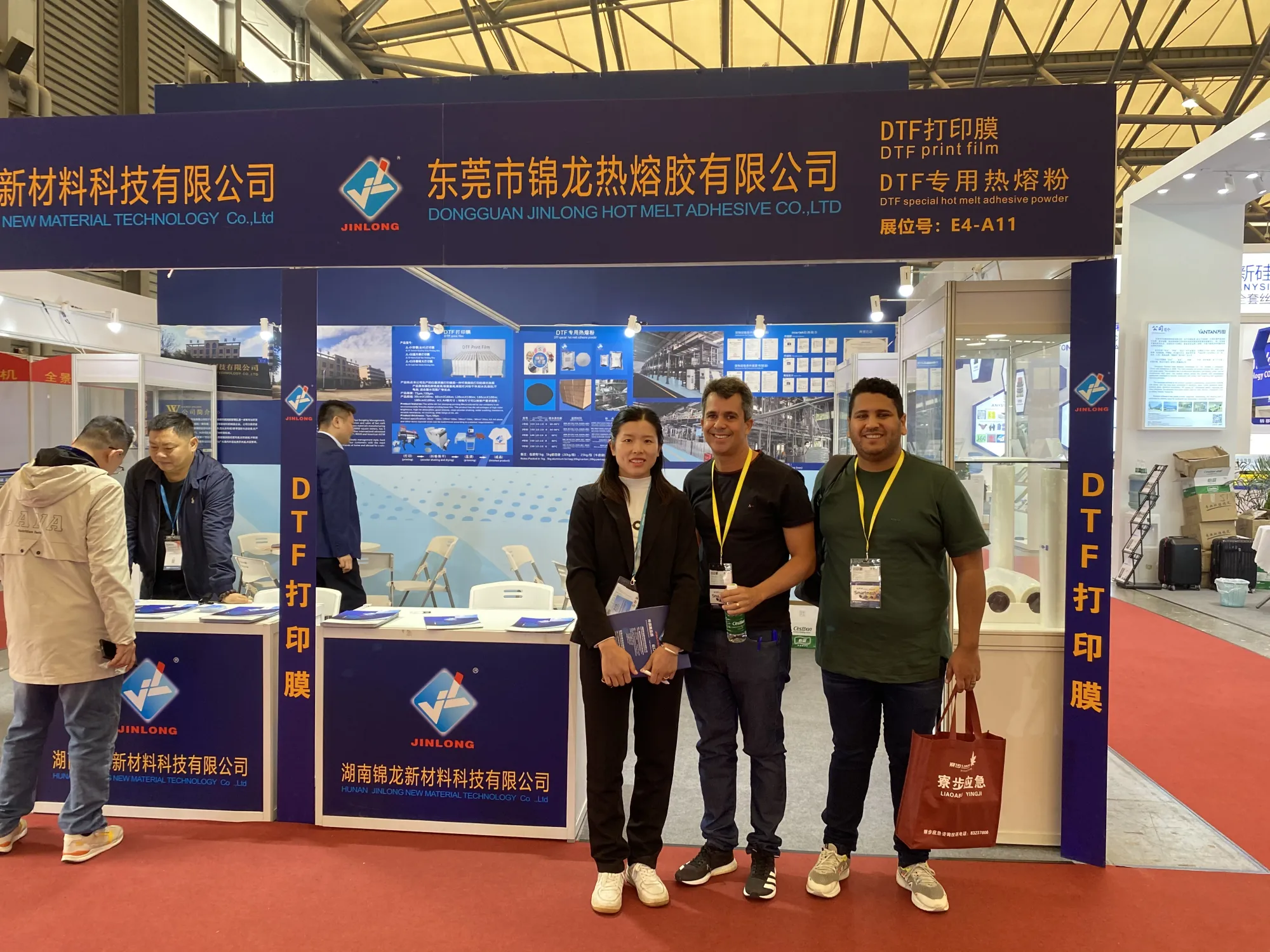
Among top performers, Jinlong DTF film stands out for its consistent clarity, strong adhesion, and vibrant colors. Available in both single and double-side coated options, Jinlong offers a range of thicknesses and finishes tailored to different needs. Their TPU DTF hot-melt adhesive powder also complements the film perfectly, ensuring reliable prints that hold up after washing. You can find a good balance of quality and price with Jinlong products, making them a favorite for many in the U.S. market.
For those interested in the production process and equipment that maximize DTF print quality, the Jinlong guide on printers, shakers, and ovens offers valuable insights.
DTF transfer film truly delivers on flexibility and quality, helping businesses and crafters stay ahead in 2025’s competitive custom printing scene.
Best Applications by Material & Project Type
Film transfer paper works differently depending on the material and project you\’re tackling. Here’s a quick guide to help you match the right transfer film with your items:
Cotton & Polyester Garments
- DTF transfer film shines on both cotton and polyester, making it versatile for T-shirts, hoodies, and sportswear.
- Sublimation transfer paper is excellent on polyester but doesn’t work on cotton because it bonds only with polyester fibers.
- For cotton, heat transfer vinyl (HTV) and dark/light transfer papers offer good results, especially on darker fabrics.
Hoodies, Hats, & Canvas Bags
- Thick materials like hoodies and canvas bags benefit from durable transfers like DTF or HTV.
- Hats can be tricky, but flexible films like thin DTF or vinyl release films work well with curved surfaces.
Hard Surfaces (Ceramics, Wood, Metal, Glass)
- For items like mugs, wooden signs, metal plates, or glass, waterslide decal film and toner transfer paper are great choices.
- DTF transfers can be adapted for hard surfaces with the right adhesive and curing process.
Dark vs. Light Fabrics
- Dark fabrics require opaque white layers for vibrant designs—DTF and dark transfer papers include this white base layer.
- Light fabrics often allow for direct prints without extra layers, so sublimation and light transfer papers fit best here.
High-Volume Production vs. One-Off Crafts
- For large batches, DTF is a favorite due to its speed, consistency, and ease of use.
- One-off or custom projects can benefit from waterslide decal film or heat transfer vinyl for more niche or artistic effects.
For those interested in top-quality materials, Jinlong’s DTF transfer film collection offers versatile options ideal for many of these
Pros and Cons of Each Film Type
When choosing film transfer paper, it helps to weigh the pros and cons based on durability, color vibrancy, hand feel, cost per print, and required equipment. Here’s a straightforward breakdown of the most popular types:
DTF Transfer Film
Pros:
- Excellent color vibrancy and detail
- Works on a wide range of fabrics, including cotton and polyester
- Great durability and wash fastness
- Suitable for both light and dark garments
Cons:
- Requires a heat press and DTF powder adhesive
- Initial setup can be pricier than other methods
- Slightly thicker finish may affect hand feel
Sublimation Transfer Paper
Pros:
- Produces vibrant, permanent prints with soft hand feel
- Best on polyester and light-colored fabrics
- No extra adhesives or powders needed
Cons:
- Limited to polyester and light fabrics
- Not suitable for cotton or dark materials
- Requires a sublimation-compatible printer and heat press
Waterslide Decal Film
Pros:
- Ideal for hard surfaces like ceramics, glass, and metal
- Allows fine, detailed designs
Cons:
- Less durable on fabrics
- Requires soaking and sealing steps
- Not for high-volume textile printing
Heat Transfer Vinyl (HTV) Release Film / Carrier
Pros:
- Durable and long-lasting
- Great for simple designs and lettering
- Minimal equipment needed
Cons:
- Limited to solid colors or simple gradients
- Not ideal for detailed photographic prints
- Can feel heavier on fabric
Inkjet/Laser Dark & Light Transfer Paper
Pros:
- Affordable and easy to use
- Compatible with standard inkjet or laser printers
- Works well for small batches or personal projects
Cons:
- Lower durability compared to DTF and sublimation
- Color vibrancy and wash fastness may vary
- Light transfer paper struggles on dark fabrics and vice versa
Toner Transfer Paper (for PCB/Laser Users)
Pros:
- Specialized for circuit board printing and laser users
- Precise transfer for technical applications
Cons:
- Not suitable for textile printing
- Requires laser printers and specific heat press settings
By understanding these pros and cons, you can better match the right film transfer paper to your project needs and production setup. For instance, if you prioritize vibrant, durable prints on various fabrics, DTF transfer film consistently ranks high in performance. Check out options like the jinlong DTF transfer film series to see how they balance
How to Choose the Right Film Transfer Paper: Decision Checklist
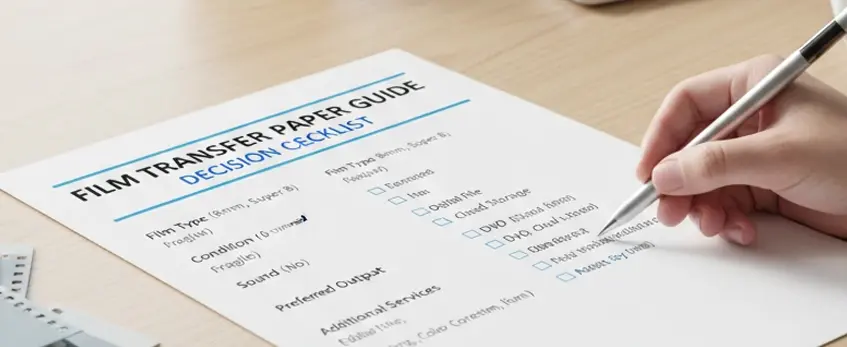
Picking the right film transfer paper can feel tricky. To simplify it, here are 8 key questions to ask before buying — with a quick decision flowchart to guide you:
| Question | Why It Matters | What to Look For |
|---|---|---|
| 1. What fabric will I print on? | Different films bond better with certain fabrics | DTF works for cotton & polyester; sublimation for polyester; HTV versatile |
| 2. Is the garment light or dark? | Dark fabrics need opaque white ink or special paper | Choose transfer paper made for dark shirts or DTF film with white base |
| 3. What’s my production volume? | Some films suit mass production; others are for one-offs | DTF and sublimation scale well; waterslide or toner transfers fit small runs |
| 4. What type of printer do I use? | Inkjet, laser, or special DTF printers require specific papers | Inkjet needs inkjet transfer papers; DTF requires direct-to-film printing |
| 5. What’s my budget per print? | Cost varies between film types and powders | Sublimation can be cheaper; premium DTF film offers value for durability |
| 6. How durable should the print be? | Wash fastness and wear matter for long-lasting items | DTF and HTV are durable; sublimation is bright but limited to polyester |
| 7. What finish do I want? | Matte, glossy, or soft hand feel | Matte DTF film avoids shine; glossy highlights colors but may feel stiffer |
| 8. Do I want cold peel or hot peel? | Peeling method affects workflow and print quality | Cold peel film gives cleaner results but slower; hot peel is faster |
Quick Decision Flowchart
Start → Fabric Type?
Cotton/Polyester → Light or Dark?
Light → Sublimation or DTF transfer film
Dark → DTF transfer film or heat transfer vinyl (HTV)
Hard surfaces or specialty?
Use waterslide decal film or toner transfer paper
Bonus tip: For a complete workflow guide on DTF printing, check out this detailed step-by-step tutorial to help match your gear with the right film.
Following this checklist will save you time and money and ensure your prints look sharp and last long.
Pro Tips for Perfect Results
Getting the best out of your film transfer paper means paying close attention to storage, application settings, and post-press care. Here’s what you need to know:
Storage and Handling
- Keep film in a cool, dry place to avoid moisture buildup and curling.
- Store flat or rolled loosely, never folded, to prevent creases that can ruin prints.
- Handle transfer film carefully—finger oils and dust can affect print quality, so use gloves when possible.
Temperature, Time & Pressure Settings
Settings vary by film type, but here are some general guidelines:
| Film Type | Temperature (°F) | Time (seconds) | Pressure |
|---|---|---|---|
| DTF Transfer Film | 295-310 | 15-20 | Medium-High |
| Sublimation Paper | 380-400 | 45-60 | Medium |
| Heat Transfer Vinyl | 320-350 | 10-15 | Firm |
| Waterslide Decal Film | Varies (cool drying) | N/A | Low |
| Toner Transfer Paper | 350-375 | 30-40 | Medium |
Always check your specific film’s instructions. Over or under-pressing can cause incomplete adhesion or damage.
Common Mistakes and How to Avoid Them
- Using wrong temperature/time leads to poor adhesion or fading.
- Pressing on the wrong side—make sure you apply heat to the correct film layer.
- Not curing properly—films like DTF need a curing phase for durability; skip this and prints won’t last.
- Peeling too soon or too late—follow peel guidelines (hot or cold peel) to avoid lifting or smudging.
Curing and Washing Instructions
- After pressing, let prints cool naturally if using cold peel film, or peel immediately while warm for hot peel types.
- For DTF prints, a quick curing step in a heat tunnel or oven improves wash fastness and durability.
- Wash garments inside out, in cold water, and avoid harsh detergents or bleach.
- Air drying or low-temp tumble drying is best to keep transfers vibrant and soft.
For detailed tips on handling adhesive powders and setting the perfect press parameters, check out the TPU DTF hot melt adhesive powder guide. Proper handling of all materials ensures sharp, lasting transfers every time.
Top Recommended Film Transfer Papers in 2025
When it comes to choosing the best film transfer papers for 2025, a few trusted names consistently stand out. Among these, jinlong DTF transfer film is widely recognized for its exceptional clarity, strong adhesion, and vibrant colors. Users across the United States praise its reliable performance, whether for small custom projects or high-volume production runs.
Other popular options include high-quality sublimation paper for polyester fabrics, heat transfer vinyl (HTV) for vinyl cutting projects, and waterslide decal films for specialized arts and crafts. However, jinlong DTF remains the top pick for direct-to-film printing needs, thanks to its balance of ease-of-use, durability, and excellent wash fastness.
For beginners or businesses stepping into DTF printing, jinlong offers detailed guides and products designed to help you get started with confidence. You can explore their comprehensive resources, such as the ultimate beginner’s guide to DTF printing or their A3 DTF printer setup tips, to maximize your print quality and efficiency.
Explore jinlong\’s DTF offerings and see why it keeps ranking #1 by users who demand the best in sharpness, color, and lasting adhesion.
Frequently Asked Questions about Film Transfer Paper
Here are answers to common questions about film transfer paper, especially focusing on DTF film and other popular types.
| Question | Answer |
|---|---|
| Can I use DTF film in a regular inkjet printer? | No. DTF printing requires a specialized printer with white ink capability; regular inkjets won’t work. See more in our DTF printing basics guide. |
| What is the difference between transfer film and transfer paper? | Transfer film is usually a plastic backing used in DTF or HTV processes, while transfer paper is typically for sublimation or inkjet heat transfers. Films tend to be more durable and flexible. |
| How long do DTF prints last? | With proper curing and washing, DTF prints can last 30+ washes without cracking or fading. |
| Is cold-peel better than hot-peel? | Cold-peel preserves print quality better and reduces stickiness, but hot-peel can speed up production. It depends on your setup and project needs. |
| Can sublimation paper work on cotton? | Sublimation works best on polyester fabrics; it won’t bond well with cotton unless a special coating is applied. For cotton, DTF or toner transfer sheets are better. |
More Quick Answers
- Can I reuse DTF transfer powder? No, it’s single-use for best adhesion.
- Does transfer paper work on dark shirts? Inkjet transfer paper for dark fabrics is specially coated to hide the white base.
- What fabrics work best with HTV? Cotton, polyester, and blends tend to give the best results.
- Are waterslide decal films durable? They work great for ceramics and glass but need sealing to last long.
- What equipment is needed for toner transfer paper? A laser printer and heat press; no special inks needed.
If you want more in-depth FAQs and solutions for common issues, check our complete guide covering everything beginners want to know about film and transfer sheets here: DTF papers explained for beginners.
This FAQ helps clear the typical confusion and supports making the right choices when working with film transfer papers in the U.S. market.


 English
  Español
  Deutsch
  Français