


DTF vs Vinyl Printing Cost Quality Workflow Comparison Guide
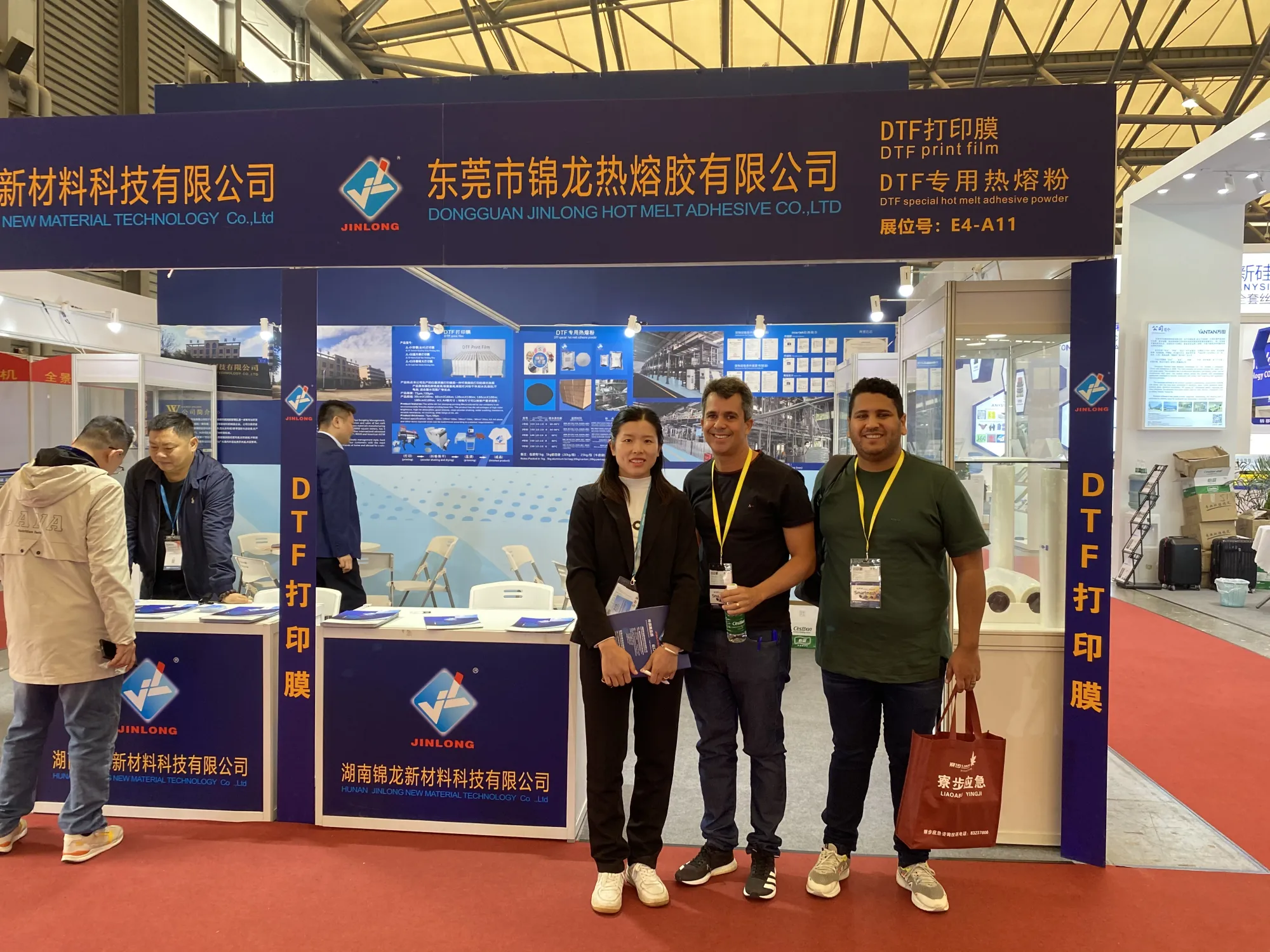
Trying to decide between DTF vs Vinyl printing for your custom apparel business or hobby? Choosing the right method can make a huge difference in your costs, print quality, and overall workflow efficiency. Whether you’re after vibrant colors, durable designs, or fast production times, this comparison breaks down everything you need to know—so you can pick the best fit for your unique needs. Plus, we’ll introduce you to jinlong DTF, a trusted leader in the industry, to help you get started with confidence. Let’s dive into the real differences behind these two popular printing options!
Understanding DTF and Vinyl Printing: The Basics
If you’re wondering whether to choose DTF or vinyl printing for your apparel business, it helps to first understand what each method involves.
What is DTF Printing?
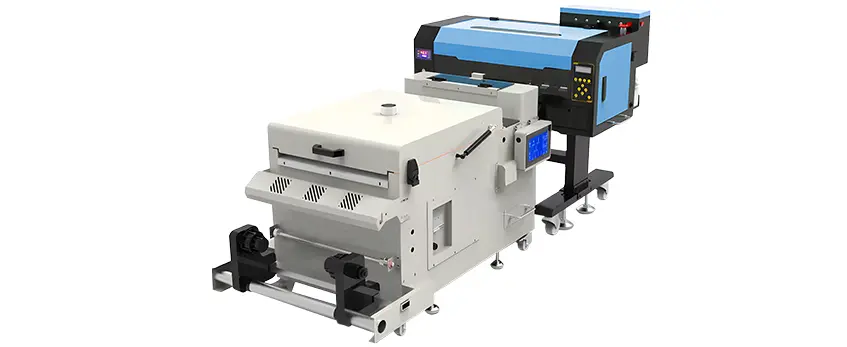
DTF (Direct to Film) printing is a modern digital printing technology. It works by printing your design directly onto a special PET film using water-based inks. After printing, the film gets coated with a hot-melt adhesive powder, then cured with heat. Once ready, the design is transferred to the garment using a heat press.
Key steps in the DTF process:
- Print design onto PET film with specialized inkjet printers
- Apply adhesive powder evenly over the printed film
- Cure the powder with a heat source (oven or drying unit)
- Heat-press the design from film onto fabric
Materials and equipment involved:
- DTF printer with CMYK + white inks
- PET transfer film
- Hot-melt adhesive powder
- Heat press machine
- Preparation tools for curing and powder application
DTF allows vibrant, full-color prints with smooth gradients and photographic detail, ideal for complex designs.
What is Vinyl Printing?
Vinyl printing, often referred to as heat transfer vinyl (HTV) printing, uses solid sheets or rolls of colored vinyl that are cut into shapes or letters. These vinyl cutouts are then heat-pressed onto the garment, melting the adhesive backing so they stick firmly.
Vinyl printing process:
- Design is created and sent to a vinyl cutter
- Vinyl sheets are cut in the desired shapes or letters
- Excess vinyl is weeded out (removed) manually
- The vinyl is heat-pressed onto the fabric
Types of vinyl:
- Standard Heat Transfer Vinyl: Solid colors, durable, easy to use
- Specialty Vinyl: Includes glitter, flock (soft fuzzy texture), metallic, reflective, and holographic varieties—offering unique textures and finishes
History and Market Adoption
Vinyl printing has been around for decades and remains popular for custom sports jerseys, logos, and simple designs due to its durability and tactile feel. DTF printing is relatively new but growing rapidly, appreciated for its ability to produce high-quality, multicolor prints without layering.
In short, vinyl printing excels at simple, durable designs with texture, while DTF stands out for vibrant, detailed, full-color artwork and faster turnaround on complex designs. Understanding these basics helps you make the right decision based on your specific project needs.
Cost Comparison: Which is More Budget-Friendly?

When deciding between DTF vs vinyl, cost is a big factor. Here\’s a quick breakdown to help you see the differences:
| Cost Factor | DTF Printing | Vinyl Printing |
|---|---|---|
| Initial Equipment | Higher upfront cost for printers, heat press, and consumables. | Lower cost for cutter and heat press setup. |
| Consumables | Film, specialty inks (like CMYK), adhesive powder—moderate ongoing costs. | Vinyl sheets (HTV, specialty types) can be pricey depending on material and finish. |
| Labor & Time Efficiency | Faster for complex, multi-color prints; less hands-on cutting but requires setup. | Labor-intensive for multi-layer designs due to cutting and weeding; slower with complex colors. |
| Maintenance | Printer requires regular cleaning; ink and powder refills add small costs. | Cutter blades wear out; minimal machine maintenance. |
| Cost Per Print | Generally lower for full-color, photo-quality graphics, especially with larger runs. | More cost-effective for simple designs and short runs with few colors. |
| Scalability | Better for medium to large batches with diverse designs. | Ideal for low volume or design sets with limited complexity. |
Long-term Financial Considerations
- For Small Businesses: Vinyl printing often wins on lower upfront costs and simpler maintenance, making it attractive for startups or hobbyists.
- For Growing Operations: DTF can save money over time with less labor and faster turnaround, especially as order volumes rise.
- Investing in quality consumables like DTF ink sets—such as the reliable DTF ink CMYK Pro Series—can also improve cost efficiency and print quality.
In , if you need budget-friendly entry with simple designs, vinyl printing is solid. But if your business demands color-rich, scalable production, DTF’s slightly higher start cost often pays off in speed and per-print economy.
Quality and Durability: Visual Appeal and Longevity
When comparing DTF vs vinyl, quality and durability are key factors in choosing the right print method for your apparel business.
Print resolution and color vibrancy:
DTF printing shines with its high resolution and vibrant colors. It can reproduce complex gradients and photographic images with smooth transitions and sharp detail. Vinyl, on the other hand, delivers solid, bold colors but struggles with fine details or color blending. If your design demands bright, multi-colored prints, DTF is often the better choice.
Texture and feel on the garment:
Vinyl has a noticeably thicker texture since it’s a separate material layered on the fabric. This adds a slightly raised feel, which some customers love for logos or textured designs like glitter and flock vinyl. DTF prints sit more flush to the fabric, maintaining a softer hand feel which preserves garment comfort and breathability better.
Durability and wash resistance:
Both methods hold up well over time, but their strengths differ. Vinyl is extremely durable, resisting cracking and peeling when applied correctly. It’s ideal for workwear or team uniforms that need to last through many wash cycles. DTF prints offer excellent wash resistance too, thanks to the inks bonding directly with the fibers, but they may show some fading after extended wear.
Fabric compatibility:
DTF printing is versatile across cotton, polyester, and blended fabrics without major changes to the process. Vinyl works best on cotton and cotton blends but can be less flexible on high-stretch or synthetic materials, sometimes causing cracking when the fabric flexes.
Breathability and comfort:
Because vinyl adds a thicker layer, it slightly reduces breathability, potentially affecting comfort in warm environments. DTF prints tend to preserve the breathability of the garment since the print layer is thinner and more flexible.
Case examples:
For instance, custom sports jerseys with simple logos often benefit from vinyl’s textured durability. In contrast, apparel shops printing full-color artwork or photographic designs favor DTF for its sharp detail and softer feel.
Understanding these differences helps you match your quality needs with the right method, ensuring your prints look great and last long under real-world wear.
For more on optimizing DTF print quality, check out our guide on white ink curing essentials and how temperature affects final print quality.
Workflow Efficiency and Scalability
When it comes to workflow efficiency, both DTF and vinyl printing have their pros and cons depending on your production needs. Setting up designs for DTF is typically faster because it prints full-color images directly onto film, needing less manual preparation. Vinyl, on the other hand, requires time-consuming steps like cutting, weeding, and layering, especially for multi-color or complex designs.
Printing and heat-pressing time per garment also differ. DTF printing combined with heat pressing can be quicker for multicolor prints since everything transfers in one go. Vinyl often means multiple press cycles if you’re layering different colors or materials, adding to the total time per piece.
For multi-color and complex designs, DTF shines by allowing vibrant photographic prints with smooth color gradients, while vinyl excels in producing sharp, textured effects using specialty materials like glitter or flock vinyl. However, vinyl stacking and layering increase setup complexity and slow down production.
Post-print processing is simpler for DTF, generally just peeling the transfer film after pressing. Vinyl requires extra finishing like trimming excess vinyl and careful alignment. This difference impacts ease of production and potential bottlenecks.
Looking at order volume, DTF handles small to medium runs smoothly with high-quality output and fast turnaround. Vinyl suits projects with simple, bold designs and is favored for custom sports jerseys or logos with clean lines, but large-scale vinyl jobs can become labor-intensive.
Common bottlenecks for both include equipment calibration, color matching, and ensuring proper heat press settings. Troubleshooting these issues quickly is key to maintaining efficient workflow. For detailed tips on avoiding typical DTF issues, check out this guide on common mistakes beginners make when using DTF papers and how to avoid them.
In , if your business prioritizes fast, full-color prints with less prep, DTF offers better workflow efficiency. For simpler designs requiring specialty textures and sharp cuts, vinyl can still be scalable with the right setup. Understanding your design and order demands will guide the best choice for scalable and smooth production.
Design Flexibility and Customization Options
When it comes to color and design possibilities, DTF and vinyl have different strengths worth considering:
| Feature | DTF Printing | Vinyl Printing |
|---|---|---|
| Color Range | Full CMYK color; excellent for vibrant, photorealistic prints and gradients | Limited to solid colors; layering needed for multi-color designs |
| Details & Fine Lines | Can print intricate details and smooth gradients | Best for bold shapes and simple graphics |
| Texture & Effects | Smooth finish with soft feel on garments | Wide variety of textures: glitter, flock, metallic, reflective |
| Custom Shapes & Cutouts | Prints designs directly on film; detailed cut is possible but less precise | Excellent precision. Perfect for sharp edges and layered effects |
| Multi-color Complexity | Easy to produce complex, multi-color images without extra layering | Multi-layer vinyl can get bulky and complicated to align |
Vinyl’s Layering and Texture Strength
Vinyl excels when you want textured, tactile effects like those sparkly glitter or soft flock finishes. This makes it ideal for team jerseys, custom logos, and bold statement pieces where dimension matters.
DTF’s Photorealistic and Vibrant Prints
DTF printing shines with vibrant colors and smooth gradients. It lets you produce photographic images or designs with tons of color variations in just one pass. For businesses looking to print complex, colorful artwork with ease, DTF offers unmatched flexibility.
In , choose vinyl if your designs lean towards simple shapes, layered textures, or specialty finishes. Go for DTF if you want rich colors, fine details, and photographic quality in your prints.
For a deeper dive into the strengths of each method, check out this comparison of DTF vs HTV printing methods.
Environmental Impact and Sustainability Considerations
When comparing DTF vs vinyl, the environmental impact is a key factor for many businesses today. DTF printing uses polyester films and water-based inks, which can be less eco-friendly if not disposed of properly. However, many DTF inks are moving toward more eco-conscious formulations, reducing harmful chemicals in the process. Vinyl printing, on the other hand, typically involves PVC or polyurethane-based vinyl sheets, which aren’t biodegradable and can create more waste, especially when trimming around designs.
Both methods generate waste: DTF produces leftover films and ink residues, while vinyl creates scraps from cutting, which can add up quickly in high-volume production. Recycling options for vinyl scraps are limited, though some specialty programs exist. DTF films are mostly single-use but innovations in recyclable or compostable films are emerging.
Energy consumption varies too—DTF machines combine printing and curing steps, sometimes requiring less total energy per print, while vinyl cutting machines paired with heat presses can consume more when factoring in the cutting and application process. Overall, DTF often has a slightly smaller ecological footprint, especially when using eco-friendly inks and properly managing film disposal.
For U.S. businesses looking to boost sustainability, choosing suppliers focused on greener materials and exploring energy-efficient equipment can make a real difference. For more on sustainable DTF practices, check out the Jinlong DTF printing guide.
Which Method is Best for Your Business or Hobby?

Choosing between DTF vs vinyl depends a lot on what you plan to print and how you run your business or hobby.
Ideal Users for DTF Printing
- Great for complex, color-rich designs or photographic prints.
- Perfect if you need short to medium runs with vibrant colors and fine details.
- Works well for printing on a variety of fabrics without worrying about texture or bending issues.
- Ideal if your projects demand quick turnaround and multi-color prints.
Ideal Users for Vinyl Printing
- Best suited for simple logos, bold text, and custom team jerseys.
- Great when you want textured effects like glitter, flock, or metallic finishes.
- If you’re focused on durability for fewer colors and prefer precise cut shapes, vinyl is your go-to.
- Works best for batch runs where layering and tactile feel matter.
Quick Decision Checklist
- Budget: Vinyl generally has lower startup costs; DTF requires higher initial investment but scales better.
- Order Volume: Small to medium batches favor DTF for color complexity; large runs with simple designs lean toward vinyl.
- Design Complexity: Photorealistic and gradient-heavy? Go DTF. Solid colors and layered textures? Vinyl works well.
- Durability Needs: Both last long, but vinyl edges may peel over time, while DTF ink blends into fabric better.
Tap into jinlong DTF’s Support
Leverage the expertise and high-quality products from jinlong DTF to maximize your printing results. Their advanced inks and film options help get brilliant colors with great durability, ensuring you get the best value for your investment. For more on choosing the right materials, check out jinlong\’s guide on selecting the best DTF film and inks to fit your projects.
In the end, your choice boils down to matching your creative goals, budget, and workflow needs with the strengths of each method.


 English
  Español
  Deutsch
  Français