


DTF vs Heat Transfer Printing Which Method Is Best for Custom Apparel
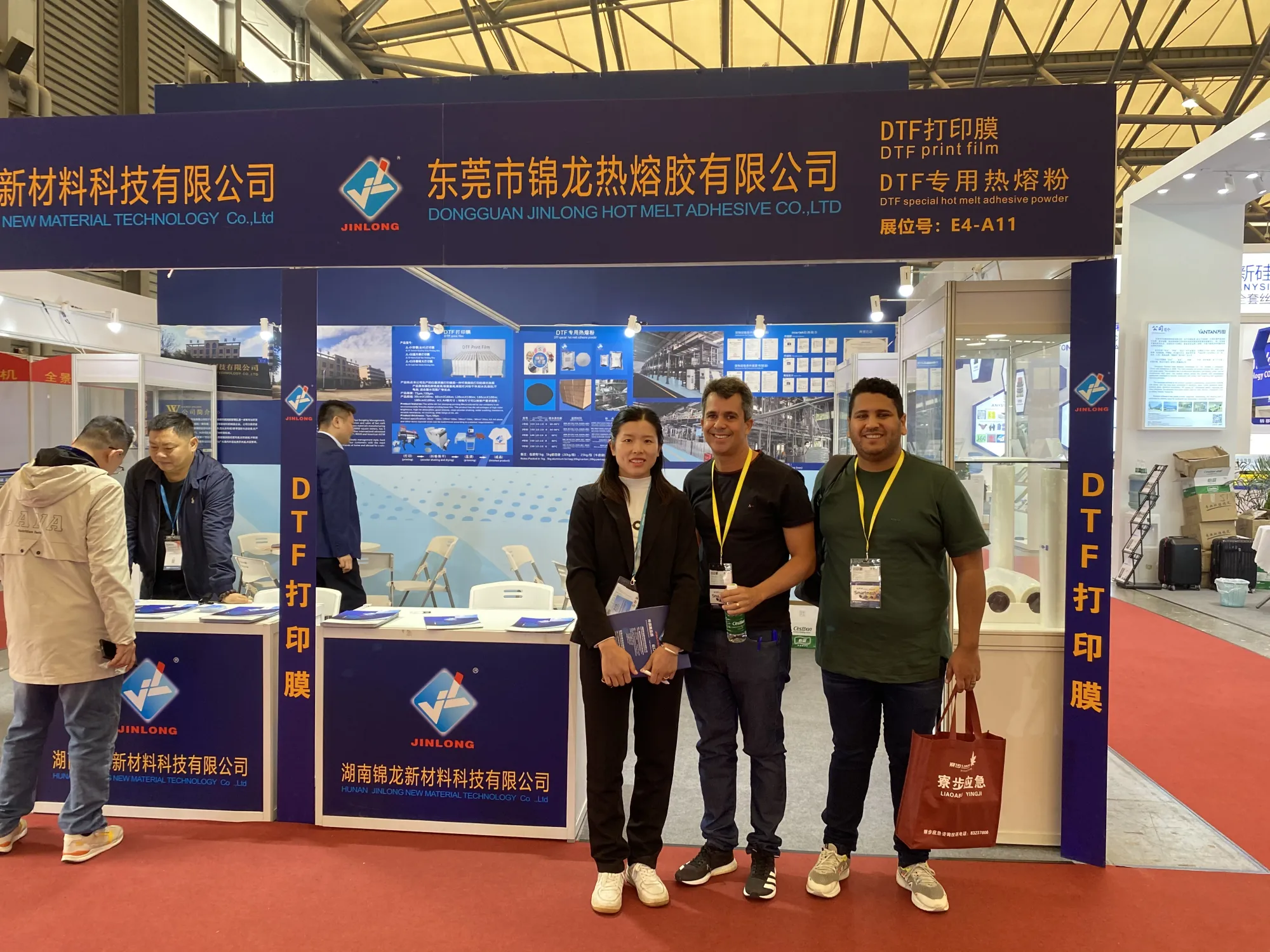
If you’re diving into the world of custom apparel, choosing the right printing method can make or break your business—or your next project. DTF vs Heat Transfer: Which printing method is better for custom apparel? is a question every entrepreneur, hobbyist, or small business owner faces when deciding how to bring their designs to life. Whether you want vibrant, detailed prints or simple, bold graphics, understanding the strengths and trade-offs of Direct-to-Film (DTF) and Heat Transfer Vinyl (HTV) is key. In this post, you’ll get a clear, no-nonsense comparison so you can pick the perfect method for your fabric, budget, and design goals—and discover why solutions like jinlong DTF are gaining real traction in the custom printing world. Let’s jump in!
What Is DTF Printing?
Direct to Film (DTF) printing is a modern custom t-shirt printing method that produces vibrant, durable designs on a variety of fabrics. Unlike traditional screen printing or heat transfer vinyl (HTV), DTF uses a printed film and adhesive powder to create flexible, full-color transfers that are easy to apply with a heat press.
Step-by-Step DTF Process
Design Printing on PET Film
The process begins by printing your digital design directly onto a clear PET film using specialized DTF printers with water-based inks. This allows for detailed, full-color, photorealistic images.
Adhesive Powder Application
Once printed, a layer of adhesive powder is evenly applied to the wet ink on the film. This powder ensures the design will bond firmly to the fabric.
Curing the Powder
The powder-coated film is then placed in a curing oven or conveyor dryer to melt and set the adhesive powder properly.
Heat Press Transfer
Finally, the prepared film is placed onto the apparel, and a heat press applies heat and pressure. This transfers the design onto the garment securely.
Key Equipment Needed
- DTF Printer: For high-resolution, full-color design printing on PET film
- Adhesive Powder: Provides strong bonding to fabric
- Curing Oven or Conveyor Dryer: Cures adhesive powder for transfer readiness
- Heat Press Machine: Transfers the design onto the garment with heat and pressure
Advantages of Modern DTF Solutions Like jinlong DTF
Modern DTF technologies, such as jinlong DTF, offer reliable, ready-to-press transfer films designed for consistent, high-quality results. These advanced solutions improve print durability, color vibrancy, and production efficiency—making DTF printing an excellent choice for custom apparel businesses looking to scale with minimal hassle.
DTF printing stands out for its versatility and ability to produce detailed, wash-resistant prints on a wide range of fabrics, reinforcing it as one of the best apparel printing techniques available today.
What Is Heat Transfer Printing (HTV)?
Heat transfer printing using Heat Transfer Vinyl (HTV) is a popular method for custom apparel, especially for simple and bold designs. The process starts by cutting the design out of vinyl sheets with a plotter or cutter. After cutting, you “weed” the excess vinyl away, leaving only the design on its clear carrier sheet. For multi-color designs, you layer each color vinyl piece carefully before heat pressing everything onto the fabric. The heat press applies temperature and pressure to bond the vinyl permanently to the garment.
There are several types of HTV available, including:
- Standard vinyl: Smooth and matte finish, perfect for most applications
- Glitter vinyl: Adds sparkle, great for eye-catching apparel
- Metallic vinyl: Shiny, reflective surface for a sleek look
- Flock vinyl: Soft, fuzzy texture that feels like velvet
HTV is commonly used for numbers, logos, and bold graphics on team jerseys, uniforms, and simple custom t-shirts. It’s ideal when you need clean, sharp edges and colors that pop but don’t necessarily require complex or photographic designs. If you’re looking to create standout vinyl heat press designs, HTV remains a straightforward and reliable choice.
For anyone starting in custom t-shirt printing methods, HTV is beginner-friendly and budget-conscious, making it a go-to for straightforward apparel projects.
Head-to-Head Comparison: DTF vs Heat Transfer
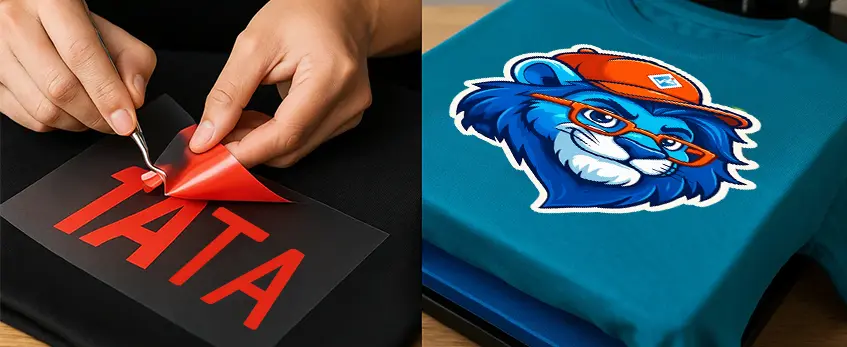
When deciding between DTF vs heat transfer, it helps to break down how each performs across key areas like design, fabric compatibility, durability, comfort, production speed, and cost. Here’s a quick look:
| Feature | DTF Printing | Heat Transfer Vinyl (HTV) |
|---|---|---|
| Design Capabilities | Full-color, photorealistic, intricate details | Simple, bold, single or limited-color designs |
| Fabric Compatibility | Works on cotton, polyester, blends, nylon, leather | Best on cotton and cotton-poly blends; limited on synthetics |
| Durability & Wash | Superior resistance; lasts 50+ washes | Good durability; starts wearing after 25-40 washes |
| Feel & Comfort | Soft, thin, breathable print | Thicker feel; vinyl can be noticeable on fabric |
| Production Speed | Faster for complex jobs; no weeding needed | Time-consuming weeding and layering |
| Cost | Higher initial setup; more cost-effective on medium-to-large runs | Low startup cost; less economical for bigger orders |
DTF printing shines when you need vibrant, photo-quality prints that work across many fabric types. Modern solutions like jinlong DTF also ensure consistent, high-quality output every time.
On the other hand, heat transfer vinyl is great for simple, bold designs where budget and beginner-friendly workflows matter most. Its specialty types like glitter or metallic vinyl keep things interesting for team jerseys or event tees.
Choosing the right method comes down to your design needs, fabric choices, and production volume. Both offer durable custom apparel prints, but knowing their strengths will help you pick the best fit for your business or hobby.
Pros and Cons of Each Method
Here’s a clear breakdown of the key DTF printing pros and cons versus heat transfer vinyl (HTV) pros and cons to help you decide the best apparel printing method for your needs.
| DTF Printing Pros | DTF Printing Cons |
|---|---|
| Full-color, photorealistic prints | Higher initial setup cost |
| Works on a wide range of fabrics (cotton, polyester, nylon, leather) | Requires curing equipment and heat press |
| Soft feel, breathable prints | Slight learning curve for beginners |
| No weeding needed – faster production | Ink and powder costs add up on small runs |
| Excellent wash resistance (50+ washes) |
| Heat Transfer Vinyl (HTV) Pros | Heat Transfer Vinyl (HTV) Cons |
|---|---|
| Lower startup cost for equipment | Limited to simple, bold, or layered designs |
| Variety of vinyl types (standard, glitter, metallic) | Weeding is time-consuming |
| Great for logos, numbers, and teamwear | Not ideal on synthetics or very soft fabrics |
| Beginner-friendly process | Prints can feel thicker and less breathable |
| Good durability (25–40 washes) | Multicolor jobs require layering and precision |
Understanding these pros and cons will help you pick the right custom t-shirt printing method—whether you want vibrant full-color prints or simple, budget-friendly designs. For modern DTF solutions that balance quality and consistency, check out the advanced options like Jinlong DTF transfer film and premium adhesive powders for longer-lasting prints.
When to Choose DTF

DTF printing shines when you need full-color, photorealistic designs on a variety of fabrics. It’s perfect for:
- Mixed fabrics like cotton-poly blends, nylon, or leather
- Small to medium batch orders where quality and detail matter
- Businesses ready to grow with durable, vibrant prints
Real-World Uses
You’ll see DTF on:
- Custom t-shirts with complex graphics
- Hoodies featuring detailed artwork
- Tote bags that require bright, lasting prints
Why jinlong DTF?
With jinlong DTF, you get premium, ready-to-press transfers that deliver consistent results every time. Their advanced hot-melt adhesive powders and reliable printers make it easier to produce soft, breathable, and wash-resistant custom apparel.
For businesses serious about quality and growth, DTF is a smart investment. If you want to explore equipment or supplies for DTF, check out their complete guide on DTF ink printers for custom apparel businesses.
When to Choose Heat Transfer (HTV)
Heat Transfer Vinyl (HTV) is a great pick if you’re just starting out or need quick, simple prints. It works best for one-off projects or small runs where budget matters. HTV also shines when you want specialty effects like glitter, metallic, or flock vinyl that really stand out.
Ideal Uses for HTV:
- Beginners learning custom t-shirt printing methods
- One-off designs or small orders
- Bold, simple logos and numbers
- Special finishes (glitter, metallic shine)
- Budget-friendly small projects
Real-World Examples:
| Project Type | Why HTV Works |
|---|---|
| Team jerseys | Easy to cut numbers and names in bold colors |
| Event tees | Fast turnaround on simple logos |
| Small business promo shirts | Low startup cost, good for limited colors |
HTV lets you create custom apparel with sharp, vibrant vinyl heat press designs without the need for complex setup. It’s a top choice for prints that don’t require full-color or photorealistic details, making it perfect for smaller shops or hobbyists.
If you want to explore heat press vinyl for t-shirts further, HTV can deliver great-looking, durable prints quickly and affordably.
Cost Considerations for Starting or Scaling
When choosing between DTF vs heat transfer for your custom apparel business, understanding the cost dynamics is key. DTF printing has a higher startup cost due to required equipment like a specialized printer, adhesive powder, and a quality heat press. However, it offers better long-term savings for medium-to-large runs because of faster production speeds and less labor—especially since there’s no weeding involved. Plus, modern options like the jinlong DTF printer make consistent, professional results easier for small businesses looking to scale.
Heat transfer vinyl (HTV) has a lower initial investment—ideal if you’re just starting out or focusing on small, simple orders. Supplies like vinyl sheets and a basic heat press are affordable, but keep in mind the time-intensive weeding and layering can slow down production and increase labor costs over time.
Tips to save money and avoid common pitfalls:
- Buy bulk supplies from reputable vendors to get better prices.
- Choose quality adhesives and inks to avoid peeling and fading, which can lead to costly reprints.
- Test on sample fabrics before mass printing to avoid wasted materials.
- Consider the fabric types you plan to print on to pick the most cost-effective method.
- Invest in reliable equipment like jinlong DTF inks that work well with your printer for consistent quality.
Balancing startup costs with long-term savings is crucial. If you plan on growing your apparel business with colorful, durable designs across multiple fabric types, DTF can be more economical in the long run. But for tight budgets and simpler projects, HTV remains a solid choice.
Care and Maintenance Tips for Printed Apparel
To keep your custom apparel looking fresh and vibrant longer, proper care is key—whether you\’re using DTF printing or heat transfer vinyl (HTV).
Washing Guidelines for Both Methods:
Turn garments inside out before washing to protect the print from rubbing and friction.
Use cold or warm water (not hot) to prevent damage and fading.
Opt for a gentle cycle on your washing machine, avoiding heavy agitation.
Avoid bleach or harsh detergents, which can weaken the print over time.
Skip fabric softeners, as they can break down print adhesives.
Specific Tips for DTF Prints:
DTF prints, like those made with premium jinlong DTF transfer film, have great durability and remain vibrant over 50+ washes. However, it’s best to air dry or tumble dry on low heat to keep the print soft and breathable.
Specific Tips for Heat Transfer Vinyl:
HTV designs tend to be a bit thicker and can crack or peel after 25-40 washes if not cared for properly. Using lower dryer heat settings and avoiding ironing directly on the vinyl helps extend the life of your vinyl heat press designs.
By following these care tips, you’ll get the most out of your custom t-shirt printing methods, whether you prefer the full-color flexibility of DTF or the bold simplicity of HTV.


 English
  Español
  Deutsch
  Français