


DTF vs Heat Transfer Printing 2026 Trends Features and Technology Updates
Understanding the Basics of DTF and Heat Transfer Printing
If you’re diving into custom t-shirt printing methods, getting a clear grip on DTF vs Heat Transfer is key. Let’s break down these two popular techniques, so you know what to expect.
What is DTF (Direct-to-Film) Printing?
Direct-to-Film (DTF) printing is a modern method that’s rapidly gaining traction in 2026. Instead of printing directly onto fabric, the design is printed onto a special PET film first. Here’s the basic process:
- Printing: The design is printed onto PET film using specialized DTF printers and eco-friendly inks.
- Adhesive Powder Application: A hot-melt adhesive powder is applied over the wet ink.
- Curing: This powder is cured with heat to bond it to the ink.
- Heat Pressing: Finally, the film is heat-pressed onto the garment, transferring the design.
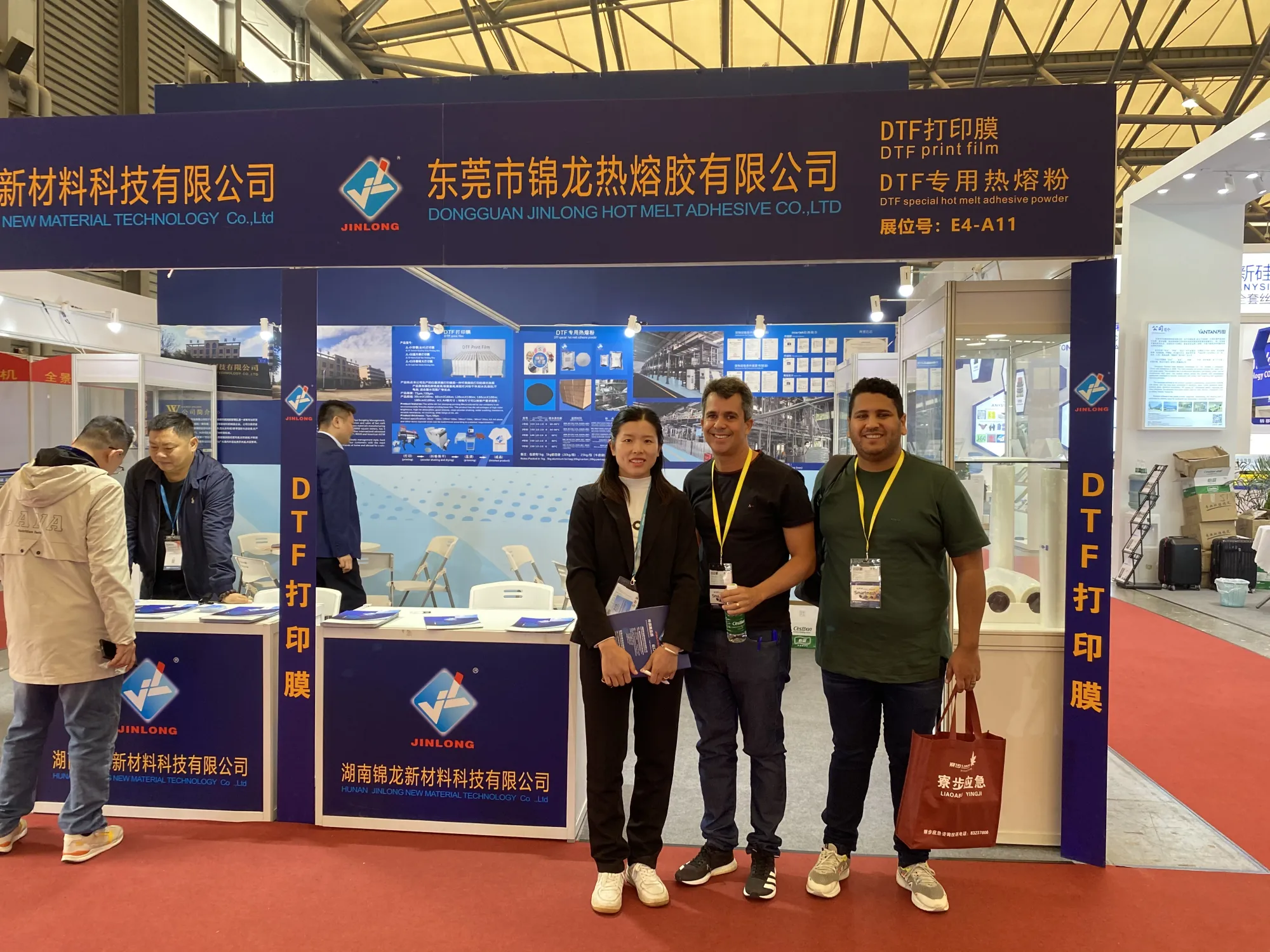
Core components include DTF printers, water-based ink (which is often eco-friendly), PET films, and adhesive powders. Jinlong DTF is known for leading innovations here with high-quality inks and films, enhancing durability and color vibrancy.
What is Heat Transfer Printing?
Heat Transfer Printing, often equated with Heat Transfer Vinyl (HTV), is a widely used technique for apparel personalization. HTV remains a go-to for many due to its simplicity and versatility. It generally involves:
- Cutting: The vinyl film or printable transfers are cut into the desired design.
- Weeding: The excess vinyl around the design is removed (known as weeding).
- Heat Application: Finally, the vinyl is pressed onto the garment using heat and pressure.
Apart from standard HTV, there are variations like printable HTV and screen-printed transfers that offer more detailed or multicolor options. Printable HTV lets you print full-color designs before cutting, while screen-printed transfers are durable choices for larger runs.
Both DTF and HTV have their places in the market, but their processes, equipment needs, and results differ, which we’ll explore in detail next.
This intro sets you up with a clear picture of how Direct to Film printing and Heat Transfer Vinyl printing work, giving you a solid foundation for the comparisons and trends we’ll cover next in 2026.
Head-to-Head Comparison: DTF vs Heat Transfer Printing
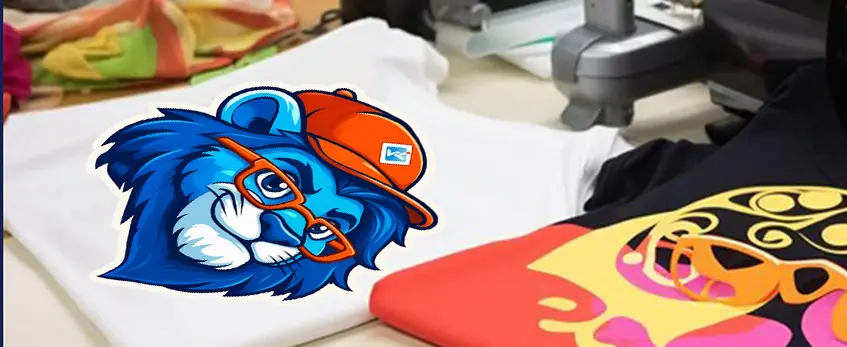
When comparing DTF vs heat transfer printing, several factors come into play, especially around design quality, fabric compatibility, durability, feel, and production speed. Here’s a quick breakdown to help you decide which method suits your needs in 2026.
| Feature | DTF (Direct-to-Film) | Heat Transfer Vinyl (HTV) |
|---|---|---|
| Design Capabilities | – Excellent for full-color prints, gradients, and detailed designs – Vibrant colors on both dark and light fabrics | – Best for solid colors and sharp shapes – Limited gradient/complex designs – Colors can be less vibrant on dark fabrics |
| Fabric Versatility | Works well on cotton, polyester, blends, nylon, leather, and even some non-textiles | Mostly works on cotton and polyester; stretch or textured fabrics can be tricky |
| Durability & Wash Fastness | High resistance to cracking, peeling, and fading after multiple washes | Durable but may crack or lift over time, especially with frequent washing |
| Feel & Comfort | Smooth, soft finish with minimal texture – feels more natural on garments | Slightly raised or textured feel due to vinyl layers, which some find less comfortable |
| Production Speed & Ease | Faster setup with no weeding; powder application adds a step but automation is improving | Requires detailed weeding to remove excess vinyl before pressing, which can slow production |
Bottom line: DTF printing shines with complex, full-color imagery and works on a wide range of fabrics while delivering lasting prints that feel soft. Meanwhile, HTV is solid for simpler designs, especially when sharp shapes and durability on basic fabrics are key.
For those focusing on speed and intricate artwork with vibrant colors, DTF offers a clear advantage in 2026. If you want textured effects or are working primarily with simpler, solid-color designs, HTV remains a reliable choice.
Explore reliable and high-quality options like the Jinlong DTF printer for superior ink and film performance that make the difference in full-color transfer printing.
Cost Breakdown: DTF vs Heat Transfer Printing

When it comes to initial investment, DTF printing usually requires a higher upfront cost. You’ll need a DTF printer, specialized ink, PET films, adhesive powders, and a quality heat press. On the other hand, heat transfer (HTV) starts with a vinyl cutter or printer and heat press, which often costs less upfront but varies depending on the complexity of your setup.
Looking at per-print costs, DTF uses consumables like eco-friendly inks, PET films, and adhesive powders, which can add up but often deliver vibrant full-color prints that justify the expense for many businesses. In contrast, HTV relies on vinyl sheets or transfers and tends to have lower material costs per print, especially for simpler designs or smaller runs. However, intricate designs requiring multiple colors might increase both material waste and cost.
Regarding scalability, DTF printing excels for small to medium-volume production with faster turnaround times and less manual labor—no weeding required—making it ideal for on-demand custom prints. Heat transfer vinyl works great for very small batches or hobby-level projects but can slow down in medium-volume shops due to the weeding process and setup time.
For those interested in the details of adhesive powders that boost durability and print feel in DTF, there are quality options like TPU DTF hot melt adhesive powders designed to keep transfers flexible and wash resistant.
Choosing between these methods depends largely on your budget, order volume, and design complexity.
Emerging Trends and Technology Updates for 2026
DTF Advancements
In 2026, Direct-to-Film printing is stepping up with eco-friendly water-based inks, biodegradable films, and recyclable materials, aligning with the growing demand for sustainable apparel decoration trends. Print speeds are faster than ever thanks to automated powder application systems, while AI-enhanced color management is improving precision and vibrancy in DTF transfers. We’re also seeing expanded color gamuts that capture complex full-color designs, finer powders for a softer hand feel, and innovative hybrid UV-DTF options that boost durability and print detail. Integration with roll-to-roll systems is becoming standard, helping shops efficiently scale up medium-volume to high-volume production runs.
For newcomers or anyone upgrading their gear, following best practices in XP600 DTF printer setup and maintenance can really make a difference in print quality and workflow efficiency.
Heat Transfer (HTV) Advancements
Heat transfer vinyl continues to evolve with new textured effects—think soft puff, metallic shine, and holographic finishes—that add unique flair to garments. The shift toward PVC-free and low-impact materials helps heat transfer printing stay sustainable while improving adhesion on tricky fabrics like stretch blends and hybrid materials. This means more versatile applications without sacrificing durability. Printable HTV and screen-printed transfers are also seeing improvements for more vibrant and reliable prints, expanding the options for small batch t-shirt printing and custom orders.
Shared Industry Shifts
Both DTF and heat transfer technologies are embracing sustainability, cutting down on VOC emissions and using energy-efficient equipment. Smart heat presses with automation and preset functions speed up production, ensuring consistent results with less guesswork. The rise of on-demand printing and e-commerce customization is reshaping how businesses operate, pushing both DTF and HTV methods toward faster turnaround times and greater flexibility for personalized apparel.
Together, these advancements are driving the future of garment printing technology in the U.S., making it easier for businesses—from hobbyists to high-volume shops—to stay competitive and eco-conscious.
Pros and Cons DTF vs Heat Transfer (HTV)
Here’s a quick rundown of the strengths and weaknesses of both Direct-to-Film (DTF) printing and Heat Transfer Vinyl (HTV), plus when each method fits best.
| Aspect | DTF Strengths | DTF Weaknesses | HTV Strengths | HTV Weaknesses |
|---|---|---|---|---|
| Print Quality | Supports full-color, gradients, fine details | Slightly raised feel, may need curing | Crisp, vibrant colors for simple shapes | Limited in gradients and complex designs |
| Fabric Compatibility | Works on cotton, polyester, blends, nylon, leather, and more | Some PET film waste | Great on cotton and cotton blends | Not ideal for nylon or leather |
| Durability | Strong wash fastness, resists cracking and peeling | Powder residue may affect softness | Excellent durability, especially with quality HTV | Can crack or peel on stretchy fabrics |
| Feel on Garments | Softer hand as powders get finer | Slight texture from adhesive | Soft or textured finishes available | Raised or stiff feel with some types |
| Production Speed | Faster for complex, full-color prints | Setup can be more technical | Quicker setup for simple designs | Weeding can be time-consuming |
| Cost Efficiency | Better for medium to high volume runs | Higher upfront costs for printers | Lower initial cost, good for small batches | Higher cost per print for complex designs |
When to Choose Each Method
DTF is ideal if you:
- Want full-color prints with gradients or photographic details
- Need versatility across various fabrics, especially polyester and blends
- Are running medium to large print batches or short runs with complex designs
- Want durable prints with soft hand feel
HTV works best when you:
- Focus on simple designs, logos, or text-based prints
- Need quick runs and effortless customization for small batches
- Want specialized finishes like puff, metallic, or holographic effects
- Have mostly cotton or cotton-blend substrates
Both methods shine depending on your workflow and product goals. For small businesses and hobbyists, HTV is often the simpler, budget-friendly way to start. But if your business is scaling or you want high-quality, multi-color prints on more fabric types, investing in DTF technology makes sense.
When ready to upgrade or start with reliable equipment, consider checking options like the advanced jinlong DTF printers known for superior ink and film quality. This will help you stay competitive with the latest garment printing technology in 2026.
Future Outlook: Which Method Dominates in 2026?
As we move further into 2026, the apparel decoration landscape is clearly shifting. DTF printing is experiencing rapid growth thanks to its versatility, vibrant full-color output, and improvements in eco-friendly inks and materials. This method is becoming a go-to for many small to medium-sized businesses looking to scale up with high-quality, durable prints. Meanwhile, heat transfer vinyl (HTV) holds a strong position in niche markets that value textured, specialty finishes like puff, metallic, and holographic effects.
Market Projections: DTF’s Fast Rise vs. HTV’s Established Role
- DTF\’s ability to print complex, photo-quality designs on a wide variety of fabrics—including blends and synthetics—gives it an edge for diverse order types and on-demand custom printing.
- HTV remains favored for custom work with bold, graphic designs and specialty finishes that can’t be easily replicated by DTF yet.
- Both methods will coexist, but DTF is likely to dominate in volume-driven scenarios, especially as innovations in automation and roll-to-roll printing increase output efficiency.
Getting Started or Upgrading
For those looking to enter or upgrade within the custom t-shirt printing market, focusing on DTF technology offers a future-proof strategy. Reliable products like the jinlong DTF printer series stand out for superior ink quality, smooth workflow, and excellent film performance. Plus, jinlong’s eco-friendly CMYK inks and powder systems help keep prints vibrant and durable wash after wash.
Bottom Line
- Choose DTF if you want full-color flexibility, fast turnaround, and broad fabric compatibility.
- Stick with HTV if your niche demands specialty texture, layered effects, or small batch runs with minimal setup.
In 2026, investing in DTF technology, especially with trusted solutions like jinlong DTF products, positions businesses for growth in the rapidly evolving custom apparel market.


 English
  Español
  Deutsch
  Français