


DTF vs Heat Transfer Print Quality Stretchability and Wash Resistance Comparison
What Is DTF Printing?
If you’ve heard about DTF printing vs HTV, you’re probably wondering what exactly DTF (Direct to Film) printing involves. Here’s the lowdown on this popular method that’s changing the game for custom apparel.
Step-by-Step DTF Printing Process
- Print on PET film: The process starts by printing your full-color design directly onto a clear PET film using specialized inkjet printers with water-based pigmented inks.
- Apply adhesive powder: Right after printing, a layer of adhesive powder is evenly applied to the wet ink on the film.
- Cure the adhesive: This powder-coated film goes through a curing oven or heat tunnel to melt and bond the adhesive powder, making it ready for transfer.
- Heat press transfer: Finally, the cured film is placed on the fabric and heat pressed. The design transfers smoothly onto the garment, creating a vibrant, durable print.
Key Advantages of DTF Printing
- Full-color and complex designs: DTF handles detailed, photorealistic images, gradients, and fine lines effortlessly—no limitations on color or detail.
- No weeding required: Unlike vinyl, there’s no cutting or peeling around shapes, which saves lots of prep time.
- Works on diverse fabrics: Great results on cotton, polyester, blends, nylon, and even stretch fabrics.
Ideal Uses for DTF Printing
DTF printing shines when you need:
- Complex, vibrant, multi-color designs
- Small to medium production runs where quality and flexibility matter
- Durable prints on stretchy or synthetic fabrics
If your goal is richly detailed and colorful transfers with strong wash resistance and a soft hand feel, DTF printing is a smart choice.
What Is Heat Transfer Vinyl (HTV)?
Heat Transfer Vinyl (HTV) is a popular custom t-shirt printing method that uses vinyl sheets to create designs. The process starts by cutting your design from a colored vinyl sheet using a digital cutter. Next, you carefully weed out the excess vinyl around your design—a step where precision is key, especially with detailed graphics. Finally, you place the vinyl on your fabric and use a heat press to firmly bond the design onto the garment.
HTV offers some clear advantages: it’s affordable to start with, making it great for beginners or small shops, and it’s perfect for precise, solid-color designs like logos, numbers, or simple graphics. Because it doesn’t involve ink, HTV produces vibrant, crisp prints that stand out well on various fabrics. That said, it really shines when used for low-volume personalization or bold, single-color designs where clean edges and durability matter.
For a straightforward, budget-friendly option with solid color accuracy, HTV remains a reliable choice for many small-batch projects.
Direct Comparison: Print Quality
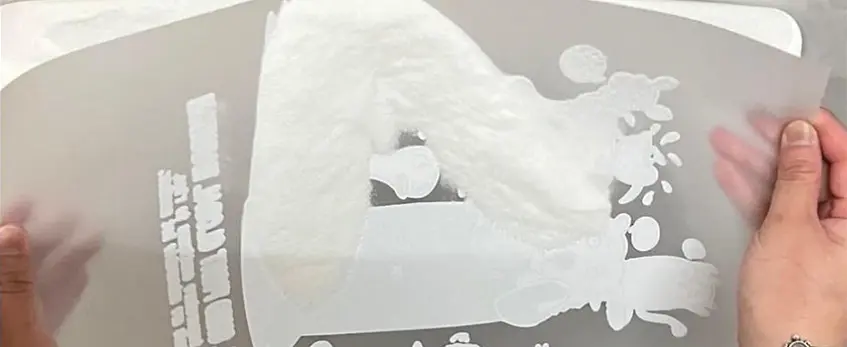
When it comes to print quality, DTF printing vs HTV shows clear differences:
Vibrancy and Detail
DTF shines with vibrant, full-color transfers, perfect for gradients, fine lines, and photorealistic images. It handles complex designs effortlessly. In contrast, HTV is best for solid colors and uses layering for multi-color designs, limiting its detail and color blending.
Color Accuracy on Fabrics
DTF maintains excellent color accuracy on both light and dark fabrics, thanks to its adhesive powder and curing process. HTV also works well on light fabrics but can struggle with dark backgrounds due to limited opacity in some vinyls.
Hand Feel
Prints done with DTF feel softer, more integrated into the fabric, offering a natural hand feel. HTV often has a slightly raised, plastic-like texture when new, which can soften up after multiple washes but may never feel as seamless.
| Aspect | DTF Printing | Heat Transfer Vinyl (HTV) |
|---|---|---|
| Print Type | Photorealistic, gradient capable | Solid colors, layered designs |
| Color Accuracy | Bright on light & dark fabrics | Best on light fabrics, less opaque on dark |
| Hand Feel | Soft, fabric-like | Raised, plastic-like initially |
| Ideal Usage | Complex multicolor designs | Simple logos, solid colors |
For reliable, vibrant prints that don’t compromise on feel, DTF printing edges out HTV, especially for detailed, colorful artwork. For more about DTF materials and techniques, check out the DTF transfer film options that help achieve these vibrant results.
Direct Comparison: Stretchability
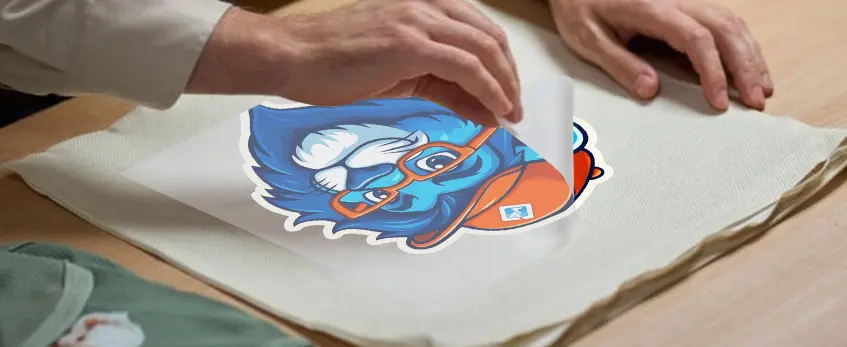
When it comes to stretchability, especially for activewear and stretchy fabrics, DTF printing really shines. The ink bonds deeply with the fabric fibers, allowing prints to stretch and move without cracking or peeling. This makes DTF ideal for leggings, performance shirts, and other high-elastic materials where flexibility is key.
Heat Transfer Vinyl (HTV), on the other hand, has more limits in this area:
- Standard HTV tends to be less flexible and can crack or peel when stretched repeatedly.
- Stretch-specific HTV options improve flexibility but still don’t match the natural stretch of DTF prints.
- On very high-elastic fabrics, HTV may lose adhesion or feel stiff.
Real-World Stretch Test: DTF vs HTV
| Feature | DTF Printing | Heat Transfer Vinyl (HTV) |
|---|---|---|
| Flexibility | Excellent, moves with fabric | Moderate, stretch vinyl available but limited |
| Crack Resistance | Rarely cracks or peels | Prone to cracking with frequent stretching |
| Ideal Use Cases | Activewear, stretchy blends | Simple, less-stretch designs |
| Hand Feel | Soft, integrated with fabric | Can feel raised or plastic-like initially |
For anyone printing on fabrics that need to move and stretch, DTF offers superior durability and comfort without sacrificing design quality. If HTV is your choice, opt for stretch HTV types and test on similar fabrics before bulk printing.
For those starting with DTF or looking for a reliable deep bond on fabrics like polyester and blends, check out our detailed DTF transfer film options and equipment guides for best results.
Direct Comparison: Wash Resistance
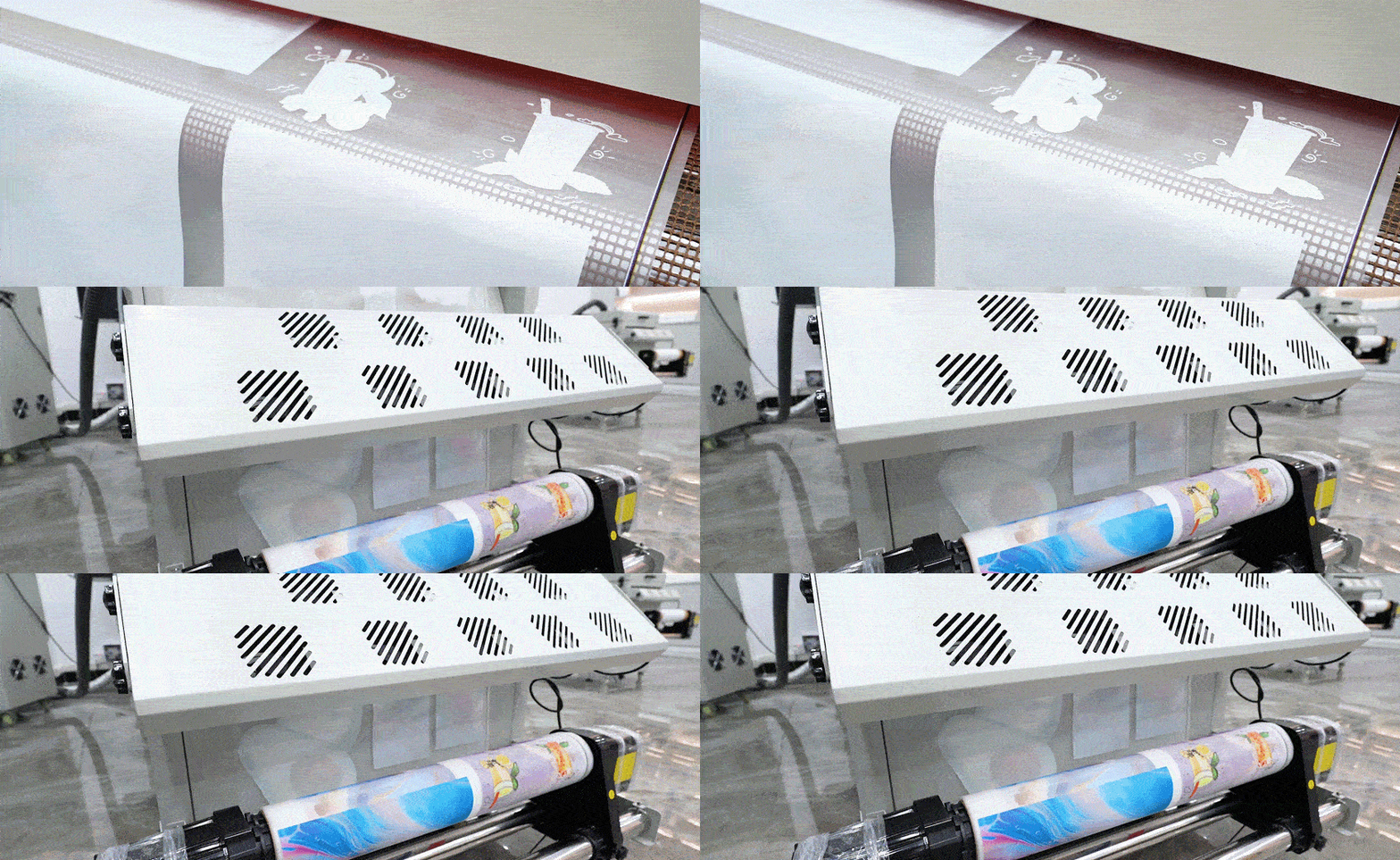
When it comes to wash resistance, DTF printing usually outperforms heat transfer vinyl (HTV). Here’s a quick breakdown:
| Feature | DTF Printing | Heat Transfer Vinyl (HTV) |
|---|---|---|
| Wash durability | Often 50+ washes without fading or peeling | Typically lasts 25-40 washes |
| Common wear issues | Fading if ink curing is poor | Peeling and cracking over time |
| Longevity factors | Proper curing, fabric choice, good heat press | Correct vinyl type, heat application, fabric stretch |
| Fabric compatibility | Works well on polyester, nylon, blends | Mostly cotton, some blends |
Why DTF Lasts Longer
DTF inks bond directly with fabric fibers, creating durable prints that resist cracking and peeling even after many washes. With correct curing and application, DTF wash test results show minimal fading beyond 50 cycles. This makes it a solid choice for long-lasting custom designs, especially on synthetic blends.
HTV Limitations
HTV relies on a vinyl layer applied on top of fabric, which can crack or peel as the fabric stretches or ages. While stretch-specific vinyl helps, most HTV prints last around 25-40 washes before signs of wear appear. Proper heat pressing and fabric compatibility help maximize life but can’t fully prevent issues like HTV peeling or cracking.
For more reliable, durable prints, many professionals prefer DTF, especially for activewear or frequent-use items. Check out specialized DTF transfer films that enhance wash resistance and print longevity.
Balancing care is key for both methods: washing inside out, cold water, and avoiding harsh detergents help extend print life no matter which you choose.
Other Key Factors to Consider
When deciding between DTF vs Heat Transfer, it’s important to look beyond just print quality and durability.
Cost Breakdown:
- Initial setup: DTF requires an upfront investment in a printer and curing equipment, which can be higher compared to starting with a vinyl cutter for HTV.
- Per-unit pricing: DTF transfers are cost-effective for medium to large runs since there’s no weeding, reducing labor time. HTV is cheaper for small runs or single-color designs but gets costly with multicolor or complex jobs.
- Scalability: DTF scales well for business growth due to faster print-to-press turnaround and easier reproduction of elaborate designs.
Production Speed and Ease:
- DTF wins for speed because it doesn’t require weeding, a time-consuming step in HTV where excess vinyl is manually removed. This makes DTF especially efficient when handling complex, multicolor transfers.
- HTV’s weeding process can slow down production, especially with detailed designs, but for simple shapes, it remains quick and straightforward.
Fabric Compatibility:
- DTF transfers bond effectively on polyester, nylon, cotton blends, and even some difficult fabrics, offering versatility for various apparel types including activewear.
- HTV works best on cotton and cotton blends but struggles slightly with synthetic fabrics unless specialty vinyl is used. For stretchable fabrics, only certain HTV types perform well without cracking.
Environmental and Health Notes:
- DTF inks are water-based, making them a more eco-friendly choice compared to some HTV products that include PVC or other plastics. This also reduces concerns about smell and chemical sensitivity during production and wear.
For those who want to dive deeper into the DTF process or explore the best printers for beginners, resources like the full DTF printing process guide and top DTF printers of 2026 offer plenty of insights.
Choosing the right method depends on balancing these factors with your specific needs, budget, and type of designs you want to produce.
Pros and Cons Table: DTF vs Heat Transfer Vinyl
| Feature | DTF Printing | Heat Transfer Vinyl (HTV) |
|---|---|---|
| Print Quality | Vibrant full-color transfers; excellent for gradients and photorealistic images. Soft hand feel, blends well with fabric. | Precise solid-color prints; limited to layering. Can feel raised or plastic-like. |
| Stretchability | Highly stretchable, bonds deeply, great for activewear and stretch fabrics. | Stretch options exist but limited; standard HTV prone to cracking on high elasticity fabrics. |
| Wash Resistance | Long-lasting custom designs; can withstand 50+ washes with proper curing. | Durable for 25-40 washes; may peel or crack over time. |
| Application Speed | Faster production with no weeding needed, ideal for medium runs. | Time-intensive weeding; better for simple, low-volume projects. |
| Fabric Compatibility | Works on polyester, nylon, blends, and cotton. | Best on cotton and some blends; less effective on synthetic fabrics. |
| Cost | Higher initial investment but scalable and cost-effective for medium runs. | Low startup cost; cost-effective for one-off or small orders. |
| Environmental Impact | Uses water-based inks, generally eco-friendlier. | Some HTV contains PVC and other plastics. |
| Best Use Cases | Complex multicolor designs, stretchy garments, and diverse fabrics. | Simple logos, numbers, solid colors, and beginner-friendly projects. |
This table highlights the key differences between DTF printing vs HTV, helping you choose the best method for your custom t-shirt printing needs. For a deeper dive into production costs and techniques, check out our detailed DTF printing cost breakdown.
When to Choose DTF
DTF printing shines when you need detailed, multicolored designs that demand vibrancy and precision. It’s perfect for stretchy garments like activewear since the prints stretch without cracking. Plus, DTF works well on a variety of fabrics—including polyester and blends—making it versatile for different apparel types.
Best Scenarios for DTF:
- Complex, photorealistic designs with smooth gradients and fine details
- Stretchy materials like spandex or performance fabrics that need flexible prints
- Medium-volume orders where speed and quality matter
- Varied fabric types, including polyester, nylon, cotton blends
Why Choose Jinlong DTF?
Jinlong DTF offers consistent, high-quality transfers thanks to its advanced adhesive powder application and curing process. This means prints that are softer, more durable, and have excellent wash resistance compared to other DTF methods. For anyone looking to scale custom apparel printing without sacrificing vibrancy or stretchability, Jinlong DTF stands out as a top choice.
For more on optimizing your workflow with Jinlong, explore the detailed guide on the complete DTF workflow and powder shaker essentials.
| Use Case | Why DTF Works Best |
|---|---|
| Detailed multicolor prints | Superior image sharpness & color depth |
| Stretchy fabrics | Deep bonding for crack-resistant stretch |
| Medium run production | Faster process, no weeding needed |
| Various fabric types | Works reliably on polyester & blends |
In short, if you want vibrant, durable, and stretch-friendly prints on diverse fabrics, Jinlong DTF is your go-to choice.
When to Choose Heat Transfer Vinyl (HTV)
HTV is a solid choice when you need simple, bold designs that pop without fuss. It’s especially beginner-friendly thanks to its easy cutting and weeding process. HTV works great for very small runs or one-off custom jobs where setup time and cost need to stay low.
Plus, HTV shines on hard surfaces like canvas bags, hats, or some plastic materials, which can be tricky for DTF. precise solid-color transfers make logos, numbers, and text clean and sharp.
Best Use Cases for HTV:
| Scenario | Why HTV Works Best |
|---|---|
| Simple logos & designs | Crisp, solid colors with minimal layers |
| Beginners & beginners’ kits | Low startup cost, straightforward process |
| Small-volume orders | Fast setup, less material waste |
| Hard surfaces | Good adhesion on non-fabric items |
If you\’re starting out or focusing on affordable, no-weed heat transfers, HTV gives you control with decent durability and decent stretch options. Keep in mind that for activewear or stretchy fabrics, you might want specialized vinyl types to avoid cracking.
For a deeper dive into vinyl options and heat transfer vinyl durability, check out guides and products tailored to different HTV types across multiple fabric blends.


 English
  Español
  Deutsch
  Français