


DTF Transfer Machines Guide for Vibrant Durable Apparel Printing
Why DTF Transfer Machines Are Revolutionizing Apparel Printing
The world of apparel printing is changing fast, and DTF transfer machines are leading the charge. Traditional methods like screen printing and heat press transfers have their place, but direct-to-film (DTF) printing brings a fresh, digital approach that’s reshaping the industry.
DTF lets you print full-color designs on a special PET transfer film using pigment inks for textiles. These designs then get coated with adhesive powder and cured, ready to apply on a variety of fabrics with a heat press. Unlike older techniques, DTF printing offers unmatched versatility—it works on cotton, polyester, blends, and even hard-to-print materials without extensive setup.
So why are more businesses switching? The benefits are clear:
- Faster setup and on-demand apparel production reduce wait times and waste.
- Consistent quality with vibrant, washable DTF designs that hold up after many washes.
- Lower costs on short runs compared to screen printing, making it perfect for startups and custom orders.
- Eco-friendly garment printing through less water use and safer inks.
- Compact machines ideal for small spaces or scalable shops, from entry-level setups to pro-level production lines.
In short, DTF transfer machines blend digital convenience with high-quality results, opening new doors for custom t-shirt printing and beyond. This shift from traditional to digital is more than just a trend—it’s a full-on revolution in how apparel gets printed.
What Is DTF Printing? Understanding the Fundamentals
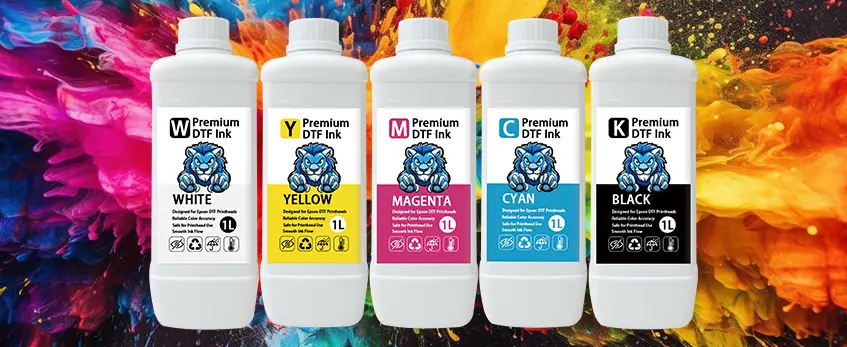
DTF printing, or Direct-to-Film printing, is a modern technique where designs are printed directly onto a special PET transfer film using pigment ink for textiles. After printing, an adhesive powder is applied to the film and cured before transferring the image onto garments with a heat press. This process creates vibrant, durable, and washable DTF designs that work on various fabrics, from cotton to polyester blends.
Unlike Direct-to-Garment (DTG), which prints directly onto the fabric, DTF uses a film transfer, making it more versatile across materials. Compared to sublimation, which only works on polyester and light colors, DTF can print on dark and light fabrics alike. Vinyl cutting is another method but lacks the flexibility and detail that DTF offers, especially for complex, colorful prints.
DTF printing shines in custom t-shirt printing, on-demand apparel production, and small business setups due to its lower entry costs and simplified workflow. Its ability to produce high-quality, eco-friendly garment printing makes it a favorite among modern print shops. For those interested in the materials, using the right DTF transfer film is crucial to achieving top results.
How DTF Transfer Machines Work: A Step-by-Step Breakdown
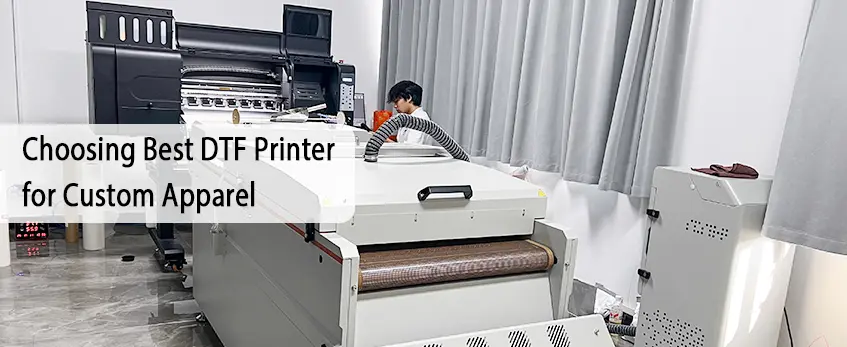
DTF transfer machines combine precision and speed to make custom apparel printing straightforward. Here’s a simple breakdown of how they work and what goes into the process:
Core Components
- DTF Printer: Uses pigment ink for textiles, including white ink, to print your design onto PET transfer film.
- Adhesive Powder Applicator: Sprinkles a special powder on the wet print to help the ink stick during heat pressing.
- Powder Curing Oven: Melts the adhesive powder onto the film, creating a clean, washable print.
- Heat Press: Transfers the design from the film onto the fabric with high heat and pressure.
Workflow Process
- Design Preparation: Create or choose your design file optimized for DTF printing—preferably set up with RIP software for DTF to get the best color and detail.
- Printing: The DTF printer prints your design, including white ink layers if needed, directly onto the PET film.
- Powdering: While the print is still wet, the powder applicator evenly coats the film, essential for a durable transfer.
- Curing: Pass the film through the powder curing oven to bond the adhesive to the print, prepping it for transfer.
- Heat Press Transfer: Finally, press the film onto your garment applying heat and pressure, making the design stick firmly.
Machine Variations
- Entry-level DTF machines are great for startups and smaller shops, focusing on simplicity and affordability.
- Higher-end models, like the JL DTF302S, offer greater speed, accuracy, and better white ink circulation systems—key for vibrant and durable prints.
Pro Tips for White Ink Circulation
White ink tends to settle or clog, affecting print quality. To keep your machine running smoothly:
- Shake or stir the white ink regularly during printing.
- Use DTF printers with built-in white ink circulation or recycling features.
- Perform routine cleaning cycles to prevent buildup.
Understanding these steps and parts makes mastering your DTF printer easier and helps produce top-quality prints every time. For those interested, the JL DTF302S digital printer is a solid option known for excellent white ink handling.
Essential Equipment and Supplies for DTF Success

To get the most out of your DTF transfer machine, having the right gear is essential. Here’s a quick rundown of must-have tools and supplies:
- DTF Printer – Choose one built for pigment ink and reliable white ink circulation. This is the heart of your setup.
- PET Transfer Film – The clear film you print your designs onto; quality matters for sharp details and easy peeling.
- Adhesive Powder – Used to make your design stick during curing. Different powders impact the feel and durability. For detailed info on hot melt powders, check out this guide on types and properties of hot melt powder.
- Powder Curing Oven or Heat Press – Essential for melting the adhesive powder onto the print properly, ensuring a long-lasting transfer.
- RIP Software for DTF – Manages color profiles and print layouts for crisp results.
- Cleaning and Maintenance Tools – Regular upkeep protects your machine from pigment ink clogs and white ink settling. Keep cleaning kits and maintenance supplies within reach.
- Workspace Essentials – A clean, organized area helps prevent dust on prints and streamlines your apparel printing workflow.
When sourcing these supplies, look for reliable U.S.-based vendors who specialize in eco-friendly garment printing materials. This ensures faster shipping, helpful support, and consistent quality.
Maintaining your equipment regularly not only lengthens machine life but also keeps your prints vibrant and consistent. Daily cleaning of print heads and monitoring white ink circulation can prevent common issues, so don\’t skip those small but important steps.
For a deep dive into adhesive powder applications and optimizing your DTF transfers, you can visit this detailed science of DTF hot melt powder article.
Step-by-Step Guide: Setting Up and Running Your First DTF Print
Getting started with your first DTF print can seem tricky, but following a clear process makes it smooth. Here’s a simple walkthrough to help you set up, print, cure, and troubleshoot like a pro.
Workspace Preparation
- Clean, flat surface: You’ll need a dust-free area to avoid particles sticking to your print.
- Good ventilation: DTF printing and curing can release fumes, so keep your workspace airy.
- Organize tools: Keep your heat press, adhesive powder, PET transfer film, and printer within reach.
Design File Tips
- Use high-resolution artwork in PNG or TIFF format with a transparent background.
- Separate the white ink layer to ensure proper underbase coverage.
- Adjust colors in your RIP software for the best print vibrancy and durability. For expert advice on preparing your artwork, check out these DTF design tips for Photoshop and Illustrator.
Printing Process
- Load your transfer film (usually PET transfer film) into the DTF printer.
- Make sure white ink circulation is active to avoid clogging and maintain print quality.
- Print your design, paying attention to layering white ink first, then colors.
Powder Adhesive Application and Curing
- Immediately after printing, apply a fine layer of hot-melt adhesive powder to the wet ink.
- Shake off excess powder to prevent lumps. Use a powder curing oven or a heat press at recommended settings (around 160-170°C) to melt the powder and bond ink to the film.
Heat Press Transfer
- Place the cured print onto the garment with the print side down.
- Press for about 15 seconds at medium pressure and recommended temperature, then peel the film hot or cold depending on your materials.
Troubleshooting Tips
- White ink issues? Check white ink circulation and print head cleaning.
- Poor adhesion? Ensure correct powder quantity and curing temperature.
- Blurry prints? Verify design resolution and printer settings.
Real-World Case Study
A small custom t-shirt shop in Texas cut setup time by 50% using this step-by-step approach, while improving print durability and color vibrancy. This workflow fit their on-demand apparel production perfectly, leading to happier customers and more repeat orders.
Starting out this way puts you in control and cuts mistakes. For the essential supplies to keep your DTF running smoothly, including specialist films like the DTF transfer film 33cm single basic series, stocking up right pays off.
Advantages of DTF Transfer Machines in Modern Apparel Printing
DTF transfer machines bring clear advantages that make them a go-to choice for today’s apparel printing businesses. Here’s why they stand out:
Versatility: DTF works on a wide range of fabrics—including cotton, polyester, blends, and even nylon—without losing print quality. This flexibility means you can print custom designs on everything from t-shirts to hoodies and hats.
Durability: Prints made with DTF machines are known for their strong washability and resistance to cracking or peeling. This durability means customers get long-lasting designs that hold up through many washes.
Efficiency: Compared to traditional screen printing and some digital methods, DTF offers a faster workflow. The process allows for on-demand apparel production with minimal setup times, reducing waste and speeding up turnaround.
Eco-Friendliness: Many DTF systems use pigment ink for textiles along with eco-conscious adhesive powders, resulting in less chemical runoff and waste. Plus, the ability to print on-demand cuts down on overproduction.
Business Scalability: Whether you’re running an entry-level DTF machine or scaling up to professional models, this technology supports growth. It’s easy to add new machines, diversify product offerings, and expand without heavy upfront costs.
If you’re looking to explore versatile options or source essential supplies, it’s worth checking out quality DTF transfer films that work seamlessly with your setup. The right materials keep your prints vibrant and sharp, enhancing the overall value your machine delivers.
Potential Drawbacks and How to Overcome Them
While DTF transfer machines bring a lot to the table, there are some challenges you should be aware of before jumping in.
Upfront Costs
DTF machines and their supplies aren’t the cheapest, especially if you want quality prints and reliable gear. The initial investment can be a barrier, but you can minimize costs by starting with entry-level DTF machines and scaling as demand grows. Also, sourcing supplies like pigment ink and PET transfer film from trusted providers helps avoid costly mistakes.
Learning Curve
Getting the hang of DTF printing takes some practice. From mastering the adhesive powder application to managing white ink circulation, there’s a lot to learn. Don’t rush—follow detailed setup guides and maintenance tips, like those available on Jinlong’s XP600 DTF printer setup and maintenance page to boost your confidence quickly.
Quality Variables
Print quality depends heavily on machine calibration, RIP software settings, and curing processes. Consistency can be tricky with new equipment, but fine-tuning temperature controls and curing times usually solves most issues. Investing in a good powder curing oven and proper heat press transfers ensures your prints come out sharp and durable every time.
Comparing DTF to Alternatives
| Factor | DTF Transfer | DTG Printing | Sublimation | Vinyl Cutting |
|---|---|---|---|---|
| Fabric Compatibility | Wide (cotton, polyester, blends) | Best with cotton | Best with polyester | Suitable for simple designs, limited colors |
| Print Durability | High, washable | Moderate | High | Moderate |
| Upfront Cost | Moderate to High | High | Moderate | Low to Moderate |
| Setup Complexity | Moderate | High | Moderate | Low |
| Design Flexibility | Full-color with gradients | Great for complex images | Vibrant but limited | Limited to vector shapes |
Understanding these factors can help you choose the right printing method or combine them effectively for your business.
By tackling these potential drawbacks head-on with the right info and tools, DTF transfer machines can still be a major asset for your custom t-shirt printing business. For high-quality supplies like DTF ink white 100ml Pro Series that support smooth printing performance, it pays to invest wisely from the start.
Choosing the Right DTF Transfer Machine: Buyer’s Checklist
Picking the right DTF transfer machine is crucial to ensure smooth operations and solid returns. Here’s a quick checklist to help you make an informed choice:
1. Key Specs to Watch For
Print Size: Match the printer’s max print width with your product range. Standard options are A3 or A4 sizes.
Print Speed: Faster machines boost productivity—great for on-demand apparel production.
White Ink System: Look for reliable circulation to avoid clogging and maintain print quality.
Resolution & Color Accuracy: Essential for vibrant, detailed designs using pigment ink for textiles.
Compatibility: Ensure your machine works well with your heat press transfers and adhesive powders.
2. Budget Tiers
Entry-level machines: Best for startups or small-scale custom t-shirt printing, offering basic features at a low cost.
Mid-range models: Balance between performance and price, perfect for growing businesses scaling up production.
High-end machines: Advanced features suited for large volume operations with heavy workloads and demanding clients.
3. Brand Factors
Choose brands with solid customer support and accessible parts. For example, Jinlong offers reliable machines plus support for ongoing maintenance and troubleshooting. Their range includes options that pair well with essential supplies like DTF transfer film and hot melt adhesive powder, helping maintain quality throughout printing.
4. ROI Analysis
Before committing, run the numbers: consider machine price, cost of consumables, maintenance, and expected job volume. Efficient printers can lower per-unit costs and improve turnaround times, making your investment pay off faster. Don’t forget to factor in how easy the machine is to learn and integrate into your existing apparel printing workflow.
Following this checklist can save you from costly mistakes and set your custom apparel business up for success with modern DTF technology.
Design and Application Tips for Professional Results
Getting the best from your DTF transfer machines means paying close attention to design and application details. Here are some key tips to help you nail professional-quality prints every time:
Layering for Sharp Prints
- Use RIP software to separate color layers correctly and ensure smooth white ink underlays.
- Keep layers crisp and avoid over-saturating any single color to prevent bleeding during curing.
- White ink circulation is crucial—regularly shake and purge to keep prints vibrant and clean.
Fabric-Specific Advice
- DTF works great on cotton, polyester, blends, and even nylon—each needs a slightly different heat press temperature and time.
- For darker fabrics, make sure your design has a solid white underbase to maintain vibrancy and washability.
- Test a small swatch first to dial in your curing settings for that particular fabric.
Advanced Effects
- Experiment with layering multiple transfers for a raised, 3D look or metallic finishes.
- Use clear PET transfer film to blend complex designs onto different textures seamlessly.
- Play with adhesive powder densities for a softer or more durable feel depending on the garment use.
Hybrid Apparel Techniques
- Combine DTF with sublimation or vinyl cutting for unique multi-texture designs.
- Use DTF for detailed graphics and vinyl for large solid color areas to save on material and improve durability.
Keep these design and application tips in mind to create washable, high-quality custom t-shirt printing that stands out in today’s market. For high-quality supplies, using reliable pigment ink for textiles and premium TPU adhesive powder helps maintain consistency and ease in your workflow. Check out the TPU DTF hot melt adhesive powder to keep your prints looking sharp and lasting longer.
Cost Analysis: Making DTF Economically Viable
Getting into DTF transfer machines means upfront investments, but understanding the cost structure makes it easier to be profitable. Here’s a clear breakdown to help you price right and scale smart.
Machine and Supply Costs
- Entry-level DTF machines typically range from $2,000 to $7,000 depending on size and features.
- Consumables include PET transfer film, pigment ink for textiles, adhesive powder, and curing ovens. Budget around $0.50 to $1.50 per print depending on design size and ink coverage.
- Maintenance items like print heads and cleaning supplies also add to costs but planning routine care reduces unexpected downtime.
Pricing Strategies
- Calculate your break-even by including machine depreciation, materials, labor, and overhead.
- Factor in the value of washable DTF designs and durability to justify competitive pricing—customers want long-lasting, high-quality prints.
- Bundle offers or on-demand apparel production can boost sales volume without overstock risks.
Savings and Scaling Tips
- Buy supplies in bulk to lower costs per print.
- Automate parts of the apparel printing workflow to save labor hours.
- As you scale, consider investing in larger or multi-head DTF transfer machines to increase print speed and output.
- Keep a close eye on market trends to adjust pricing and product mix profitably.
For a deeper dive into printing techniques and maintenance that help enhance your machine’s lifespan and reduce costs, check out this comprehensive guide on professional DTF printing tips.
Maintenance and Troubleshooting: Keeping Your Machine Running Smoothly
Keeping your DTF transfer machine in top shape is key to consistent, high-quality prints and avoiding costly downtime. Establish simple daily routines like cleaning print heads, checking white ink circulation, and inspecting adhesive powder application areas to catch issues early. Regularly calibrate your machine and update RIP software for DTF to maintain accuracy.
Common fixes include unclogging nozzles, resolving white ink settling, and adjusting heat press transfers for even curing. For long-term care, perform deep cleanings monthly, replace worn parts promptly, and store PET transfer film and pigment ink for textiles properly to avoid damage.
One big advantage of choosing Jinlong’s DTF transfer machines is their reliable customer support and handy resources. Their guides on printer shaker maintenance and powder curing ovens help you optimize print quality and streamline your apparel printing workflow. This expert support ensures your investment stays productive and profitable over time. For detailed care tips, explore how a DTF printer shaker and oven improve print quality and workflow.
Future Trends in DTF and Apparel Printing
The future of DTF transfer machines is looking bright, with new technologies pushing the boundaries of what’s possible in apparel printing. Expect advancements like faster print speeds, improved white ink circulation for sharper designs, and more eco-friendly pigment inks that reduce waste and energy consumption. Integration of smarter RIP software and automation features will make DTF printer setup and workflow smoother, especially for on-demand apparel production.
Market growth is strong as more businesses adopt DTF for its versatility and durability, creating more opportunities for custom t-shirt printing shops and large-scale manufacturers alike. Staying ahead means investing in ongoing product upgrades and joining active communities where you can share insights, troubleshoot, and exchange tips on using materials like advanced DTF transfer films and adhesive powders effectively.
If you’re serious about growing your apparel printing business, keep an eye on emerging trends like hybrid printing techniques that combine DTF with sublimation or vinyl transfer methods for unique effects. Regularly updating your knowledge and equipment will be key to maintaining a competitive edge in this rapidly evolving market.


 English
  Español
  Deutsch
  Français