


High-Speed DTF Transfer Machines for Efficient Bulk Production
Understanding DTF Transfer Machines and Their Role in High-Volume Production
Direct-to-Film (DTF) transfer machines have quickly become a game changer in high-volume apparel decoration. Unlike Direct-to-Garment (DTG) printing or traditional screen printing, DTF prints designs onto a special film rather than directly onto fabric. This approach offers several scalability advantages that make it ideal for bulk orders.
Why DTF Excels for Bulk Orders
- No Garment Pretreatment Needed: Unlike DTG, DTF transfers don’t require time-consuming and costly pretreatment of each garment, streamlining production.
- Gang-Sheet Printing: Multiple designs or multiple copies of a design can be printed on a single film sheet, maximizing throughput and reducing machine idle time.
- Storable Transfers: Printed films can be stored until needed, allowing flexible scheduling and efficient inventory management.
- Wide Fabric Compatibility: Works well on a diverse range of materials including cotton, polyester, blends, and even stretch fabrics, reducing limitations on order types.
Common High-Volume Use Cases
DTF transfer machines suit industries where output quality and speed are critical, particularly:
- E-commerce Fulfillment: Fast turnaround for custom apparel on demand.
- Wholesale Brands: Economical large runs with consistent high quality.
- Promotional Items: Cost-effective printing for events and giveaways requiring durable designs.
Key Production Shop Benefits
Using industrial DTF transfer machines in high-volume settings translates to:
- Lower Per-Unit Costs: Bulk production reduces material waste and increases efficiency.
- Vibrant Output: Rich, colorful prints with excellent color gamut and sharp detail.
- Wash-Resistant Elasticity: Durable transfers that maintain integrity and stretch through 50+ wash cycles, meeting professional standards.
Overall, DTF technology offers a powerful combination of speed, efficiency, and superior output quality that makes it the go-to method for high-volume apparel decoration in today’s competitive market.
Key Performance Metrics: Speed in High-Volume DTF Production

When it comes to DTF transfer machines for high-volume production, speed is one of the most crucial factors. Print speed is often measured in linear feet per hour, square meters per hour, or the number of shirts printed per hour using standard designs. Top industrial machines can handle hundreds of shirts in an 8-hour shift, dramatically boosting productivity compared to entry-level units.
Several factors affect how fast your DTF printer operates:
- Printhead technology: Single, dual, or quad heads impact throughput. Models like the Epson i3200 printheads offer remarkable speed and precision.
- Resolution modes: Higher resolution means better image quality but slower print times. Lower resolutions speed up production but may sacrifice some details.
- System type: All-in-one DTF systems may have simplified workflows but can be slower than modular setups where printing, powdering, and curing happen separately.
In real-world production, variables such as design complexity, heavy white ink coverage, and the efficiency of powder automation play significant roles. For example, intricate designs require longer print times, and jobs with more white ink slow down ink curing and powder application. Automated powder shakers and dryers help maintain consistent speeds during long shifts.
For an efficient high-volume setup, understanding how these performance metrics interact will help you choose the right industrial DTF transfer machine that suits your throughput needs and operational goals.
Maximizing Efficiency: Workflow Optimization for Continuous Operation

Running high-volume DTF transfer machines smoothly means cutting down labor and downtime while keeping quality high. Automation features play a big role here. Integrated powder applicators, auto shakers, and drying ovens streamline the process by ensuring even powder coverage, consistent curing, and faster turnaround. Auger recycling systems help reduce waste and keep powder use efficient.
RIP software is another game-changer. It simplifies color management and batch nesting, letting you print multiple designs economically on gang sheets. Plus, remote monitoring tools help keep an eye on production even when you’re away, minimizing unexpected stops.
To avoid costly delays, maintenance is key. Regular ink circulation and nozzle care prevent clogs, while proper film handling reduces wrinkles and jams. Following these best practices ensures minimal downtime and keeps your industrial DTF transfer machine running at peak speed.
Tracking total cost of ownership is vital. Consider ink and consumable costs along with energy consumption and labor savings from automation. Efficient workflow and well-maintained equipment lower these expenses over time, boosting profitability.
For scaling up, think about multi-printer setups and investing in wide-format 24\” or 30\” models. These wider printers increase output capacity and meet the demands of bulk t-shirt printing DTF businesses without sacrificing speed or quality.
For reliable consumables paired with automated workflows, explore options like the DTF transfer film 60cm pro series designed for high-volume demands.
Output Quality That Meets Professional Standards
When it comes to DTF transfer machines for high-volume production, print quality is a top priority. Superior DTF prints stand out for several key reasons:
- Color Vibrancy and Gamut: DTF delivers bright, vivid colors with a wide range that pops on both light and dark garments.
- Detail Sharpness: Fine lines and intricate designs reproduce sharply without blurring.
- Opacity on Dark Fabrics: Thanks to efficient white ink layers, prints stay bold and opaque, even on black or colored shirts.
- Wash Durability: Quality DTF transfers maintain their look through 50 to 100+ wash cycles without cracking or fading, critical for commercial apparel.
How Machine Design Boosts Consistency
Consistent output comes from precise machine engineering:
| Factor | Impact on Quality |
|---|---|
| Stable Ink Delivery | Prevents color shifts & fading |
| Accurate Dot Placement | Ensures crisp edges and detail |
| Powder Adhesion System | Fixes prints well, increasing durability |
High-end industrial DTF transfer machines integrate these features for reliable, repeatable results.
Typical Quality Issues and Fixes
Even the best machines can face challenges like:
- Banding: Horizontal lines from uneven ink flow; resolved by head alignment and maintenance.
- Under-curing Powder: Leads to poor adhesion; fixed by adjusting drying times and oven settings.
- Adhesion Problems: Caused by weak powder bonding or film issues; using premium consumables and regular calibration helps.
For troubleshooting related to printhead issues like banding or clogging, resources such as the DTF printer head problems explained guide provide practical tips.
DTF vs. DTG on Feel and Longevity
Compared to DTG printing, DTF transfers generally:
- Have a more flexible, thinner hand-feel—better for comfort in bulk apparel.
- Offer superior wash durability, resisting cracking and fading longer.
- Work on a wider range of fabrics without pretreatment.
This makes DTF technology ideal for high-volume shops needing fast, durable, and visually stunning prints consistently.
Choosing the Right DTF Transfer Machine for Your High-Volume Needs
When selecting a DTF transfer machine for high-volume production, start by assessing your current and projected order volume. Your budget, available workspace, and growth plans all play crucial roles in narrowing down the right model. For example, if you’re planning rapid scale-up, investing in machines with higher throughput and automation features will save you labor and time.
Focus on key features like print width—wider formats like 24\” or 30\” models enable gang-sheet printing, boosting output. Look at printhead configurations too; dual or quad Epson i3200 heads offer faster speeds without sacrificing quality. Automation capabilities such as integrated powder applicators and ink circulation systems reduce manual work and improve consistency. Equally important are advanced RIP software options and reliable customer support to ensure smooth daily operation.
Jinlong’s lineup of industrial DTF transfer machines stands out for balancing speed, reliability, and vibrant output quality—ideal for bulk t-shirt printing and high-volume apparel decoration. Their all-in-one systems simplify workflow, while modular setups give you room to customize.
Before purchasing, check the warranty terms and availability of training to get your team up to speed quickly. Also, verify access to spare parts and how well the machine integrates with your existing heat press or finishing equipment. For more details on consumables that complement these machines, review Jinlong’s high-quality DTF powder options and white ink products to ensure consistent output.
Choosing the right DTF transfer machine means matching your production demands with the right technology—bringing speed, efficiency, and vibrant, durable transfers to your operations.
Best Practices for High-Volume DTF Production Success
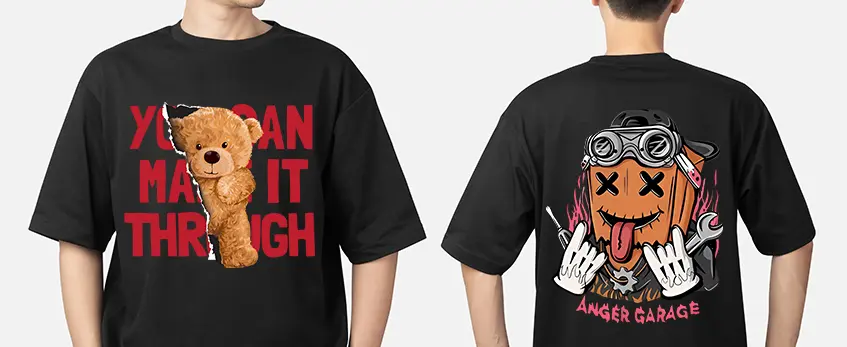
Step-by-Step Workflow from Design to Finished Product
For efficient high-volume DTF production, follow a clear workflow:
- Design Preparation: Start with clean, print-ready artwork. Use RIP software for color management and batch nesting to optimize print layouts.
- Printing Transfers: Use industrial DTF transfer machines with multi-head configurations for fast output. Select the right resolution and ink settings for your design.
- Powder Application & Curing: Apply adhesive powder evenly using an integrated DTF powder shaker dryer, then cure in a drying oven for proper adhesion.
- Transfer to Garments: Heat press the dried transfers onto fabric using appropriate temperature and pressure settings to ensure durability.
- Quality Check: Inspect prints for color vibrancy, adhesion, and wash durability before packing.
Tips for Consistent Speed-Quality Balance
Maintaining both speed and quality requires some key practices:
- Environment Controls: Keep print areas dust-free and maintain stable humidity and temperature to prevent ink drying issues and film curling.
- Quality Consumables: Use premium DTF ink and powder like those from Jinlong Prints to ensure vibrant colors and long-lasting adhesion.
- Regular Calibration: Perform scheduled printhead cleaning and system calibration to avoid banding, clogging, or uneven powder distribution.
Regular attention here saves downtime and maintains output consistency.
Waste Reduction and Yield Maximization
High-volume production benefits from reducing waste and maximizing yield:
- Batch Printing with Gang-Sheet Layouts: Print multiple designs on a single film sheet to reduce material waste and improve throughput.
- Auto Powder Recycling Systems: Capture and reuse excess powder to lower consumable costs.
- Precise Film Handling: Use sturdy, smooth films to prevent curling and misfeeds, enhancing throughput.
- Optimize Print Settings: Balance resolution and speed to avoid excess ink use or reprints.
Real Case Examples of Successful Scaling with DTF
Many US-based fulfillment centers and wholesale apparel brands have scaled up efficiently by investing in wide format DTF printers and multi-printer lines. For instance, integrating an all-in-one DTF system paired with automated powder and curing solutions cut labor and boosted output by over 40%. This allowed them to meet large seasonal demands without sacrificing quality or speed.
By following these best practices, you can tap into the full advantage of high-speed DTF transfer machines for bulk t-shirt printing, balancing efficiency with top-notch, wash-resistant results. For premium consumables, consider Jinlong’s professional DTF ink and adhesive powders designed specifically for commercial DTF equipment.
Common Challenges and How to Overcome Them
Running high-volume DTF transfer machines isn’t without its hurdles. The most common issues include ink clogging, uneven powder application, film curling, and inconsistent adhesion. These problems can slow you down and impact the quality of your durable DTF transfers.
Here’s how to tackle these challenges:
- Preventive Maintenance: Regularly clean printheads and keep the ink circulation system in top shape to avoid clogging.
- Operator Training: Skilled operators can spot issues early and ensure smooth batch production.
- Robust 24/7-Ready Machines: Invest in reliable commercial DTF equipment designed for continuous operation, reducing downtime.
- Powder Control: Using automated DTF powder shaker dryers helps maintain even powder coverage and faster drying.
From an ROI standpoint, overcoming these common jams means you benefit from higher DTF production speed and efficiency. Faster prints plus less downtime equal lower per-unit costs and bigger margins. For best results, consider pairing your DTF transfer machine with compatible heat press systems optimized for ease of use and consistency. For example, exploring auto heat press machines with quick ROI can complement your workflow perfectly.


 English
  Español
  Deutsch
  Français