


DTF Printer Shaker and Oven vs. Manual Powdering: Which Is Better for Your Business?
Understanding Manual Powdering in DTF Printing
If you\’re just starting with DTF (Direct to Film) printing or running a small operation, manual powdering is likely your first step. This process involves applying adhesive powder by hand right after printing the design on the film, then curing it in an oven to ensure proper bonding to your garment.
Step-by-Step Manual Powdering Workflow
- Print the Design on Film: Use a DTF printer to print your image onto special PET film.
- Apply Adhesive Powder: While the ink is still wet, manually shake or sprinkle hot melt powder evenly over the film.
- Remove Excess Powder: Tap or gently shake off any loose powder to avoid clumping.
- Cure the Powder: Place the powder-coated film into a curing oven or heat press to melt and bond the adhesive powder to the print.
- Transfer to Garment: Use a heat press to transfer the design onto the fabric.
Ideal Use Cases and Low-Volume Scenarios
Manual powdering works best for:
- Small batch runs (10-50 prints daily)
- Custom or one-off orders where flexibility is key
- Startups or hobbyists testing the market without heavy investment
Common Tools You’ll Need
- Fine mesh shaker or small scoop for powder application
- Hot melt adhesive powder designed for DTF
- Conveyor or small curing oven (or heat press with curing settings)
- Clean workspace with adequate ventilation
Limitations and Growth Caps of Manual Powdering
While manual powdering lets you start simple, it has some clear limitations:
- Inconsistent Powder Application: Hand-sprinkling can cause uneven coverage affecting print quality.
- Slower Production: It’s labor-intensive and limits batch size as output grows.
- Higher Waste & Dust: Excess powder and dust exposure can pile up, creating safety and cleanliness issues.
- Scaling Challenges: When demand picks up, manual methods struggle to keep pace without sacrificing quality.
Understanding these basics helps you gauge whether manual powdering fits your business today or if it’s time to consider upgrading to automated shaker and oven systems for higher efficiency.
The Automated Advantage: DTF Printer Shaker and Oven Systems
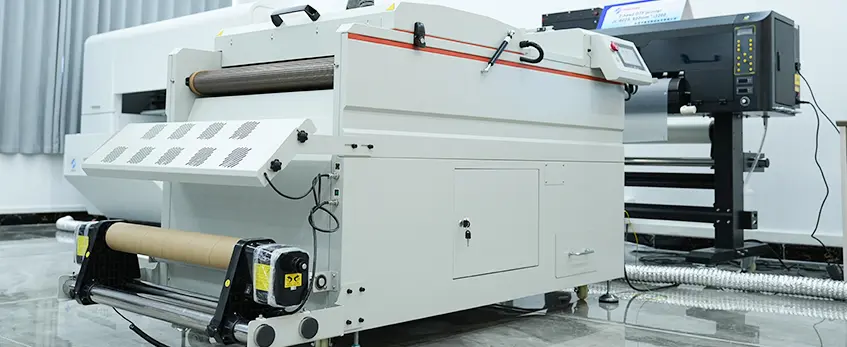
Automating your DTF powder application and curing with a printer shaker and oven system can seriously streamline your workflow. Here’s how these tools work together: the shaker evenly applies hot melt powder over your printed transfers, while the oven quickly cures the adhesive at the right temperature for perfect bonding. This combo takes the guesswork out of the manual DTF transfer process, cutting down on powder waste and reducing errors.
Modern shaker-oven bundles come packed with features like adjustable powder distribution, temperature controls, and even support for gang sheets—allowing you to process multiple prints in one go. This setup maximizes efficiency by minimizing downtime and powder mess, helping you scale up production without crowding your workspace.
A great example is the jinlong DTF solutions, known for their precise shaker mechanisms and reliable curing ovens. Their systems boost consistency and print durability, especially when paired with their other products. Plus, jinlong’s focus on user-friendly automation means you can optimize your DTF printing efficiency without a steep learning curve. Integrating such equipment sets you up for growth while keeping ongoing costs manageable compared to manual powdering alternatives.
For an in-depth look at using jinlong’s DTF products in your workflow, check out their guide on how to choose the best DTF transfers machine for your apparel production, which covers shaker and oven options tailored to different business sizes.
Head-to-Head Comparison: Pros, Cons, and Performance Metrics
When deciding between manual powdering and a DTF printer shaker and oven, it’s important to weigh efficiency, quality, costs, and other key factors side by side. Here’s a clear breakdown to help you decide what’s right for your business.
| Aspect | Manual Powdering | DTF Printer Shaker & Oven |
|---|---|---|
| Efficiency & Throughput | Slower; best for low volume jobs. | Fast, consistent; ideal for high volume and gang sheet production. |
| Print Quality & Consistency | Variability due to manual powder application; risks of uneven coverage. | High consistency with automated powdering and curing; superior adhesive powder curing temps control. |
| Upfront Costs | Low initial investment; basic tools needed. | Higher upfront investment for equipment like shaker machines and automated curing ovens. |
| Ongoing Expenses | Labor-intensive; manual labor costs add up. | Saves labor costs over time; potential maintenance fees. |
| Space Requirements | Minimal–only powdering station needed. | Larger footprint needed for shaker and oven systems. |
| Dust & Safety Concerns | Higher dust exposure; requires strict safety protocols. | Reduced dust exposure with enclosed shaker machines; safer work environment. |
| Scalability | Limited; difficult to scale beyond small runs. | Easy to scale; supports roll-to-roll automation and bulk powdering. |
Quick Takeaway:
- Manual powdering works for startups and small businesses focusing on lower volume with limited budget.
- Automated DTF shaker and oven systems offer better throughput, consistent print quality, and reduce labor, making them ideal for growing or high-volume shops.
For a deeper understanding of how automation improves DTF workflow optimization and print quality, check out this detailed guide on the full DTF printing process.
Factors to Consider: Is Automation Right for Your DTF Business?

Deciding if a DTF printer shaker and oven system fits your business depends on several key factors. First, volume thresholds and production breakpoints matter a lot—manual powdering works fine for low runs, but once you hit consistent bulk orders, automation becomes a game-changer. If you’re regularly printing multiple gang sheets, automated powder shaking and curing ovens bring noticeable time savings and fewer mistakes.
Next, consider your budget realities. Automated systems mean a higher upfront cost and possibly phased upgrades, but they often reduce labor expenses and powder waste long-term. Keep an eye on hidden costs like maintenance, replacement parts, and the energy to run an automated curing oven. For small businesses, it’s smart to calculate your break-even point before investing.
Quality is another big factor. If your customers expect premium prints with strong wash resistance, automated shaking and curing help maintain consistency and even powder coverage, which manual processes might struggle with at scale. Plus, many local markets in the U.S. are moving towards eco-friendly DTF powdering and processes, so choosing brands that support sustainable powders and efficient curing (like Jinlong\’s solutions) can also influence your decision.
Watch out for potential pitfalls, too. Automation isn’t foolproof—maintenance demands and the risk of sizing or timing errors can slow production if not managed right. If you’re fairly new to DTF, starting with manual powdering can help you learn the process before upgrading.
Balancing these factors will help you decide if the jump to automation—with a DTF shaker and oven system—is right for your business growth and workflow efficiency. For users exploring options, checking out Jinlong Prints’ DTF transfer film options and their range of user-friendly equipment can be a helpful start.
Real-World Case Studies: Shops That Made the Switch
Many DTF businesses have seen real success after moving from manual powdering to a DTF printer shaker and oven system. Take a startup t-shirt seller who struggled with inconsistent prints and slow turnaround times. After investing in a Jinlong DTF shaker-oven bundle, they cut powdering time in half and delivered cleaner, more vibrant designs. This boosted customer satisfaction and repeat orders, proving automation can really speed up small-scale operations.
A mid-size promotional shop also scaled effectively by switching to automated powder application and curing. Using gang sheet production and streamlined workflows, they increased throughput without expanding floor space. Their ROI came faster than expected — roughly six months — thanks to reduced labor costs and minimal powder waste. Operators noted how integrating the system with their RIP software enhanced print consistency and made managing multiple jobs easier.
Lessons learned:
- Plan for a short adjustment period to train staff on shaker timing and oven temperatures (adhesive powder curing temps matter!)
- Use RIP software integration to optimize powder layering and curing speeds
- Track ROI closely: many see payback within half a year when scaling production
If you’re interested in exploring how Jinlong’s solutions can fit your workflow, check out their expert insights on why professional DTF printing gear is essential for a growing print-on-demand business. This can help smooth your transition and improve overall quality while saving time and money.
Recommendations and Next Steps: Choosing Your Path Forward
If you’re just starting in DTF printing, manual powdering is a great way to keep costs low and learn the basics without heavy investment. Focus on mastering your powder application and curing temps first. But once your order volume grows or you want more consistent quality, it’s time to consider upgrading.
For businesses ready to scale, fully automated setups with a DTF printer shaker and oven can drastically improve efficiency and reduce waste. Here are some pro tips for making the switch:
- Test in phases: Start by integrating a shaker machine with your current workflow to see the immediate benefits of consistent powder application.
- Calculate your break-even point: Compare your current manual powdering costs and time to the upfront investment in automated equipment.
- Focus on workflow integration: Use RIP software that complements your hardware setup, like those recommended for jinlong DTF printers, to streamline printing and curing.
- Consider space and maintenance: Automated ovens and shakers need proper ventilation and room for operation, plus regular maintenance to prevent downtime.
Exploring trusted brands like jinlong DTF bundles can help you find reliable options tailored for your business scale. Jinlong offers affordable, versatile solutions known for quality and durability, ensuring smooth transitions from manual to automated powdering systems.
No matter your current setup, carefully assessing volume demands and quality goals will help you decide when and how to upgrade, keeping your business competitive and ready for growth.


 English
  Español
  Deutsch
  Français