


DTF Printer Meaning Explained Is It Best for Small Businesses
What Does DTF Printer Mean? A Clear Breakdown for Newcomers
DTF printer stands for Direct-to-Film printer — a game-changer in custom apparel printing. Unlike traditional methods, DTF printing involves creating designs on a special film, which is then transferred to fabric using heat. This process uses a combination of water-based inks and adhesive powders to ensure vibrant, durable prints that stick well to a wide range of materials.
Core definition of DTF printing process and materials
- Printing on film: The design is printed in layers—white ink first, then colors—onto a clear PET film using specialized inkjet printers.
- Powder application: A hot-melt adhesive powder is applied to the wet ink, which sticks to the film.
- Curing: The powder is heated to bond with the ink, prepping the design for transfer.
- Heat press transfer: The design is heat-pressed from the film onto fabric, resulting in a soft, flexible, and long-lasting print.
Historical background and rise as a DTG alternative
DTF gained popularity as a fresh alternative to Direct-to-Garment (DTG) printing. While DTG involves printing directly on fabric and is fantastic for cotton, it struggles with polyester and darker colors and requires expensive upkeep. DTF printers emerged as a more versatile, cost-effective option, especially for small businesses that need to print on a variety of fabrics without minimum orders.
Why DTF appeals to small businesses
- Low startup costs: Compared to DTG and screen printing, DTF printers are more affordable upfront.
- No minimum orders: Perfect for custom or small-batch runs — you can print one shirt or a hundred without waste.
- Fabric flexibility: Works well on cotton, polyester, blends, and less-common materials.
- Easy scalability: Start small, then grow as demand increases.
For anyone new to custom apparel, DTF printing offers a practical and accessible way to jump into the market without burning through cash or inventory.
How DTF Printing Works: Step-by-Step Process Demystified
DTF printing starts with preparing your design using RIP software, which helps manage ink layering and color accuracy. This step ensures your artwork prints neatly and vibrantly onto the film.
Next, the design is printed onto a special PET film using a DTF inkjet printer loaded with vibrant, water-based inks. These printers are designed to handle the unique ink formulation and film surface needed for direct-to-film printing.
Once printed, a special adhesive powder is evenly applied to the wet ink on the film. This powder ensures the print sticks well to fabric and adds durability. The film then goes through a curing or drying process, which melts the powder to the ink, making it ready for transfer.
The final step is heat-press transfer. Using a heat press set to the right temperature and pressure, the design transfers from the film directly onto your fabric. This process produces bright, wash-resistant prints that hold up well over time.
Key equipment for a functional DTF setup includes a reliable inkjet printer, powder applicator, curing station or oven, and a quality heat press. For small businesses or beginners, budget-friendly options are available without compromising essential quality.
For more insights on heat pressing techniques and ensuring your prints don’t crack or peel, check out effective tips on heat pressing DTF on canvas.
The Pros and Cons of DTF Printing: Weighing the Realities for Small Operations
DTF printing brings a lot to the table, especially for small businesses looking to stay flexible and budget-friendly. Here’s a quick look at what makes it stand out—and where it might fall short.
Advantages
- Material versatility: DTF works on almost any fabric, including cotton, polyester, blends, and even hard surfaces. This flexibility means you can expand your product offerings without switching equipment.
- Cost efficiency: Compared to other printing methods, DTF has relatively low startup costs and doesn’t require bulk orders. This is perfect for shops catering to custom or small-batch designs.
- Speed: The process is faster than traditional screen printing, so you can turn orders around quickly.
- Durability: Prints made with DTF are known for vibrant colors and great resistance to washing and wear, keeping your products looking fresh for customers.
Disadvantages
- Maintenance needs: DTF printers require regular cleaning and care to avoid clogging and ensure print quality, which can demand more hands-on time and attention.
- Learning curve: Mastering RIP software, layering, and transfer techniques takes some practice before you get consistently good results.
- Scalability limits: While great for small to mid-size runs, very high-volume orders might be better suited for other methods, as DTF can be slower or more costly at large scale.
Is DTF Right for Small Businesses?
For many small business owners, DTF offers a solid balance of affordability, quality, and versatility. If you prioritize variety in your products and need to keep upfront costs low, it’s often a smart choice. However, be prepared to invest time in learning and regular upkeep to reap its full benefits.
For those wanting more detailed info on DTF printing supplies and equipment, check out resources like DTF ink and film options and specialized DTF transfer films. These can help you pick the right materials to start strong.
Is DTF the Best Printing Method for Small Businesses? A Head-to-Head Comparison
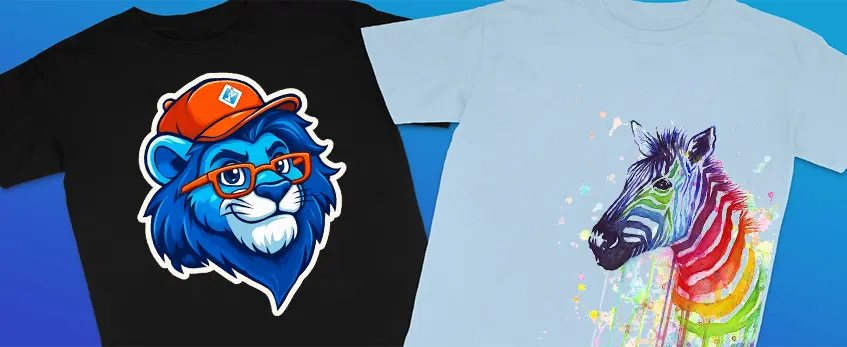
When deciding the right printing method for your small business, it’s important to see how DTF stacks up against other common options like DTG, screen printing, vinyl/HTV, and sublimation. Here’s a quick comparison based on key factors small businesses care about:
| Printing Method | Startup Costs | Speed | Fabric Compatibility | Print Quality & Durability | Best For |
|---|---|---|---|---|---|
| DTF | Low to Moderate | Fast | Most fabrics (cotton, polyester blends, more) | Vibrant, durable, wash-resistant | Small runs, custom apparel, polyester prints |
| DTG | Higher | Moderate | Mostly cotton | Soft feel, good durability | Soft garments, cotton-heavy items |
| Screen Printing | High (setup costs) | Slow (setup time) | Mostly cotton | Extremely durable | Large runs with fewer color variations |
| Vinyl/HTV | Low to Moderate | Moderate | Mostly cotton & polyester | Durable if applied correctly | Simple designs, small batch customization |
| Sublimation | Moderate | Fast | 100% polyester and light-colored fabrics | Very vibrant, permanent | Polyester sportswear, all-over print designs |
Why DTF Often Leads for Small-Scale Custom Production
- Low startup costs compared to DTG and screen printing.
- Works on a wide variety of fabrics without feel problems.
- Fast turnaround and no minimum order size appeal to custom orders and Etsy sellers.
- Prints are vibrant, durable, and hold up well through washes.
- Less prep time than screen printing and no special fabric restrictions like sublimation.
Small Business Success Story
Take a local custom apparel shop in Texas that switched to DTF printing. They lowered initial investment, expanded to polyester blends, and increased order turnaround by 30%. Their unique designs on diverse garments attracted new customers, especially sports teams and local events.
When Other Methods Might Outperform DTF
- If your business is large-volume with limited designs, screen printing is more cost-effective.
- For ultra-soft prints on cotton, DTG has a slight edge.
- If you need simple logo applications in bulk, vinyl/HTV can be faster and cheaper.
- For full-color, all-over patterns on polyester, sublimation is unbeatable.
Overall, DTF strikes a balance between flexibility, cost, and quality, making it a top choice for many small U.S. businesses focused on custom and small batch orders.
Top DTF Printer Recommendations for Small Businesses: Focus on Value and Reliability
When starting or expanding your small business with DTF printing, choosing the right printer is key. Here’s a quick rundown of options that balance budget, reliability, and features.
Budget Starter Models
For those just getting into direct-to-film printing, affordable DTF printers under $2000 offer great entry points. These models usually cover basic print sizes like A3 and come with essential features such as good color accuracy and simple maintenance. They’re perfect for low-volume print runs and testing the market without a big upfront investment. For example, the JL DTF301B A3 Printer is well-suited for small businesses needing solid performance on a budget.
Mid-Range Printers for Growing Operations
If your business is scaling or you need faster turnaround times, mid-range DTF printers offer larger print areas, higher resolutions, and often more durable build quality. These machines support increased workflow with better RIP software compatibility and sometimes more advanced ink systems, improving print vibrancy and durability. Investing in a model with strong vendor support will save headaches as your operation grows.
High-Output Professional Options
For small businesses moving into high-volume custom apparel production, professional-grade DTF printers can handle extended print runs with consistent quality. These units often feature wider print beds, industrial-grade print heads, and faster curing times. While pricier, they deliver superior speed and scalability, making them efficient for businesses approaching medium-sized production levels.
Buying Guide Essentials
When selecting a printer, consider:
- Warranty and Support: Reliable dealer support is critical to avoid downtime. Look for brands with active customer service and warranties.
- Supplier Bundles: Some vendors offer bundles including heat presses, powders, and eco-friendly inks — simplifying setup and reducing initial costs.
- Software Compatibility: RIP software integration helps optimize your print files for better output and ink management, boosting efficiency.
Choosing the right DTF printer depends on your business size, budget, and production goals. Starting small with reliable models and knowing when to upgrade is the best path for maintaining profitability and print quality. For design tips that make your DTF artwork stand out, check out these expert guidelines on using Photoshop and Illustrator effectively. 5 Photoshop & Illustrator Techniques to Make Your DTF Artwork Stand Out.
Setting Up DTF Printing in Your Small Business: Practical Roadmap to Launch
-

JL-DTF301B A3 DTF Printer XP600 【Applicable to beginner sets】
View more View more -
JL-DTF302S DTF Digital Printer
View more View more -
JL-DTF602S DTF Digital Printer Best Product Print Quality Package
View more View more -
JL-DTF604S DTF Digital Nine Color ink cartridge 【Fluorescent colors】
View more View more -
JL-DTF604P DTF Digital Printer [Pro Series]
View more View more


![JL-DTF604P DTF Digital Printer [Pro Series]](http://jinlongprints.com/wp-content/uploads/2025/07/JL-DTF604P-300x300.webp)
Starting a DTF printing setup for your small business involves more than just buying a printer. Here’s a quick breakdown to get you going.
Cost Breakdown and ROI Considerations
Expect initial expenses for the DTF printer, heat press, inks, and transfer films. Budget-friendly models can start under $2,000, but investing in reliable gear pays off with faster turnaround and better print quality. Factor in consumables like powder and maintenance supplies too. With the right pricing strategy, your return on investment can happen within months, especially when targeting custom apparel niches like local teams or Etsy sellers.
Workspace Setup Essentials
A well-ventilated workspace is key since powder curing and heat pressing can create dust and fumes. Set up your workspace to accommodate your printer, heat press, and storage for films and inks. Use reputable RIP software to prepare your designs correctly—this step is crucial for vibrant, durable prints.
Reliable Supply Sourcing with Jinlong DTF Eco-Friendly Options
Choosing eco-friendly supplies reduces environmental impact and appeals to customers who value sustainability. Jinlong offers reliable DTF ink and film options designed for small businesses focusing on quality and eco-consciousness. Their products ensure compatibility and consistent results, helping you avoid common headaches with inferior supplies. Learn more about the benefits of investing in a top-quality Jinlong DTF printer and accessories at why investing in a top DTF printer can maximize your printing profits.
Marketing Smart: Leveraging Unique Prints to Boost Revenue
Stand out by promoting customizable designs on various fabrics—from cotton to polyester blends. Use social media to showcase vibrant, wash-resistant prints and highlight eco-friendly processes. Offering small runs and personalized items attracts local customers and online buyers alike, boosting your brand visibility and sales.
Legal Basics for Custom Apparel Production
Don’t overlook legal considerations like copyright compliance when using artwork, proper labeling, and safety standards. Register your business and understand local regulations on textile printing to avoid surprises. Keeping your operation legit protects you and builds trust with customers.
Starting small with a solid setup, eco-friendly supplies from trusted sources like Jinlong, and smart marketing will put you on the path to DTF printing success.
Maintenance and Troubleshooting: Keeping Your DTF Operation Running Smoothly
Maintaining your DTF printer properly is key to avoiding costly downtime and keeping prints looking great. Here’s a simple routine to keep your setup in top shape:
- Daily care: Clean the print heads and remove any leftover powder from the film or heat press. Wipe down surfaces to prevent dust buildup, which can affect print quality.
- Weekly tasks: Deep clean the ink lines and check for clogging. Inspect the film rollers and heat press for wear and tear to ensure smooth transfers.
Common issues like fading whites or peeling transfers usually come down to powder application or curing problems. Adjusting the powder amount and curing time often fixes these. Also, make sure you’re using compatible inks and films from reliable suppliers to avoid quality dips.
For longer-lasting equipment, follow these tips:
- Use the printer in a controlled environment with stable temperature and humidity.
- Stick to the manufacturer’s recommended cleaning schedule.
- Register your printer for warranty support and choose vendors who offer responsive service.
Small businesses can also benefit from adopting sustainability practices, like using eco-friendly inks and recycling leftover films. These efforts not only reduce waste but can also appeal to environmentally conscious customers. For more detailed tips on maintenance and avoiding common pitfalls, check out expert advice on reliable DTF printing care and troubleshooting.


 English
  Español
  Deutsch
  Français