


DTF Printer Meaning in Print-on-Demand and Why It Matters
What Does DTF Printer Mean? Breaking Down the Basics
DTF printer stands for Direct-to-Film printer, a game-changing tool in the print-on-demand (POD) world. Unlike traditional methods, DTF prints designs directly onto a special PET film using water-based pigment inks—typically a combination of vibrant color inks plus white ink for layering. This unique ink setup creates sharp, full-color images that pop on various fabrics.
Initially, DTF printing was a niche heat transfer option mainly used in custom apparel. Over time, it has evolved into a crucial POD technology because of its versatility and ease of use. Brands now rely on DTF printers for fast turnaround times and small-batch orders without compromising quality.
A typical DTF printer setup includes the print head, ink system, and a heating section or curing unit for powder adhesion. Modern machines are designed with user-friendly controls and software, making them accessible even to beginners.
The “Direct-to-Film” name is important because it highlights one of DTF’s biggest advantages: printing on a film instead of fabric directly. This lets you transfer designs onto a wider range of materials, from cotton and polyester to blends—perfect for diverse POD offerings.
How DTF Printing Works: Step-by-Step Process for POD Success
DTF printing starts with design preparation, where making sure your artwork is high-resolution and color-accurate is key. Using RIP software helps optimize the print file, manage color profiles, and set ink layers—especially important for correctly handling white ink layering in DTF.
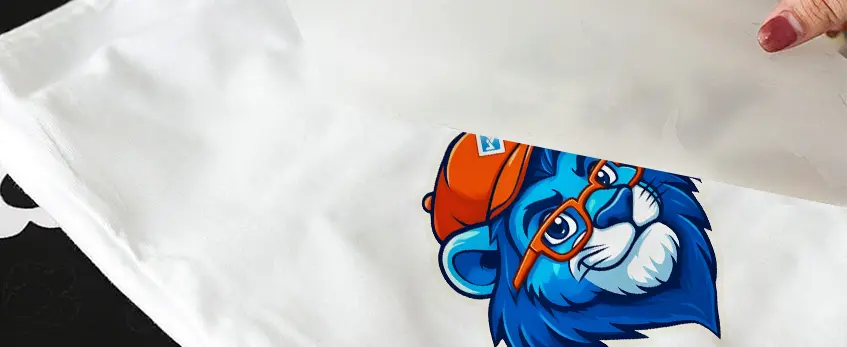
Next, the design is printed directly onto a clear PET film. This film acts as the transfer medium and must capture sharp details and vibrant colors to ensure eye-catching prints on fabric. The quality here is crucial for durable custom garment printing, which stands up to washing and wear.
After printing, an adhesive powder is applied to the wet ink. This powder sticks to the design and later melts to bond the print to the fabric. The powder must be even and properly cured—usually with a heat tunnel or oven—to set transfer readiness. For premium adhesive powder options, many rely on trusted sources like the TPU DTF hot melt adhesive powder available through specialized suppliers.
The final step is heat pressing the transfer onto the fabric. This requires precise control over temperature (typically around 320–340°F), pressure, and time (about 15 seconds). Post-press, weeding removes excess film, leaving only the design on the fabric. Mastering this step improves print clarity and durability.
For print-on-demand, workflows often include quick turnaround and minimal waste. It’s smart to tweak settings for each fabric type and troubleshoot common issues like powder clumping or incomplete curing. Resources like the DTF printer forum for tips and troubleshooting can be invaluable for fine-tuning your POD setup, especially when starting out.
DTF in the Print-on-Demand Landscape: Why It\’s a Game-Changer
The rapid growth of e-commerce and the booming print-on-demand (POD) market are driving brands and entrepreneurs to adopt DTF printers like never before. With POD sales expected to grow steadily, having an efficient, versatile printing method is a must for staying competitive.
DTF printing offers clear advantages over traditional screen printing and even direct-to-garment (DTG) methods:
- Flexible order sizes: Perfect for one-off prints or small batches, making it ideal for POD businesses that handle mixed sizes and designs.
- Minimal waste: Unlike screen printing, DTF doesn’t require creating screens or setups for each design, cutting down material waste.
- Fabric versatility: Works on diverse fabrics beyond just cotton, including polyester blends, broadening product options.
- Vibrant, durable prints: Produces sharp, full-color images that last, matching or exceeding DTG quality while allowing white ink layering.
- Cost-effective: Lower setup costs and faster turnaround times help reduce overhead — a huge plus for startups and eco-conscious brands.
For U.S.-based POD sellers focused on sustainability, the eco-friendly nature of DTF transfers also adds appeal, using less water and energy compared to other printing methods. This makes it not only a smart business choice but also a responsible one.
To explore how jinlong’s printers support this shift, check out their lineup of high-quality DTF printers tailored for print-on-demand, designed to boost efficiency and print reliability in your POD workflow.
DTF vs Other Printing Methods: Choosing the Right Tool for Your POD Business
When you\’re building a print-on-demand (POD) business, picking the right printing method is crucial. Let’s break down how Direct-to-Film (DTF) stacks up against popular options like DTG, screen printing, and sublimation.
| Feature | DTF | DTG | Screen Printing | Sublimation |
|---|---|---|---|---|
| Fabric Compatibility | Almost any fabric (cotton, polyester, blends) | Best on cotton | Works well on cotton & blends | Mostly polyester or coated materials |
| Detail & Color | High detail, vibrant colors | High detail, soft print | Great for bold/simple designs | Excellent for all-over vibrant prints |
| Setup Cost & Speed | Moderate setup, fast runs | Low setup, slower per print | High setup, fast bulk runs | Moderate, limited to compatible fabrics |
| Batch Size | Perfect for small to medium runs | Best for small runs | Best for large runs | Limited to small or medium runs |
| Durability | High wash durability | Moderate durability | Very durable | Durable but limited fabric options |
| Learning Curve | Need to master powder handling and curing | Easier to use | Requires screen setup skills | Moderate, special inks required |
| Equipment Cost | Moderate to high | Moderate | High | Moderate |
When to Choose DTF for Your POD Business
- Detailed, colorful designs: DTF excels in sharp, vibrant images with a wide color range thanks to its white ink layering and adhesive powder curing.
- Varied fabric types: From cotton to polyester blends, DTF offers unmatched versatility compared to DTG or sublimation.
- Small to medium batches: Ideal for businesses needing flexibility without high setup costs or minimum orders.
Limitations and Powder Handling
DTF involves an extra step: applying adhesive powder to transfers before curing. This requires learning the right powder amount and curing temperature, which can take some practice but ensures long-lasting prints.
Hybrid Strategies: Integrating jinlong DTF with POD Platforms
Many sellers combine jinlong DTF printing with online POD platforms for faster turnaround and wider product options. This blend keeps costs flexible while scaling efficiently.
Quick POD Business Quiz: Is DTF Right for You?
- Do you need vibrant, durable prints on a variety of fabrics?
- Are you focused on small to medium batch sizes?
- Can you manage a moderate learning curve with powder handling?
- Want to scale with flexible platforms like jinlong DTF?
If you answered yes, DTF could be your go-to printing tool.
For those looking into DTF supplies, consider quality DTF inks and adhesive powders specifically designed for reliable, vibrant results.
The Business Impact: Why DTF Printers Matter for POD Entrepreneurs
-

JL-DTF301B A3 DTF Printer XP600 【Applicable to beginner sets】
View more View more -
JL-DTF302S DTF Digital Printer
View more View more -
JL-DTF602S DTF Digital Printer Best Product Print Quality Package
View more View more -
JL-DTF604S DTF Digital Printer Best Product Print Quality Package
View more View more -
JL-DTF604P DTF Digital Printer [Pro Series]
View more View more


![JL-DTF604P DTF Digital Printer [Pro Series]](http://jinlongprints.com/wp-content/uploads/2025/07/JL-DTF604P-300x300.webp)
DTF printers have become a game-changer for print-on-demand entrepreneurs, especially when it comes to scalability. Faster turnaround times mean you can handle more orders without sacrificing quality, keeping customers happy and coming back. This speed makes it easier to grow your business, whether you’re handling a handful of one-offs or scaling up to larger batches.
From a financial perspective, DTF printing offers a strong cost-benefit ratio. Startup costs are lower compared to traditional screen printing setups, with quicker break-even points thanks to minimal waste and on-demand production. This flexibility is a lifesaver for small businesses trying to keep overhead low while testing new designs.
Current market trends also boost the appeal of DTF printers. The rise of events, e-sports, and streetwear POD means there’s a steady demand for vibrant, durable prints on various fabrics—exactly where DTF shines. Its ability to print detailed designs on different materials meets the needs of these growing niches.
Modern DTF printers come packed with innovations like automated powder application, curing, and better software integration. These features reduce manual work and errors, helping businesses improve consistency and throughput—a must-have for staying competitive in the fast-moving U.S. POD market.
For U.S.-based sellers, localized tips include sourcing high-quality films and inks that comply with regional standards and optimizing workflows to handle diverse climate conditions across the country, ensuring consistent print quality no matter where your customers are.
For more details on getting started and optimizing your setup, check out resources like the structure and working principles of DTF printers tailored for beginners and seasoned pros alike.
Getting Started with jinlong DTF: Practical Tips and Best Practices
If you’re new to DTF printing, jinlong offers a range of DTF printer models suited for every level—from hobbyist machines perfect for small batches to industrial setups built for high-volume POD businesses. Choosing the right model depends on your production needs and budget, but all jinlong printers are designed for ease of use and durability.
To keep your prints consistently sharp and vibrant, sourcing quality DTF inks and PET films is key. Jinlong’s professional CMYK ink series delivers vivid colors and reliable adhesion, while their standard PET transfer films ensure smooth transfers with consistent results.
Optimizing your workflow includes using reliable RIP software to fine-tune your print settings for sharp resolution and accurate color layering. Don’t forget regular maintenance—clean your printheads and powder applicators often to avoid clogs and powder buildup. Tools like jinlong’s powder shaker can help maintain even adhesive application; troubleshooting common issues can save downtime and improve transfer quality.
Quality assurance matters in POD. Test your finished prints for wash durability and colorfastness to ensure your customers receive long-lasting garments. It’s also helpful to tap into the jinlong user community—forums, tutorials, and design templates can provide real-world insights and support as you ramp up production.
Starting with the right jinlong DTF setup and following these best practices will set your POD business on the path to vibrant, durable custom apparel printing that impresses customers and scales smoothly.


 English
  Español
  Deutsch
  Français