


DTF Printer Meaning Explained How It’s Revolutionizing Apparel Printing
What Does DTF Stand For in Printing?
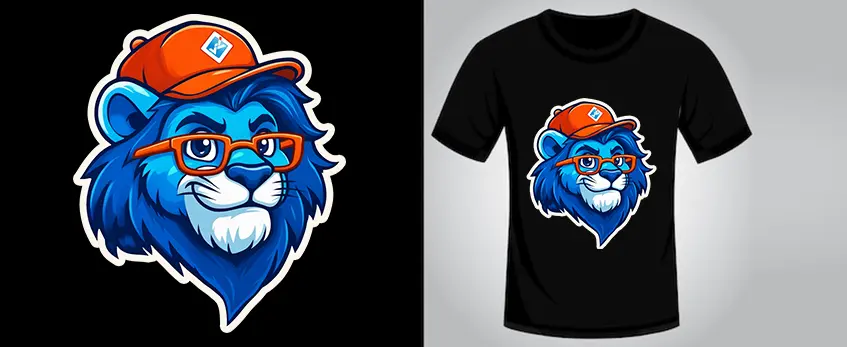
DTF stands for Direct-to-Film, a modern printing method used mainly for apparel. Simply put, instead of printing directly on the fabric, the design is first printed onto a special clear film. This film is then coated with an adhesive powder, cured, and heat-transferred onto the garment. It’s a flexible and cost-effective way to get vibrant, durable prints on many fabrics.
DTF vs Other Apparel Printing Methods
Here’s a quick comparison to help you understand how DTF stands out from popular alternatives like DTG, screen printing, heat transfer vinyl (HTV), and sublimation:
| Feature | DTF (Direct-to-Film) | DTG (Direct-to-Garment) | Screen Printing | Heat Transfer Vinyl (HTV) | Sublimation |
|---|---|---|---|---|---|
| Print Method | Print on film, then transfer | Print directly on fabric | Ink pushed through mesh | Cut vinyl heat-pressed | Dye sublimation in heat |
| Fabric Compatibility | Cotton, polyester, blends, nylon, leather, dark/light fabrics | Mainly cotton & light colors | Any fabric but thick setups | Mostly cotton/poly blends | Polyester or polymer-coated |
| Color Vibrancy | High, photographic detail | High | Good, solid colors | Solid colors only | Bright, but only on polyester |
| Durability | 70+ washes (AATCC standard) | Moderate | Very durable | Durable if applied well | Very durable if right fabric |
| Setup Time | Moderate | Short | Long (screens needed) | Very short | Moderate |
| Minimum Order | Small batches possible | Small batches possible | Usually large quantities | Small batches | Small batches |
| Cost per Shirt | Low to medium | Medium to high | Low (bulk orders) | Medium | Medium |
DTF printing’s ability to handle various fabrics and colors—especially dark garments—without pre-treatment makes it a versatile choice in 2026. It combines the ease of digital printing with the durability generally associated with traditional methods.
How Does a DTF Printer Actually Work? (Step-by-Step)
Understanding how a DTF printer works is easier when you break it down into six simple steps:
Design
Start with your artwork or design on your computer, usually using RIP software that sets the print layout and colors.
Print on PET Film
The design is printed in reverse onto a special PET film using a DTF printer with CMYK plus white inks. This printing step lays down the image perfectly.
Apply Adhesive Powder
While the ink is still wet, an adhesive powder is sprinkled over the printed film. The powder sticks to the print, which will make the image stick to fabric later.
Cure
The film with powder goes into a curing oven or drying machine. This step melts the adhesive powder just enough to connect it firmly to the ink.
Transfer
The prepared film is placed on the garment, and heat and pressure from a heat press transfer the design from the film to the fabric.
Peel
After cooling briefly, peel the film away to reveal a crisp, vibrant print firmly attached to the apparel.
This direct-to-film transfer process is a game-changer because it works on a wide range of fabric types without pre-treatment, simplifying workflow and boosting production speed.
For a more detailed breakdown of how a DTF printer, shaker, and oven work together to improve print quality and workflow, check out this guide on DTF printer accessories and operations.
Why DTF Is Revolutionizing Apparel Printing in 2026
DTF printing is shaking up the apparel world in 2026 for good reason. Here are 8 clear advantages showing why it’s becoming the go-to method:
- Works on almost any fabric: Cotton, polyester, blends, nylon, leather—even dark garments. You don’t have to worry about fabric limits like with other methods.
- No pre-treatment needed: Unlike Direct-to-Garment (DTG) printing, DTF skips complicated pre-treating, saving time and money.
- Vibrant colors with photographic detail: DTF produces eye-popping, sharp images that pop on any fabric.
- Highly durable prints: Tested to last 70+ washes per AATCC standards, DTF transfers hold up wash after wash without cracking or fading.
- Perfect for small batches & on-demand: Zero minimum order quantities make it easy to sell small runs or custom prints profitably.
- Lower startup costs than DTG: The equipment and supplies for DTF are generally more affordable, reducing your upfront investment.
- Faster production speed than screen printing: No setup delays or color separations—print directly and efficiently.
- Eco-friendlier inks: DTF uses water-based inks that are safer for the environment than traditional solvent-based options.
These benefits make DTF ideal for entrepreneurs launching a DTF printing business or existing apparel makers upgrading their tech. For example, a popular Etsy seller switched to a jinlong DTF printer and scaled from 10 to 200 orders a month thanks to fast turnaround and vibrant prints.
If you’re interested in the details on selecting the right equipment, check out this guide on how to choose the best DTF transfers machine for your apparel production. It’s a solid starting point for getting into DTF printing in 2026.
DTF vs DTG vs Screen Printing – Side-by-Side Comparison (2026)

Here’s a clear comparison of DTF, DTG, and screen printing to help you understand which printing method fits your needs in 2026:
| Feature | DTF Printing | DTG Printing | Screen Printing |
|---|---|---|---|
| Cost per Shirt | Low to moderate | Higher (inks + pre-treatment) | Low for large runs, high setup |
| Speed | Fast, great for small batches | Moderate, slower on dark shirts | Slow setup, fast in bulk orders |
| Fabric Compatibility | Works on cotton, polyester, blends, nylon, leather, dark fabrics | Best on cotton & light colors only | Works on most fabrics but less flexible |
| Durability | 70+ washes (AATCC standard) | Good, but less on dark shirts | Very durable |
| Setup Time | Minimal – design to print quickly | Requires pre-treatment | Long setup, screen prep needed |
| Color Vibrancy | Vibrant, photographic detail | Very vibrant on light garments | Bold but limited color gradients |
DTF printing stands out for flexibility — no pre-treatment needed, works well on dark garments, and offers fast turnaround. Compared to DTG, it’s more cost-effective and suitable for different fabrics. Screen printing still shines in bulk orders but can’t match DTF\’s speed and versatility for custom or small runs.
For a detailed breakdown of the DTF printing cost per shirt and how it compares in a real printing workflow, check out this comprehensive guide on DTF printing cost and workflow.
This quick comparison should help you decide which printing method fits your apparel printing goals best in 2026.
Real Success Stories & Case Studies
Many users of the jinlong DTF printer have seen impressive results in their apparel printing businesses. Here are three real examples:
Etsy Seller Growth: One small Etsy shop owner started with just 10 orders a month. After switching to a jinlong DTF printer, they scaled up quickly to over 200 orders monthly thanks to faster production and vibrant designs that helped them stand out.
Local Boutique Brand: A local clothing brand used jinlong DTF printing to expand their product line to include durable and colorful prints on various fabrics like cotton and polyester blends. This allowed them to offer more variety and increase sales by 40% within six months.
Custom Sportswear Business: A sportswear startup found that jinlong’s DTF printer helped them handle short-run orders efficiently. They could print custom nylon and leather patches with rich detail that held up well after repeated washes, boosting customer satisfaction and repeat business.
These case studies highlight how jinlong DTF printers are powering growth across different markets—from handmade apparel sellers to established brands looking to add flexibility and quality without huge investments. If you want to dive deeper into how DTF printing can transform your business, check out the detailed breakdown of the DTF printing cost per shirt to see why it’s such an attractive option.
Common Myths About DTF Printing – Busted

DTF printing has some misconceptions that just don’t hold up anymore. One big myth is that “DTF feels like plastic.” Early versions did have a slightly stiff feel, but today’s new hot-melt powders create transfers that are ultra-soft and comfortable to wear—almost like the fabric itself.
Another common worry is that “colors fade fast.” In reality, rigorous testing shows that DTF prints can last 70+ washes and still maintain vibrant colors, meeting tough standards like AATCC for wash durability.
Some also think DTF is “only for small businesses.” That’s not true at all. Big shops now use large 60 cm printers and roll-to-roll systems for high-volume runs, proving that DTF printing scales up efficiently for larger operations too.
These facts demonstrate how far DTF printing technology has come, making it a reliable and versatile option in 2026 for all types of businesses.
What to Look for When Buying a DTF Printer in 2026
Choosing the right DTF printer can make or break your apparel printing setup. Here’s what to focus on in 2026 to get the best value and performance:
Printer Size:
Decide between A3 size printers, which are great for smaller projects, or 60 cm roll-fed models for larger volume and continuous printing. The roll-fed option is perfect if you want flexibility and speed.
Print Head Technology:
The two top options today are the Epson i3200 and XP600 print heads. Epson i3200 offers high precision and durability, while XP600 is a more budget-friendly choice with solid quality.
Ink Type & Quality:
Look for printers using high-quality CMYK + White inks. The white ink is essential for printing on dark fabrics and ensuring vibrant colors. The right ink impacts wash durability and color vibrancy. For example, selecting the proper DTF ink for optimal print durability and vibrancy is critical to long-lasting results.
RIP Software, Shaker & Oven Bundle:
A reliable RIP (Raster Image Processor) software helps manage color output and print efficiency. Bundles that include a DTF powder shaker and curing oven simplify your workflow and improve print quality. Proper maintenance of the DTF powder shaker extends machine life and keeps prints consistent.
After-Sales Support & Warranty:
Choose a brand with strong customer support and a solid warranty. This means less downtime and more confidence in your investment.
For 2026, the jinlong DTF printer series stands out as a balanced choice, offering advanced print heads, excellent ink compatibility, and helpful bundles—all at a competitive price point. It’s a smart pick whether you\’re starting out or scaling up your DTF printing business.
How to Get Started with DTF Printing (Beginner Checklist)
Starting your own DTF printing setup doesn’t have to be complicated or expensive. Here’s a simple beginner checklist to help you get going smoothly:
Essential Equipment
- DTF Printer: Choose between an A3 size or 60 cm roll-fed printer, depending on your budget and output needs. Prices range from $1,500 to $5,000. For beginners, a reliable option like the jinlong DTF printer offers great value.
- Print Heads: Make sure your printer uses quality print heads like Epson i3200 or XP600 for crisp colors and durability.
- Shaker and Oven: You’ll need a shaker to evenly apply adhesive powder and an oven to cure prints, a key step in the transfer process.
Recommended Supplies
- DTF Transfer Film: Pick the appropriate film size and quality—standard sizes are 45cm or 60cm width. Explore options like the DTF transfer film 45cm double basic series for beginner-friendly choices.
- Adhesive Powder: Use hot-melt adhesive powder designed for DTF to ensure a strong bond and soft feel.
- DTF Ink: Water-based CMYK + White inks are preferred for vibrant, durable prints.
Software & Resources
- RIP Software: Look for user-friendly RIP software that supports your printer model. Many come with free trials, letting you get comfortable with color management and printing settings.
- Design Resources: Start with free vectors, PNGs, and mockup templates online to build your design library without extra cost.
Getting these basics right will set you up for success in your DTF printing journey. For a full workflow guide from design to finished product, check out this detailed Jinlong workflow guide to DTF printing.
Frequently Asked Questions About DTF Printing
Is DTF better than DTG?
DTF printing often outshines DTG when it comes to fabric versatility and cost-efficiency. Unlike DTG, DTF works great on dark shirts and a wide range of fabrics like cotton, polyester, blends, leather, and nylon without pre-treatment. It also tends to have a lower startup cost and faster production, making it a smart choice for many businesses in 2026.
Can DTF print on black shirts?
Absolutely. One of the biggest perks of DTF is its ability to print vibrant, durable designs on black and other dark garments. The white ink layer in DTF creates a solid base for bright colors to pop, making it perfect for black t-shirts and hoodies.
How long do DTF transfers last?
DTF transfers are built for durability. They typically withstand 70+ washes while maintaining color vibrancy and softness, meeting AATCC wash standards. This makes DTF prints long-lasting, even with regular wear and washing.
Is DTF printing profitable in 2026?
Yes, DTF printing is highly profitable right now. Its ability to produce small batches on demand means less waste and inventory risk. Lower equipment costs and faster print speeds also boost margins, whether you’re a small Etsy seller or a larger print shop.
What fabrics work with DTF?
DTF excels on almost all common apparel fabrics—cotton, polyester, blends, nylon, leather, and even some synthetics. Unlike DTG or sublimation, DTF doesn’t limit you to just light or white garments. For details on compatible films and powders, check out our DTF transfer film options for the best results across fabrics.
If you’re considering a DTF printer, these FAQs cover what’s most important to get started confidently and profitably in 2026.


 English
  Español
  Deutsch
  Français