


DTF on Canvas Guide for Vibrant Durable Artwork and Designs
Introduction to DTF Printing on Canvas
Imagine taking a plain, blank canvas and turning it into a vibrant, gallery-worthy piece that captures every detail and color exactly as you envisioned. That’s the magic of DTF on canvas—a game-changer for artists and crafters who want stunning, durable prints without the fuss.
DTF, or Direct to Film printing, is a versatile ink-based transfer method where designs are printed onto a special PET film and then bonded flawlessly to canvas using heat and pressure. This technique locks in vivid colors and sharp details, even on textured surfaces, making every print pop.
Why choose canvas? Its natural texture brings a tactile, artistic feel to any design, adding depth and character that smooth materials just can’t match. Plus, with DTF, canvas needs no pretreatment—saving you time while preserving its durability for long-lasting art.
In this guide, I’ll walk you through everything—step-by-step setup, insider pro tips, and real-world examples—to help you master DTF printing on canvas like a pro. Whether you\’re customizing tote bags or creating wall art, you’ll learn how to get vibrant, flawless results every time.
Benefits of DTF Printing for Canvas Projects

DTF printing on canvas brings some serious perks that make your artwork stand out and last longer. Here’s a quick look at what makes it a top choice:
Enhanced Vibrancy and Detail
Thanks to the white underbase layer, colors really pop—even on natural, unbleached canvas. This means your designs keep their sharpness and brightness without fading into the texture.
Versatility Across Canvas Types
Whether you’re working on cotton tote bags, traditional artist canvases, or upholstery fabrics, DTF printing adapts easily. It sticks well on different textures and thicknesses, giving you freedom to experiment without limits.
Cost-Effectiveness and Scalability
- Low setup costs make it budget-friendly for beginners.
- Bulk printing means you save more when producing large quantities.
- Many printers now offer eco-friendly inks and powders, cutting down waste and environmental impact.
Durability for Long-Lasting Art
DTF prints hold up well over time thanks to strong washability and UV resistance. Here’s a quick comparison for typical wear factors on canvas prints using DTF:
| Feature | DTF Print on Canvas | Traditional Screen Print | Heat Transfer Vinyl |
|---|---|---|---|
| Washability | Machine washable, gentle cycles | Generally durable | Can crack or peel |
| UV Resistance | High – colors stay vibrant | Medium | Low |
| Flexibility | High – moves with fabric | Medium | Low |
| Color Detail | Excellent | Good | Fair |
Inspiration Spotlight
Users have created stunning floral murals and bold abstract prints using DTF on canvas. These examples show how vibrant and flexible the process can be, especially when paired with jinlong DTF film for canvas applications. For more on efficient workflows, check out our full workflow guide to DTF printing.
By leveraging these benefits, DTF printing turns simple canvases into eye-catching, durable artwork ready for any setting.
Essential Materials and Tools for DTF on Canvas
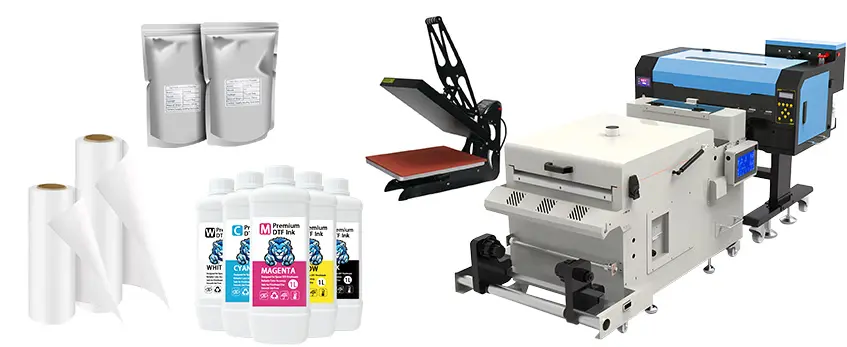
To get started with DTF on canvas, having the right supplies and tools is key. Here’s a quick checklist to cover your bases:
| Core Supplies | Details |
|---|---|
| DTF Printer | Reliable inkjet printer designed for DTF ink |
| DTF Inks | Vibrant, durable inks made for canvas prints |
| PET Film | Clear transfer film for printing designs |
| Adhesive Powder | Ensures ink bonds properly to the canvas |
| Canvas-Optimized Films | Special films suited for textured surfaces |
Heat Press Essentials
- Temperature control (usually 320-340°F)
- Heat press mats to handle canvas textures and uneven surfaces
- Sufficient pressure and time settings for strong transfers
Design Software Options
- Beginners: Canva, Cricut Design Space
- Pros: Adobe Illustrator, CorelDRAW
- Pro Tip: Download free templates for canvas DTF printing to save prep time
Canvas Prep Items
- Lint rollers for dust and fiber removal
- Sizing sprays to reduce paint absorption, improving adhesion
- Protective barriers like Teflon sheets to avoid scorching
Sourcing Tip
For US crafters, jinlong DTF starter kits combine quality inks, films, and adhesive powders in one bundle, saving time and money while ensuring consistent results. You can explore their range and get started confidently with high-grade equipment.
For more details on selecting the best products for vibrant and durable prints, check out this detailed guide on choosing the best DTF ink printer for vibrant and durable prints.
Step-by-Step Guide: Designing Artwork for DTF Canvas Prints
Step 1: Conceptualize and Sketch
Start by brainstorming themes that fit your canvas project—whether it’s rustic florals or bold abstracts. Use mood boards to gather inspiration and keep your vision focused. Sketching on paper or digitally helps nail down composition and style before going digital.
Step 2: Set Up Digital Canvas
Create your artboard at 300 DPI for crisp output. Mirror your design horizontally since DTF transfers in reverse. This step is crucial for text or directional artwork to appear correctly on canvas.
Step 3: Build the Design
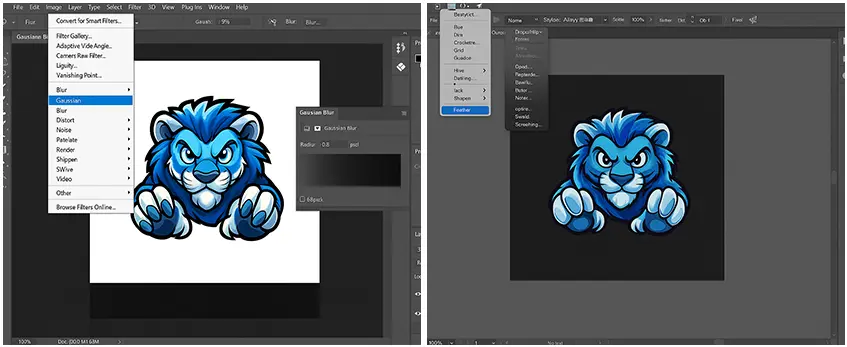
Work in vector layers to keep lines sharp and colors vibrant. Add gradients and shadows to give depth. Don’t forget to include a white underbase layer beneath your colors—this layer makes the inks pop on textured surfaces like cotton canvas.
Step 4: Optimize for Print
Export your files in a print-friendly format like PNG or TIFF, making sure to embed the right color profiles (usually sRGB or Adobe RGB). Test your design on a similarly absorbent surface to catch any color shifts or bleeding before the final print.
Pro Hacks for Better Results
- Calibrate your monitor regularly to ensure true-to-life colors.
- Avoid using very thin or fine lines that can bleed or disappear on canvas texture.
- Use solid fills and bold outlines to keep your design sharp post-transfer.
By following these steps, your artwork will be perfectly prepared for stunning DTF canvas printing that lasts. For advanced DTF film and adhesive options tailored for canvas, check out reliable resources like the Jinlong DTF printing solutions.
The Printing and Transfer Process for Flawless Results
Getting perfect prints on canvas with DTF requires a careful step-by-step process. Here’s how to nail it every time:
Step 1: Print the Film
Start by loading your DTF transfer film into your printer. Use high-quality DTF ink for canvas to get vibrant colors. After printing, apply an even layer of adhesive powder on the wet ink. Don’t skip this—powder ensures the design sticks firmly to your canvas.
Step 2: Prep the Canvas
Before pressing, clean your canvas surface well to remove any dust or lint. Pre-press the canvas for a few seconds to smooth it out, but keep the temperature low enough to avoid scorching. This makes sure the transfer gets a clean, flat surface to bond with.
Step 3: Align and Press
Place the printed film carefully on your canvas. Use a heat press set to the right temperature and pressure—typically around 320°F and medium pressure works well, but check your specific heat press settings for DTF canvas to be sure. Press according to the time recommended by your adhesive powder, usually 10-15 seconds. For uneven surfaces, heat press mats help achieve even pressure.
Step 4: Peel and Cool
After pressing, peel the film away. Decide between hot-peel (peel immediately while warm) or cold-peel (wait until cool)—this depends on the adhesive type and your design. Inspect the print for bubbles or gaps. If you spot any defects, repress quickly to fix adhesion.
Troubleshooting Common Issues
- Peeling: Often caused by under or over pressing. Adjust time and pressure accordingly.
- Fading: Use the right ink and adhesive powder; UV-resistant options last longer.
- Misalignment: Double-check your film placement and use registration marks if needed.
Following these steps ensures sharp, vibrant, and durable DTF transfer on canvas projects every time.
Advanced Techniques for Stunning, Professional Designs
Taking your DTF on canvas prints to the next level means exploring advanced methods that add texture, style, and efficiency.
Multi-Layer Transfers:
Create eye-catching effects with metallic inks and 3D textures. Layering allows you to build depth, making your artwork pop off the canvas. This technique is perfect for unique wall art and standout pieces that demand attention.
Custom Gang Sheets:
Save on material and time by arranging multiple designs on one film sheet. Custom gang sheets help maximize film usage and accommodate the curves and textures of different canvases, reducing waste and speeding up production.
Blending with Other Methods:
Combine DTF prints with embroidery or hand-painting for a hybrid artistic look. This mix enhances visuals and tactile elements, making each piece truly one-of-a-kind and perfect for personalized gifts or limited editions.
Scaling for Production:
When running batches for e-commerce or craft fairs, consistency is key. Use organized workflows, pre-set heat press settings, and quality control checks to maintain vibrant results without losing detail or durability.
Creative Variations:
Experiment with oversized prints for bold statement canvases or add glow-in-the-dark powders for fun, interactive art pieces. These creative twists help your DTF canvas projects stand out in the crowded home decor market.
For more detailed guidance on maximizing your film use and mastering heat press techniques, check out this complete beginner’s guide to high-quality DTF transfers.
Maintenance, Care, and Longevity Tips for DTF on Canvas
Taking good care of your DTF prints on canvas is key to keeping your artwork vibrant and long-lasting. Here are some simple tips to help you maintain your creations:
Post-Transfer Curing
After pressing your design, let the canvas air-dry fully before handling or displaying it. Avoid direct sunlight during this period to prevent premature fading or damage to the ink layers.
Washing Guidelines
When washing DTF canvas items, always turn them inside out and use a cold, gentle machine cycle. Avoid bleach or harsh detergents—they can break down the print and fabric. Hanging to dry is best, but if you use a dryer, stick to low heat settings.
Storage Advice
Store your canvas prints rolled loosely instead of folding to prevent creases. If archiving, use acid-free sleeves or tubes to protect the design and fabric from discoloration and moisture damage over time.
Longevity Boosters
- Seal edges of the transfer with a heat press or clear sealant to reduce peeling risk.
- Keep a log of your prints for wear testing—tracking how each piece holds up helps you refine your process and care routines.
For detailed tips on curing DTF powder without warping your film, check out this guide on how to cure DTF powder with a heat press without causing film warping.
With these care basics, your DTF transfers on canvas—whether for custom tote bags or wall art—will stay vibrant and durable for years.
Elevate Your Canvas Creations with jinlong DTF
DTF on canvas opens up a world of vibrant, durable designs that can turn any plain surface into an eye-catching masterpiece. From enhanced color pop thanks to the white underbase to the versatility across different canvas types, jinlong DTF makes the entire process straightforward and affordable. Whether you’re customizing cotton bags, creating wall art, or producing bulk orders, mastering these steps ensures your artwork stays vivid and long-lasting.
Ready to get started? Grab quality supplies like the jinlong DTF transfer film and experiment with your own designs. Don’t forget to share your canvas projects with the community and take advantage of free templates to streamline your workflow.
Looking ahead, eco-friendly canvas materials and AI-assisted design tools are set to make DTF printing even more accessible and creative. Stay tuned to these trends to keep your prints fresh and market-ready.
FAQs for beginners:
- Can I use any canvas for DTF? Most cotton and blended canvases work well without pretreatment.
- What heat press settings work best? Aim for 320°F to 340°F, medium pressure, and a 15-second press (adjust for texture).
- How do I avoid peeling? Ensure even adhesive powder application and proper cooling during peeling.
With these insights, you’re equipped to create stunning, durable DTF canvas prints that stand out. Happy printing!


 English
  Español
  Deutsch
  Français