


DTF Hoodie Printing Guide Heat Press Settings and Best Practices
If you’re diving into custom apparel, DTF hoodies printing is a game-changer—offering vibrant, durable designs that breathe new life into any wardrobe. But nailing the heat press settings and best practices can be tricky, especially with thicker fabrics like fleece or cotton-poly blends. In this guide, you’ll discover exactly how to optimize your process for flawless adhesion and wash resistance with your jinlong DTF transfers. Whether you’re a hobbyist or a growing business, you’ll get clear, tested advice to avoid peeling, cracking, or color fading—so you can produce professional-quality hoodies every time. Let’s get your presses ready and start creating hoodies that stand out and last.
Essential Materials and Tools for DTF Hoodie Printing
Getting started with DTF hoodies means having the right materials and tools. Here’s what you’ll need to nail your prints with confidence and consistency.
Recommended Hoodie Blanks
Choosing the perfect hoodie blanks affects your final print quality and durability. Consider these common fabric types:
| Fabric Type | Pros | Best Use Case |
|---|---|---|
| 100% Cotton | Soft feel, breathable | Casual wear, everyday hoodies |
| Polyester Blends | Durable, wrinkle-resistant | Sporty or activewear hoodies |
| Fleece | Thick, warm, plush texture | Cold-weather hoodies |
Each fabric interacts differently with DTF transfers, so knowing your hoodie content upfront helps you optimize your heat press settings.
Why Choose jinlong DTF Transfers?
When printing hoodies, you want transfers that stick well and last through many washes. jinlong DTF transfers stand out because they offer:
- Superior adhesion on cotton, polyester blends, and fleece
- Excellent wash resistance, reducing peeling and cracking
- Vibrant colors with long-lasting brightness
Using jinlong DTF ensures your custom hoodies look professional and hold up over time.
Heat Press Tools and Accessories
Proper tools make or break your DTF hoodie printing success. Be sure to have:
- Heat Press Machine: Adjustable temperature, pressure, and time for different fabrics
- Teflon Sheets: Protects the print and fabric from scorching and sticking
- Pressing Pillows: Helps maintain even pressure on thick or uneven hoodie areas like seams and zippers
- Lint Rollers: Removes dust and fibers for a clean print surface
These accessories are must-haves to keep your hoodies printing smooth and your designs flawless.
Having the right hoodie blanks, choosing jinlong DTF transfers, and outfitting your workspace with essential heat press tools set you up for success right from the start. Next, we’ll dive into preparing your hoodie for printing to maximize those results.
Preparing Your Hoodie for Printing
Choosing the right fabric is crucial for achieving great DTF hoodie prints. Cotton hoodies offer excellent ink absorption and vivid colors, making them ideal for bold designs. Polyester blends, on the other hand, provide durability and a smooth surface, but they require slightly different heat press settings to avoid scorching. Fleece and thick sweatshirts are comfy and warm but need extra care during heat pressing to prevent uneven adhesion.
Before printing, always pre-press your hoodie to remove moisture, wrinkles, and lint. This step ensures the surface is smooth and clean for superior transfer adhesion. Use a lint roller to clear off any fibers, and a quick press at a lower temperature can remove wrinkles and dry out residual moisture, helping prevent bubbling or peeling later.
When it comes to design placement on hoodies, common areas like the full front or chest work best. Avoid placing designs over seams, zippers, or thick folds, like pockets or drawstrings, since these can interfere with heat press pressure and cause poorly applied transfers. Sleeves are a popular spot too, but remember to adjust your hoop or platen to ensure even pressure.
Following these prepping steps and thoughtful placement guidelines will help you get the best results from your DTF hoodie printing projects. For premium DTF transfers that deliver consistent adhesion and wash resistance, check out the jinlong DTF transfer film options.
Recommended Heat Press Settings for DTF on Hoodies
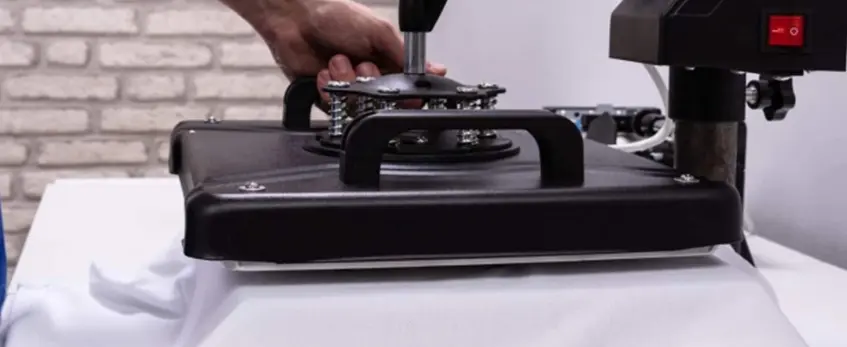
Getting your heat press settings right is crucial for durable and vibrant DTF prints on hoodies. Here’s a quick guide to working with jinlong DTF transfers, tailored by fabric type.
General Guidelines for jinlong DTF Transfers
- Always use a heat press with consistent temperature and pressure.
- Use a Teflon sheet to protect both the transfer and fabric.
- For best results, pre-press the hoodie to remove moisture and wrinkles before applying the transfer.
- Test settings on scrap fabric to avoid costly mistakes.
Settings by Fabric Type
| Fabric Type | Temperature | Time | Pressure | Peel Type |
|---|---|---|---|---|
| 100% Cotton Hoodies | 320°F (160°C) | 15–20 seconds | Medium Pressure | Hot Peel |
| Polyester & Poly-Blends | 300°F (150°C) | 15–18 seconds | Medium-High Pressure | Cold Peel |
| Fleece & Thick Sweatshirts | 320°F (160°C) | 25–30 seconds | Medium-High Pressure | Hot Peel |
Key Variables to Remember
- Temperature: Avoid scorching by sticking to recommended temps per fabric.
- Time: Over-pressing can cause color fading or print distortion.
- Pressure: Medium to high pressure ensures proper adhesion, especially on thicker materials.
- Peel Type: jinlong DTF typically uses hot peel for cotton and fleece but cold peel works better on polyester blends to avoid print damage.
Pro Tip: Always Test on Scrap Fabric First
Before working on your final product, do a test press on scrap hoodies of the same fabric. This hands-on step helps refine your heat press temperature, time, pressure, and peel type—key to avoiding peeling or cracking later.
For more detailed guidance on heat press machines suitable for beginners or professionals, check out our recommendations at best DTF heat press for beginners.
With the right settings and a little testing, your DTF hoodie prints will look professional and last through many washes.
Step-by-Step Application Process for DTF Hoodie Printing
Getting your DTF hoodie print just right means following a careful, step-by-step approach. Here’s how to properly apply jinlong DTF transfers for the best results:
Positioning the Transfer
Start by laying your hoodie flat on the heat press. Make sure the fabric is smooth and wrinkle-free. Position the DTF transfer where you want the design — most commonly on the full front, chest, or sleeves, avoiding seams and zippers to prevent adhesion issues.
Initial Press and Pre-Press
Before applying the transfer, pre-press the hoodie for 5-8 seconds at around 280°F to remove moisture, wrinkles, and lint. This pre-press step helps the transfer stick better and produces a cleaner final print.
Main Press Application
Place the transfer film face down on the hoodie and cover it with a Teflon sheet. Press using the recommended heat press settings based on your fabric type (typically between 320°F and 350°F, 15-20 seconds, medium-high pressure). This is the key step where heat, pressure, and time work together to activate the adhesive and embed the inks onto the fabric.
Peeling the Film
Once pressed, peel the transfer film carefully. For most jinlong DTF transfers on hoodies, a hot peel is recommended: remove the carrier film immediately while the print is still warm. This ensures smooth adhesion and prevents cracking or peeling after washing.
Post-Press for Enhanced Durability
For extra durability, place the Teflon sheet back over the printed area and press again for 5-10 seconds. This post-press seals the print, improves wash resistance, and leaves your designs soft and long-lasting.
Following these steps consistently will help you achieve professional, vibrant, and durable DTF transfers on hoodies every time. If you want to dive deeper, our detailed DTF transfer application on sweatshirts guide offers more tips and tricks.
Best Practices for Professional, Long-Lasting Results
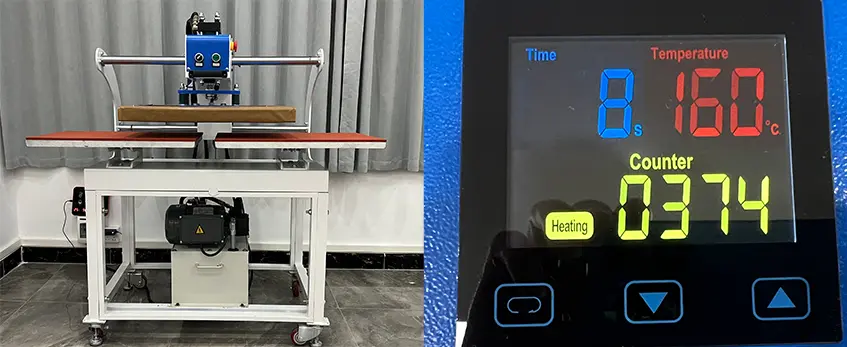
To ensure your DTF hoodie prints not only look great but last through many washes, follow these key best practices:
Use Pressing Pillows for Even Pressure
Thick hoodies, especially fleece or double-layer fabrics, can create uneven pressure during heat press. Place pressing pillows under the areas you’re printing on to balance the pressure. This helps the transfer adhere properly, avoiding patchy spots or bubbles.
Handle Zippers, Pockets, and Seams Carefully
Avoid placing your DTF transfer directly over zippers, pockets, or thick seams. These can interfere with heat and pressure, causing uneven adhesion or damage to your design. If your design must cross these areas, use a pressing pillow and reduce pressure slightly to prevent distortion.
Achieve a Soft Hand Feel
A common concern with DTF printing is a stiff or plasticky feel. To soften the print, use a lower pressure setting combined with a post-press (a quick second press without the transfer film) to meld the ink better into the fabric fibers. This technique keeps your hoodie comfortable and wearable.
Curing and Wash Testing Tips
Always perform a post-press after removing the transfer film—this \’cure\’ step boosts durability and color vibrancy. For the best results, wash test your hoodies before selling or distributing. Use cold water and gentle cycles with mild detergent to confirm adhesion and color fastness.
Following these best practices will help you avoid common issues like peeling, cracking, or fading, ensuring professional-quality prints every time. For more tips on enhancing DTF transfers for hoodies, check out jinlong DTF’s hot-melt adhesive powder options designed for superior durability and wash resistance.
Common Mistakes and Troubleshooting for DTF Hoodies
Even with the best materials and heat press settings, issues can happen during DTF hoodie printing. Knowing the common mistakes and how to fix them will save you time and keep your prints looking sharp.
Peeling or Cracking After Washing
This usually means the transfer didn’t bond well. It might be due to:
- Incorrect heat press temperature or time
- Using the wrong peel type (hot peel vs. cold peel for your fabric)
- Skipping the post-press step
Solution: Always follow jinlong DTF’s recommended heat press settings for the fabric you’re using, and do a post-press for better adhesion. Test pressing on scrap fabric first to avoid ruining a hoodie.
Uneven Adhesion or Bubbles
Bubbles or partial adhesion often happen because of:
- Not applying enough pressure during pressing
- Moisture or lint trapped under the transfer
- Wrinkles or uneven fabric surface
How to prevent: Use lint rollers to clean the hoodie before printing. Press on a flat, stable surface and consider using pressing pillows on thick areas to ensure even pressure.
Scorching on Polyester
Polyester blends need a gentler touch. High heat or long pressing times can scorch or melt the fabric, ruining your print and garment.
Fix it by: Lower the temperature and increase pressing time slightly if needed, following best DTF settings for polyester blends. Always monitor closely during your first few presses.
Faded Colors or Poor Vibrancy
Colors that look dull or washed out might be caused by:
- Printing on fabric with moisture
- Incorrect heat press temperature or time
- Using low-quality transfers
Tip: Make sure the hoodie is fully dry before printing. Trust jinlong DTF transfers designed for superior color vibrancy and wash resistance for the best results.
For troubleshooting detailed adhesion issues or selecting the right adhesive powders, check out our guide on TPU DTF hot-melt adhesive powder to boost your print durability.
By avoiding these pitfalls and sticking to proven heat press settings, you’ll get durable, vibrant DTF prints every time. Testing on scrap fabrics is a small step that makes a huge difference in professional custom hoodie DTF printing.
Care Instructions for DTF-Printed Hoodies
To keep your DTF hoodie prints looking fresh and durable, proper washing and drying are key. Follow these simple guidelines for maximum longevity:
- Wash Inside Out: Turn your hoodie inside out to protect the print from friction.
- Use Cold Water: Always wash in cold water to prevent fading and reduce the risk of peeling.
- Gentle Cycle: Select a gentle or delicate cycle to minimize stress on the print.
- Mild Detergent: Avoid bleach and harsh detergents which can damage the DTF transfer.
- No Fabric Softener: Fabric softeners can break down the adhesive, so skip them.
- Air Dry or Low Heat: Ideally, air dry your hoodie. If using a dryer, pick the lowest heat setting to avoid shrinkage or damage.
- Avoid Ironing on Print: If ironing is necessary, place a Teflon sheet over the print or iron inside out on low heat.
Customer Care Tips for Orders
When delivering DTF-printed hoodies to customers, include these care tips to ensure they get the best experience:
- Provide a simple care label or card with washing and drying instructions.
- Educate about peeling or cracking risks from high heat or rough washing.
- Suggest test washing on a similar fabric if unsure.
Proper care extends the life of your custom DTF prints, maintaining their vibrant colors and soft feel for a long-lasting, professional look.
For more insights on maintaining transfers and heat press equipment, check out our detailed DTF machines maintenance guide.
Why Choose jinlong DTF for Your Hoodie Projects
When it comes to DTF hoodie printing, jinlong DTF transfers stand out for their superior quality and reliability. Designed specifically for fabrics like cotton, polyester blends, and fleece, these transfers deliver strong adhesion and excellent wash resistance to keep your hoodies looking vibrant and fresh, wash after wash.
Key Benefits of jinlong DTF Transfers for Hoodies
| Feature | Benefit |
|---|---|
| Superior Adhesion | Transfers stay firmly attached, avoiding peeling or cracking. |
| Optimized for Hoodies | Works well on thick fabrics like fleece and poly blends. |
| Consistent Batch Quality | Reliable results every time—no surprises with color or adhesion. |
| High Wash Durability | Prints maintain colors and softness through repeated washing. |
| Easy Heat Press Settings | Clear guidelines for temperature, pressure, and peel type—no guesswork. |
These advantages make jinlong DTF the go-to choice for professional and custom hoodie printing projects in the U.S. market.
If you’re starting out or looking to scale, the detailed support for transfer films and settings allows you to print confidently. For deeper insights into using these transfers, take a look at our complete beginner’s guide to direct-to-film printing for hoodie applications.
Choosing jinlong DTF ensures your custom hoodies come out vibrant, durable, and ready to impress every customer.


 English
  Español
  Deutsch
  Français