
Es befinden sich keine Produkte im Warenkorb.


Jinlong
What Is DTF Paper for Inkjet Printer and How It Works Explained
What Is DTF Printing? A Quick Foundation
DTF printing, or Direct-to-Film printing, is a versatile and increasingly popular method for creating custom designs on apparel and other textiles. Unlike traditional screen printing or heat transfer vinyl (HTV), DTF printing uses a special PET film coated with an adhesive that captures inkjet-printed images. Here’s how it works:
- Drucken: Designs are printed directly onto the PET film with an inkjet printer using specially formulated DTF inks, including white ink for vibrant color layering.
- Pulver Anwendung: After printing, a hot-melt adhesive powder is evenly applied to the wet ink on the film.
- Aushärten: The adhesive powder melts and bonds with the ink through a curing process, usually with a heat press or oven.
- Übertragung: The finished film is heat-pressed onto fabric, transferring the colorful design with excellent durability.
Compared to other printing methods:
- DTF vs. Siebdruck: DTF allows more detailed designs with less setup time and no color limits, making it great for small runs and custom orders.
- DTF vs. HTV: DTF eliminates the need for weeding and layering vinyl, streamlining production and expanding fabric compatibility.
- DTF vs. Sublimation: While sublimation works only on polyester or coated fabrics, DTF applies to cotton, blends, and various materials, broadening creative options.
DTF printing combines the precision of inkjet technology with durable, flexible transfers, offering a cost-effective and high-quality solution for inkjet DTF transfers in t-shirts, bags, and more. Its growing popularity stems from easy customization, stunning vibrancy, and compatibility with standard inkjet printers modified or designed for DTF printing.
Is DTF Paper Really “Paper”? Unpacking the Terminology
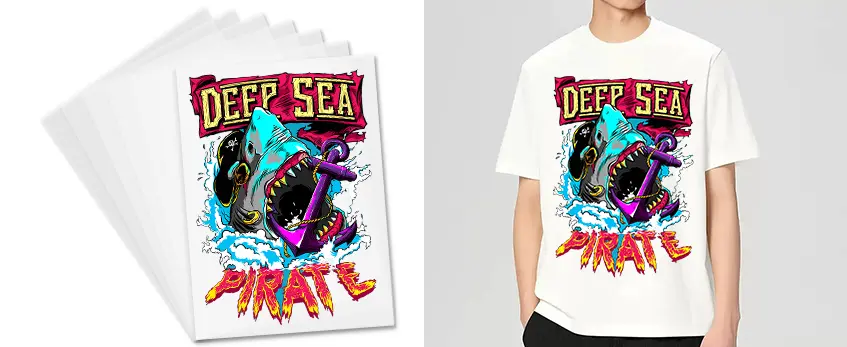
The term DTF paper can be a bit misleading. Unlike traditional heat transfer paper, what’s called DTF “paper” is actually a PET-based film—a clear, durable plastic sheet designed specifically for Direct-to-Film printing.
Here’s the key difference:
| Merkmal | Traditional Heat Transfer Paper | DTF Film (PET-Based) |
|---|---|---|
| Material | Paper with coated surface | Transparent PET plastic film |
| Dauerhaftigkeit | Lower, prone to tearing | High durability and flexibility |
| Zweck | Transfers image via heat | Transfers ink plus adhesive powder |
| Handhabung | Similar to normal paper | Requires careful handling due to plastic texture |
The reason the industry still calls it “paper” mostly comes down to convention and marketing—it’s easier
How DTF “Paper” (Film) Works with Inkjet Printers
DTF “paper” is actually a PET-based film designed to work smoothly with inkjet printers, but not just any printer will do. Most users modify their inkjet printers or use models that support white ink, which is crucial for vibrant prints that pop on dark fabrics. The ink used in this process is specially formulated DTF ink, often pigment-based, which bonds well with the PET film and the adhesive powder applied afterward.
The workflow begins with printing your design in reverse onto the DTF transfer film using an inkjet printer. After printing, you sprinkle a hot-melt adhesive powder over the wet ink. This powder sticks only to the printed areas. Next, the film goes through a curing process where heat sets the powder in place, creating a strong adhesive layer. Finally, the transfer is ready to be heat pressed onto your garment or fabric, ensuring colors stay bright and durable after washing.
For details on white ink options and achieving crisp, vibrant prints, check out our comprehensive guide to inkjet printers with white ink for DTF printing. This step-by-step approach helps ensure your DTF transfers come out sharp and long-lasting using the right film and printer combination.
Key Advantages of DTF Transfer Film Over Traditional Heat Transfer Paper
DTF transfer film for inkjet printer users offers several standout benefits compared to traditional heat transfer paper. First up is Lebendigkeit: colors on DTF transfers pop with brighter, more vivid tones that tend to stay sharp even after multiple washes. This means your inkjet DTF transfers for t-shirts look fresh and eye-catching longer than those made with older methods.
Wenn es darum geht Haltbarkeit, DTF films typically outperform heat transfer paper. The PET-based film and adhesive powder create a tough finish that resists cracking and peeling, even on stretchy or heavily worn fabrics. Plus, with no weeding required, the process saves tons of time since you don’t have to peel out unwanted parts—making it ideal for intricate designs.
Ein weiteres großes Plus ist fabric compatibility. DTF works seamlessly on a wide range of materials, including cotton, polyester, blends, and even darker fabrics, without fading or losing quality. This flexibility beats HTV (heat transfer vinyl) and sublimation, which can be more limited depending on fabric type.
Lastly, using DTF film proves kosteneffizient. You get less waste, faster production times, and durable results that reduce returns and reprints. For small businesses or hobbyists looking for reliable, high-quality prints with an inkjet printer, DTF film delivers excellent value.
If you want to explore supplies and inks that support vibrant, durable prints, see the DTF-Tinte weiß 100ml Pro Series for great starter options. Also, check out this guide on Textildrucktechniken, die jede Bekleidungsmarke kennen sollte for insights on why DTF stands out.
Potential Drawbacks and Realistic Expectations
While DTF printing offers a lot of benefits, it’s important to understand some potential drawbacks before diving in.
Lernkurve: Getting comfortable with the direct to film printing process takes time. You’ll need to master printing settings, powder application, curing times, and heat press techniques to get consistent, quality transfers.
Belüftung: Using DTF powder and curing the adhesive can release dust and fumes. Proper ventilation in your workspace is essential to keep the air safe and comfortable.
Material Handling: DTF transfer film, unlike traditional paper, requires careful handling. The PET film is delicate—fingerprints, dust, or improper storage can affect print quality and adhesion.
Storage and Maintenance: DTF film sheets and adhesive powders should be kept in cool, dry conditions to avoid humidity or heat damage. Inkjet DTF transfers for t-shirts only work well when materials are fresh and stored properly.
Understanding these realistic expectations helps you prepare better and avoid common pitfalls when using dtf paper for inkjet printer setups. For deeper insights on maintenance and workflow, check out reliable product guides like the DTF transfer film 30cm Double Pro Series which offer practical advice on handling and storage.
Step-by-Step Guide: Creating DTF Transfers with Inkjet Printers
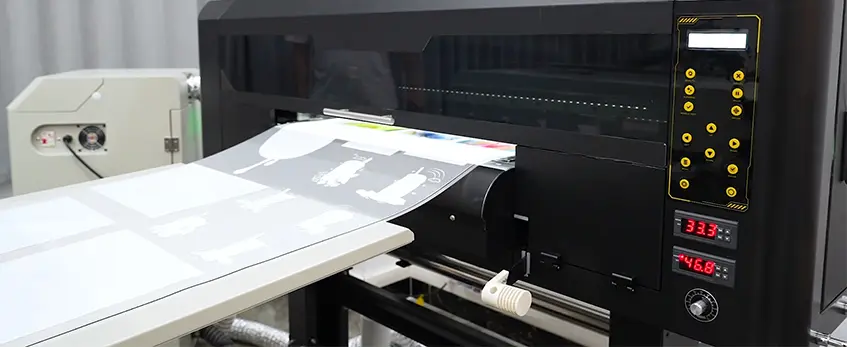
Creating vibrant and durable DTF transfers using an inkjet printer doesn’t have to be complicated. Follow these simple steps to get started.
Supplies needed:
A modified inkjet printer compatible with DTF inks
PET DTF transfer film (often called DTF paper)
White ink for DTF inkjet printing (for opacity and brightness)
DTF adhesive powder (special powder that sticks the print to fabric)
Heißpressmaschine
A clean workspace with good ventilation
Design preparation:
Start by preparing your design in reverse (mirror image) using graphic software. This helps ensure the print appears correctly once transferred.
Drucken:
Load your PET film into the inkjet printer and print the design using CMYK and white ink layers where needed. White ink is essential, especially for printing on dark fabrics.
Puderauftrag:
While the print is still wet, evenly apply DTF powder over the entire image. The powder works as an adhesive during heat pressing. Shake off any excess powder carefully.
Aushärten:
Cure the powdered film using heat—either a curing oven, heat press at a low temperature, or drying rack—until the powder melts and sticks to the ink. Proper curing is crucial for transfer durability.
Pressen:
Place the cured DTF film print side down on your garment or fabric. Use a heat press with recommended settings (usually around 320–330°F and 15–25 seconds pressure). Press firmly to transfer the image.
Peeling tips:
After pressing, peel the PET film off while warm or cold, depending on the powder type and supplier guidelines. Following the right peel method helps avoid cracking or peeling issues.
To perfect your transfers, it’s worth learning specifics like your powder brand’s curing time and press settings. For detailed advice on avoiding common heat press mistakes, check out our guide on warum eine falsche DTF-Temperatur zu Schälung oder Rissbildung führt.
By mastering each step, you can create eye-catching inkjet DTF transfers for t-shirts and other apparel with ease and reliability.
Choosing the Right DTF Film: What Matters Most
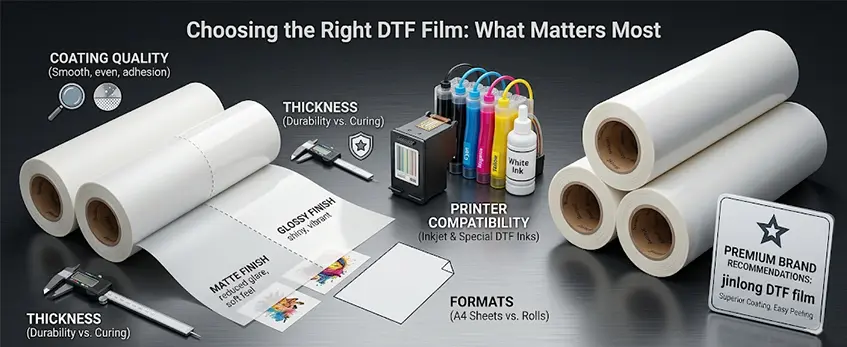
Picking the right DTF film for inkjet printer use is key to getting vibrant and durable transfers. Here’s what you should focus on:
- Qualität der Beschichtung: A smooth, even coating ensures the adhesive powder sticks properly and the ink transfers cleanly. High-quality coatings also prevent smudging and improve print sharpness.
- Dicke: Thinner films are easier to handle and cure faster, but thicker films can offer better durability. Choose based on your heat press settings and intended fabric type.
- Finishes: Matte or glossy finishes impact the final look. Matte films reduce glare and give a soft feel, while glossy films deliver shiny, eye-catching results.
- Formats: Standard sizes like A4 or larger rolls affect both convenience and cost-efficiency. A4 sheets are good for smaller prints or samples, while rolls work better for volume production.
- Drucker-Kompatibilität: Not all DTF transfer film works with every inkjet printer or ink type. Make sure the film supports your printer’s specifications, especially if you use white ink or specialized DTF inks.
- Premium Brand Recommendations: Top brands, like jinlong DTF film, stand out thanks to superior coatings and consistent performance — great for both beginners and pros. Their products often come with improved adhesion and easier peeling, elevating your entire workflow.
Understanding these factors can save you headaches and improve your output quality dramatically. For insights on maximizing your results, check out how to get the most from your DTF transfer paper and powder in your printing workflow.
jinlong DTF: Reliable Solutions for Inkjet DTF Printing
Jinlong DTF offers high-quality DTF transfer film for inkjet printers designed to simplify the Direct-to-Film printing process for both beginners and businesses. Their products stand out for consistent Beschichtungsqualität and thickness, ensuring vibrant prints and strong adhesion on various fabrics. Whether you’re printing on light or dark textiles, Jinlong’s DTF film sheets provide excellent color durability and crisp details.
Performance-wise, Jinlong DTF films work seamlessly with common inkjet printers modified for DTF printing, along with recommended white ink and adhesive powder. This reliability lets you focus on creating durable DTF apparel transfers without worrying about film compatibility or print failures. The ease of use is a big plus for startups aiming to grow as well as for established businesses needing a cost-efficient solution.
For those getting started, Jinlong’s products come with clear guidelines, helping you master every step—from DTF powder application on film to proper curing and heat press settings. This all-around support means you avoid common pitfalls and achieve consistent, professional results.
Explore the benefits of Jinlong’s reliable DTF film and accessories to take your inkjet DTF printing to the next level with quality you can trust. For detailed product options, check out their 50cm single basic series DTF transfer film and the highly regarded TPU DTF Schmelzklebstoffpulver.
FAQs About DTF Paper and Inkjet Printing
If you\’re new to DTF transfer film for inkjet printer use, some questions are bound to pop up. Here\’s a quick rundown of common practical concerns to help you get started confidently:
Is DTF Paper really paper?
While it’s called “DTF paper,” this material is actually a PET film designed specifically for the direct to film printing process. It offers a smooth surface for inkjet printing and handles powder application better than traditional heat transfer paper.
What kind of ink do I need?
DTF printing requires special pigment-based inks, often white ink included, formulated for modified inkjet printers. Regular inks won’t bond well with the DTF powder or give durable transfers.
How long does a DTF transfer last?
When properly cured and heat pressed, DTF transfers boast excellent durability with wash resistance and vibrant colors, especially compared to traditional heat transfer paper methods.
Can I reuse leftover DTF powder?
It’s best to use fresh DTF powder with each batch since leftover powder exposed to moisture or contaminants can cause adhesion issues.
What’s the right way to peel DTF transfers?
Depending on your heat press settings and the DTF film type, you might do a hot peel (peeling right after pressing) or a cold peel (waiting for it to cool). Check specific heat press settings for DTF transfers to optimize your results.
Can I use any inkjet printer with DTF film?
Only modified inkjet printers or those designed for pigment inks work reliably with PET film for DTF printing. This ensures proper ink penetration and bonding with adhesive powder.
If you want to dive deeper into supplies or troubleshooting, exploring the full workflow from printing to pressing can make a huge difference in mastering inkjet DTF transfers for t-shirts and more. For reliable material options, consider premium choices like the jinlong DTF-Übertragungsfolie that come ready for pro-level printing and durability.
By keeping these FAQs in mind, you’ll navigate the learning curve better and enjoy vibrant, durable results with your inkjet DTF printing projects.


 English
  Español
  Deutsch
  Français