
Es befinden sich keine Produkte im Warenkorb.


Jinlong
Desktop vs Industrial DTF Kits Speed Cost and Quality Comparison Guide
The Dilemma: Scaling Up Without Breaking the Bank
The DTF printing market is booming, bringing exciting opportunities but also a fair share of confusion—especially when it comes to choosing the right equipment. With so many desktop vs industrial DTF kits flooding the market, it’s easy to get overwhelmed by all the options. It’s not just about the upfront DTF kit price anymore; you need to think about your production capability, business goals, and how each setup fits into your long-term plan.
Are you aiming for modest runs with quality output or preparing for large-scale custom garment production speed? Understanding this difference is key to making the right investment. That’s why Jinlong DTF steps in as a trusted partner, offering reliable solutions and premium DTF consumables that support your business—no matter the machine size. Whether you\’re starting small or scaling fast, Jinlong DTF has your back with quality inks, films, and powders that keep your operations smooth and profitable.
The Desktop DTF Kit: The Entry-Level Powerhouse
A desktop DTF kit is perfect if you’re just starting out or have a small operation. These kits typically come in A3 or A4 sizes, using either converted printers or purpose-built compact units designed specifically for DTF printing. The smaller footprint makes them ideal for home businesses, Etsy sellers, or small shops producing fewer than 50 prints per day.
The workflow usually involves manual powdering with small automated powder shakers to ensure an even adhesive layer. While this setup keeps costs and power consumption low, speed can be slower compared to industrial models. Maintenance demands are higher, especially because you’re handling ink and powder manually, and roll length is limited, meaning more frequent film changes.
For those interested in getting started with reliable equipment and consumables, Jinlong DTF offers desktop kits and premium inks to help maintain print quality and reduce downtime without a big upfront investment. To get more details on setup and cost efficiency for beginners, check out the Die besten DTF-Drucker für Anfänger im Jahr 2026, einschließlich Einrichtungskosten und Leistung.
The Industrial DTF Kit: The High-Volume Workhorse
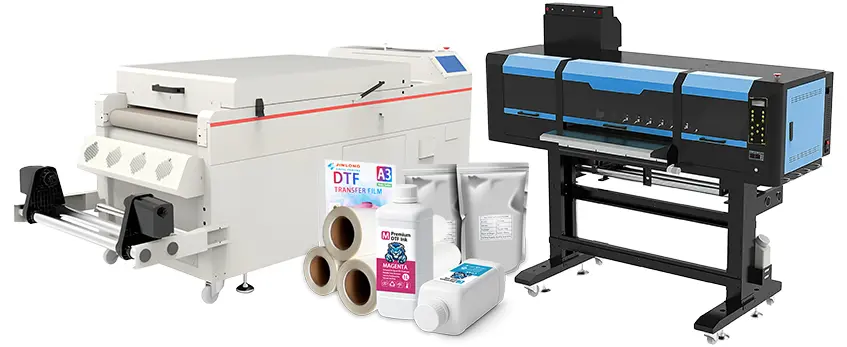
Industrial DTF kits are built for serious production. These systems feature dual or quad printheads and wide-format printers, designed for fast, large-scale output. They include advanced automated powdering systems and belt dryers, streamlining the curing process to keep up with continuous roll-to-roll production.
If you’re running an established shop or brand handling 100+ prints per day, an industrial DTF kit is your go-to. The workflow here is optimized for high volume, allowing for consistent and efficient custom garment production speed.
Vorteile:
- High speed for quick turnaround
- Automated curing ensures consistent quality
- Cost efficiency when printing in bulk
Nachteile:
- Requires significant floor space and proper ventilation
- Higher upfront investment and operational costs
- Steeper learning curve due to advanced technology
This setup is ideal if you’re scaling up and need commercial DTF printing equipment that won’t slow you down. For those ready to grow, pairing this with premium consumables like Jinlong DTF ink with clog-resistant formulas helps maximize output and reliability.
IV. Head-to-Head Comparison: The Metrics That Matter
When choosing between a Desktop vs Industrial DTF kit, several key factors determine which setup fits your business best. Here’s a clear breakdown of the most important metrics for your textile printing business startup.
| Metrisch | Desktop DTF Kit | Industrial DTF Kit |
|---|---|---|
| Geschwindigkeit und Durchsatz | Slower print speeds, ~50 shirts in 4-5 hours | Fast print speeds, ~50 shirts in under 1 hour |
| Maintenance & Durability | Regular manual cleaning; ink circulation less advanced; simpler printheads (A3/A4 or compact models) | Automated cleaning; advanced DTF ink circulation system; robust printheads like Epson i3200; longer lifespan |
| Verbrauchsmaterial Kosten | Higher cost per print due to smaller batch ink and film sizes; premium powders slightly more expensive | More cost-effective ink, bulk PET film transfer rolls, and powder use driving down per-print costs |
| Druckqualität | High resolution but limited color vibrancy and wash durability compared to industrial setups | Consistent best-in-class resolution, vibrant colors, and superior wash durability thanks to automated curing (e.g., industrial DTF curing oven temperature control) |
Geschwindigkeit und Durchsatz
Desktop DTF kits are perfect for small runs and sample making but run slower for bulk orders, limiting output to about 50 prints in several hours. Industrial DTF kits, with wide-format dual or quad printheads and automated powder shakers, cut down production times dramatically.
Maintenance & Durability
Maintaining desktop printers requires frequent manual cleaning and tend to have simpler printhead technology, which can increase downtime. Industrial printers feature automated cleaning cycles and advanced ink circulation systems to keep white ink stable, reducing printhead clogging and long-term maintenance.
Verbrauchsmaterial Kosten
Due to smaller batches, desktop kits face higher costs in ink, DTF film, and hot melt adhesive powder usage, while industrial setups benefit from buying supplies like bulk 60cm PET film transfer rolls and large-volume ink refills, lowering the overall cost per print.
Check out convenient options like Jinlong DTF’s premium ink series designed for industrial-grade printers, or their basic 100ml ink sets optimized for desktop kits.
Druckqualität
While desktop kits can deliver decent resolution for custom garment production speed, industrial DTF printers maintain consistently higher print quality. They excel in color vibrancy and deliver strong wash durability due to precise automated curing and advanced adhesives.
This clear side-by-side comparison should help pinpoint which DTF kit aligns best with your volume, budget, and quality demands.
Which Setup Fits Your Business Model?
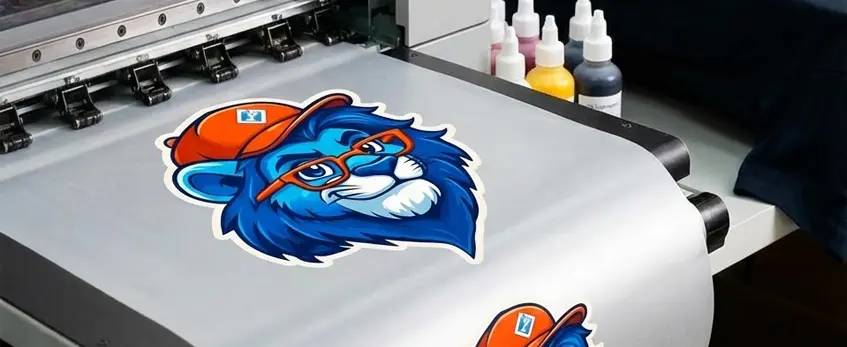
Choosing between a desktop vs industrial DTF kit really boils down to your business size and goals. Here’s a quick look at typical scenarios to help you decide:
Scenario A: Side Hustle Starter
If you’re just testing the waters or running a small home-based shop, the desktop kit is your best bet. It’s budget-friendly with a low upfront cost and fits right on a desk or small workspace. Pair it with reliable Jinlong DTF consumables for inks, films, and powders to ensure top print quality without overspending. This setup handles under 50 prints daily, making it perfect for Etsy sellers or boutique shops looking to keep production lean yet professional. Check out the best desktop DTF printer options for small businesses for ideas on what fits your startup needs.
Scenario B: Scaling Brand
When your orders consistently exceed your desktop’s capacity, it’s time to upgrade to an industrial DTF kit. These machines, often with dual or quad printheads and automated powdering, streamline bulk production — handling 100+ shirts per day easily. This means faster turnaround, better cost efficiency for large batches, and more consistent quality. Industrial setups require more space and power but deliver the throughput you need to grow a commercial textile printing business. Explore the commercial DTF printing equipment to see what suits scaling brands.
Scenario C: Hybrid Approach
Some businesses find the best balance by combining both setups — use a desktop DTF printer for sample prints, custom one-offs, or limited editions while relying on the industrial kit for bulk orders and high-volume runs. This approach maximizes flexibility: quick testing and prototyping with low waste at a smaller scale, then heavy-duty production without bottlenecks. It’s a smart model if you want to stay agile and grow sustainably.
In all cases, matching your production speed, space, budget, and daily print volume with the right DTF kit—and pairing it with top-notch Jinlong DTF supplies—ensures your investment will pay off over time.
Essential Supplies for Both Desktop and Industrial DTF Kits
Getting the right supplies is just as important as choosing between a desktop vs industrial DTF kit. The chemistry behind your DTF film, powder, and ink directly affects print quality, durability, and overall production efficiency.
DTF Film: Cold Peel vs Hot Peel
Different setups call for different types of DTF film. Desktop machines often work well with cold peel films, which let you remove the film right after printing and curing. Industrial kits usually pair better with hot peel films that require the transfers to cool down first, ensuring stronger adhesion for bulk jobs. Selecting the right PET film transfer roll not only improves workflow but also boosts the final print result. For more on how film choices affect your process, check out our detailed guide on wie der DTF-Druck vom Entwurf bis zur Heizpresse funktioniert.
DTF Powder: Why Premium Adhesive Matters
Using a high-quality hot melt adhesive powder is critical for the best print durability and wash resistance. Premium powders provide reliable adhesion and reduce issues like peeling or cracking after multiple washes. Whether you\’re running a small setup or a high-volume shop, investing in top-tier DTF powder means fewer returns and higher customer satisfaction.
DTF Ink: Reliable, Clogging-Resistant Formulas
Ink choice is a big deal for maintenance and longevity. Jinlong DTF inks are specially formulated to resist clogging, ensuring consistent print quality and less downtime, whether on a compact desktop unit or an industrial-grade machine with multiple printheads. Proper ink circulation systems help maximize ink lifespan and protect your investment in expensive parts.
Taking time to pick the right film, powder, and ink tailored to your machine size and workflow makes all the difference. For a closer look at choosing the right film, take a peek at our DTF-Transferfilm-Optionen designed for various setups.
Using premium supplies from Jinlong DTF will help you maximize your desktop or industrial DTF kit’s performance and ROI while ensuring top-notch print quality every time.
Making the Right Investment
When deciding between a desktop vs industrial DTF kit, the key is matching the machine to your business goals—not just the price tag. Desktop kits shine for startups and small print volumes, offering low upfront costs and manageable maintenance. Industrial DTF kits excel when you’re scaling production, needing speed, automation, and cost efficiency on 100+ prints per day.
Here’s the bottom line:
- Think ahead: Buy equipment suited for where you want your textile printing business to be in six months, not just today.
- Balance cost and capability: Don’t overpay for features you won’t use or get stuck with slow gear when demand grows.
- Invest in quality consumables: Using premium DTF ink, film, and powder, like Jinlong DTF’s supplies, can boost print consistency and durability across any machine. Check out their DTF-Tintenoptionen und Schmelzklebstoff-Pulver to ensure top-notch results.
By carefully choosing your DTF setup and partnering with trusted consumable brands, you’re setting your custom garment printing business up for success today and growth tomorrow.


 English
  Español
  Deutsch
  Français