

Es befinden sich keine Produkte im Warenkorb.


Jinlong
Choosing the Best TPU Powder for Vibrant Durable DTF Prints
What Is DTF TPU Powder and Why Quality Matters
DTF TPU powder is a specialized thermoplastic polyurethane powder used in Direct-to-Film (DTF) printing as the adhesive layer that bonds the printed design to fabric. After printing your design on the DTF film, you sprinkle TPU powder onto the wet ink, then cure it with heat to create a strong, flexible, and durable bond between the print and the garment.
Why quality matters:
- Print durability: High-quality TPU powder ensures excellent adhesion, reducing peeling or cracking after multiple washes—critical for print longevity.
- Vibrancy retention: Better powders maintain ink brightness and color sharpness, avoiding dull or faded results over time.
- Weiches Handgefühl: Premium TPU powders provide a more comfortable, less plasticky feel on fabric—important for customer satisfaction.
- Waschechtheit: Quality TPU powders resist yellowing and degradation during laundry cycles, guaranteeing your prints last through 50+ wash tests and beyond.
- Consistent performance: Low-grade powders often melt unevenly or clog equipment, causing wasted materials, costly downtime, and unpredictable results.
In short, your choice of TPU powder directly influences the final output’s appearance, durability, and comfort—making it a core factor in professional-grade DTF printing. Skimping here means risking poor results, unhappy customers, and lost revenue. Choose smart; print sharp.
Key Differences Between Cheap TPU Powder and Premium TPU Powder
When choosing TPU powder for DTF printing, the difference between cheap and premium powders can make or break your final product. Here’s a quick breakdown:
| Merkmal | Cheap TPU Powder | Premium TPU Powder |
|---|---|---|
| Partikelgröße | Inconsistent, larger particles | Uniform, often ultra-fine particles |
| Qualität der Adhäsion | Weak, may peel or fade quickly | Strong, ensures long-lasting prints |
| Waschechtheit | Poor, colors fade after few washes | Excellent, supports 50+ wash cycles |
| Elastizität | Low elasticity, stiff feel | High elasticity for soft hand feel |
| Schmelzpunkt | Higher and inconsistent | Precise low melt for better curing |
| Anti-Yellowing | Rare or ineffective | Advanced formulation to prevent yellowing |
| Print Vibrancy | Dull colors | Lebendige, scharfe Farben |
Cheap TPU powder often causes print cracking, easy peeling, and less wash durability. On the other hand, premium TPU powder like Jinlong DTF-Pulver, designed for superior adhesion and elasticity, gives vibrant, long-lasting results that hold up over time.
Choosing premium powder is an investment in your print quality and customer satisfaction, especially when paired with quality DTF films and inks found at Jinlong-Drucke.
The 4 Main Types of TPU Powder for DTF

When choosing the right TPU powder DTF for vibrant, long-lasting prints, knowing the types available helps you match the powder to your needs. Here’s a quick breakdown:
Standard TPU Powder
The go-to powder for general DTF printing, standard TPU powder offers reliable adhesion and durability. It’s great for most fabrics, giving a solid balance of performance and cost. Expect good wash fastness and color vibrancy.
Fine / Ultra-Fine Particle TPU Powder
Designed for super detailed prints and softer hand feel, ultra-fine DTF powder melts smoothly for clean edges and smooth finishes. It’s perfect for delicate designs or fabrics like cotton, where you want low visibility of the print’s texture without sacrificing wash fastness.
High-Elasticity TPU Powder
This type is all about stretch and resilience. High elasticity TPU powder works best on garments that need to move and flex a lot—think sportswear or performance fabrics. It maintains color vibrancy and print integrity even after repeated stretching and washing.
Premium Polyester-Polyurethane Hybrid TPU Powder
Blending polyester with polyurethane, this hybrid powder offers superior adhesion and durability on synthetic fabrics. It stands out with anti-yellowing properties and excellent wash resistance, making it a favorite among professionals looking for premium results with vibrant, long-lasting prints.
Selecting the right TPU powder type depends on your fabric choice and print goals. For a deeper dive on how to get the best print quality with your materials, check out this guide on DTF papers vs PET films.
Must-Know Technical Specifications When Choosing TPU Powder
Picking the right TPU powder for DTF means paying close attention to some key specs. These details impact print quality, durability, and feel. Here’s a quick breakdown of the must-know technical specs to look out for:
| Spezifikation | Warum es wichtig ist | Typical Range/Notes |
|---|---|---|
| Partikelgröße | Affects print sharpness & powder adhesion | Ultra-fine (<30 microns) for vibrant, detailed prints; standard (30-60 microns) for general use |
| Melt Temperature | Determines curing conditions and fabric compatibility | Low melt powders (~130-140°C) reduce fabric stress and save energy |
| Elastizität | Impacts stretch and hand feel of the print | High elasticity powders enhance comfort and flexibility |
| Qualität der Adhäsion | Ensures the print sticks well to different fabrics | Premium DTF adhesive powders offer stronger, lasting bonds |
| Waschechtheit | Measures print durability through washes | Look for powders tested for 50+ wash cycles without fading or cracking |
| Anti-Yellowing | Maintains print brightness over time | Important for light-colored or white fabrics |
Understanding these specs helps you choose a TPU powder that fits your specific fabric needs like cotton or polyester blends and matches your curing setup. For example, if you print mostly on cotton, select a powder designed for strong adhesion on natural fibers and good wash fastness.
For more detailed tips on extending print durability and choosing the right materials, check out this complete guide with professional DTF printing tips.
jinlong DTF Premium TPU Powder – Why Pros Are Switching
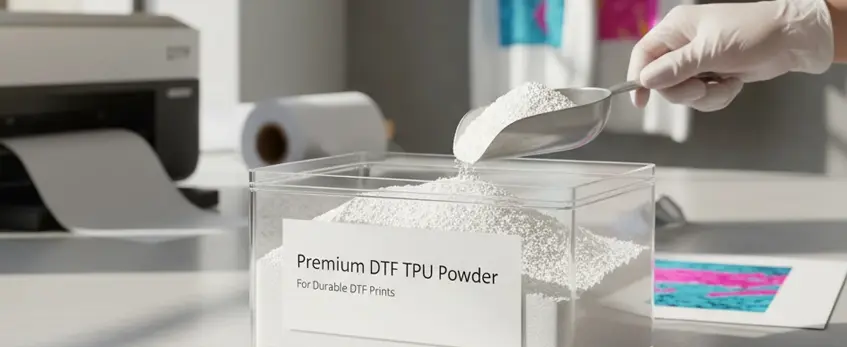
Many professionals in the DTF printing world are making the switch to jinlong DTF Premium TPU powder, and for good reason. This powder stands out for its consistent Partikelgröße, ensuring smooth application and even melting, which results in vibrant, long-lasting prints. Unlike many cheaper powders, jinlong’s formula offers excellent Waschechtheit — surviving over 50 washes without cracking or fading, which is a game-changer for apparel makers focused on quality.
Another reason pros prefer jinlong’s powder is its balanced curing temperature range. It melts quickly but doesn’t burn or yellow, maintaining print clarity even after multiple washes. The powder also provides a soft hand feel, making garments comfortable to wear without the stiff texture often associated with other TPU-Pulver DTF options.
Plus, jinlong keeps a keen eye on delivering anti-yellowing properties, ideal for keeping whites and lighter colors looking fresh over time. When paired with high-quality DTF transfer films — like those from jinlong’s Profi-Serie — users see unbeatable color pop and durability.
Switching to jinlong DTF powder means boosting your print quality, reducing customer complaints, and cutting down costly reprints. For anyone serious about professional results, this powder is a solid investment that pays off fast.
Step-by-Step: How to Test Any TPU Powder Before Committing
Before investing in a new TPU powder for DTF, it’s smart to run a quick test to make sure it delivers on vibrancy, durability, and feel. Here’s a simple step-by-step to help you evaluate any TPU powder before fully committing:
Prepare Your Test Print
Print a full-color design on DTF film using your usual ink setup. Pick a design with a good mix of colors to truly gauge print vibrancy.
TPU-Pulver gleichmäßig auftragen
Sprinkle the TPU powder over the wet print evenly. For best results, tap off excess powder gently so you get a light, consistent layer.
Cure According to Spec
Use the recommended curing temperature and time—this is critical. Under- or over-curing can ruin durability or cause yellowing. Check the DTF powder curing temperature listed by the manufacturer.
Perform Wash Tests
After curing, apply the transfer to your chosen fabric—cotton or polyester works best. Run a Waschechtheit test by washing the print multiple times (50 wash test for premium powders). Check if the colors stay vibrant and if the print peels or cracks.
Evaluate Hand Feel and Elasticity
Stretch the print slightly and feel the texture. A quality TPU powder should provide a soft hand feel DTF powder that doesn’t crack, shrink, or become stiff after washing.
Look for Yellowing and Adhesion
Monitor the print for any yellow tint after curing or washing. A good anti-yellowing DTF powder maintains brightness over time. Also, check if the powder holds tight to the fabric without flaking.
Testing like this will save you headaches and ensure you pick the best TPU powder for DTF that fits your needs. For detailed insights on prints and film compatibility, check out our guide on DTF film and transfer sheets.
Application Tips to Maximize Vibrancy and Durability
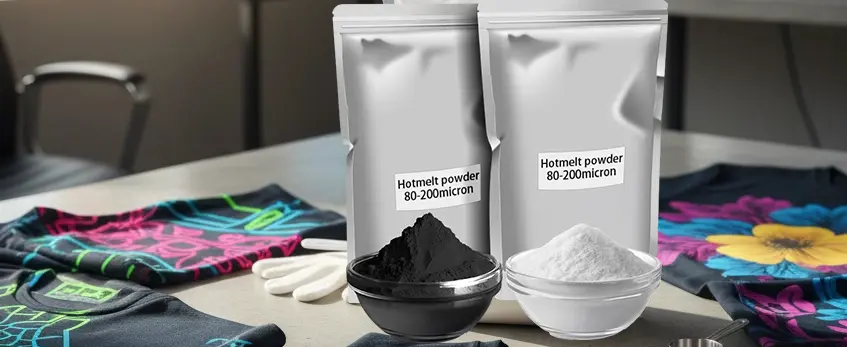
Getting the most out of your TPU powder DTF prints means paying attention to the details during application. Here are some tips to help you boost both vibrancy and durability:
Use the Right Curing Temperature: Stick close to the manufacturer’s recommended DTF powder curing temperature. Overheating can cause colors to fade or yellowing, while under-curing results in poor adhesion and weak prints.
Control Powder Particle Size: Fine or ultra-fine DTF powder spreads more evenly, creating sharper, more vibrant designs. Make sure your powder matches the type of fabric you’re working with to avoid rough textures.
Apply Even Heat and Pressure: Use a good heat press with consistent pressure to ensure the TPU powder melts uniformly. Uneven application can cause patchy colors and poor wash fastness.
Pre-Press Your Garment: This step removes moisture and wrinkles, creating a smooth surface for the transfer. Pre-pressing helps your prints stick better and last longer, especially on cotton fabrics.
Choose the Right Fabric: Premium TPU powder works best on cotton, polyester, and polyester-blend textiles. Using the powder designed for your material keeps the hand feel soft and prevents cracking.
Test Wash Fastness: After printing, always run a wash test to confirm durability. TPU powders with proven wash fastness (like a 50 wash test) protect your prints from fading and peeling.
Following these tips, along with choosing premium TPU powder, can make a huge difference in producing vibrant, long-lasting designs your customers will love. For a deeper understanding of applying DTF powder correctly, check out this comprehensive guide on DTF-Transferpapier und Puder Essentials.
Cost vs Performance: When Cheap TPU Powder Actually Costs You More
It might be tempting to save upfront by choosing cheap TPU powder for DTF, but that “bargain” often backfires. Low-quality powders usually have inconsistent particle size, poor adhesion, and low wash fastness, leading to faded prints or peeling after just a few washes. This means you’ll spend more on reprints, wasted materials, and customer dissatisfaction.
Cheap TPU powders also tend to have higher melt points or require longer curing times, slowing down your production line and raising energy costs. Plus, they often lack important features like anti-yellowing properties and a soft hand feel, which can hurt the perceived quality of your finished products.
Investing in premium TPU powders, like the jinlong DTF premium TPU powder, can save you money in the long run. They offer consistent particle size, excellent wash durability (think: passing the 50 wash test), and improved elasticity—meaning your prints look vibrant and last longer without cracking or fading.
In short: choosing the right TPU powder isn’t just about spending less today—it’s about saving time, reducing waste, and keeping your customers happy for the long haul.
Frequently Asked Questions About TPU Powder for DTF
Q: What makes premium TPU powder better than cheap options?
A: Premium TPU powder offers finer particle size, better adhesion, and superior wash fastness. This means prints stay vibrant and durable longer, even after 50+ washes. Cheap powders often lead to cracking and fading.
Q: Can TPU powder be used on all fabrics?
A: Most TPU powders work well on cotton, polyester, and blends. However, if you’re printing on cotton-heavy fabrics, choose a powder designed specifically for cotton for better adhesion and softness.
Q: What’s the best particle size for vibrant prints?
A: Ultra-fine TPU powder ensures smooth, even coverage and sharper print details. Standard powders can be grainy, affecting the print’s softness and quality.
Q: How do I know the right curing temperature?
A: Each powder type has a recommended curing temperature, usually between 140°C to 160°C (284°F to 320°F). Accurate heat and time help the powder melt properly without yellowing or damage.
Q: Is a softer hand feel possible with TPU powder?
A: Yes, high elasticity TPU powders and premium polyester-polyurethane hybrids provide a soft hand feel. They make prints flexible and comfortable, great for apparel printing.
Q: How can I test TPU powder before buying large quantities?
A: Conduct a small batch test using your equipment and fabrics. Check adhesion, wash fastness, and hand feel after multiple wash cycles. We walk through this testing method in detail earlier to avoid costly mistakes.
Q: Why does some powder yellow over time?
A: Low-quality powders or improper curing can cause yellowing. Anti-yellowing TPU powders and correct heat settings prevent discoloration, keeping your prints vibrant.
For those looking for professional-grade options, explore our Jinlong DTF Premium TPU Powder known for top performance in the U.S. market.



 English
  Español
  Deutsch
  Français