

Es befinden sich keine Produkte im Warenkorb.


Jinlong
Die beste Heißluftpresse für DTF 2026 mit den besten Funktionen und Auswahlmöglichkeiten
Verständnis von Wärmepressen für DTF-Transfers
Wenn Sie erforschen DTF-Heißluftpresse Maschinen, stellt sich wahrscheinlich eine Frage: Kann ich einfach ein Haushaltsbügeleisen oder ein EasyPress-Gerät verwenden? Die schnelle Antwort: Nein - und hier ist der Grund dafür.
Hauptunterschiede: Wärmepresse vs. Bügeleisen oder EasyPress
| Merkmal | Bügeleisen/EasyPress für den Haushalt | Dedizierte DTF-Heizpresse |
|---|---|---|
| Temperaturkontrolle | Begrenzt, oft ungenau | Präzise, einstellbar bis zu 400°F+ |
| Druck Anwendung | Ungleichmäßiger, manueller Druck | Gleichmäßiger Druck mit einfacher Einstellung |
| Wärmeverteilung | Fleckig, uneinheitlich | Gleichmäßige Wärme über die Platte |
| Größe und Oberfläche | Klein und ungleichmäßig | Großer Tiegel (15×15, 16×20) für vielseitigen Einsatz |
| Timer-Steuerung | In der Regel keine Zeitschaltuhr oder grobes Timing | Digitale Zeitschaltuhren mit automatischer Öffnungsfunktion |
Warum DTF präzise Einstellungen für die Wärmepresse benötigt
Bei der Arbeit mit DTF-Überweisungen, Temperatur, Druck und gleichmäßige Wärmeverteilung sind nicht nur Details - sie entscheiden über Ihre Druckqualität. Hier ist der Grund dafür:
- Temperatur: DTF-Farben und -Klebstoffe härten am besten bei gleichbleibend hohen Temperaturen aus (etwa 320-350°F). Eine zu niedrige oder zu hohe Temperatur bedeutet schlechte Haftung oder Verbrennung.
- Druck: Ungleichmäßiger oder unzureichender Druck führt zu Ablösungen oder unvollständigen Übertragungen.
- Gleichmäßige Wärme: Heiße oder kalte Stellen führen zu inkonsistenten Drucken, Farbflecken oder Blasen.
Vorteile einer speziellen DTF-Heizpresse
Die Investition in eine DTF-Heizpresse mag zunächst kostspielig erscheinen, aber sie lohnt sich. Hier ist, was Sie bekommen:
- Professionelle Ergebnisse: Knackige, haltbare und waschbeständige Transfers.
- Wirkungsgrad: Schnellere Presszeiten bei gleichbleibender Qualität.
- Verlässlichkeit: Gebaut für den häufigen, harten Einsatz.
- Vielseitigkeit: Passt sich mühelos verschiedenen Stoffarten und -größen an.
Und das Fazit? Für ernsthafte DTF-Arbeiten ist eine spezielle Heißpresse eine kluge Investition, die Zeit, Frustration und Materialverschwendung spart.
Für DTF geeignete Typen von Heißluftpressen
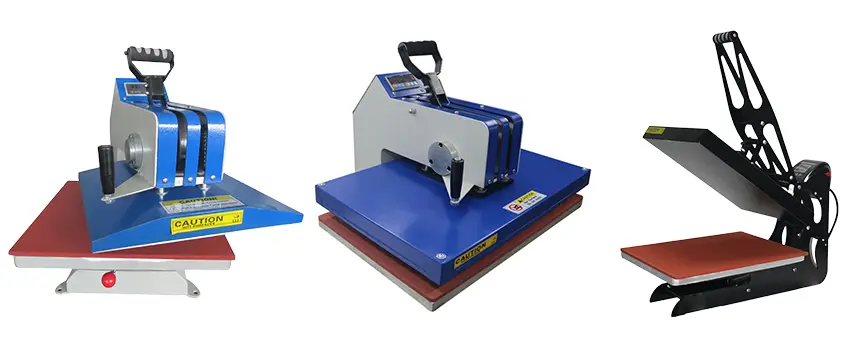
Die Wahl der richtigen Heißluftpresse ist der Schlüssel zu hochwertigen DTF-Transfers. Hier finden Sie eine kurze Übersicht über die wichtigsten Typen, die für den DTF-Druck geeignet sind, mit ihren Vor- und Nachteilen und den besten Eigenschaften:
| Wärmepresse Typ | Profis | Nachteile | Bester Anwendungsfall |
|---|---|---|---|
| Zweischalen-Heizpresse | Kompakt, einfach zu bedienen, erschwinglich | Eingeschränkter Zugang unter der Walze, weniger Druckkontrolle | Anfänger, kleine bis mittlere Aufträge |
| Swing-Away-Heizpresse | Gleichmäßiger Druck, sicherer Plattenzugang | Nimmt mehr Arbeitsfläche in Anspruch | Präzisionsarbeit, dickere Kleidungsstücke |
| Ausziehbarer Stil (Slide-Out) | Schnelles Laden/Entladen, gleichmäßiger Druck | Mehr mechanische Teile, höherer Preis | Hochvolumige Produktion |
| Automatisch öffnend & pneumatisch | Freihändige Bedienung, sehr gleichmäßiger Druck | Teuer, erfordert mehr Wartung | Professionelle Geschäfte, große Auflagen |
Zweischalen-Heizpressen
Die Clamshell-Modelle gehören zu den beliebtesten DTF-Einsteigern. Ihr einfaches Auf- und Abpressen eignet sich hervorragend für kleine Arbeiten und Einsteiger. Sie bieten jedoch nicht das gleiche Maß an Druckkontrolle wie schwenkbare Modelle, was sich bei dickeren Stoffen auf die Konsistenz der Übertragung auswirken kann.
Swing-Away-Heizpressen
Bei schwenkbaren Designs kann die obere Platte zur Seite geschwenkt werden, so dass Sie vollen Zugriff auf die untere Platte haben. Dies führt zu einer sichereren Handhabung und einer gleichmäßigeren Druckverteilung - ein großes Plus für empfindliche oder dicke DTF-Transfers. Sie benötigen zwar etwas mehr Platz, bieten aber eine höhere Präzision und sind daher bei Hobby- und Profikünstlern sehr beliebt.
Ausziehbare Wärmepressen (Slide-Out)
Ziehende Pressen verfügen über eine verschiebbare untere Platte, die das Be- und Entladen ohne Produktionsunterbrechung erleichtert. Sie zeichnen sich durch hohe Effizienz bei hohen DTF-Volumina aus, da Hitze und Druck über alle Chargen hinweg gleich bleiben. Diese Maschinen sind teurer und komplexer, machen sich aber in stark frequentierten Umgebungen bezahlt.
Automatisch öffnende und pneumatische Heizpressen
Für professionelle DTF-Drucker bieten automatisch öffnende und pneumatische Modelle eine hervorragende Konsistenz und sparen Zeit durch handfreien Betrieb und gleichmäßig kontrollierten Druck. Obwohl sie eine höhere Anfangsinvestition und einen höheren Wartungsaufwand erfordern, eignen sie sich gut für große Produktionsumgebungen und heben Qualität und Durchsatz auf ein neues Niveau.
Berücksichtigen Sie bei der Auswahl Ihrer Heißluftpresse Ihr Produktionsvolumen und Ihren Arbeitsbereich. Wenn Sie sich jetzt für die richtige Maschine entscheiden, werden die DTF-Transfers reibungsloser und weniger frustrierend.
Die wichtigsten Merkmale der besten DTF-Heizpresse
Bei der Auswahl der besten DTF-Heizpresse machen einige wichtige Merkmale den Unterschied bei der Übertragungsqualität und der Benutzerfreundlichkeit aus. Hier ist, worauf Sie achten sollten:
| Merkmal | Warum es wichtig ist | Ideale Specs für DTF |
|---|---|---|
| Größe und Material der Druckplatte | Größere Platten für verschiedene Kleidungsgrößen; langlebiges Material sorgt für gleichmäßige Hitze | 15×15 oder 16×20 Zoll; hochbelastbare Aluminium- oder Stahlplatte |
| Temperaturgenauigkeit und -bereich | DTF-Transfers benötigen präzise Temperaturen, oft bis zu 400°F+, um perfekt auszuhärten. | Präzise digitale Steuerung mit ±1°F Genauigkeit; Bereich bis zu 400°F+ |
| Druckanpassung und gleichmäßige Verteilung | Gleichmäßiger Druck verhindert ungleichmäßiges Anhaften oder Anbrennen | Einfach einzustellende Druckknöpfe; gleichmäßiger Druck über die gesamte Platte |
| Digitale Steuerungen und automatische Zeitschaltuhren | Einfache Einstellungen und integrierte Timer verbessern den Arbeitsablauf und verhindern ein Überpressen | Intuitive Digitalanzeige; programmierbare Timer für automatische Öffnung |
| Garantie & Langlebigkeit | Zuverlässige Verarbeitungsqualität schützt Ihre Investition, insbesondere bei dicken Stoffen | Mindestens 1 Jahr Garantie; robuster Rahmen für dicke Textilien |
| Zusätzliche Must-Haves | Extras wie eine einfädelbare untere Platte helfen bei der Handhabung von Ärmeln, Hüten oder ungewöhnlich geformten Gegenständen | Untere Platte mit Gewinde oder abnehmbar; kompatibel mit Zubehör |
Eine Transferpresse, die über diese Eigenschaften verfügt, verbessert nicht nur Ihre DTF-Druckergebnisse, sondern steigert auch Ihre tägliche Produktivität. Für zusätzliche Zuverlässigkeit bei Ihren Transfers können Sie Ihre Heißluftpresse mit folgenden Komponenten kombinieren TPU DTF-Klebstoffpulver-eine perfekte Ergänzung für eine gleichmäßige Wärmeaktivierung.
Wenn Sie die Größe der Druckplatte auf Ihre typischen Kleidungsstücke abstimmen und die Haltbarkeit von dickeren Stoffen berücksichtigen, können Sie Ihr DTF-System optimal nutzen. Vergewissern Sie sich, dass Ihre Presse eine stabile und gleichmäßige Heizfläche hat, da dies häufige Probleme wie ungleichmäßige Farbe oder Abblättern verhindert.
Wenn Sie sich für eine Heißluftpresse mit digitaler Steuerung und Zeitschaltuhr entscheiden, müssen Sie bei den Einstellungen Ihrer DTF-Heißluftpresse nicht mehr raten, sondern können sicher sein, dass Sie jedes Mal die richtige Temperatur und Zeit treffen, ohne manuell auf die Uhr schauen zu müssen.
Empfohlene Einstellungen der Wärmepresse für DTF-Transfers
Die richtigen Einstellungen für DTF-Transfers sind der Schlüssel zu gestochen scharfen, haltbaren Drucken. Hier finden Sie eine Kurzanleitung mit den Grundlagen und stoffspezifischen Anpassungen, die Ihnen bei jedem Projekt weiterhelfen.
Standardeinstellungen für DTF Heat Press
| Einstellung | Standard Bereich | Anmerkungen |
|---|---|---|
| Temperatur | 320°F - 360°F (160°C - 182°C) | Je nach Film und Farbe einstellen |
| Zeit | 15 - 25 Sekunden | Normalerweise 15 bei den meisten Filmen |
| Druck | Mittel bis fest | Ausreichend, um einen gleichmäßigen Kontakt zu gewährleisten |
| Peel-Typ | Heißes Peeling oder kaltes Peeling | Abhängig von Transferfolie und Gewebe |
Anpassung an die Gewebetypen
- Baumwolle: Verwenden Sie die Standardtemperatur von etwa 320°F bei mittlerem Druck. Heißes Schälen funktioniert in der Regel gut.
- Polyester: Erhöhen Sie die Temperatur leicht (340°F+) und verwenden Sie Kaltschalen, um ein Anbrennen zu verhindern.
- Mischungen: Mittlere Temperatur (330°F), mittlerer Druck und Testschälmethode auf der Grundlage des Gewebes %.
Tipps für die Druckvorstufe und die Druckweiterverarbeitung
- Druckvorstufe: Bügeln Sie Ihre Kleidungsstücke immer 5-10 Sekunden lang vor, um Feuchtigkeit und Falten zu entfernen.
- Post-Presse: Nach der Übertragung kann ein erneutes kurzes Andrücken (5 Sekunden) die Haftung und Haltbarkeit erhöhen.
Heißes Peeling vs. Kaltes Peeling
- Heißes Peeling: Ziehen Sie die Transferfolie sofort ab, solange sie noch heiß ist. Eignet sich hervorragend für die meisten Baumwollstoffe, erfordert aber ein sorgfältiges Timing, um ein Verschmieren zu vermeiden.
- Kaltes Peeling: Lassen Sie die Übertragung vollständig abkühlen, bevor Sie die Folie abziehen. Ideal für Polyester und Mischgewebe, da es Filmrückstände reduziert und die Druckklarheit verbessert.
Optimale Ergebnisse erzielen Sie, wenn Sie die Presse auf Stoffresten testen, bevor Sie sie in vollem Umfang einsetzen. Sehen Sie sich auch TPU DTF Schmelzklebstoffpulver für eine bessere Haltbarkeit des Transfers und eine bessere Haftung beim Pressen.
Die Feinabstimmung dieser Einstellungen sorgt dafür, dass Ihre DTF-Übertragungen scharf aussehen und lange halten - egal, ob Sie Anfänger oder Profi sind.
Top-Auswahl: Die besten Heißluftpressen für DTF im Jahr 2026
Hier ist ein kurzer Leitfaden zu den besten Heißluftpressen für den DTF-Druck im Jahr 2026. Diese Auswahl deckt Profis, Budgets und Volumenanforderungen ab und hilft Ihnen, die beste Transferpresse für DTF-Transfers zu finden.
| Modell | Typ | Walzengröße | Wesentliche Merkmale | Preisspanne | Am besten für |
|---|---|---|---|---|---|
| Hotronix Fusion IQ | Muschelschale | 16×20 | Präzise Temperatur, Touchscreen, einfach zu bedienen | $3,500+ | Professionelle, hochqualitative DTF |
| Geo Knight DK20S | Wegschwenken | 16×20 | Langlebige Konstruktion, gleichmäßiger Druck, Sicherheitsabschaltung | $2,800+ | Dauerhafte und präzise Übertragungen |
| Hotronix Auto Clam | Auto-Open Clamshell | 16×20 | Timer für automatische Öffnung, gut für mittlere Lautstärke | $3,000 | Mittelgroße Produktion |
| Zuverlässige 15×15 Clamshell | Entry-Level Clamshell | 15×15 | Erschwingliche, einfache Kontrollen | $300-$500 | Anfänger, Hobbyisten |
| Pneumatisch/Dual-Platen | Pneumatisch | Variiert | Schneller Zyklus, gleichmäßiger Druck, hohes Volumen | $4,000+ | Kommerzielle Produktion |
| jinlong DTF-kompatible Pressen | Verschiedene | Verschiedene | Nahtlose Integration, konsistente DTF-Ergebnisse | $500-$2.000 | Zuverlässiger Einsatz im mittleren und professionellen Bereich |
Warum diese Modelle?
- Hotronix Fusion IQ zeichnet sich durch seine präzise Wärmeregelung und benutzerfreundliche digitale Schnittstelle, Sie eignen sich perfekt für professionelle Druckereien, die eine zuverlässige, dauerhafte Leistung benötigen.
- Die Geo Knight DK20S wegschwenkbares Modell bietet hohe Sicherheit und gleichmäßiger Druck, ideal für anspruchsvolle DTF-Transfers.
- Die Hotronix Auto Clam ist ideal für diejenigen, die eine Auto-Opening-Funktion um Aufträge zu beschleunigen, ohne die Kontrolle zu verlieren.
- Für diejenigen, die gerade erst anfangen oder ein kleines Budget haben, 15×15 Zweischalenpressen von Reliable bieten gleichmäßige Wärme und Druck, ohne das Budget zu sprengen.
- Pneumatische Pressen oder Zweiplattenpressen Sie können große Bestellmengen schnell abwickeln und sind daher ideal für kommerzielle DTF-Betriebe.
- jinlong DTF-kompatible Heizpressen sind eine solide Option mit Modellen, die speziell auf den Filmdirektdruck zugeschnitten sind und konsistente Ergebnisse sowie Kompatibilität mit gängigen DTF-Geräten gewährleisten. Sehen Sie sich unser Leitfaden für die Auswahl der besten DTF-Transfermaschine um zu erfahren, wie Sie diese Druckmaschinen mit Ihrer Einrichtung kombinieren können.
Vergleichstabelle: Die wichtigsten Merkmale im Überblick
| Merkmal | Hotronix Fusion IQ | Geo Knight DK20S | Hotronix Auto Clam | Zuverlässig 15×15 | Pneumatisch/Dual-Platen | jinlong DTF-Pressen |
|---|---|---|---|---|---|---|
| Walzengröße | 16×20 | 16×20 | 16×20 | 15×15 | Variiert | Verschiedene |
| Temperaturbereich | Bis zu 400°F+ | Bis zu 410°F | Bis zu 400°F | Bis zu 400°F | Bis zu 420°F | Bis zu 400°F+ |
| Druckkontrolle | Digital | Handbuch | Digital | Handbuch | Pneumatisch | Manuell/Digital |
| Timer für automatische Öffnung | Ja | Nein | Ja | Nein | Abhängig von | Abhängig von |
| Preis | High-End | Mittelhoch | Mittelhoch | Haushalt | Prämie | Budget bis Mittelklasse |
| Beste Verwendung | Professionell | Professionell | Mittleres Volumen | Anfänger | Hohe Lautstärke | Mittelklasse & Profi |
Wenn Sie eine detaillierte Aufschlüsselung der Typen und Funktionen von Heizpressen wünschen, sollten Sie sich unseren Der ultimative Leitfaden, wie DTF-Druckereien am Jahresende Spitzenwerte erzielen. Sie enthält nützliche Tipps zur Auswahl von Geräten, die Ihren Produktionszielen entsprechen.
Diese Übersicht hilft Ihnen, schnell die beste Transferpresse für DTF-Transfers zu finden, und zwar anhand der wichtigsten Kriterien: Präzision, Volumen, Budget und Benutzerfreundlichkeit. Die richtige Wahl beim ersten Mal kann Ihnen viel Zeit ersparen und dafür sorgen, dass Ihre Drucke jedes Mal scharf aussehen.
Budgetüberlegungen und Kauftipps
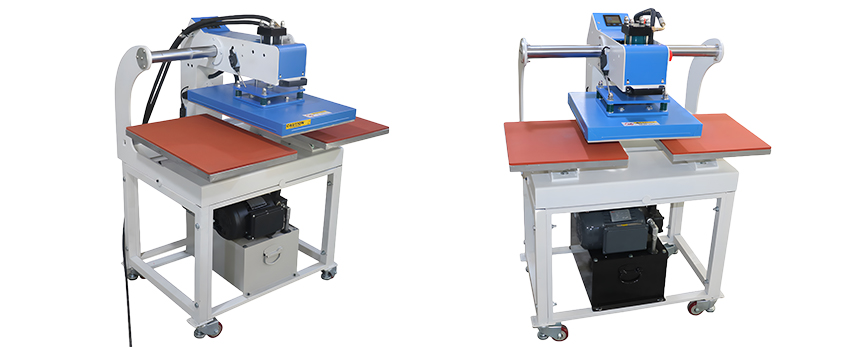
Beim Einkauf für die beste Wärmepresse für DTF, Ihr Budget spielt eine große Rolle bei der Auswahl der Produkte. Hier ist eine schnelle Aufschlüsselung, um Ihnen bei der Entscheidung zu helfen:
Einstiegsklasse (< $500)
Ideal für Bastler und Start-ups, die gerade in den DTF-Druck einsteigen. Diese Druckmaschinen bieten in der Regel ein einfaches Zweischalendesign, kleinere Tiegelgrößen (z. B. 15×15) und eine manuelle Druckeinstellung. Auch wenn sie nicht mit allem Schnickschnack ausgestattet sind, liefern sie zuverlässige Wärme und Druck für kleinere Projekte und zum Erlernen der Funktionsweise.
Mid-Range ($500–$1,500)
Perfekt für wachsende Unternehmen, die eine höhere Genauigkeit und Langlebigkeit wünschen, ohne das Budget zu sprengen. In diesem Bereich finden Sie schwenkbare Modelle und präzisere digitale Steuerungen. Sie zeichnen sich häufig durch eine höhere Temperaturgenauigkeit und eine robustere Bauweise aus und sind damit eine gute Wahl für regelmäßige DTF-Übertragungen.
Prämie (>$1.500)
Diese High-End-Heizpressen sind für die kommerzielle Produktion konzipiert und verfügen über Funktionen wie pneumatischen Druck, automatisch öffnende Timer, große oder doppelte Druckplatten und ultrapräzise Temperaturregelung. Eine Investition in diese Geräte ist sinnvoll, wenn Sie eine gleichmäßige, schnelle Ausgabe mit professionellen Ergebnissen benötigen.
Wo kann man kaufen: Vertrauenswürdige Lieferanten und was zu vermeiden ist
- Kaufen Sie bei seriösen Händlern oder direkt bei den Marken wie Hotronix oder Geo Knight, um Garantiesupport und authentische Produkte zu gewährleisten.
- Vermeiden Sie billige No-Name-Pressen mit ungleichmäßiger Wärmeverteilung oder schwacher Konstruktion - auch wenn sie wie ein Schnäppchen aussehen, können sie Ihren Transfers schaden.
- Ziehen Sie Lieferanten in Betracht, die auch Zubehör und Unterstützung speziell für DTF-Prozesse anbieten, wie z. B. Walzenabdeckungen oder Wärmeband, um Ihren Arbeitsablauf zu verbessern.
Weitere Informationen zur Optimierung Ihrer DTF-Einrichtung finden Sie in diesem DTF-Leitfaden für Druckgeräte, die Werkzeuge hervorhebt, die Ihre Heißpresse perfekt ergänzen.
Häufige Fehler und Fehlerbehebung bei DTF Heat Press Transfers
Bei der Arbeit mit einer Transferpresse für DTF-Transfers treten häufig Probleme wie ungleichmäßige Drucke, Abblättern oder Verbrennungen auf. Hier erfahren Sie, wie Sie diese beheben können, damit Ihr Gerät reibungslos funktioniert:
Ungleichmäßige Übertragungen oder Schälen
Die Ursache: Ungleichmäßiger Druck oder ungleichmäßige Wärmeverteilung.
Abhilfe: Achten Sie darauf, dass Ihre Heizpresse gleichmäßig Druck auf die gesamte Platte ausübt. Verwenden Sie eine Wärmepresse mit gleichmäßiger Wärmeverteilung für gleichmäßige Ergebnisse. Passen Sie die Druckeinstellungen an und verringern Sie die Klemmkraft an den Stellen, an denen sich Transfers ablösen. Testen Sie auf Stoffresten, um den optimalen Wert für Ihre spezielle Einstellung zu finden.
Versengen oder Brennen
Ursache: Zu hohe Temperatur oder zu lange Presszeit.
Abhilfe: Überprüfen Sie die Einstellungen Ihrer DTF-Heizpresse sorgfältig. Senken Sie die Temperatur leicht oder reduzieren Sie die Presszeit. Befolgen Sie stets die Richtlinien des Herstellers für Temperatur, Zeit und Druck, um Schäden zu vermeiden.
Testen der Einstellungen auf Stoffresten
Wenden Sie eine neue Einstellung niemals direkt auf Ihr Endprodukt an. Testen Sie immer auf einem Reststück desselben Stoffes, um Temperatur, Druck und Zeit einzustellen, ohne Material zu verschwenden. Auf diese Weise lassen sich kostspielige Fehler vermeiden und die Haltbarkeit und Lebendigkeit Ihrer Transfers erhalten.
Wartungstipps für dauerhafte Leistung
- Reinigen Sie die Druckplatten regelmäßig, um Klebstoffreste oder Ablagerungen zu entfernen.
- Überprüfen Sie das Drucksystem, um sicherzustellen, dass es über die Zeit konstant bleibt.
- Überprüfen Sie die digitalen Bedienelemente und tauschen Sie verschlissene Teile umgehend aus.
- Verwenden Sie Zubehör wie Teflonblätter oder Pergamentpapier, um die Oberfläche der Druckplatte und die Ausdrucke zu schützen.
Wenn Sie diese Tipps zur Fehlerbehebung beherzigen, können Sie Ihre Transferpresse für DTF-Transfers verbessern und die Lebensdauer Ihrer Ausrüstung verlängern, so dass die Produktion reibungsloser verläuft.
Für zuverlässiges DTF-Zubehör, das Ihre Heißpresseneinrichtung ergänzt, sollten Sie hochwertige Produkte verwenden, wie DTF-Übertragungsfolie und fortgeschrittene TPU-Schmelzklebstoffpulver um dauerhafte Drucke zu erzielen.
Zubehör und Extras für bessere DTF-Ergebnisse
Um das Beste aus Ihrer Transferpresse für DTF-Transfers herauszuholen, ist es wichtig, das richtige Zubehör zu haben. Im Folgenden erfahren Sie, was Sie für Ihre Ausrüstung benötigen:
- Teflon-Platten: Sie sind unerlässlich für den Schutz Ihrer Heizplatte und Ihrer Transfers. Sie verhindern das Anbrennen, Verkleben und Abblättern und sorgen so jedes Mal für glatte, saubere Ergebnisse.
- Pergamentpapier: Pergamentpapier ist eine preisgünstige Alternative zu Teflonfolien und schützt Ihre Transfers und Pressen vor Beschädigungen beim Erhitzen.
- Klebeband: Dies ist ein Muss, um DTF-Folien an Kleidungsstücken zu befestigen, damit sie beim Bügeln nicht verrutschen. Achten Sie auf hitzebeständiges Klebeband, das keine Rückstände hinterlässt oder bei hohen Temperaturen schmilzt.
- Untere Walzenabdeckungen: Diese Abdeckungen schützen Ihre untere Druckplatte vor Tintenflecken und Abnutzung und verlängern die Lebensdauer Ihrer Transferpresse. Sie sind besonders hilfreich bei der Arbeit mit schmutzigen DTF-Tinten.
- Spezielle Anbaugeräte: Wenn Sie mit Hüten, Tassen oder anderen Gegenständen arbeiten, sollten Sie sich nach kompatiblen Aufsätzen umsehen, die zu Ihrer Heißpresse passen. Diese helfen, gleichmäßigen Druck und Temperatur für spezielle DTF-Transfers aufrechtzuerhalten.
Die Verwendung dieser Extras mit Ihrer DTF-Heißpresse gewährleistet gleichmäßige, haltbare und professionelle Transfers. Tipps zur Vorbereitung von Druckvorlagen und zur Kompatibilität von Druckfarben mit Ihrer Druckmaschine finden Sie in unserem DTF-Tintenkompatibilitätsleitfaden und Gestaltungstipps.
Häufig gestellte Fragen über die beste Wärmepresse für DTF
Kann ich eine normale Wärmepresse für DTF verwenden?
Ja, Sie können für DTF-Transfers eine normale Wärmepresse verwenden, aber sie muss über eine präzise Temperaturregelung, eine gleichmäßige Wärmeverteilung und die Fähigkeit verfügen, gleichmäßigen Druck auszuüben. Haushaltsbügeleisen oder EasyPress-Geräte erfüllen diese Anforderungen in der Regel nicht, was zu ungleichmäßigen Drucken oder schlechter Haftung führen kann. Die Investition in eine spezielle DTF-Heizpresse gewährleistet bessere Ergebnisse und eine längere Lebensdauer.
Welche Temperatur ist die beste für DTF-Übertragungen?
Für die meisten DTF-Transfers liegt die ideale Temperatur zwischen 300°F und 325°F. Diese Temperatur eignet sich gut für Standard-DTF-Farben und -Filme, um ein ordnungsgemäßes Schmelzen und Verkleben mit dem Stoff zu gewährleisten. Temperaturgenauigkeit und -stabilität sind entscheidend - achten Sie auf Druckmaschinen, die diesen Bereich konstant halten können.
Wie erkenne ich, ob meine Wärmepresse einen gleichmäßigen Druck hat?
Ein gleichmäßiger Druck ist für dauerhafte DTF-Transfers unerlässlich. Um dies zu überprüfen, legen Sie ein Blatt dünnes Papier oder Kreppband auf die Druckplatte und schließen Sie die Presse. Wenn die Markierungen oder Abdrücke auf der gesamten Oberfläche gleichmäßig sind, ist der Druck gleichmäßig. Ist dies nicht der Fall, müssen Sie möglicherweise die Druckeinstellungen anpassen oder eine schwenkbare oder pneumatische Presse in Betracht ziehen, die für eine bessere Druckverteilung ausgelegt ist.
Lohnt sich eine automatische Öffnungsfunktion?
Automatisch öffnende Transferpressen lohnen sich auf jeden Fall, wenn Sie ein mittleres bis hohes Auftragsvolumen haben. Sie verhindern eine Überhitzung Ihrer Transfers, indem sie sich nach der eingestellten Zeit automatisch öffnen und so das Risiko des Anbrennens oder ungleichmäßiger Haftung verringern. Diese Funktion ist bei professionellen Pressen wie der Hotronix Auto Clam üblich und spart eine Menge Zeit.
Welche Alternativen gibt es für Anfänger mit einem knappen Budget?
Wenn Sie gerade erst anfangen und Ihr Budget knapp bemessen ist, sollten Sie sich für Einsteiger-Heizpressen mit einer Größe von etwa 15×15 Zoll entscheiden. Sie bieten ein gutes Preis-Leistungs-Verhältnis und sind für kleine Projekte geeignet. Achten Sie nur darauf, dass die Temperaturgenauigkeit und die Druckregelung angemessen sind. Weitere Informationen zur Gründung eines DTF-Unternehmens und zur Ausrüstung finden Sie in der jinlongprints DTF-Druckgeräteführer ist eine solide Quelle.



 English
 Español
 Deutsch
 Français