


Common DTF Printer Powder Shaker Problems and Easy Fixes
If you’re working with DTF printers with powder shakers, you’ve probably faced the headaches of uneven powder application, clumping, or static issues that slow down production and compromise print quality. These common problems not only waste materials but also lead to transfers that don’t last, frustrating operators at every skill level. The good news? With the right adjustments and maintenance, you can easily overcome these challenges and keep your workflow smooth and consistent. In this post, we’ll pinpoint the most frequent common problems with DTF printers with powder shakers and share straightforward, effective fixes—empowering you to get vibrant, durable prints every time. Let’s get into it!
Uneven Powder Distribution in DTF Printers
Uneven powder distribution is a common problem with DTF printers using powder shakers. This issue shows up as inconsistent powder coverage on the film, which leads to weak adhesion or patchy transfers after curing. When the powder isn’t evenly spread, the final prints can look blotchy or fail to stick properly, causing frustration and wasted materials.
Common Causes of Uneven Powder Application DTF
- Faulty shaker vibration settings: If the shaker vibrates too hard or too softly, powder won’t distribute evenly.
- Worn distribution mechanisms: Old or damaged shaker parts can cause irregular spreading.
- Improper film tension: Loose or tight film feeding affects how powder settles on the printed surface.
Step-by-Step Fixes for Uneven Powder Coverage
- Adjust shaker vibration settings: Find the right balance by testing different vibration intensities until powder spreads smoothly.
- Clean all powder distribution components: Dust and residue buildup can block even flow—clean rollers, screens, and shaker trays regularly.
- Calibrate film feed tension: Ensure the film moves without slipping or excessive tightness; this helps powder lay down evenly.
Prevention Tips for Smooth Powder Distribution
- Calibrate your powder shaker regularly to keep vibration consistent.
- Use high-quality adhesive powder designed for DTF to promote even coverage and strong bonding.
- Maintain clean powder paths and replace worn parts promptly to avoid uneven powder application.
By following these easy steps, you can easily resolve uneven powder distribution and achieve reliable, high-quality transfers every time.
Excess Powder Sticking to Non-Printed Areas

When excess powder sticks to areas outside the printed ink, it creates a rough texture and often leads to failed transfers. This common issue in DTF powder shaker troubleshooting usually stems from static electricity buildup, high humidity levels, or not enough shaking force to clear the powder properly.
To fix this, start by improving your machine’s grounding to reduce static charge. Using anti-static tools during handling also helps keep the powder where it belongs. If static is still a problem, increasing the shaker intensity can shake off more unwanted powder. Adding a humidifier helps too, especially if your workspace is dry or overly humid.
For cleaner results, make sure to shake off excess powder thoroughly every time. Also, maintain workshop humidity between 40-60% to minimize static and powder adhesion outside the printed areas.
If you’re looking for an automated solution that reduces these issues, consider exploring DTF printers with powder shaker systems designed for consistent powder application in controlled environments.
Powder Clumping and Blockages

Powder clumping in your DTF powder shaker can cause serious blockages and uneven powder flow, messing up your print quality. This usually happens when moisture gets into the powder, the storage conditions are poor, or you’re using low-quality powder that’s prone to lumping.
To fix this, store your powder in airtight containers with desiccants to keep humidity out. Before loading powder into the shaker, sift it to break up any clumps. If you notice damp powder, dry it carefully before use to prevent blockages.
For long-term prevention, it’s smart to invest in moisture-resistant powders and maintain sealed storage systems. This not only reduces clumping but also keeps your powder shaker running smoothly without interruptions. Using quality materials like those recommended for DTF transfer film helps maintain consistency from the start.
By staying on top of powder moisture and storage, you can avoid downtime and ensure even powder application for better adhesion and cleaner transfers.
Ink-Related Powder Adhesion Problems
One common DTF powder shaker troubleshooting issue is excessive powder buildup caused by wet or bleeding ink. When the ink is too wet, especially thin or white ink with high moisture content, it can cause powder to stick beyond the printed areas, leading to messy edges and poor transfer quality.
This usually happens because of slow drying times or the lack of a proper pre-drying stage in your printing process. To fix this, try switching to a higher-viscosity ink that holds powder better without bleeding. Also, enabling pre-drying functions or adjusting your print settings to speed up drying can make a big difference.
For better ink control and to avoid powder adhesion problems, consider using jinlong DTF printers that come with built-in drying features. These integrated DTF shaker solutions help manage ink moisture efficiently, reducing the risk of ink bleeding and powder buildup. This setup improves print quality while minimizing powder waste and cleanup.
Static Electricity Issues in DTF Powder Shakers
One common problem with DTF printers using powder shakers is static electricity. You might notice powder scattering unpredictably or sticking where it shouldn’t—usually because of electrostatic charge buildup. This can cause uneven powder coverage and affect transfer quality.
What Causes Static Buildup?
- Dry environments – Low humidity increases static buildup.
- Poor grounding – If your printer or shaker isn’t properly grounded, static charges accumulate.
- Fast printing speeds – High speeds can increase friction and static generation.
How to Fix Static Electricity Problems
- Properly ground your DTF printer and powder shaker to neutralize static.
- Use ionizers or anti-static bars to reduce powder cling.
- Introduce a humidifier to keep workshop humidity balanced (40-60%).
- If possible, reduce print speed slightly to minimize static generation.
Tips for Stable Powder Application
Maintaining balanced room conditions is key for consistent powder flow and adhesion. Keep humidity in check and ensure your equipment is grounded well to prevent static buildup. These simple steps greatly improve powder distribution and minimize issues like excess powder sticking or powder clumping.
For more insights on managing powder application and equipment setup, checking details about integrated systems like the jinlong DTF printer with powder shaker can be helpful. Their built-in grounding and environmental controls often reduce static issues before they start.
Inadequate Curing After Powder Application
When powder doesn’t melt fully during curing, you’ll end up with a weak transfer bond that can peel or fade quickly. This common DTF powder shaker troubleshooting issue usually comes from incorrect temperature settings, uneven heating across the curing oven, or simply not allowing enough time for full melting.
To fix this, start by verifying that your shaker’s oven temperature matches the recommended levels for your specific powder. Extend the curing duration if needed to ensure the powder melts completely and bonds perfectly. Also, keep heating elements clean and well-maintained to avoid hot spots or cold zones that cause uneven curing.
For better results and fewer headaches, consider using integrated DTF shaker solutions with precise temperature controls. These systems help optimize the curing process, making sure your powder melts consistently every time, which leads to stronger, long-lasting transfers.
For more on how to optimize your DTF printing workflow, check out detailed guides on how textile printing techniques affect quality, color, and durability.
Powder Waste and Recirculation Problems
Excess powder waste or issues with recirculation systems that crush or melt powder can seriously hurt your printing efficiency. This usually happens because of over-vibration, poor design in the powder recovery setup, or simply overloading the system beyond its capacity.
| Common Causes | How to Fix Them |
|---|---|
| Over-vibration of shaker | Lower vibration intensity to prevent powder damage |
| Poor powder reclamation design | Regularly clean and inspect recovery paths |
| Overloaded recirculation system | Reclaim excess powder by hand if necessary |
To reduce powder waste and keep your system running smoothly, optimize shaker vibration levels carefully. Frequent cleaning of the recirculation paths prevents blockages and powder breakdown. Manually reclaim powder when the automatic system can\’t keep up.
For the best performance and cost savings, consider investing in automatic powder shaker systems with efficient recovery features. These integrated solutions minimize waste and reduce downtime — making them a smart choice for small businesses and busy print shops. For example, dependable printers like the JL DTF301B A3 printer come with powerful powder shakers designed to handle powder recirculation cleanly and efficiently.
By managing powder waste well, you’ll cut costs while maintaining high-quality DTF transfers every run.
Film Feeding and Tension Issues in Shakers
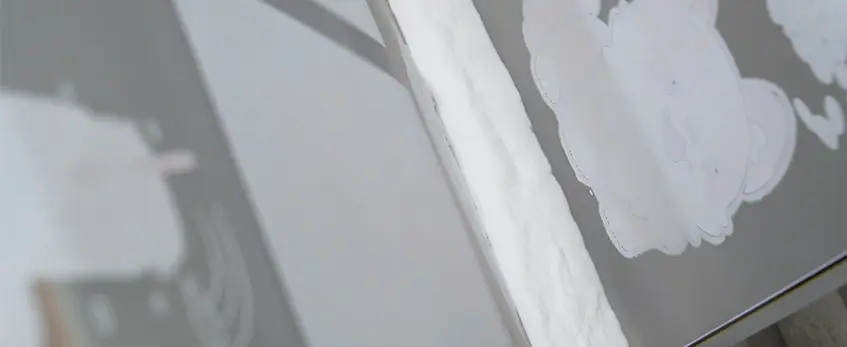
Film jams, slips, or uneven feed are common problems that can seriously affect powder application in your DTF printer with powder shaker. These issues often lead to inconsistent powder distribution, causing poor print quality or wasted materials.
Common Causes
- Dirty rollers that grip and move the film can cause slips or jams.
- Incorrect tension settings lead to loose or overly tight film feeding, which disrupts smooth powder shaking.
- Warped or low-quality film may not track well, creating feeding problems.
How to Fix Film Feeding and Tension Issues
- Clean rollers and feed paths regularly to remove dust and powder residue that cause slippage.
- Adjust tension settings to find the right balance—too tight or too loose will trigger feeding errors.
- Switch to premium PET film, like those recommended in the DTF film storage and handling tips, for better durability and consistent feeding.
Maintenance Tips
- Perform daily checks on rollers and tension systems to catch any problems early.
- Inspect film for warping or damage before printing sessions.
- Keep the feed path clean and dust-free to avoid jams and uneven feeding.
Taking these simple steps ensures your powder shaker operates smoothly, maintaining even powder application and perfect transfers every time.
Preventive Maintenance for DTF Printers and Powder Shakers
Regular maintenance is key to keeping your DTF printer with powder shaker running smoothly and avoiding common issues like uneven powder application or static buildup. Here’s a simple routine to follow:
| Maintenance Frequency | Tasks | Why It Matters |
|---|---|---|
| Daily | – Clean powder shaker and nozzles | Prevent clogs and powder waste |
| – Check film feed tension | Avoid jams and uneven powder spread | |
| Weekly | – Inspect and lubricate shaker parts | Ensure consistent vibration |
| – Verify grounding and static controls | Reduce static electricity | |
| Monthly | – Deep clean shaker chambers | Remove buildup and blockages |
| – Calibrate temperature and curing settings | Optimize powder adhesion and curing |
Environment Controls
Maintain your workspace between 40-60% humidity and stable room temperature. Dust-free areas and proper grounding help reduce static issues and powder clumping.
Benefits of Quality Equipment
Investing in reliable systems like Jinlong DTF integrated printers and shakers means better control over powder application, curing, and film feeding. Their built-in features minimize maintenance headaches and improve output consistency, saving time and costs in the long run.
By following these preventive maintenance tips and using quality equipment, you’ll reduce downtime and get the best results from your DTF printer with powder shaker.
When to Upgrade Your Equipment
Knowing when to upgrade your DTF printer with powder shaker can save you time, money, and frustration. Watch for signs like frequent powder clumping, uneven powder application despite regular maintenance, persistent static electricity issues, or repeated film feeding errors. If your curing times are inconsistent or powder waste is climbing, it might be a signal that your shaker or printer is struggling to keep up.
Upgrading to a reliable brand like jinlong DTF offers clear advantages: integrated shaker solutions reduce common problems, precise temperature controls improve curing consistency, and high-quality components lower maintenance needs. This means fewer breakdowns, smoother powder distribution, and higher overall output—critical factors for businesses aiming for consistent quality and efficiency.
By investing in jinlong DTF equipment, you also benefit from advanced features like built-in drying systems and optimized powder recirculation, helping eliminate common DTF powder shaker troubleshooting headaches. When your current setup starts holding you back, it’s smart to consider stepping up to a proven system designed for reliable, long-term performance.


 English
  Español
  Deutsch
  Français