


Common Heat Press Mistakes in DTF Printing and How to Avoid Them
If you’re diving into DTF printing, then you know that using a heat press is where your design truly comes to life. But here’s the catch: common mistakes when using a heat press for DTF can quickly turn your vibrant artwork into peeling transfers, scorched garments, or faded colors—and that’s wasted materials and lost customers. Don’t worry—it’s fixable. In this post, you’ll discover the key pitfalls to avoid and simple tweaks that guarantee strong adhesion, sharp prints, and longer-lasting results. Ready to master your DTF heat press settings and avoid costly errors? Let’s get started.
Understanding the Basics of Heat Pressing DTF Transfers
When working with DTF heat press settings, mastering four key factors is essential: temperature, time, pressure, and peel type. These elements directly affect the quality and durability of your DTF transfer.
Recommended starting settings:
- Temperature: 300-320°F (149-160°C)
- Time: 10-15 seconds
- Pressure: Medium-firm, even pressure
Keep in mind, these settings serve as a solid baseline. Variations happen because of differences in fabric types, film quality, and the specific heat press equipment you’re using. For example, polyester fabrics require lower temperatures to avoid scorching, while thicker cotton or blends may need slightly longer pressing times.
Understanding these basics helps you avoid common pitfalls and fine-tune your process for flawless DTF transfer adhesion and vibrant prints every time.
Top Common Mistakes and How to Avoid Them
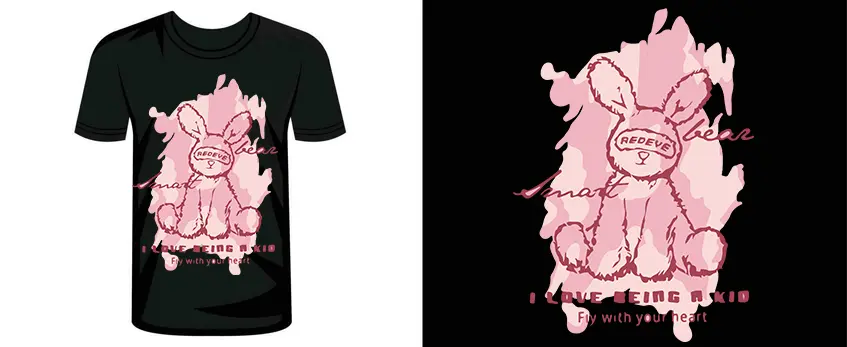
When using a heat press for DTF transfers, several common mistakes can hurt your results. Here’s how to spot and fix them:
Incorrect Temperature Settings
Too low temperature leads to poor adhesion and peeling transfers. Too high, and you risk scorch marks, burned fabric, or dull colors. Use an infrared thermometer to check your press’s actual surface heat and always run test prints before starting large batches.
Insufficient or Uneven Pressure
Weak or uneven pressure causes spotty transfers with edges lifting. Calibrate your heat press regularly, apply firm, even pressure, and make sure your platen is level to avoid patchy results.
Wrong Pressing Time
Pressing too briefly results in incomplete bonding, while pressing too long can damage fabric or cause over-curing. Stick to the recommended 10-15 seconds and increase time slightly for thicker fabrics.
Skipping Pre-Pressing the Garment
Skipping this step leaves moisture and wrinkles in the fabric, causing bubbles or weak adhesion in transfers. Always pre-press the garment for 5-10 seconds to remove moisture and smooth out any creases.
Incorrect Peeling Technique (Hot vs. Cold Peel)
Peeling the film too soon or too late can damage your print. Follow the film type’s recommended peel—most DTF transfers require a cold peel. Wait until the print is fully cool before removing.
Not Using a Protective Cover Sheet
Forgoing a cover sheet can cause ink to stick to your platen or create an unwanted shiny finish. Always use a parchment paper or Teflon sheet between the transfer and the heat press.
Ignoring Fabric-Specific Adjustments
Different fabrics need different settings. Polyester scorches easily and requires lower temperatures (280-300°F), while cotton often needs higher heat. Always test on fabric scraps first to avoid ruining garments.
Transfer Shifting During Pressing
Misaligned transfers spoil the design placement. Secure your print with heat-resistant tape to keep everything in place during pressing.
Skipping the Post-Press (Second Press)
A quick second press (5-10 seconds) with the cover sheet helps increase durability and color vibrancy. Don’t skip this important final step.
Poor Heat Press Maintenance
A dirty platen or inaccurate temperature readings cause inconsistent results. Clean your heat press regularly and verify calibration for reliable performance.
For detailed tips on heat press settings and best practices for DTF hoodies, check out this thorough DTF hoodies printing guide with heat press settings.
Troubleshooting Common DTF Pressing Problems
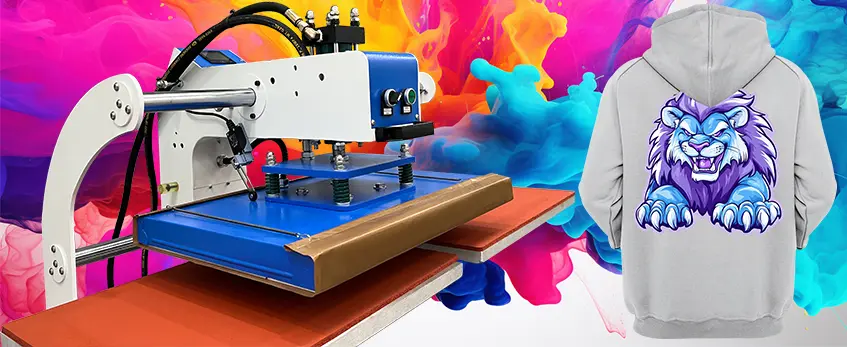
When working with DTF heat press settings, problems like peeling, poor adhesion, and scorch marks can pop up. Below is a quick-reference table to help you identify common issues, their causes, and how to fix them:
| Issue | Cause | Fix |
|---|---|---|
| Transfer peeling off | Temperature too low or peeling too early | Increase heat (300-320°F), wait for full cooling before cold peel |
| Poor adhesion | Uneven pressure or insufficient pressing time | Adjust to medium-firm pressure, extend press time slightly (up to 15 seconds) |
| Scorch marks or dull colors | Temperature too high or pressing too long | Lower heat settings, reduce pressing time |
| Wrinkles or bubbles | Skipping pre-press step | Always pre-press garment 5-10 seconds to remove moisture and wrinkles |
| Transfer shifting | Poor alignment or no securing tape used | Use heat-resistant tape to keep transfer in place |
| Ink sticking to platen | No protective cover sheet during pressing | Use parchment or Teflon sheets to protect platen |
| Faded prints after wash | Skipping post-press step | Always repress for 5-10 seconds with cover sheet for durability |
These fixes align well with best practices in DTF press settings. If you want more detailed advice on how to get the best results for your DTF transfers, check out this expert guide on how to get the most out of a DTF printer for insights on optimizing your process.
By addressing these common mistakes quickly, you\’ll reduce transfer failures and improve the longevity of your prints.
Pro Tips for Perfect DTF Heat Press Results
Getting crisp, durable DTF prints every time takes a bit of practice—here are some tips to keep your results top-notch:
Test on Scrap Fabric First
Always try your settings on a fabric scrap before pressing the final garment. This helps avoid surprises like poor adhesion or scorch marks.
Invest in a Reliable Heat Press
A quality heat press with accurate temperature and pressure controls makes a huge difference. Inconsistent heat leads to peeling or dull prints.
Follow Garment Care Instructions
Improper washing or drying can ruin your DTF transfers. Stick to recommended care guidelines to keep prints vibrant and intact.
Choose High-Quality Supplies
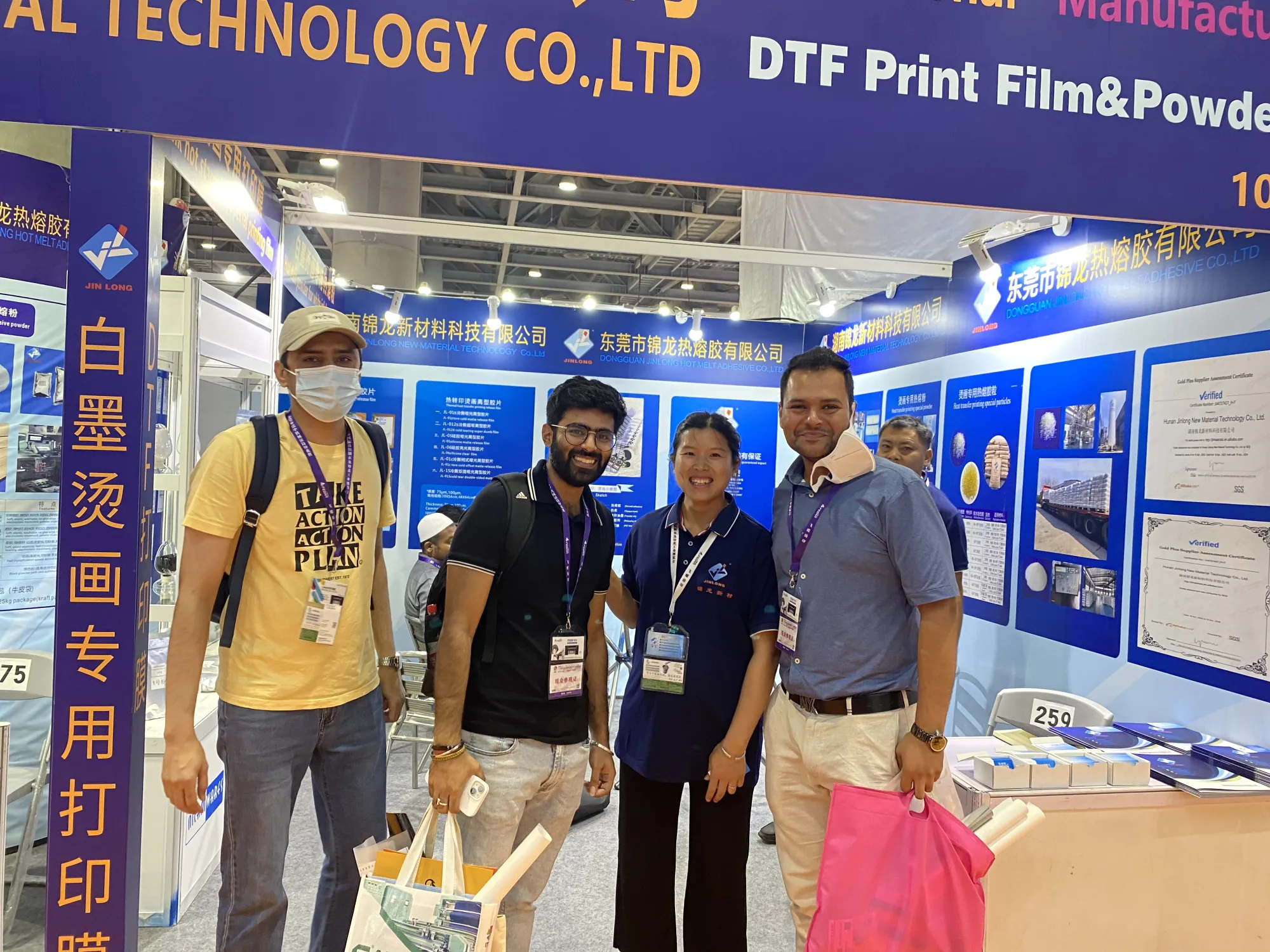
Use trusted materials like jinlong DTF for better adhesion and fewer issues during pressing.
| Tip | Why It Matters | Quick Fix |
|---|---|---|
| Test on Scrap | Prevents wasting garments | Try different temps & times |
| Reliable Heat Press | Ensures consistent temperature & pressure | Upgrade to trusted brands |
| Follow Care Instructions | Extends print life | Wash inside out, cold water |
| Use Quality Supplies | Better print quality & durability | Source from established suppliers |
By working smart with your heat press and materials, you’ll avoid common DTF transfer problems and deliver professional results every time. For more on choosing the right film and transfer sheets, check out our guide on how to choose the best film transfer paper for your printing projects.



 English
  Español
  Deutsch
  Français