


Best DTF Powder for Durable Vibrant High-Quality Transfers
What Is DTF Powder and How Does It Work?
DTF powder, also known as DTF adhesive powder or hot melt powder for DTF, is a crucial part of the direct-to-film printing process that ensures high-quality, durable transfers. Here’s a quick breakdown of how it works:
- Printing on Film: First, the design is printed directly onto a special PET film using DTF inks.
- Applying Powder: While the ink is still wet, the DTF powder is evenly sprinkled over it. This powder acts as a hot melt adhesive, bonding the ink to the fabric.
- Curing: The printed film with the powder is then cured, usually by passing it through a hot air dryer or oven, which melts and solidifies the powder.
- Heat Pressing: Finally, the cured film is heat-pressed onto the fabric, melting the powder again and permanently bonding the ink to the garment.
The DTF powder\’s main role is to act as a strong adhesive layer that fuses the ink to the fabric, delivering vibrant DTF transfers that hold up well over time. The right powder ensures the design sticks firmly without cracking, peeling, fading, or stretching—even after multiple washes. This durability is what makes DTF powder essential for creating professional, long-lasting prints on cotton, polyester, and blended fabrics.
Key Factors to Consider When Choosing DTF Powder
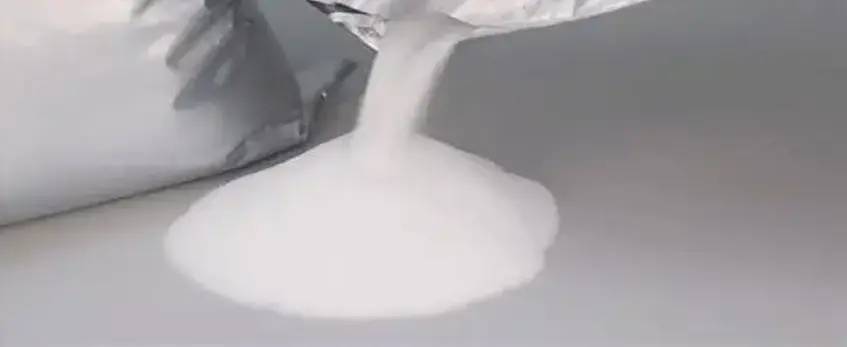
When looking for the best DTF powder for high-quality and durable transfers, several key factors come into play. First up is particle size: fine powders are great for detailed prints and a soft hand feel, medium powders strike a balance for most projects, while coarse powders work best for heavy-duty, high-wear items needing extra durability.
Next, consider the material base. TPU-based powders offer excellent elasticity, making them perfect for stretchable fabrics, while PES-based powders add rigidity and better adhesion on synthetic materials. This choice impacts both the feel and durability of your transfer.
The melting point is important too—it affects how easily the powder melts and bonds during curing. A powder that melts consistently under typical heat press temperatures ensures smooth application without cracking.
You’ll also want strong adhesion to fabric, good wash fastness to resist fading and peeling, and a comfortable hand feel after transfer—especially if you’re producing apparel for daily wear.
When choosing DTF powder, make sure it’s compatible with your fabrics, whether cotton, polyester, blends, or dark and light colors. Some powders perform better on certain material types, so matching the powder to your base fabric is key.
Lastly, pay attention to storage and moisture resistance. Quality powder resists clumping over time, especially when stored in a cool, dry place. Proper storage keeps the DTF adhesive powder fresh and easy to apply for clean, durable transfers.
For a detailed guide on top picks and powder care tips, check out this complete best DTF powder buyers guide.
Types of DTF Powder: Pros and Cons
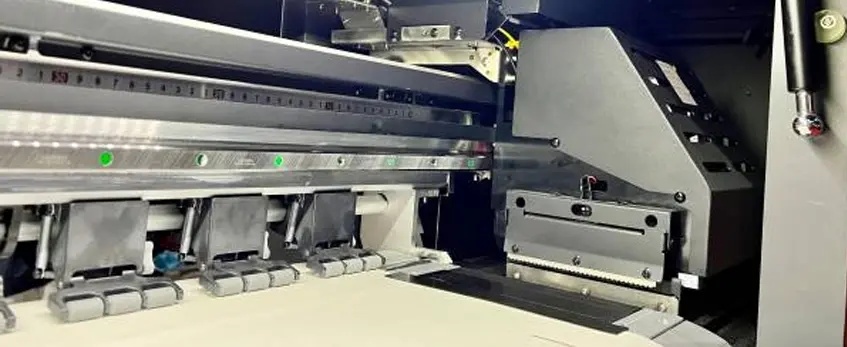
Choosing the right DTF powder is key to getting durable, vibrant transfers that match your project’s needs. Here’s a quick breakdown of the common types and their best uses:
| Powder Type | Pros | Cons | Best For |
|---|---|---|---|
| Fine Powder | Soft hand feel, great for detailed, intricate designs | Less durable on heavy wear items | Light cotton shirts, detailed prints |
| Medium Powder | Balanced softness and durability, versatile | Not as soft as fine, less tough than coarse | Most general DTF projects |
| Coarse Powder | Highest durability, great for heavy-duty wear | Rougher hand feel, less detail-friendly | Workwear, kids’ clothes, heavy use fabrics |
| White Powder | Works well on dark fabrics, gives vibrant colors | Slightly stiffer finish than clear powders | Dark garments and polyester blends |
| Black Powder | Better for light-colored fabrics, hides imperfections | Less common, can affect color vibrance | Light garments, specialty prints |
What to Consider
- Fine grain DTF powder creates soft, flexible prints perfect for detailed art or soft-feel garments but might wear down quicker.
- Medium adhesive powder strikes a good balance for everyday use, providing decent durability and hand feel.
- Coarse powder is the go-to for items needing strong, wash-resistant transfers, though it isn\’t as soft on the skin.
- White and black powders help optimize prints based on garment color, improving contrast and vibrancy.
Knowing these options helps you pick the best DTF powder for your fabric and design, ensuring transfers stand up to washing, stretching, and everyday wear. For detailed tips on powder application and curing, check out best practices on handling DTF transfer film.
Top DTF Powders for High-Quality and Durable Transfers
When it comes to choosing the best DTF powder, user feedback and performance reviews consistently highlight a few standout options. Among these, jinlong DTF powder takes the lead thanks to its exceptional adhesive qualities that ensure strong ink-to-fabric bonding across a wide range of materials. It delivers vibrant DTF transfers with superior wash resistance, so prints stay bright and intact even after multiple washes. Plus, jinlong’s formula melts consistently, offering a soft, stretchable finish that doesn\’t crack or peel, making it ideal for both cotton and polyester fabrics.
Other premium TPU-based powders offer good adhesion and durability too, but they sometimes fall short in hand feel or evenness during melting. Compared to these, jinlong DTF powder provides a perfect balance of durability and softness, which is crucial for long-lasting, high-quality transfers in everyday wear and tear.
What really sets jinlong apart is its reliability for professional transfers—its consistent melting behavior and strong DTF adhesive powder performance make it the preferred choice for businesses seeking dependable, wash-resistant DTF powder. For detailed tips on maintaining your DTF equipment and powder quality, check out this helpful DTF machines maintenance guide.
Choosing jinlong ensures you get durable DTF transfers with a soft hand feel and vibrant colors that hold up over time, keeping your prints looking fresh on all fabric types.
Application Tips for Optimal Results
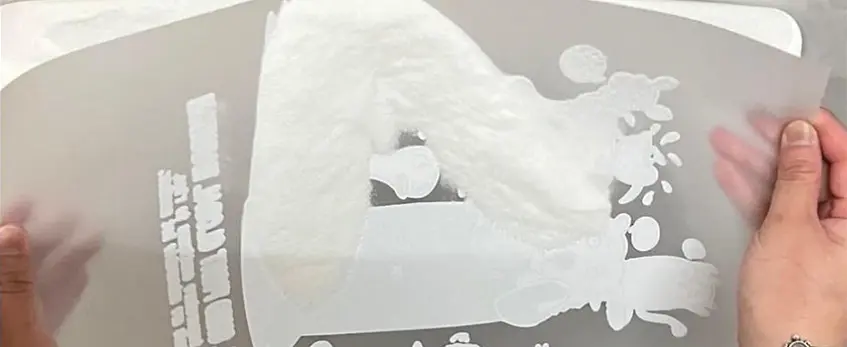
Getting the best results with your DTF powder starts with the right application and curing process. Here’s a simple step-by-step guide to help you achieve durable, vibrant transfers:
- Apply powder evenly: Use a fine sieve or shaker to distribute the DTF adhesive powder uniformly over the wet ink on the film. Uneven powder can cause weak spots or rough texture.
- Shake off excess: Gently tap off any extra powder to avoid clumps that won’t properly melt during curing.
- Curing methods: You can cure the powder either in an oven or with a heat press. An oven provides consistent, even heat—around 140-160°C (284-320°F)—for 3-5 minutes. If using a heat press, set it to a lower temperature for a longer time to avoid overheating.
- Pressing guidelines: When transferring onto fabric, press at 160-170°C (320-338°F) for about 15-20 seconds with medium pressure. Adjust timing based on fabric type if needed.
Avoid these common mistakes to keep your transfers strong and soft:
- Overpowdering: Too much powder creates a thick, stiff print with poor adhesion.
- Underpowdering: Too little powder results in weak bonding and transfers that peel or crack after washing.
- Improper heat: Too high temperature can scorch the powder; too low won’t melt it properly.
Always do a test wash after pressing to check for wash durability and adjust powder amount or pressing settings based on the specific fabric. For example, cotton may require slightly different heat settings than polyester blends.
For easy and consistent results, try using a trusted product like the Jinlong TPU DTF hot melt adhesive powder that offers a soft hand feel and strong bonding on all fabric types. Following these tips will make your DTF transfers both vibrant and long-lasting.
Maintenance and Storage Best Practices
To keep your DTF powder working at its best, store it in a cool, dry place, tightly sealed to prevent moisture from causing clumps or sticking. Moisture is the enemy of DTF adhesive powder and can ruin its effectiveness, leading to uneven transfers and poor adhesion.
Pay attention to the shelf life—most high-quality DTF powders, including premium TPU-based options like jinlong DTF powder, last about 6 to 12 months when stored properly. Signs that your powder is degrading include hardening, color changes, or a grainy texture, which all impact the quality of your transfers and wash resistance.
Regularly check your powder before use to ensure optimum performance and maximize the durability of your DTF transfers. Proper maintenance means your hot melt powder for DTF stays reliable, helping you achieve vibrant, wash-resistant prints every time. For more on how TPU powder can improve your print quality and durability, explore how TPU powder DTF is revolutionizing the printing industry.
Frequently Asked Questions about Best DTF Powder
| Question | Answer |
|---|---|
| How many washes can a good DTF transfer withstand? | Quality DTF transfers using premium DTF adhesive powders like TPU-based ones can last 30+ washes without cracking, fading, or peeling when applied correctly. |
| Is fine or medium powder better for durability? | Medium DTF adhesive powder strikes the best balance—offering strong adhesion and decent softness. Fine powder is softer but less durable, while coarse is toughest but stiffer. |
| Can the same powder work on all fabrics? | Not always. TPU DTF powder works great on cotton and polyester blends, but PES-based powders may perform better on heavy synthetics. Choose powder based on fabric type for best results. |
| Differences between budget and premium powders? | Budget powders may clump, melt unevenly, and lose adhesion after wash. Premium powders like Jinlong’s ensure consistent melting, strong bond, vibrant transfers, and long-lasting durability. |
If you\’re looking for consistent, durable results, choosing the right DTF powder is key. For more on how powder works in the DTF process, check out the DTF printer meaning explained and why it’s revolutionizing apparel printing.


 English
  Español
  Deutsch
  Français