


Best DTF Powder for Cotton Polyester and Blended Fabrics in 2026
What Is DTF Powder and Why It Matters
DTF powder, or Direct to Film powder, is a specialized hot melt adhesive used in the DTF printing process to bond printed ink firmly onto fabrics. After printing designs on a PET film, this TPU-based powder is evenly applied over the wet ink. Once heat-pressed, the powder melts and creates a durable layer that fuses the ink with the garment fibers.
Using high-quality DTF powder is crucial for a professional finish. The best powders ensure excellent wash resistance, so transfers don’t peel or fade after repeated laundering. They also provide elasticity, allowing prints to stretch with the fabric without cracking. A soft hand feel means the transfer won’t feel stiff or heavy, maintaining garment comfort. Plus, premium powders help retain vibrant colors, preventing ghosting or dull prints that degrade the look over time.
On the other hand, low-quality DTF powders often lead to issues like peeling, cracking, and ghosting—where faint shadows of the design appear after washing. These problems reduce the lifespan of your transfers and can disappoint customers looking for durable, soft-feeling prints. That’s why choosing the right washable DTF powder is essential for producing durable DTF transfers that look great and last long.
Types of DTF Powder: Breaking Down the Options
Choosing the right DTF powder is key for strong, durable transfers on your fabric. Let’s break down the main types to help you pick:
Particle Size: Fine, Medium, and Coarse
- Fine Powder: Best for smooth, detailed prints on lightweight fabrics like polyester. It melts evenly and reduces residue, ideal for powder for polyester transfers.
- Medium Powder: The most versatile, especially good for cotton and blended fabrics. Offers a good balance of adhesion and soft hand feel.
- Coarse Powder: Good for thick fabrics or heavier prints but may leave a slightly raised texture; less common today.
Material Composition: TPU, PES, and Specialty Powders
- TPU (Thermoplastic Polyurethane): The go-to for durability, elasticity, and a soft feel. TPU DTF powders work great for all fabric types and help avoid cracking or peeling.
- PES (Polyester-based powder): Sometimes used for specific polyester blends but less flexible than TPU.
- Specialty Powders: Anti-sublimation powders help prevent dye migration on polyester prints, keeping colors sharp without bleeding.
Color Variants: White, Black, and Specialty Colors
- White Powder: The most common, great for bright color retention on dark fabrics.
- Black Powder: Used for transfers that require black detailing or on dark backgrounds to maintain crisp prints.
- Specialty Colors: Occasionally available for creative effects but less widely used.
| Powder Type | Best For | Fabric Compatibility | Notes |
|---|---|---|---|
| Fine TPU | Detailed prints | 100% Polyester | Anti-sublimation option available |
| Medium TPU | General-purpose | Cotton, Blends | Best balance of softness & durability |
| Coarse TPU | Thick fabrics | Heavy cotton, denim | Less common, rougher texture |
| Specialty Powder | Dye migration control | Polyester blends | Helps with wash resistance |
Selecting the right TPU DTF powder for your fabric ensures better washability, elasticity, and color retention. For a deeper dive into DTF films and powders, check out this hot peel DTF film roll buying guide for compatibility tips.
Best DTF Powder Recommendations by Fabric Type
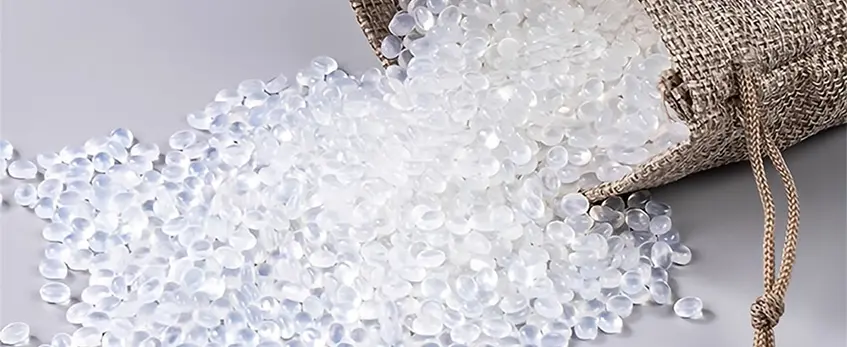
Choosing the right DTF powder is key to getting durable, vibrant transfers, whether you\’re working with cotton, polyester, or blended fabrics. Here’s a quick breakdown based on fabric type, focusing on powder grain size, material, and the standout features of jinlong DTF powders.
100% Cotton
- Needs: Good absorption, medium particle size TPU powder
- Why: Cotton fibers soak in ink differently, so a medium TPU powder balances adhesion and wash resistance without making the print stiff.
- jinlong Advantage: Their medium TPU powder offers great elasticity, soft hand feel, and excellent wash durability, perfect for cotton tees.
100% Polyester
- Challenges: Dye migration and tricky ink bonding
- Powder Type: Fine or anti-sublimation TPU powders
- Why: Fine powders improve ink bonding on polyester and prevent color bleed caused by sublimation.
- jinlong Features: Specialized TPU formulas reduce dye migration and maintain vibrant colors after many washes.
Blended Fabrics (Cotton/Polyester)
- Balance: Flexibility and durability needed
- Ideal Powder: Medium-grain TPU powder
- jinlong Benefits: Provides a strong bond that stretches with fabric without cracking, perfect for blends with mixed fiber content.
DTF Powder Comparison Table
| Fabric Type | Recommended Grain Size | TPU Type | Adhesion Strength | Wash Rating | Hand Feel | Melt Temp (°F) |
|---|---|---|---|---|---|---|
| 100% Cotton | Medium | Standard TPU | High | Excellent (50+ washes) | Soft & Elastic | 280-300 |
| 100% Polyester | Fine (Anti-sublimation) | Specialty TPU | Very High | Excellent (50+ washes) | Slightly firmer | 280-300 |
| Blended Fabrics | Medium-grain | Standard TPU | High | Very Good (40+ washes) | Balanced softness | 280-300 |
For best results, using a powder optimized for your specific fabric—like jinlong DTF powder—ensures durable DTF transfers with great washability, elasticity, and a soft hand feel. If you want tips on pairing your powder with the right inks and printers, check out why every high-volume print shop benefits from a DTF printer with shaker and oven systems.
Top Features to Look for in the Best DTF Powder
Choosing the best DTF powder means focusing on a few key features that affect your final print quality and durability. Here’s what to keep an eye on:
Even Particle Distribution
Fine and consistent powder particles ensure smooth, residue-free application. This avoids clumps or spots that can ruin the transfer’s look and feel.
High Elasticity and Stretch Recovery
Elastic DTF powder lets your prints stretch with the fabric without cracking or peeling. This is crucial for apparel like activewear or blended fabrics.
Oeko-Tex Certification for Safety
Look for powders with this certification to guarantee your transfers are skin-friendly and free from harmful substances—important for kids’ and everyday wear.
Compatibility with Hot/Cold Peel Films and Major Printers
The best DTF powders work seamlessly with both hot and cold peel processes. They also pair well with popular DTF transfer films and printers, so you get consistent results.
Value: Cost per Transfer vs Longevity
Cheaper powders may save upfront costs but often lack durability, leading to fading or peeling after a few washes. Balance price with how long the powder will keep your transfers looking sharp.
Here’s a quick comparison table for clarity:
| Feature | Why It Matters | What to Look For |
|---|---|---|
| Particle Distribution | Smooth, clean prints | Fine, consistent powder size |
| Elasticity & Stretch | Prevents cracking and peeling | High stretch recovery TPU powder |
| Safety Certifications | Skin safety and wearer comfort | Oeko-Tex or equivalent |
| Peel & Printer Compatibility | Versatile printing and transfer setup | Works with hot/cold peel & top printers |
| Cost vs Durability | Long-term value | Moderate price + high wash resistance |
For best results, pair your DTF powder with quality DTF transfer films like those in the Jinlong DTF Transfer Film range. This ensures your powder bonds effectively, offering vibrant, durable, and soft transfers on cotton, polyester, or blends.
Why jinlong DTF Powder Stands Out as the Best Choice
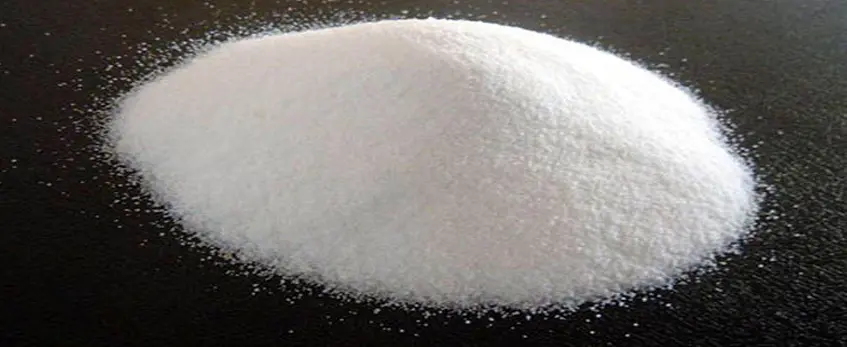
Jinlong DTF powder uses a premium TPU formulation designed to deliver excellent wash durability and a soft hand feel. This makes it perfect for creating durable DTF transfers that stay flexible and comfortable on cotton, polyester, and blended fabrics. Its consistent melting properties help prevent issues like peeling or cracking, ensuring vibrant color retention over multiple washes.
What really sets jinlong DTF powder apart is its minimal residue after pressing, which means cleaner prints and less cleanup. Real-world users report reliable performance across different fabric types, praising its elasticity and strong adhesion without sacrificing softness.
Additionally, jinlong focuses on eco-friendly, certified production processes, aligning with safety standards like Oeko-Tex. This makes it not only a high-performing powder but also a responsible choice for businesses looking for washable DTF powder that meets both quality and environmental expectations.
For more details on how TPU powders are changing the printing industry, check out this in-depth guide on how TPU powder DTF is revolutionizing the printing industry.
Application Tips for Perfect Results
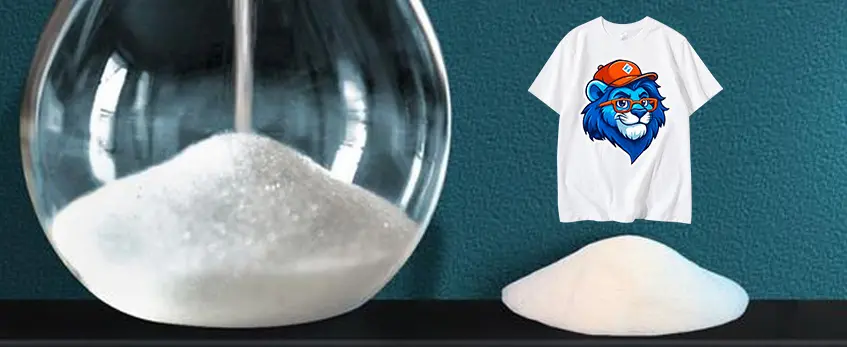
Getting the best out of your DTF powder application requires a clean, consistent process tailored to your fabric type. Here’s a simple step-by-step guide to nail your powder application and heat press settings:
Step-by-Step Powder Application Process
- Print your design on the PET film using quality DTF inks.
- Immediately apply DTF powder evenly across the wet ink, using a powder shaker or sifter for fine distribution.
- Shake off excess powder once coated, ensuring no clumps or residue remain—this prevents ghosting and uneven bonds.
- Cure the powder with a heat press or conveyor dryer at a low temperature (around 140-150°C) briefly to tack the powder without melting it fully.
Fabric-Specific Heat Press Settings
- 100% Cotton: Press at 330-350°F for 15-20 seconds with medium pressure for optimal adhesion and soft hand feel.
- 100% Polyester: Use lower temperatures around 300-320°F for 10-15 seconds to avoid dye migration, plus gentle pressure.
- Blended Fabrics: Aim for 320-335°F with 15 seconds and medium pressure, balancing durability and flexibility.
Troubleshooting Common Problems
- Peeling or cracking: Check if powder was evenly applied and fully cured. Adjust pressure or time during heat press.
- Ghosting (blurred images): Reduce powder amount or ensure excess powder is removed before curing.
- Sticky transfer: Lower pressing temperature or reduce pressing time to prevent melting residue.
- Poor adhesion: Make sure fabric surface is clean; increase heat or press time slightly.
Storage and Handling Best Practices
- Store DTF powder in a dry, cool place away from moisture to keep it clump-free.
- Keep powder sealed tightly to avoid contamination.
- Regularly clean your powder applicator to maintain even distribution.
- Use powder within shelf life limits for consistent performance.
Following these steps ensures you get durable, vibrant, and soft transfers every time, especially when using premium powders like TPU-based options optimized for cotton, polyester, and blends. For more detailed guidance on the printing process, check out our breakdown on what is DTF shirt printing for small businesses.
Testing and Maintenance: Ensuring Long-Term Success
To get the most out of your DTF powder transfers, regular testing and proper maintenance are key. Start with simple wash and stretch tests to check the durability of your prints. Wash the printed fabric on a gentle cycle with cold water, and stretch it in different directions to see if the ink or powder cracks, peels, or fades. If you notice any signs of wear like cracking or ghosting, it’s time to consider replacing the powder or adjusting your application process.
Keep an eye out for these signs that your DTF powder needs replacement:
- Powder clumps or uneven application during transfer
- Noticeable loss of adhesion or stiffness after washing
- Color fading or dullness in the print area
Pairing your powder with high-quality DTF inks and films is essential for lasting results. Using premium TPU DTF powder, such as those optimized by Jinlong, ensures consistent melting, strong bonding, and vibrant color retention across cotton, polyester, and blended fabrics. For best results, check compatibility with your DTF transfer film and printer specs to avoid issues with adhesion or color migration. This careful pairing guarantees durable, washable DTF powder transfers that perform well wash after wash.
For a deeper dive into boosting your DTF printing setup, consider exploring the complete guide for starting a custom apparel business with DTF ink printers.


 English
  Español
  Deutsch
  Français