



A3 DTF Transfer Film Storage Tips for Optimal Quality and Durability
Understanding A3 DTF Transfer Film
DTF PET film is a specialized polyester material used in Direct-to-Film (DTF) printing. It features a coated surface designed to hold vibrant inks and a special adhesive layer that melts onto fabric when heat pressed. The A3 size (11.7\” x 16.5\”) is popular because it strikes a perfect balance—large enough for most custom apparel designs while fitting standard DTF printers and presses comfortably.
Here’s a quick breakdown:
| Film Type | Description | Common Uses |
|---|---|---|
| Unprinted Film | Clear sheets or rolls without ink | Storage before printing |
| Printed Transfers | Film with completed designs on top | Ready to press on garments |
| Rolls vs. Sheets | Rolls for continuous printing | Sheets for small batch or one-offs |
Environmental factors play a crucial role in preserving jinlong DTF film quality. Exposure to high humidity or temperature swings can affect the coating and adhesive, leading to issues like curling, reduced tackiness, or fading colors. Keeping your jinlong DTF film in stable conditions protects these coatings, ensuring consistent adhesion and sharp prints every time.
Ideal Storage Conditions for A3 DTF Film
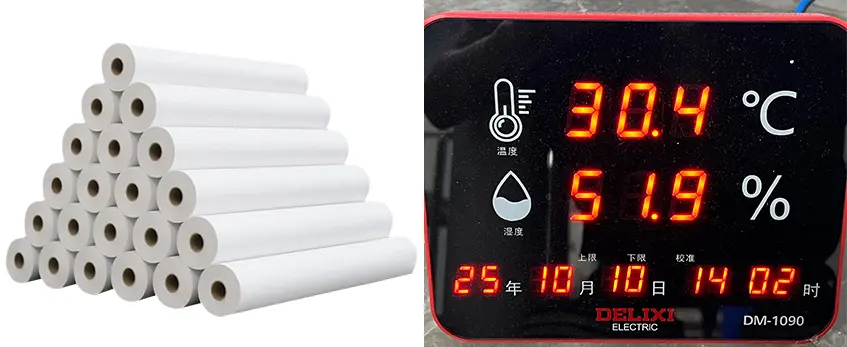
To get the best results with A3 DTF transfer film, storing it right is crucial. The ideal temperature to keep your DTF PET film is between 18–25°C (65–77°F). Staying within this range helps maintain the film’s adhesive quality and coating integrity. Along with temperature, humidity plays a big role—aim for around 40–60% relative humidity. Too much moisture can cause the film to curl or the adhesive to weaken, while too little can make it brittle.
Protect your A3 DTF sheets from direct light and dust, which can ruin the transfer surface or affect print quality. Avoid places with heavy temperature swings or high exposure to sunlight. The best storage spots are climate-controlled indoor spaces like dedicated rooms or storage areas with stable conditions.
Steer clear of garages, attics, or basements where temperature and humidity levels often shift drastically. For detailed guidance on maintaining your film’s quality, check out expert tips on how to choose the best film for printing projects to match your storage needs.
Best Practices for Storing Unprinted A3 DTF Film
To keep your unprinted A3 DTF film in top shape, always keep it in the original packaging until you’re ready to use it. This packaging is designed to protect the film from dust, moisture, and light, which can all damage the delicate DTF PET film surface.
When storing A3 DTF sheets, lay them flat to avoid bending or warping. For A3 DTF roll storage, stand rolls vertically to maintain their shape and prevent creasing. Using sealed containers or plastic bags filled with silica gel packets is a smart move to control moisture and keep the adhesive coating stable.
Under ideal conditions (18–25°C and 40–60% humidity), jinlong DTF film’s shelf life can last several months without losing quality. Keeping your DTF transfer film clean and dry will help prevent issues like curling and adhesive failure, ensuring you get the best prints every time.
For more on maintaining great prints, check out tips on reducing your DTF printing cost without sacrificing quality.
Storing Printed A3 DTF Transfers
Before storing your printed A3 DTF transfers, always let them cool completely to avoid moisture buildup. Lay each transfer flat and use protective interleaving like parchment or kraft paper between sheets to prevent sticking and scratches. For best moisture protection, seal your transfers in airtight bags or containers with desiccant packets, such as silica gel, to control humidity and keep the adhesive stable.
Stay organized by labeling each package clearly with the printing date, design type, and whether it’s a hot or cold peel transfer. This helps you quickly identify and use transfers efficiently while maintaining the quality of your DTF film. Proper storage ensures your printed transfers stay fresh and ready to apply whenever you need them.
Proper Handling Techniques to Avoid Common Issues
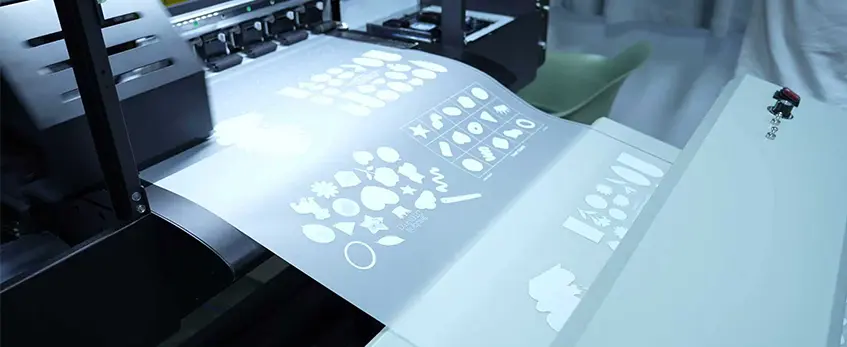
Handling A3 DTF transfer film correctly is key to preserving its quality and getting the best print results. Always handle the DTF PET sheets by the edges only to avoid fingerprints or oils affecting the adhesive or coating. Use clean, dry hands or better yet, wear gloves to keep the film surface pristine.
Avoid bending, folding, or scratching the coating since this can damage the delicate adhesive layer and cause printing defects or peeling later. Before printing, acclimate the film to room temperature—this helps prevent moisture condensation that can affect transfer quality.
Keep your workspace clean and free of dust, as particles can stick to the DTF film and ruin prints. Additionally, minimize static buildup around your work area to stop dust attraction and film curling issues. Taking these simple steps helps maintain the integrity of your jinlong DTF film and ensures consistent, reliable results every time.
Common Mistakes and Troubleshooting
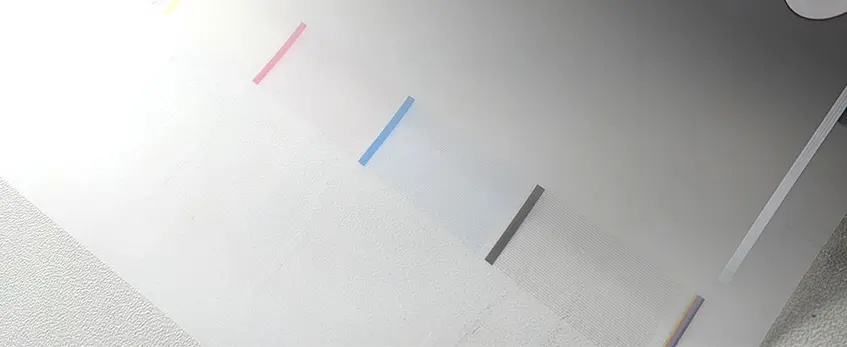
Improper storage can cause several issues with A3 DTF transfer film. Watch out for signs like curling edges, fading colors, and sticky adhesive surfaces, which usually indicate moisture problems or exposure to heat. These problems often happen when the DTF PET film storage conditions aren’t ideal, such as high humidity or temperature fluctuations.
If your jinlong DTF film shows minor curling, try placing it between heavy flat items or warming it gently at room temperature, then flattening it out. For sticky adhesive, let the film air out in a dry, clean spot before using. Avoid forcing the film to straighten or using heat sources that are too hot, as this can worsen the damage.
When discoloration, persistent stickiness, or severe warping happen, it’s best to discard the affected sheet or roll. Using compromised jinlong DTF supplies risks poor transfer quality and inconsistent results, which can cost more time and materials in the long run.
For tips on preventing these issues, pay close attention to DTF transfer humidity control and proper DTF film temperature guidelines during storage and handling. Keeping your inventory in good shape ensures you get the best prints every time. For more on preserving your film’s adhesive quality, check out our guide on hot-melt adhesive powders for DTF printing.
Advanced Tips for Long-Term Success with A3 DTF Transfer Film
To get the best out of your jinlong DTF film and ensure consistent results over time, consider these advanced storage and handling tips:
Use Monitoring Tools
- Hygrometer: Keep track of humidity levels to maintain the ideal 40–60% range for DTF PET film storage.
- Thermometer: Monitor temperature closely, aiming for 65–77°F (18–25°C) to prevent film curling or adhesive breakdown.
Practice Inventory Management
- FIFO Rotation: Use the “first in, first out” method for managing A3 DTF sheets and rolls. This helps avoid expired stock and maintains transfer quality.
- Label Dates: Clearly mark the date of receipt and printing type (hot peel or cold peel) on your stored transfers for quick reference.
Benefits of jinlong DTF Film
- Designed to hold up well under standard US climate variations when stored properly.
- Consistent coating and adhesive make it ideal for high-volume custom apparel printing without frequent quality drops.
- Superior resistance to moisture fluctuations and dust helps prevent curling and fading.
| Tip | Purpose | Benefit |
|---|---|---|
| Hygrometer & Thermometer | Environmental monitoring | Keeps film in optimal condition |
| FIFO Inventory Rotation | Stock freshness | Avoids adhesive failure and color shifts |
| Labeling Transfers | Easy identification | Speeds up workflow and reduces mistakes |
| Use jinlong DTF Film | Reliable material choice | Ensures durability and vibrant prints |
Implementing these best practices supports your investment in Jinlong DTF supplies and ensures you get top-notch prints every time. For more tips on maximizing your materials, check out our guide on the best DTF film of 2026.



 English
  Español
  Deutsch
  Français