


A3 DTF Transfer Film Guide Types Coatings and Uses Explained
Understanding A3 DTF Transfer Film
If you\’re diving into direct to film printing, understanding A3 DTF transfer film is a great starting point. This film is specially designed for creating vibrant, durable designs on fabric using your DTF printer. It’s based on a PET film base that provides excellent stability and smooth printing surfaces, ensuring sharp, long-lasting prints every time.
Dimensions: A3 vs. A4 and Rolls
When choosing DTF transfer film, size matters. The A3 format measures 11.7 x 16.5 inches (297 x 420 mm), giving you more printing space than the standard A4 (8.3 x 11.7 inches). Compared to rolls, A3 sheets offer better control for smaller projects, less waste, and easier handling.
| Format | Dimensions (inches) | Best For |
|---|---|---|
| A3 Sheets | 11.7 x 16.5 | Medium-size designs, bulk jobs |
| A4 Sheets | 8.3 x 11.7 | Small designs, detailed prints |
| Rolls | Variable (wide lengths) | Large-format printing, continuous prints |
Material Basics: PET Base and Stability
At its core, A3 DTF film uses a PET (polyethylene terephthalate) base. This material offers:
- High dimensional stability: It won’t stretch or warp during printing or heat pressing.
- Smooth surface: Ideal for sharp, vibrant DTF prints.
- Heat resistance: Handles heat press temperatures without damage.
- Compatibility: Works seamlessly with most DTF printers and ink sets.
How A3 Size Enhances Workflow
Choosing A3 size for your DTF transfers can boost your workflow by:
- Balancing size and efficiency: Larger than A4, reducing the need to piece designs or print multiple sheets.
- Reducing waste: Unlike rolls, you only print what you need.
- Simplifying handling: Easy to load and manage sheets—perfect for both beginners and pros.
- Flexible project range: Ideal for custom t-shirt transfers, hoodies, and bags.
By understanding these fundamentals, you’re set to pick the right A3 DTF transfer film that fits your printing needs and keeps your workflow smooth and productive.
Key Components and Structure of A3 DTF Transfer Film

DTF transfer film A3 sheets are made of multiple layers, each playing a crucial role in the printing process and final durability. Understanding these layers helps you choose the right film and get the best print quality.
| Layer | Function | Impact on Transfer |
|---|---|---|
| PET Base Film | Provides a stable, transparent base | Ensures smooth printing and handling |
| Ink-Receptive Coating | Holds and grips the printed ink | Delivers vibrant colors and sharp detail |
| Release Coating | Allows easy peeling after heat pressing | Prevents residue, ensures clean transfer |
PET Base Film: Stability Is Key
The PET (Polyethylene Terephthalate) film acts as the sturdy foundation. It keeps the film stable during printing and heat pressing, avoiding any unwanted stretching or warping. This stability is crucial for sharp, accurate prints, especially when using A3 size sheets.
Ink-Receptive Coating: Color and Detail
This special layer is designed to hold the powdered adhesive and ink. The quality of this ink-receptive coating directly affects the vibrancy and detail of your custom t-shirt transfers. A high-quality coating results in bright, vivid images with clear edges.
Release Coating: Clean Peeling Every Time
After printing and curing, the release coating ensures you can peel off the transfer film smoothly, without leaving behind sticky residue or damaging the design. This is essential for maintaining print integrity and ease of use, especially with hot peel or cold peel DTF film types.
Thickness: Balancing Durability and Flexibility
The thickness of the DTF transfer film affects how well it handles heat and pressure. Too thin, and the film might tear or warp; too thick, and the print can feel heavy or stiff. Optimal thickness ensures transfers that last and feel soft on the garment.
Anti-Static and Protective Features
Many A3 DTF transfer films include anti-static coatings to stop dust and debris from sticking during printing. Protective layers also shield the film from scratches and environmental damage before printing, helping maintain consistent quality with every sheet.
For more details on how these layers impact your printing results and tips for best practices, check out our guide on best practices for printing and testing a DTF color chart.
Types of A3 DTF Transfer Film
When it comes to A3 DTF transfer film, understanding the types helps you pick the right one for your project. Let’s break down the main varieties by peel type, finish, and special effects, plus the choice between sheets and rolls.
Peel Types: Hot Peel, Cold Peel, Warm/Instant Peel
- Hot Peel: Peel the film immediately after heat pressing while it’s still hot. This method delivers sharp details and good adhesion but requires precise timing and heat settings. Hot peel films work great for cotton and polyester blends.
- Cold Peel: Let the transfer cool completely before peeling. Cold peel offers smoother edges and less chance of ghosting but needs longer press times. It’s ideal for delicate fabrics or complex designs.
- Warm/Instant Peel: Allows peeling when the film is slightly warm, offering a balance between hot and cold peel benefits—easy to work with and reliable in adhesion.
Each peel type has pros and cons depending on your fabric type, design, and equipment setup.
Finish Types: Matte vs. Glossy
- Matte Finish DTF Film provides a smooth, non-shiny surface that’s popular for understated, classic looks. It hides fabric texture well and reduces glare.
- Glossy DTF Sheets give prints a vibrant, shiny appearance that really makes colors pop. They work best on bold designs and darker garments.
Choosing between matte and glossy boils down to your design style and the garment you’re printing on.
Specialized Variants
For custom effects, A3 DTF transfer films come in several specialized types:
- Glitter: Adds sparkling highlights, perfect for trendy tees and accessories.
- Metallic: Offers shiny, reflective finishes that stand out in logos and graphics.
- Glow-in-the-Dark: Charges under light and glows in darkness—great for kids’ clothing or event wear.
- Holographic: Changes colors with the angle of light, ideal for eye-catching, futuristic designs.
These specialty films expand your creative options but usually require specific powder adhesion and printing settings.
Sheets vs. Rolls in A3 Format
- A3 Sheets are perfect for small runs and sample prints. They offer easy handling and reduce waste for lower volume jobs.
- A3 Rolls provide continuous lengths, ideal for larger projects or businesses needing volume and efficiency. Rolls often save costs and speed up workflow when combined with compatible printers.
Understanding these differences helps you choose the best format for your needs and maximizes printer compatibility. For more insights on picking the right printer and materials, check out our guide on how to choose the best DTF ink printer for vibrant and durable prints.
By matching the peel type, finish, and format, you can get the most out of your A3 DTF transfer film for vibrant, durable prints that suit any project.
Coatings Explained: The Heart of Performance

The coatings on A3 DTF transfer film are critical—they determine how well your prints come out and how durable they stay over time.
Ink-Receptive Coating: Impact on Color and Detail
This layer soaks up the ink from your printer and keeps colors vibrant and sharp. A high-quality ink-receptive coating ensures crisp designs with rich details, especially important for complex or colorful projects. Without it, prints can look dull or faded quickly.
Release Coating: Clean Peeling Without Residue
The release coating acts like a non-stick surface. It allows you to peel the film cleanly after heat pressing—whether you’re working with hot peel or cold peel DTF film—without leaving any sticky residue on your garment. This smooth release preserves the print\’s sharpness and prolongs transfer film usability.
Premium vs. Standard Coatings: Powder Adhesion and Durability
Premium coatings offer better powder adhesion, which is essential for strong bonding during heat press transfers. They also improve wash durability and overall softness. Standard coatings work fine for less-demanding projects but may result in weaker adhesion or prints that wear out faster.
Identifying High-Quality Coatings
Look for films that promise consistent powder adhesion and even release. A3 DTF transfer film with well-balanced coatings usually comes from trusted brands and often highlights features like vibrant DTF prints or wash durable DTF film. For a balance of quality and cost, check out options that pair premium coatings with bulk buying strategies, as detailed in this DTF printing cost in bulk guide.
Choosing the right coating can make all the difference for your workflow and finished products—whether you\’re printing custom t-shirt transfers or tackling large graphics.
Applications of A3 DTF Transfer Film
A3 DTF transfer film works great on a wide range of fabrics, making it a versatile choice for many projects. It\’s ideal for cotton, polyester, fabric blends, nylon, and even leather. This flexibility means you can confidently print on everything from everyday casual wear to specialty items.
Common projects using A3 DTF sheets include custom t-shirts, hoodies, tote bags, hats, and even large-scale graphics for promotional or fashion purposes. The size fits perfectly for medium to large prints, giving you plenty of room to create vibrant, detailed designs.
One major advantage of A3 DTF transfer film is its performance on both dark and light garments. It offers bright, vibrant colors on light fabrics and sharp, opaque prints on dark ones, thanks to the high-quality ink-receptive coating and reliable DTF powder adhesion.
Whether you\’re running a small home setup or a commercial print shop, A3 DTF film fits well. For home users, it’s easy to handle and perfect for on-demand, custom apparel. Commercial users benefit from its consistent print quality and durability for volume production.
For those starting out or scaling up, check out this DTF printing machine guide for beginners to see how A3 DTF sheets fit into efficient production workflows.
How to Choose the Right A3 DTF Transfer Film
Selecting the perfect A3 DTF transfer film comes down to a few key factors. Here’s what you should consider before making a choice:
| Factor | What to Check |
|---|---|
| Printer Compatibility | Make sure the film matches your A3 DTF printer model and ink type for smooth printing. |
| Design Complexity | Detailed designs need films with excellent color vibrancy and sharpness, like high-quality ink-receptive coatings. |
| Volume of Production | For larger batches, rolls might be more cost-effective than sheets. Smaller runs and test prints favor sheets. |
Matching Film Type to Your Project
- Hot Peel DTF Film: Best for quick production and simple designs. Ideal for cotton and polyester.
- Cold Peel Transfer Film: Offers better wash durability and works great on darker fabrics but needs more curing time.
- Finish Options: Matte films reduce glare, perfect for subtle looks; glossy films enhance colors and details for eye-catching prints.
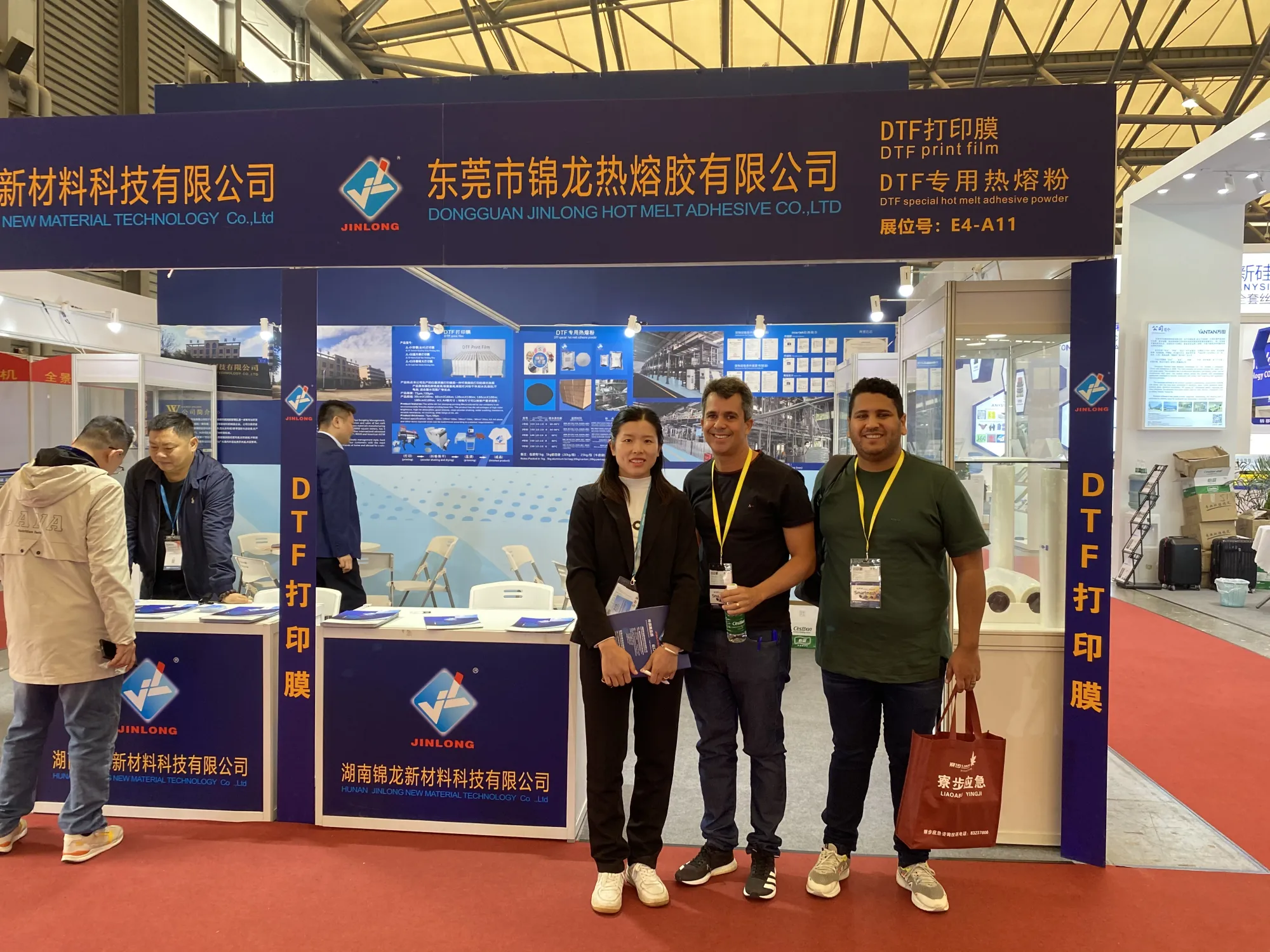
Why jinlong DTF Stands Out
When it comes to sourcing your A3 DTF transfer film, jinlong DTF offers premium quality that fits a wide range of needs. Their films are known for:
- Consistent DTF powder adhesion for vibrant, durable prints.
- Optimal thickness for sharp detail and reliable transfers.
- Multiple coating options tailored to different fabrics and peeling preferences.
For efficient production, check out their DTF printer shaker and oven solutions which pair perfectly with their films, ensuring smooth workflow and high print quality.
Choosing the right film with jinlong means better print results, fewer headaches, and a versatile solution you can rely on for all your custom t-shirt transfers and apparel projects.
Step-by-Step Guide to Using A3 DTF Transfer Film
Using A3 DTF transfer film is straightforward once you know the key steps. Here’s a quick breakdown to get vibrant, durable prints every time:
1. Printing
Start by printing your design onto the PET film for DTF using a compatible A3 DTF printer. Choose the right ink and make sure your settings match the film specifications for crisp, colorful results. For beginners, check out the tips in our A3 DTF printer guide to optimize your setup.
2. Powder Application
After printing, apply DTF powder evenly to the wet ink side of the film. This powder helps the print stick during transfer and enhances wash durability. Be careful to shake off excess powder, or it might cause clumping and affect the transfer’s quality.
3. Curing
Next, heat cure the powder-coated prints using a curing machine or heat press at recommended temperatures. This step solidifies the powder, ensuring it properly bonds with the ink and fabric later. Avoid overheating, which can cause powder melting or film damage.
4. Heat Pressing
Place the transfer on your garment and use a heat press for the final transfer. Pressing times and temperatures vary depending on fabric type and peel method (hot peel vs. cold peel). Verify your film’s peel instructions for the best results.
Common Mistakes to Avoid
- Applying too much powder, leading to rough or uneven transfers.
- Skipping curing or under-curing powder, causing poor adhesion.
- Using incorrect heat press settings, which may damage the print or fabric.
- Peeling the film too early or late, ruining the transfer finish.
Storage and Handling Tips
- Store A3 DTF transfer film in a cool, dry place away from direct sunlight.
- Keep films flat or rolled loosely to prevent creases or damage.
- Avoid touching the coated side to maintain print receptiveness and powder adhesion.
- Use within the recommended shelf life for the best performance.
By carefully following these steps and tips, you’ll get soft, vibrant, and long-lasting prints on your custom apparel projects with A3 DTF transfer film.
Benefits and Advantages of A3 DTF Printing
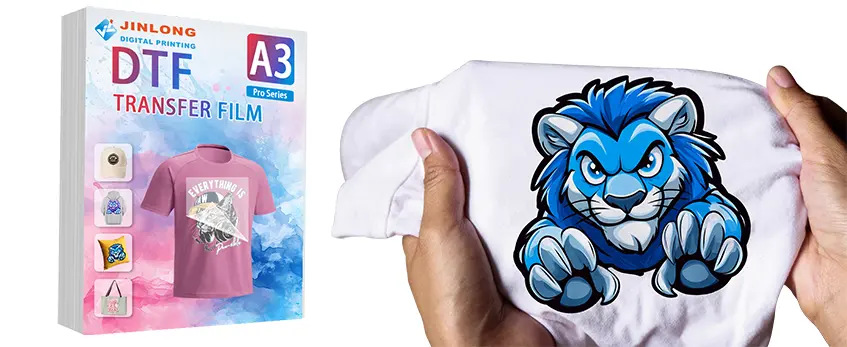
A3 DTF printing offers vibrant colors that pop with sharp details, making your designs stand out on any fabric. The prints have a soft hand feel, meaning the transferred image won’t feel stiff or heavy on the fabric—perfect for comfortable wear. Plus, these prints are known for excellent washfastness, holding up well through repeated washes without cracking or fading.
Key Benefits at a Glance
| Advantage | Details |
|---|---|
| Vibrant Colors | Bright, sharp, and true-to-design hues |
| Soft Hand Feel | Lightweight, flexible prints that feel natural |
| Washfastness | Durable prints that last through many washes |
| Cost-Effective | Efficient use of materials, less waste |
| Versatility | Works on cotton, polyester, blends, and more |
| Eco-Friendly | On-demand printing reduces overproduction |
A3 DTF printing is not only a cost-effective solution for businesses and hobbyists but also highly versatile, able to print on a wide range of fabrics such as cotton, polyester, nylon, and even leather. This flexibility means you can create customized pieces for everything from T-shirts and hoodies to tote bags and hats.
Lastly, the process supports eco-friendly production methods. Since you’re printing only the transfers you need, it helps cut down on waste and inventory. This on-demand aspect fits well with today’s push toward sustainability in apparel decorating.
For those starting out or scaling up, A3 DTF transfers provide a reliable, vibrant, and eco-conscious way to bring your custom designs to life with ease.
Frequently Asked Questions About A3 DTF Transfer Film
A3 vs. A4: Which Size is Better?
Choosing between A3 and A4 DTF transfer film sheets depends on your printing needs. A3 offers more surface area, which means you can print larger or multiple designs in one go, improving workflow and saving time. A4 is more compact and usually better for small runs or detailed, smaller prints. For commercial or high-volume projects, A3 sheets provide greater efficiency, especially when paired with compatible A3 DTF printers.
How Long Do Transfers Last?
With quality A3 DTF transfer film, properly pressed and cured transfers can last through dozens of washes without cracking or fading. The durability depends on factors like the film’s thickness, powder adhesion, and heat press settings. High-grade DTF films, such as those featuring premium coatings, ensure vibrant DTF prints and strong washfastness, making them perfect for both cotton and polyester garments.
Compatibility with Converted Printers
A3 DTF transfer film generally works well with converted printer setups designed for direct to film printing. However, it’s essential to check your printer’s compatible sheet size and ink system before purchasing. Using films like those from jinlong DTF’s range ensures better results thanks to their specifically designed PET film for DTF and optimized coating layers.
Troubleshooting Blurry Prints or Poor Adhesion
If your prints appear blurry or the transfer doesn’t stick properly, consider these tips:
- Check that your printer settings match the film type and size (A3 DTF printer compatibility matters).
- Ensure powder adhesion is even and fully cured before pressing.
- Adjust heat press temperature, pressure, and time according to the specific DTF film instructions.
- Use high-quality release coatings to prevent residue and peeling issues.
For more detailed guidance, exploring trusted products like the best DTF film of 2026 can make a big difference in print clarity and adhesion quality.


 English
  Español
  Deutsch
  Français