
No products in the cart.

Jinlong
Is DTF Printing Still Profitable in 2026 Comprehensive ROI Insights
The State of DTF in 2026
Direct to Film (DTF) printing has evolved significantly by 2026. What once was a hyped, emerging technology has now become a standard choice within the textile printing market. After years of rapid growth, the industry has reached a point of stabilization. This means fewer surprises and more predictable business outcomes, making commercial DTF printer ROI easier to plan and assess.
In today\’s competitive landscape, the big question remains: Is DTF printing still profitable? The answer is yes, but profitability depends largely on efficiency, cost control, and market positioning. With increasing competition from alternatives like screen printing and DTG, businesses need to leverage industrial-grade equipment to maintain strong profit margins.
This is where Jinlong DTF’s industrial-grade efficiency makes a difference. Recognized for reliability and consistent output, Jinlong printers deliver lower cost per square foot DTF printing and reduced downtime—key factors driving direct to film profit margins in 2026. For operators looking to scale or maintain high-volume apparel decoration, Jinlong’s robust machines offer a dependable foundation. They help businesses maximize ROI while navigating the stabilized yet competitive textile printing market trends of 2026.
The Economics of DTF: Cost Breakdown & Margins
Understanding the true cost behind DTF printing is key to gauging profitability in 2026. The per-print cost mainly comes from consumables like PET film, hot melt powder, and ink. These materials typically make up the biggest chunk of expenses, with PET film and powder being pricier for high-quality outputs. Overhead costs such as electricity, labor, and equipment depreciation also factor into the total cost, though they vary widely depending on your setup and location.
Profit margins shift depending on order size. Single custom T-shirts tend to have slimmer margins due to higher per-unit costs, while bulk orders or gang sheets significantly reduce the cost per print by spreading expenses across many items. For example, gang sheet printing can optimize ink and powder use, improving your bottom line when handling wholesale custom gang sheets.
In terms of ROI, commercial setups generally break even faster because of higher volume capabilities and lower per-print costs. Desktop printers take longer to recover their initial investment but can still be profitable for smaller-scale or custom work. To understand more about cost factors and setup expenses, check out our breakdown of best DTF printers for beginners in 2026, including setup cost and performance.
Balancing consumable costs with operational efficiency is how most businesses keep DTF profit margins healthy and sustain growth in today’s competitive textile printing market.
Market Trends Driving Profitability in 2026
Several market trends are boosting DTF printing profitability this year, making it a smart choice for small and medium print shops.
The Rise of Gang Sheet Services as Secondary Revenue
Offering wholesale custom gang sheets is becoming a popular way to increase revenue. Gang sheets let you print multiple designs on one large transfer, cutting cost per print and saving time. Many businesses are adding gang sheet services to capture bulk orders, which improves overall margins and workload balance.
Fabric Versatility Advantages Over DTG
DTF stands out because it works well on a variety of fabrics beyond cotton, including:
- Nylon
- Polyester
- Blended fabrics (poly-cotton, tri-blends)
This flexibility means you can take on diverse orders that DTG printers might struggle with. If your local clients need nylon sportswear, polyester bags, or blended fabrics printed, DTF covers all these with strong adhesion and vibrant colors.
Eco-Compliance Benefits: Oeko-Tex Standards & Eco-Conscious Buyers
Eco-conscious customers are increasingly demanding sustainable solutions. DTF inks and consumables that meet Oeko-Tex standards give your business a green edge. These eco-friendly aspects attract health- and environment-aware buyers, helping you tap into a growing market segment focused on safer, non-toxic apparel options.
| Market Trend | Impact on Profitability |
|---|---|
| Gang Sheet Services | Reduced cost per print, higher bulk sales |
| Fabric Versatility | Access to diversified orders outside cotton |
| Eco-Compliance (Oeko-Tex) | Appeal to green-minded customers, premium rates |
For businesses exploring these trends, high-quality consumables like Jinlong DTF transfer films help maintain print consistency and eco-compliance, ensuring the best ROI in 2026’s competitive textile printing market.
DTF vs. The Alternatives: 2026 Financial Comparison
When looking at DTF printing profitability in 2026, it’s key to understand how it stacks up against other popular methods like screen printing, DTG, and white toner printing. Here’s a quick breakdown of costs, efficiency, and where each shines financially.
| Printing Method | Best Volume Range | Cost per Print | Key Advantages | Drawbacks |
|---|---|---|---|---|
| DTF Printing | 1–100 units (single/custom) | $3–5 per shirt | Low setup, fast turnaround, versatile fabrics | Consumables cost can add up |
| Screen Printing | 50+ units (bulk runs) | $1–3 per shirt | Lowest cost per unit at high volume | High setup time, less flexible |
| DTG Printing | 1–50 units (detailed prints) | $4–7 per shirt | No pretreatment needed, soft prints | Slower, higher maintenance |
| White Toner | 1–50 units (specialty items) | $5–8 per print | Strong durability, sharp colors | Higher cost, slower speed |
DTF vs. Screen Printing
For smaller batches under 50–100 shirts, DTF offers faster setup and better cost control. Screen printing comes in cheaper but only after you hit larger quantities where the setup cost spreads out. DTF excels when you want custom or mixed orders without heavy overhead.
DTF vs. DTG
DTF printing requires minimal pretreatment and delivers quicker speed-to-market. DTG, while offering softer prints, involves more maintenance and can slow down production on larger runs, impacting your commercial DTF printer ROI.
DTF vs. White Toner
White toner printing is impressive for sharp, durable results but tends to have a higher cost per print. DTF balances quality and cost, especially when running multiple prints with eco-friendly inks and consumables optimized for value, like those found in Jinlong’s lineup.
For those interested in reducing cost and improving efficiency, exploring a high-quality DTF hot melt adhesive powder and consumables can significantly impact profit margins.
In 2026, choosing DTF over the alternatives can boost profitability for small-to-medium runs, thanks to its flexibility, faster turnaround, and manageable costs.
Hidden Profit Killers and How to Avoid Them
Even with strong profit margins, hidden costs can quietly drain your DTF printing business’s bottom line. The biggest culprits? Downtime, consumable waste, and equipment reliability.
Downtime Costs: Clogged Printheads and Maintenance
Unexpected downtime from clogged printheads or maintenance delays eats into your production schedule and profits. Keeping your DTF printer in top shape with regular cleaning routines avoids costly repairs and lost work hours. Quick troubleshooting guides and preventive maintenance save you from extended downtime.
Consumable Waste: Impact of Poor Quality Film and Powder
Using subpar consumables like low-grade PET film or hot melt powder leads to excessive waste and reprints, hurting your cost per square foot of DTF printing. Partnering with reliable suppliers ensures consistent quality, reducing costly rejects. If you’re curious about choosing the right powder for your setup, this best DTF powder buyer’s guide covers everything you need.
Equipment Reliability: Investing in Jinlong DTF for Reduced Total Cost of Ownership
Cheap equipment might look good upfront but often means higher maintenance and replacement expenses. Investing in industrial-grade printers like Jinlong DTF offers durability and stable performance, lowering your total cost of ownership (TCO). Reliable hardware reduces unexpected repairs and keeps your workflow efficient, maximizing your DTF printing profitability in 2026 and beyond.
Scaling Your Business with Jinlong DTF
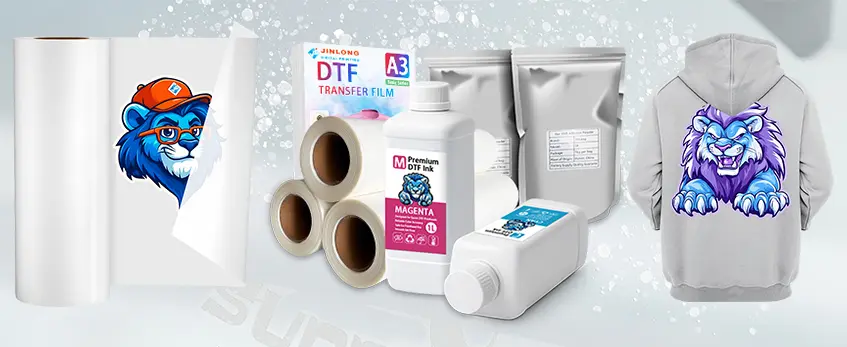
When scaling your custom apparel business, Jinlong DTF printers offer clear advantages that boost efficiency and cut costs.
Automation Benefits: Powder Shakers and Dryers
Automated powder shaking machines and drying ovens dramatically reduce manual labor and speed up production. This means fewer hands-on tasks and faster turnaround times without sacrificing print quality. Investing in automation helps lower your total cost of ownership and keeps labor costs manageable as order volumes grow. You can check how a DTF printer with shaker and oven improves print consistency and speed for a better idea.
Consistency: Stable Color Output
Reliable color consistency reduces reprint rates and waste, which are key hidden profit killers. Jinlong’s industrial-grade printers deliver stable ink application across batches, meaning you won’t face costly overruns or dissatisfied customers due to color variation. Consistent output keeps your margins healthier, especially when handling bulk orders or gang sheets.
Support and Parts: Accessible Technical Assistance
A robust support network and easy access to replacement parts matter for minimizing downtime. Jinlong’s customer service and readily available components help you avoid extended interruptions, which can tank your profitability. Fast repairs keep your operation running smoothly and protect your ROI in the long run.
| Benefit | Impact on Profitability |
|---|---|
| Automated Powder Shaking | Cuts labor cost, improves workflow |
| Drying Ovens | Speeds up production, reduces bottlenecks |
| Stable Color Output | Lowers waste and reprints |
| Easy Support & Parts Access | Minimizes downtime, protects revenue |
Scaling with Jinlong DTF means your business is set up for sustained growth with better margins and less operational risk.
Future Outlook: Is the Market Saturated?
By 2026, the DTF printing market has certainly matured, but it’s far from saturated. Instead, it’s evolving. While custom T-shirts remain a staple, savvy printers are exploring niche markets like hats, bags, shoes, and promotional items to diversify income streams and tap into untapped customer bases. These niches offer less competition and higher profit margins, especially when combined with quality industrial DTF printing equipment.
Hybrid printing approaches are also gaining traction—integrating DTF with methods like screen printing or DTG helps shops offer versatile products and meet specific client needs. This flexibility improves workflow efficiency and opens new avenues for creativity and profit.
The bottom line? For small-to-medium runs, DTF still delivers the highest ROI in 2026. Its low total cost of ownership, eco-friendly inks, and scalable setup make it ideal for businesses looking to grow without overextending. Whether you’re running a commercial print shop or a desktop setup, investing in Jinlong DTF printers and supplies is a smart way to stay competitive and profitable.
For those interested, check out our detailed hot peel DTF film buying guide to further optimize your material costs and print quality.


 English
 Español
 Deutsch
 Français