
No products in the cart.

Jinlong
DTF Vinyl Printer Explained and How It Compares to Vinyl Cutting
What Is a DTF Printer? Understanding Direct to Film Printing
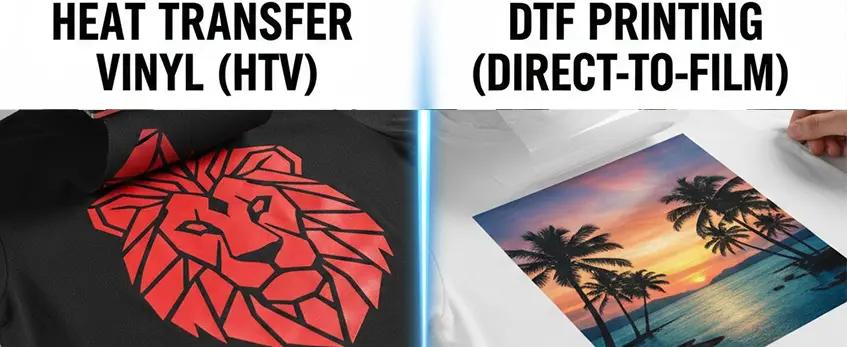
If you\’re new to custom t-shirt printing, you might be wondering, what exactly is a DTF vinyl printer? DTF stands for Direct to Film printing, a growing technology that’s making waves in the apparel decoration world. Unlike traditional methods, DTF lets you print full-color designs directly onto a special PET film, which then gets transferred onto garments.
So, why is DTF printing gaining popularity? It’s all about versatility and quality. Unlike classic vinyl cutting, which works best for simple color layering, DTF handles complex, photorealistic images with ease. Plus, it works on almost any fabric—including cotton, polyester, and blends—making it a great choice for small businesses and hobbyists alike.
Here’s a quick overview of the DTF transfer process:
- Printing: Your design is printed using CMYK plus white ink on a clear film.
- Powder Application: A special adhesive powder is applied over the wet ink.
- Curing: The powder-coated film is heated to bond the adhesive.
- Heat Transfer: Finally, the image is pressed onto your fabric with a heat press.
This straightforward process not only produces vibrant, durable prints but also eliminates the need for weeding, which is a big time-saver compared to vinyl cutting. In the next sections, we’ll dive deeper into how DTF printing works and how it stacks up against traditional vinyl cutting methods.
How DTF Printing Works Step by Step
DTF printing starts with designing your artwork, usually in full color with rich details. Once the design is ready, it’s printed using CMYK plus white ink directly onto a special PET film. The white ink helps the colors pop, especially on dark fabrics.
Next, an adhesive powder is applied over the wet ink. This powder sticks to the ink and is then cured in a powder shaker or oven to set it properly. After curing, the film is ready to transfer.
The final step is using a heat press to transfer the design from the film onto your garment. The heat activates the adhesive, bonding the print strongly to the fabric.
To get started with the DTF transfer process, you’ll need a DTF printer, a powder shaker or curing oven, and a reliable heat press. This setup is essential for achieving durable, vibrant prints on a wide range of fabrics. For those new to the process, checking out beginner-friendly DTF printers like jinlong models can help smooth the learning curve. You can also explore more details on proper ink and powder use to improve print quality and maintenance.
What Is Vinyl Cutting? A Quick Refresher on Heat Transfer Vinyl (HTV)
Vinyl cutting is a popular custom t-shirt printing method that uses Heat Transfer Vinyl (HTV) to create designs. The process starts with designing your artwork digitally, then using a vinyl cutter or plotter to precisely cut the design out of a vinyl sheet. After cutting, you’ll need to weed out the excess vinyl, leaving just the desired design on the carrier backing.
The basic tools for vinyl cutting include:
- Vinyl cutter or plotter to cut the design
- Weeding tools for removing unwanted vinyl pieces
- Heat press to transfer the vinyl onto garments
There are different types of vinyl for various effects:
- Standard HTV: Solid colors, durable and flexible
- Printable HTV: Allows for full-color prints on vinyl sheets
- Specialty finishes: Glitter, flock (velvety), metallic, and more for unique textures
Vinyl cutting works best for bold, simple designs like logos and text. The process is straightforward but can be time-consuming, especially with detailed weeding. It’s a trusted choice for small businesses and hobbyists who want reliable and budget-friendly apparel decoration techniques.
DTF Printing vs. Vinyl Cutting: Key Differences
Here’s a clear comparison between DTF vinyl printers and traditional vinyl cutting to help you decide which custom t-shirt printing method fits your needs best:
| Feature | DTF Printing | Vinyl Cutting (HTV) |
|---|---|---|
| Design Complexity | Full-color, photorealistic designs easily handled | Best for solid colors, simple shapes, layering required |
| Fabric Compatibility | Works on almost any fabric, including blends and dark garments | Mostly cotton/polyester blends; limited on some fabrics |
| Durability & Feel | Soft, breathable prints with good stretch | Thicker feel, may crack or peel over time |
| Production Time | Fast – no weeding required | Time-consuming weeding process |
| Print Quality & Vibrancy | High vibrancy, sharp details, smooth gradients | Limited to solid colors, less vibrant on dark fabrics |
DTF printing shines when you want unlimited colors and complex artwork without worrying about weeding vinyl. Vinyl cutting works great for simple logos or text and offers a variety of special finishes like glitter or flock but requires more hands-on work and layering.
For more insight on equipment and materials, check out this DTF transfer film to see how the print quality and adhesion compare in the field.
Pros and Cons of DTF Printing
Advantages:
- Unlimited colors and fine details: DTF vinyl printers can handle full-color, photorealistic designs, making them perfect for complex artwork with gradients and subtle shades.
- Faster for complex designs: Since there’s no weeding involved, you can produce intricate prints quickly.
- Versatile fabric compatibility: Unlike some print methods, direct to film printing works on virtually any fabric, including cotton, polyester blends, and even nylon.
- Soft, breathable prints: The transferred design feels light and comfortable, great for wearability.
- No weeding required: Eliminates the time-consuming step needed in vinyl cutting, speeding up production.
Disadvantages:
- Higher initial equipment cost: Setting up with a quality DTF printer, powder shaker, and heat press requires a bigger upfront investment compared to vinyl cutting gear.
- Ongoing ink and powder maintenance: Managing DTF ink and adhesive powder adds complexity and some ongoing costs to keep your prints consistent.
- Learning curve: Mastering the DTF transfer process—including printing, powder application, curing, and heat pressing—takes some practice to get right.
For those interested in a detailed comparison or starting out, check out our guide on the best DTF printers for beginners and see how direct to film printing stacks up against vinyl cutting at DTF vs vinyl printing practical guide.
Pros and Cons of Vinyl Cutting
Advantages:
- Lower startup cost: Vinyl cutters and basic heat press setups are generally more affordable than DTF printers, making vinyl cutting great for beginners or those on a budget.
- Easy for beginners: The learning curve is gentle—designing simple shapes and cutting vinyl is straightforward, which helps newcomers get started quickly.
- Wide variety of textures and effects: You can find heat transfer vinyl (HTV) in many finishes like glitter, flock, metallic, and reflective, adding unique textures and visual effects to your designs.
Disadvantages:
- Limited to simple designs: Vinyl cutting works best with solid colors and simpler artwork. Complex, full-color, or photorealistic images are tough to achieve without layering many sheets.
- Manual weeding required: Removing the excess vinyl (weeding) is time-consuming and can be tedious, especially for detailed designs.
- Layering restrictions: While you can layer colors, it\’s challenging to perfectly align multiple layers, which can limit design complexity and production speed.
- Less vibrant on dark fabrics: Standard vinyl may not pop as much on dark garments compared to full-color methods like Direct to Film printing, limiting its use for certain apparel types.
Vinyl cutting remains a popular choice for straightforward custom apparel projects but might fall short when you need full-color, photorealistic prints or faster production. For those new to custom t-shirt printing methods, vinyl cutting offers an accessible entry point without the higher costs of alternative technologies.
Cost Comparison: Setup, Materials, and Long-Term Expenses
When deciding between a DTF vinyl printer and vinyl cutting, cost is a major factor. Here\’s a clear breakdown of expenses to help hobbyists and business owners choose what fits best.
| Expense Type | DTF Printing | Vinyl Cutting |
|---|---|---|
| Initial Investment | Higher upfront cost: DTF printers range from $3,000 to $10,000+, plus powder shaker and curing oven. | Lower startup cost: Vinyl cutters start around $200–$1,000. Heat press and weeding tools add to investment. |
| Cost Per Print | Moderate ink and powder costs; more economical for full-color, complex designs, especially in small batches. | Lower material cost per sheet for simple designs but labor-intensive weeding raises effective cost. |
| Production Volume | Cost-efficient at medium to high volumes due to faster workflow and no weeding. | Best for low to moderate volumes with simple designs; labor and material costs increase with complexity. |
| Maintenance & Consumables | Requires regular ink and powder refills; equipment upkeep can be pricey. See tips on DTF ink and powder maintenance. | Minimal maintenance; occasional blade and heat press servicing. Vinyl sheets vary by style and quantity. |
Break-even Analysis
- DTF printers pay off faster for businesses focused on full-color, photo-quality transfers or those servicing custom orders.
- Vinyl cutters make sense for hobbyists or startups who mainly do simple logos or text, where upfront costs and skill levels are lower.
Choosing between DTF printing vs. heat transfer vinyl cutting depends a lot on your design needs, production volume, and budget. For more about equipment that boosts print quality and workflow, check out the benefits of a DTF printer shaker and oven system.
When to Choose DTF Over Vinyl Cutting (And Vice Versa)
Choosing between a DTF vinyl printer and vinyl cutting depends on your specific printing needs and budget. Here’s a quick guide to help you decide:
| Best For | DTF Printing | Vinyl Cutting (HTV) |
|---|---|---|
| Design Complexity | Full-color photos and detailed artwork | Simple logos, text, and basic shapes |
| Fabric Compatibility | Works on almost any fabric, including blends and dark garments | Best on cotton and polyester, struggles with blends and very dark fabrics |
| Order Size | Small/custom orders, quick turnaround | Larger runs of simple designs |
| Print Feel & Durability | Soft, breathable prints, high durability | Thicker feel, potential cracking over time |
| Budget & Equipment | Higher startup cost, but faster for complex designs | Lower startup cost, easy for beginners |
| Special Effects | Limited texture options | Offers glitter, flock, and other specialty vinyl styles |
Real-World Usage Examples
DTF is ideal for custom t-shirt businesses that often print full-color photography or artwork on dark or blended fabrics. For example, local online shops offering personalized gifts rely on DTF transfers for vibrant, durable prints with no weeding hassle.
Vinyl cutting suits startup brands or hobbyists who need to produce simple logo tees or text-based designs on basic cotton/polyester shirts. The variety of vinyl textures also appeals to those wanting special effects like glitter or flock.
If you’re interested in starting with DTF printing, take a look at how reputable options like Jinlong DTF printers cater to small businesses needing quality and ease of use without compromise.
Choosing the right technique comes down to your design needs, fabric choice, and production scale. Both methods remain essential in custom t-shirt printing, each bringing unique benefits to your apparel decoration toolkit.
Getting Started with DTF Printing
Starting with a DTF vinyl printer can seem daunting, but picking the right beginner-friendly equipment makes all the difference. Reliable options like the Jinlong DTF printers offer excellent quality and ease of use, making them popular choices for those new to Direct to Film printing. These printers come with user-friendly controls and consistent output, perfect for small businesses and hobbyists looking to expand into full-color garment transfers.
To keep your DTF printer running smoothly, regular maintenance is key. Here are some simple tips:
- Clean print heads to avoid clogging and color issues.
- Check ink and powder levels frequently to prevent interruptions.
- Use recommended film and powders to ensure optimal adhesion and durability.
- Refer to troubleshooting guides when you notice issues like color fading or transfer problems.
For beginners, investing time in understanding the DTF transfer process and routine upkeep helps avoid common pitfalls and maximizes print quality. You can find detailed advice on signs your DTF printer is out of ink and other troubleshooting tips from trusted sources like jinlongprints.com.
With the right equipment and care, DTF printing is a fantastic option for vibrant, durable custom t-shirt printing that works on a wide range of fabrics.


 English
 Español
 Deutsch
 Français