
No products in the cart.

Jinlong
DTF Printer Powder Shaker vs Manual Powdering Comparing Quality and Efficiency
Understanding the DTF Powder Application Process
If you’re new to DTF printing, you might wonder how the powdering step fits into the workflow and why it’s so important. Direct to Film (DTF) powder application is key to turning your printed design into a durable, vibrant transfer that sticks well to fabric.
Step-by-Step Powdering in the DTF Workflow
Here’s how powdering works in a typical DTF printing process:
- Printing: The image is printed onto a special PET film using water-based pigment inks. At this stage, the ink is still wet.
- Powdering: Adhesive powder (like TPU hot melt powder) is applied to the wet ink layer. The powder sticks only where the ink is wet, creating an adhesive layer for fabric bonding.
- Curing: The powder-covered film goes through a curing oven or heating process. This melts and bonds the powder to the ink, ensuring it stays in place.
- Transfer: Finally, the cured film is heat-pressed onto the garment, where the powder’s adhesive properties make the print durable and washable.
Why Powder Adherence Matters
The powder’s ability to cling to the wet ink is what makes DTF printing unique. It forms an elastic, strong bond with the fabric, ensuring your design maintains vibrant colors and lasts through washing. Without proper powder adhesion, prints might fade, crack, or peel.
Common Powdering Challenges
While powdering is critical, it also presents some hurdles, especially when done manually:
- Uneven Coverage: Too little powder causes weak adhesion; too much creates a rough, grainy texture.
- Mess & Waste: Powder flies everywhere during application, leading to cleanup headaches and wasted material.
- Inconsistency: Without proper control, prints can vary in quality, hurting overall output.
Getting powder application right is essential for top-notch DTF transfer quality. Later, we’ll break down how manual powdering compares to using an automatic DTF powder shaker for smoother, more reliable results.
Manual Powdering: How It Works, Pros, and Cons
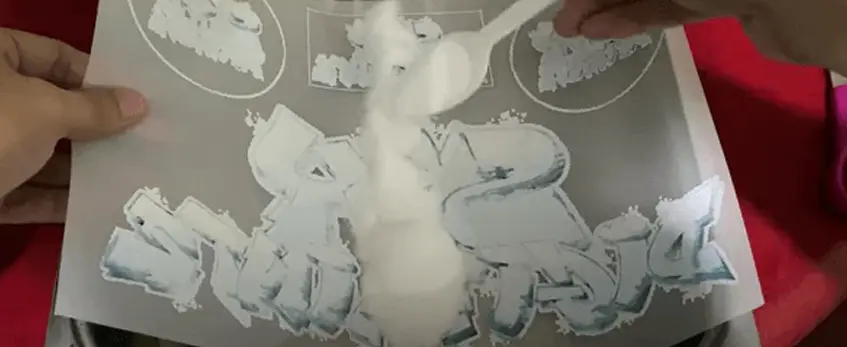
Manual powdering involves hand-applying adhesive powder to the freshly printed wet ink using methods like shaking, brushing, or sieving. Afterward, the powdered prints go through a separate curing process to bond the powder properly before transfer.
Advantages:
- Low upfront cost: No need for extra equipment, making it budget-friendly.
- Great for beginners and small batches: Perfect for hobbyists or startups running fewer than 50 prints per day.
- Full control over powder amount: You decide exactly how much powder goes on each print, allowing some customization.
Disadvantages:
- Time-consuming and labor-intensive: The process takes more time and effort, slowing down production.
- Risk of inconsistency and defects: Uneven powder coverage can lead to poor adhesion and print washability issues.
- Messy workspace: Powder tends to scatter, causing waste and requiring frequent clean-ups.
Manual DTF powdering suits those just starting or working with low production volume. It’s an affordable way to test the waters before investing in automated solutions.
For those interested in stepping up their DTF game, check out this complete guide on DTF printers for beginners to find the right setup for your workflow.
Automatic Powder Shaker: How It Works, Pros, and Cons
An automatic powder shaker in a DTF printer setup is usually an integrated or standalone unit that applies the adhesive powder evenly on wet prints, shakes off the excess, and often includes curing all in one streamlined process. This automation boosts consistency and saves a ton of time compared to manual powdering.
Advantages
- Even, precise powder distribution ensures your DTF prints have vibrant colors and strong fabric bonding, leading to better durability and washability.
- Significant time savings and less labor mean you can move through production faster without sacrificing quality.
- Built-in curing and powder recycling features reduce waste and help keep your workspace clean.
- Cleaner operation with less powder mess saves you cleanup time and powder costs.
Disadvantages
- Higher upfront cost can be a barrier for smaller shops just starting out.
- Regular maintenance is needed, including cleaning powder hoppers and belts to keep the system running smoothly.
- Larger footprint requires more space in your production area, which may not suit every setup.
Best for
This automatic powder shaker method suits medium to high-volume production, generally anything above 50 prints per day. If efficiency and consistent top-notch DTF transfer quality are your goals, investing in these systems makes a lot of sense.
For those looking to upgrade their printing line, exploring the latest next-gen DTF printing machines with integrated powder shakers can help you find a reliable system that matches your production needs.
Head-to-Head Comparison: DTF Printer with Powder Shaker vs. Manual Powdering

| Feature | Manual Powdering | Powder Shaker System |
|---|---|---|
| Print Quality & Consistency | Variable; uneven powder can cause blotches or weak adhesion | Consistent, even powder layer ensures vibrant, durable prints |
| Speed & Efficiency | Slow; labor-intensive with separate powdering and curing steps | Fast; automated powdering and curing save time and labor |
| Cost (Initial & Ongoing) | Low startup cost; powder and tools only | Higher upfront price for shaker and dryer but reduces waste and reworks |
| Ease of Use & Learning Curve | Easy to start but requires skill for consistency | User-friendly in production; some initial setup needed |
| Scalability & Workflow Impact | Limited; becomes labor bottleneck beyond small batches | Scales well for mid to high-volume runs, streamlining workflow |
| Durability & Wash Test Performance | Uneven powdering risks print fades and washing issues | Superior adhesive powder distribution improves durability and washability |
Key Takeaways
- Print Quality: Automatic DTF powder application with a shaker produces far more uniform results compared to manual powdering, which can have inconsistent powder layers impacting transfer quality.
- Speed: Powder shaker setups drastically cut down processing time, letting you print more per day without sacrificing quality.
- Cost Efficiency: While manual powdering is cheaper initially, the shaker system’s powder recycling and consistency offer better long-term ROI.
- Ease & Scalability: Manual powdering works for small runs but gets impractical as volume grows; shaker systems handle larger workflows seamlessly.
- Durability: Powder shakers improve wash test outcomes through even TPU hot melt powder application, critical for customer satisfaction.
This comparison matches up well for U.S. businesses aiming to scale. For pioneers or hobbyists printing fewer than 50 shirts daily, manual powdering is a practical start. But once your shop grows or quality standards tighten, a DTF printer with powder shaker becomes invaluable for streamlined, professional-grade production.
When to Choose Manual Powdering vs. a Powder Shaker
Deciding between manual powdering and using a DTF powder shaker mainly comes down to your production volume, budget, available workspace, and fabric types you commonly print on. Here’s a quick rundown to help you figure out what fits your setup best.
| Factor | Manual Powdering | DTF Powder Shaker |
|---|---|---|
| Production Volume | Best for low-volume, <50 prints/day | Ideal for medium to high-volume, >50/day |
| Budget | Low upfront cost, minimal equipment | Higher initial investment, but saves labor costs |
| Space Needed | Requires less space | Needs dedicated area for shaker + curing |
| Fabric Variety | Flexible with different powders/fabrics | Consistent application, better for standard fabrics |
| Workflow Speed | Slower, labor-intensive | Faster, automated powdering & curing |
| Print Consistency | Varies, depends on skill and care | More consistent, less risk of defects |
Real-User Scenarios
- Home hobbyists or startups printing fewer than 50 shirts daily often find manual powdering manageable and budget-friendly.
- Small shops ramping up production or moving towards more consistent quality will benefit from an automated powder shaker to save time and reduce waste.
- Commercial print shops with higher volumes should opt for a powder shaker system to maintain throughput and print durability.
Signs It’s Time to Upgrade to a Powder Shaker
- You’re spending too much time dusting and curing manually, leading to bottlenecks.
- Frequent issues with uneven powder coverage or washability problems.
- Workspace getting messy from powder waste and clean-up.
- Print consistency and durability are critical, especially for repeat jobs.
- Your production has grown beyond 50 prints per day, and manual powdering slows you down.
Upgrading to a dtf printer with powder shaker automates this tricky part of the DTF printing workflow, boosting print quality and efficiency. For businesses ready to scale up, automated powder application is a smart move.
For inspiration on reliable setups, check out jinlong’s all-in-one DTF printer systems designed to streamline the entire process from printing to transfer.
Recommended DTF Solutions Featuring Powder Shakers
For those ready to step up their production, reliable all-in-one or bundled DTF printer systems with integrated powder shakers offer the best blend of automation and print quality. These setups take the guesswork out of manual powdering by applying powder precisely and evenly, then shaking off the excess before curing—all in one streamlined process.
A standout choice in the U.S. market is the Jinlong DTF printer lineup, which features models compatible with or including automatic powder shakers. Jinlong\’s solutions are designed for seamless automation, maximizing efficiency while reducing labor and powder waste. Their systems often bundle the printer with a powder shaker dryer, making it easier to maintain consistent DTF powder application and optimal transfer quality.
When evaluating shaker-equipped setups, look for key features like:
- Consistent and adjustable powder distribution to suit various fabric types
- Integrated curing ovens or dryers for faster workflow
- Automated excess powder recycling to minimize waste and cost
- User-friendly controls that simplify operation and maintenance
- Compact footprint suitable for small to medium shop spaces
Investing in a quality DTF printer with a powder shaker system not only boosts print vibrancy and durability but also streamlines your workflow, especially if you plan to scale production beyond hobby-level batches. For more details on why this technology is essential, you can check out this complete guide on the DTF workflow and powder shaker benefits.
Tips for Optimal Powder Application (Regardless of Method)
Getting the powder application right is key to great DTF transfer quality, whether you’re using manual powdering or an automatic DTF powder shaker. Here are some practical tips to keep your prints sharp, durable, and consistent.
Choose the Right Adhesive Powder
Not all powders are created equal. Common types include:
- TPU (Thermoplastic Polyurethane): The most popular for hot melt powder DTF. It offers great flexibility, washability, and vibrant print results.
- PES (Polyester): Offers strong adhesion but can be less flexible, making it better for certain fabric types.
- PA (Polyamide): Known for good durability but sometimes harder to cure evenly.
Pick the right adhesive powder based on your fabric and washability needs.
Control Your Environment
Environmental factors can make or break powder application:
- Humidity: Too much moisture in the air makes powder clump or stick prematurely. Aim for 40-60% humidity.
- Temperature: Keep your work area between 70-80°F to ensure consistent powder behavior.
- Avoid drafts or excessive airflow that can scatter powder unevenly.
Maintenance Best Practices
Regular care keeps your powder shaker or manual setup running smoothly:
- Clean powder hoppers and sieves frequently to prevent clogging.
- Wipe down curing ovens and ensure even heat distribution to avoid spots.
- For automated systems, maintain belts and shaking mechanisms per the manufacturer’s instructions to prevent downtime.
Troubleshooting Common Issues
- Uneven powder coverage: Adjust powder amount, check for even spreading, and ensure wet ink consistency is correct.
- Poor adhesion or washability: Verify powder curing temperature and time; consider trying a different powder type.
- Powder clumping: Check environmental humidity and clean powder storage containers regularly.
Taking these steps helps you maximize efficiency and print quality in your DTF printing workflow, whether you go manual or automatic.
For more details on getting crisp, vibrant prints, check out our guide on DTF ink and transfer quality.


 English
 Español
 Deutsch
 Français